
漢德百科全書 | 汉德百科全书
 Germany
 Architecture


 International cities
 Baden-Wuerttemberg
 Stuttgart
Germany
FIFA Fussball-Weltmeisterschaft 2002
Stuttgart
Germany
FIFA Fussball-Weltmeisterschaft 2002
 UEFA European Championship 2024


Stuttgart ist die Hauptstadt des deutschen Landes Baden-Württemberg und mit knapp 600.000 Einwohnern dessen größte Stadt. Sie ist die sechstgrößte Stadt Deutschlands und bildet das Zentrum der rund 2,7 Millionen Einwohner zählenden Region Stuttgart. Zudem ist es Kernstadt der siebtgrößten Agglomeration Deutschlands sowie der europäischen Metropolregion Stuttgart (etwa 5,3 Millionen Einwohner), der fünftgrößten in Deutschland. Stuttgart hat den Status eines Stadtkreises und ist in 23 Bezirke gegliedert.
Als Sitz der baden-württembergischen Landesregierung und des Landtags sowie zahlreicher Landesbehörden ist Stuttgart das politische Zentrum des Landes (siehe auch Liste der Behörden und Einrichtungen in Stuttgart). Es ist Sitz des Regierungspräsidiums Stuttgart, das den gleichnamigen Regierungsbezirk verwaltet. In Stuttgart tagt das Regionalparlament der Region Stuttgart, einer der drei Regionen im Regierungsbezirk Stuttgart. Darüber hinaus ist Stuttgart Sitz des evangelischen Landesbischofs von Württemberg (Evangelische Landeskirche in Württemberg) und Teil der katholischen Diözese Rottenburg-Stuttgart. Die Stadt ist ein wichtiger Finanzplatz in Deutschland.
Das Stuttgarter Stadtbild wird durch viele Anhöhen (teilweise Weinberge), Täler (insbesondere der Stuttgarter Talkessel und das Neckartal) und Grünanlagen (unter anderem Rosensteinpark, Schlossgarten) geprägt.
斯图加特是德国西南重镇,巴符州首府。它坐落在内卡河谷地,面积207平方公里,人口58.4万。斯图加特这个地名 源自于德语马场(Stute Garter)二字,古时这里曾是王公贵族的养马场。可是这昔日的马场,今天竟是欧洲经济最发达、人均产值最高的大城市之一,誉满全球的“奔驰”汽车就是 在这里离开生产线。看到城徽上金底黑色骏马,想到斯图加特战后的残破,今日的繁盛,使人不由得赞叹,斯图加特-奔驰的骏马!斯图加特的历史可以追溯到 1000年前。公元950年左右,一位公爵看中这里青山环绕,水草丰美,于是把这里辟为养马场。13世纪这里发展成一座要塞。14世纪符腾堡伯爵迁来府 邸。此后,符腾堡伯国国势日隆,升为公国、王国,都城斯图加特的地位也步步提升,市区逐渐扩大。1871年德意志帝国宣告成立,符腾堡王国作为一邦加入, 斯图加特遂成为帝国西南重镇。从19世纪中叶起,斯图加特开始工业化,各类工厂如雨后春笋破土而出,市区所在的盆地显得过于窄小,于是工厂企业逐渐向坡地 发展,向郊区发展,形成大斯图加特工业区。第二次世界大战中,斯图加特饱经战火,13世纪以来逐渐发展形成的市中心,皆成废墟。现在市中心许多建筑物都是 50年代期间重建的。战后,斯图加特的经济发展更是蒸蒸日上。它已成为德国人均收入最高、失业率最低的城市之一。
斯图加特(德语:Stuttgart,中国大陆、台湾译为斯图加特;香港译为史特加)位于德国西南部的巴登-符腾堡州中部内卡河谷地,靠近黑森林。不仅是该州的州首府,也是州级行政区及斯图加特地区首府和该州的第一大城市。同时也是该州的政治中心:巴符州议会、州政府,和众多的州政府机关部门均设在这里。由于其在经济、文化和行政方面的重要性,是德国最知名的城市之一。
シュトゥットガルト(標準ドイツ語: Stuttgart、アレマン語:Schduagert(シュドゥアガート/シュドゥアゲアト))は、ドイツ連邦共和国の都市。バーデン=ヴュルテンベルク州の州都であり、ドイツ南西部の世界都市。人口は約62万人(2015年)。シュツットガルトとも表記される。
ネッカー川沿いにあり、シュヴァーベン地方北部とフランケン地方南西部であるヴュルテンベルク地方を境目とするドイツを代表する工業都市で、もっとも豊かな地域である。ダイムラー、ポルシェやボッシュなどドイツを代表する世界的な企業の本社がおかれている。一方ではブドウなどの栽培も盛んであり、中央駅のそばには今もブドウ畑が残る。ワインも生産され、農業も盛んな田舎街の側面を併せ持つ。
言語構成は上部ドイツ語の語群であるカトリックであるアレマン語の系統に属するシュヴェービッシュ(シュヴァーベン語)と、プロテスタントである上部フランケン語の系統に属する南フランケン語の一言語であるヴュルテンベルク語などの方言が混合する境界域に位置し、中部・北部ドイツ人たちからは「ドイツの田舎者」と揶揄されることがある。
隣接するエスリンゲン、ルートヴィッヒスブルク、フェルバッハ、ヴァイブリンゲン、などのUバーン(LRT:ライトレールトランジット、ほぼ専用軌道の路面電車)、Sバーン(都市近郊電車)が直通運転される近隣周辺都市を合わせて人口100万人を越えるシュトゥットガルト都市圏を形成する。中央駅正面から歩行者専用道路のケーニッヒストラーセが伸び、通りを進んでいくと左手に新宮殿、広場、旧宮殿、ラートハウス(市役所)、マルクトプラッツ(市場)、ブロイニンガーデパートなどが現われ、市の中心部となる。
欧州議会があるフランス・ストラスブールへ車で1時間半、ミュンヘンへ2時間、フランクフルトへ1時間半、スイス・チューリッヒへ2時間半とヨーロッパのへそともいえる絶好のロケーションに位置する。近隣の都市としては、約40キロ北にハイルブロン、35キロ西にシュヴァルツヴァルトの中心都市プフォルツハイム、60キロ北西にシュヴァルツヴァルトを越えライン川沿いにドイツ連邦最高裁判所、連邦憲法裁判所の所在地であるカールスルーエ、35キロ南にロイトリンゲンが位置している。
Stuttgart (/ˈʃtʊtɡɑːrt/ SHTUUT-gart;[4] German: [ˈʃtʊtɡaɐ̯t] ( listen); Swabian: Schduagert, pronounced [ˈʒ̊d̥ua̯ɡ̊ɛʕd̥]; names in other languages) is the capital and largest city of the German state of Baden-Württemberg. Stuttgart is located on the Neckar river in a fertile valley known locally as the "Stuttgart Cauldron." It lies an hour from the Swabian Jura and the Black Forest. Its urban area has a population of 609,219,[5] making it the sixth largest city in Germany.[6] 2.7 million people live in the city's administrative region[7] and another 5.3 million people in its metropolitan area,[8] making it the fourth largest metropolitan area in Germany. The city and metropolitan area are consistently ranked among the top 20 European metropolitan areas by GDP; Mercer listed Stuttgart as 21st on its 2015 list of cities by quality of living,[a][9] innovation agency 2thinknow ranked the city 24th globally out of 442 cities [10][b] and the Globalization and World Cities Research Network ranked the city as a Beta-status world city in their 2014 survey.[11]
Since the 6th millennium BC, the Stuttgart area has been an important agricultural area and has been host to a number of cultures seeking to utilize the rich soil of the Neckar valley. The Roman Empire conquered the area in 83 AD and built a massive castrum near Bad Cannstatt, making it the most important regional center for several centuries. Stuttgart's roots were truly laid in the 10th century with its founding by Liudolf, Duke of Swabia, as a stud farm for his warhorses. Initially overshadowed by nearby Cannstatt, the town grew steadily and was granted a charter in 1320. The fortunes of Stuttgart turned with those of the House of Württemberg, and they made it the capital of their county, duchy, and kingdom from the 15th century to 1918. Stuttgart prospered despite setbacks in the Thirty Years' War and devastating air raids by the Allies on the city and its automobile production during World War II. However, by 1952, the city had bounced back and it became the major economic, industrial, tourism and publishing center it is today.[12]
Stuttgart is also a transport junction, and possesses the sixth-largest airport in Germany. Several major companies are headquartered in Stuttgart, including Porsche,[13] Bosch,[14] Mercedes-Benz,[15] Daimler AG,[16] and Dinkelacker.[17]
Stuttgart is unusual in the scheme of German cities.[18] It is spread across a variety of hills (some of them covered in vineyards),[19] valleys (especially around the Neckar river and the Stuttgart basin) and parks. This often surprises visitors who associate the city with its reputation as the "cradle of the automobile".[20][21] The city's tourism slogan is "Stuttgart offers more".[22] Under current plans to improve transport links to the international infrastructure (as part of the Stuttgart 21 project), the city unveiled a new logo and slogan in March 2008 describing itself as "Das neue Herz Europas" ("The new Heart of Europe").[23] For business, it describes itself as "Where business meets the future". In July 2010, Stuttgart unveiled a new city logo, designed to entice more business people to stay in the city and enjoy breaks in the area.[24]
Stuttgart is a city with a high number of immigrants. According to Dorling Kindersley's Eyewitness Travel Guide to Germany, "In the city of Stuttgart, every third inhabitant is a foreigner."[25] 40% of Stuttgart's residents, and 64% of the population below the age of five, are of immigrant background.[26]
Stuttgart (prononcé en allemand : [ˈʃtʊtɡaʁt] Écouter, anciennement Stutgard ou Stougard en français2) est la capitale du Land de Bade-Wurtemberg, au sud de l'Allemagne. Sixième plus grande ville d'Allemagne, Stuttgart a une population de 613 392 habitants (recensement de décembre 20111) tandis que la région métropolitaine de Stuttgart en compte 5,3 millions (2008)3.
La ville se trouve au centre d'une région très peuplée et est entourée d'une couronne de petites villes. Cette zone urbaine intérieure appelée « région de Stuttgart » a une population de 2,7 millions d'habitants4, faisant du « Grand Stuttgart » la quatrième plus grande ville-région en Allemagne après la Ruhr, Francfort-sur-le-Main et Berlin.
Stuttgart se trouve sur une série de collines, de vallées et de parcs — fait inhabituel pour les villes allemandes5 et souvent cause de surprise pour les visiteurs qui associent principalement la ville avec sa réputation industrielle de « berceau de l'automobile ».
Stuttgart a le statut de Stadtkreis, ce qui fait d'elle une aire urbaine auto-administrée. La ville est également le siège du parlement régional et du conseil local.
La devise de la ville est « Stuttgart est plus » — pour les touristes et les affaires, Stuttgart se décrit elle-même comme « Standort Zukunft », traduit par la mairie en « Lorsque les affaires rencontrent le futur ». En 2007, le bourgmestre a présenté Stuttgart aux investisseurs étrangers comme « la puissance créatrice de l'Allemagne ». Avec les plans actuels visant à améliorer les liaisons de transport aux infrastructures internationales (dans le cadre du projet Stuttgart 21), la ville a dévoilé un nouveau logo et un slogan en mars 2008, se décrivant comme Das neue Herz Europas (« Le nouveau cœur de l'Europe »)6.
Stuttgart est parfois surnommée la Schwabenmetropole7 (métropole souabe8), une référence au dialecte souabe parlé par les autochtones.
Stoccarda (in tedesco Stuttgart , in dialetto svevo Schdùagert) è una città extracircondariale di circa 600.000 abitanti della Germania meridionale, capitale dello stato federato del Baden-Württemberg e del distretto amministrativo omonimo.
La città si trova in prossimità della Foresta Nera e del fiume Neckar. Ha una superficie di 207 km².
Stuttgart ( [ˈʃtʊtɡaʁt] (?·i); antiguamente y en desuso Estucardia en español) es la capital del estado federado alemán Baden-Wurtemberg. Con 600 038 habitantes,2 Stuttgart es la ciudad más grande de Baden-Wurtemberg y la sexta de Alemania. En Stuttgart encontramos el parlamento de su Bundesland y su gobierno correspondiente, así como otras autoridades políticas y de la administración federal. Las grandes ciudades alemanas más importantes y cercanas a Stuttgart son: Fráncfort (240 km al noroeste), Múnich (aproximadamente 220 km al sureste de Stuttgart) y Karlsruhe (a 80 km al noroeste).
Stuttgart tiene el estatus de ciudad-distrito, unificada por un presidente. También es sede del obispo evangélico de Wurtemberg y de un obispado católico (Bistum Rottenburg-Stuttgart). La ciudad posee dos universidades, escuelas técnicas y es sede de varios institutos de investigación, como el Centro Aeroespacial Alemán (DLR), el Fraunhofer o el Max Planck.
Stuttgart es la puerta de entrada a la Selva Negra y al Jura de Suabia. Rodeada de colinas, bosques y viñedos que llegan hasta el centro. El puerto se sitúa al noreste de la ciudad, a orillas del río Neckar.
Шту́тгарт (нем. Stuttgart [ˈʃtʊtɡaʁt], от нем. Stutengarten — «конюшенный сад», алем. Schduagert) — город в Германии, административный центр земли Баден-Вюртемберг, один из важнейших промышленных центров Германии, а также важный культурный центр. В Штутгарте проживает около 630 тысяч человек (декабрь 2016 года), город занимает по этому показателю шестое место в стране.
Штутгарт был основан в 950 году швабским герцогом Людольфом и до 1496 года оставался главным городом графства Вюртемберг, с 1803 года — курфюршества, с 1806 года — королевства Вюртемберг, а после 1918 года — республики Вюртемберг. После строительства в городе автозаводов будущего концерна Mercedes-Benz город стал известен как «колыбель автомобилестроения».
 CESAER

 Geography
 Saxony

 Rhineland-Palatinate
 Colleges and Universities in Europe
Germany
Colleges and Universities in Europe
Germany
 History
L 1000 - 1500 AD
Sinology
Universities in Germany
History
L 1000 - 1500 AD
Sinology
Universities in Germany

 World Heritage


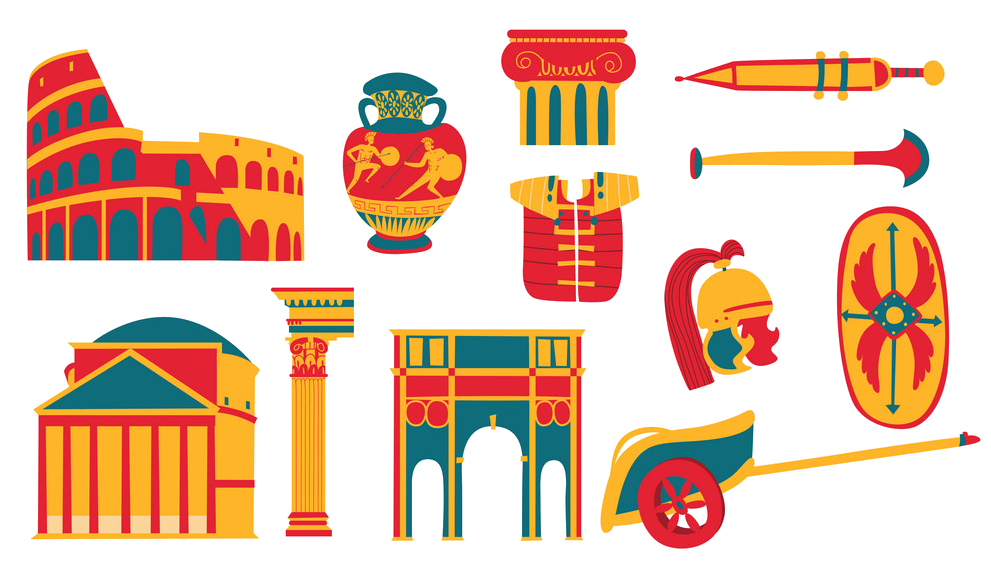 Cities founded by the Romans


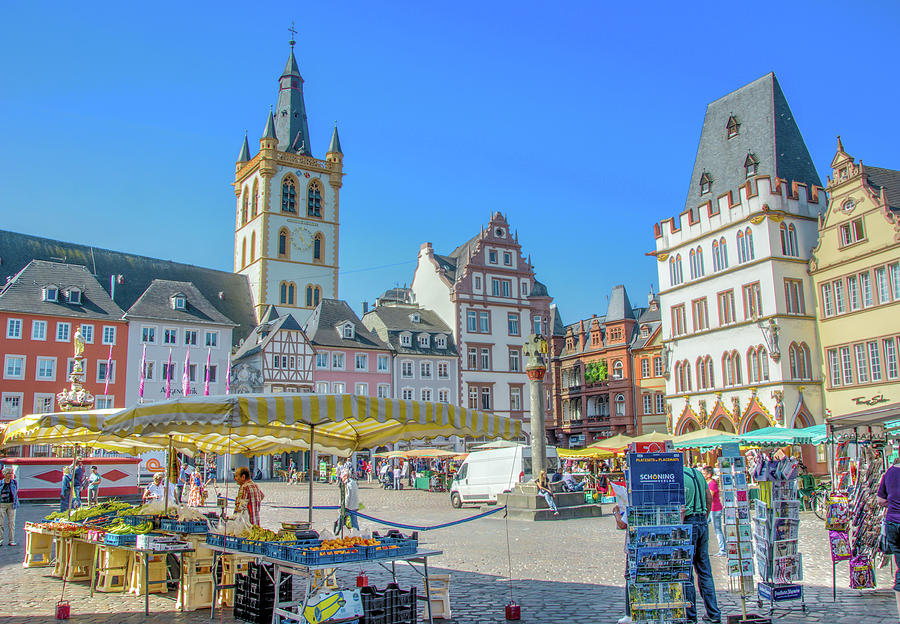
Trier (französisch Trèves, luxemburgisch Tréier) ist eine kreisfreie Stadt im Westen des Landes Rheinland-Pfalz. Mit etwa 110.000 Einwohnern ist sie nach Mainz, Ludwigshafen am Rhein und Koblenz dessen viertgrößte Stadt.
Die Stadt wurde vor mehr als 2000 Jahren unter dem Namen Augusta Treverorum (ab der zweiten Hälfte des 3. Jahrhunderts Treveris) gegründet und beansprucht den Titel der ältesten Stadt Deutschlands für sich. Trier beruft sich hierbei auf die längste Geschichte als bereits von den Römern anerkannte Stadt, im Gegensatz zu einer Siedlung oder einem Heerlager.
Die Römischen Baudenkmäler in Trier zählen seit 1986 zum UNESCO-Welterbe. Hierzu gehören Amphitheater, Barbarathermen, Kaiserthermen, Konstantinbasilika, Porta Nigra, Römerbrücke sowie die Igeler Säule in Igel. Ebenfalls zum Trierer Weltkulturerbe zählt der im Kern romanische Dom und die frühgotische Liebfrauenkirche. Darüber hinaus gibt es in Trier Kulturdenkmäler aus nahezu allen Epochen von der Frühgeschichte bis zum 21. Jahrhundert.
Trier ist Sitz der Universität Trier und der Hochschule Trier, der Verwaltung des Landkreises Trier-Saarburg, der Verwaltung der Verbandsgemeinde Trier-Land, der Aufsichts- und Dienstleistungsdirektion (ADD, bis 1999 Bezirksregierung Trier), mehrerer Dienststellen des Landesuntersuchungsamtes (LUA), einer Dienststelle des Landesamtes für Soziales, Jugend und Versorgung Rheinland-Pfalz und einer römisch-katholischen Diözese (Bistum Trier, das älteste nördlich der Alpen) und des evangelischen Kirchenkreises Trier.
特里尔,依粤语又译堤雅(德语:Trier,法语:Trèves),德国最古老的城市,位于莱茵兰-普法尔茨州西南部,摩泽尔河岸,靠近卢森堡边境。开埠于公元前16年,曾为罗马帝国四帝共治制时期西部恺撒(副皇帝)的驻节地。特里尔不是唯一声称最古老的德国城市,但它作为“城市”有超过两千年的历史,而不是作为殖民地或者军队驻扎地,这在德国确实是最古老的。
特里尔位于莱茵兰-普法尔茨州西南部的摩泽尔河谷中,两岸是低缓的红砂岩山丘,布满葡萄田,属于著名的摩泽尔-萨尔-乌沃(Mosel-Saar-Ruwer)葡萄酒产区。
特里尔是最早的基督教在阿尔卑斯山北侧的主教教区。中世纪,特里尔大主教是一个重要的教会诸侯;他管辖的主教辖区控制了从法国边界到莱茵河的大片地区。特里尔大主教也是神圣罗马帝国的7个选帝侯之一。
特里尔也以马克思诞生地而闻名。
トリーア(ドイツ語: Trier [tʁiːɐ̯] ( 音声ファイル), フランス語: Trèves [tʁɛv])は、ドイツ連邦共和国ラインラント=プファルツ州の都市。人口は約10万人(2005年)。トリアーとも表記される。
かつては舞台ドイツ語式発音に基づいてトリール、トリエルと呼ばれたが、近年では現在の標準ドイツ語の発音に近い「トリーア」が主に用いられる。
Trier (German pronunciation: [tʁiːɐ̯] ( listen); Luxembourgish: Tréier [ˈtʀɜɪ̯ɐ]), formerly known in English as Treves (French: Trèves, IPA: [tʁɛv]) and Triers (see also names in other languages), is a city in Germany on the banks of the Moselle. Trier lies in a valley between low vine-covered hills of red sandstone in the west of the state of Rhineland-Palatinate, near the border with Luxembourg and within the important Moselle wine region. The German philosopher and one of the founders of Marxism, Karl Marx was born in the city in 1818.
Founded by the Celts in the late-4th century BC as Treuorum, it was later conquered by the Romans in the late-1st century BC and renamed Trevorum or Augusta Treverorum (Latin for "The City of Augustus among the Treveri"). Trier may be the oldest city in Germany.[2][3] It is also the oldest seat of a bishop north of the Alps. In the Middle Ages, the Archbishop-Elector of Trier was an important prince of the church, as the archbishop-electorate controlled land from the French border to the Rhine. The Archbishop-Elector also had great significance as one of the seven electors of the Holy Roman Empire.
With an approximate population of 105,000, Trier is the fourth-largest city in its state, after Mainz, Ludwigshafen, and Koblenz.[4] The nearest major cities are Luxembourg (50 km or 31 mi to the southwest), Saarbrücken (80 kilometres or 50 miles southeast), and Koblenz (100 km or 62 mi northeast).
The University of Trier, the administration of the Trier-Saarburg district and the seat of the ADD (Aufsichts- und Dienstleistungsdirektion), which until 1999 was the borough authority of Trier, and the Academy of European Law (ERA) are all based in Trier. It is one of the five "central places" of the state of Rhineland-Palatinate. Along with Luxembourg, Metz and Saarbrücken, fellow constituent members of the QuattroPole union of cities, it is central to the greater region encompassing Saar-Lor-Lux (Saarland, Lorraine and Luxembourg), Rhineland-Palatinate, and Wallonia.
Trèves (en allemand : Trier /ˈtʁiːɐ̯/ Écouter, en luxembourgeois : Tréier) est une ville et un arrondissement d'Allemagne, dans le Land de Rhénanie-Palatinat. La ville est située sur la Moselle. En 2008, la ville comptait 104 640 habitants.
Treviri (AFI: [ˈtrɛviri][1]; in tedesco: Trier, in francese: Trèves, in lussemburghese: Tréier) è una città extracircondariale nella parte occidentale del Land tedesco della Renania-Palatinato; è sede di una prestigiosa università.
Pur essendo una città extracircondariale, ospita la sede amministrativa del circondario (Landkreis) di Treviri-Saarburg.
La città è nota per aver dato i natali a Karl Marx.
Tréveris (en alemán, Trier; en francés, Trèves; véanse los nombres en otros idiomas) es una ciudad de Renania-Palatinado, Alemania, ubicada en la ribera derecha del río Mosela. Dista unos 9 km de Luxemburgo, 35 km de Francia y 50 km de Bélgica. Tiene 100 000 habitantes aproximadamente. Se considera la ciudad más antigua de Alemania y en 1986, la Unesco declaró el conjunto de «monumentos romanos, la catedral de San Pedro y la iglesia de Nuestra Señora en Tréveris» Patrimonio de la Humanidad.1. En Tréveris nació Karl Marx el 5 de mayo de 1818.
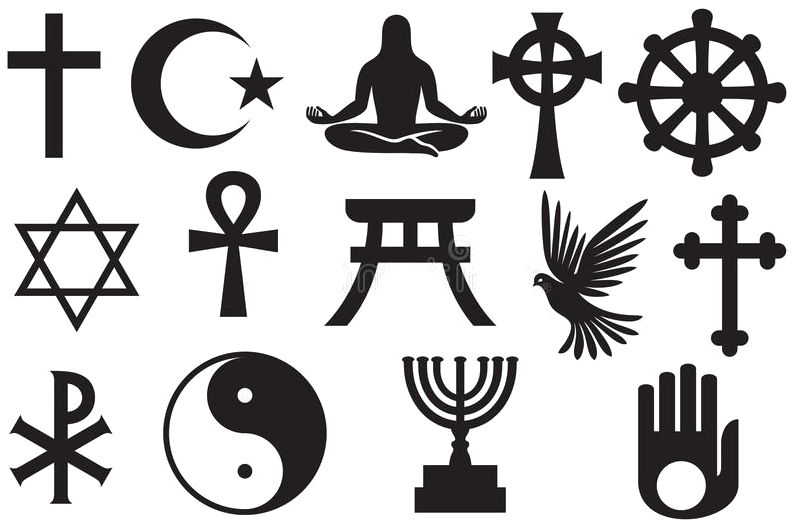 Religion


Die Hohe Domkirche St. Peter zu Trier ist die älteste Bischofskirche Deutschlands und die Mutterkirche des Bistums Trier. Mit einer Länge von 112,5 Metern und einer Breite von 41 Metern ist das Bauwerk das größte Kirchengebäude der Stadt Trier und ein bedeutendes Zeugnis abendländischer sakraler Baukunst.
Seit 1986 ist der Trierer Dom Teil des UNESCO-Welterbes Römische Baudenkmäler, Dom und Liebfrauenkirche in Trier, des Weiteren ist er ein geschütztes Kulturgut nach der Haager Konvention.
圣彼得大教堂(德语:Hohe Domkirche St. Peter)是罗马天主教特里尔教区的主教座堂,长112.5米(369英尺),宽41米(135英尺),位于德国特里尔,也是德国境内最老的主教座堂,长寿的建筑经历了十数世纪,揉合了不同世代的设计元素。1986年与特里尔其他古罗马遗址共同成为联合国教科文组织指定的世界文化遗产。