漢德百科全書 | 汉德百科全书
 IT-Times

 Law
Law

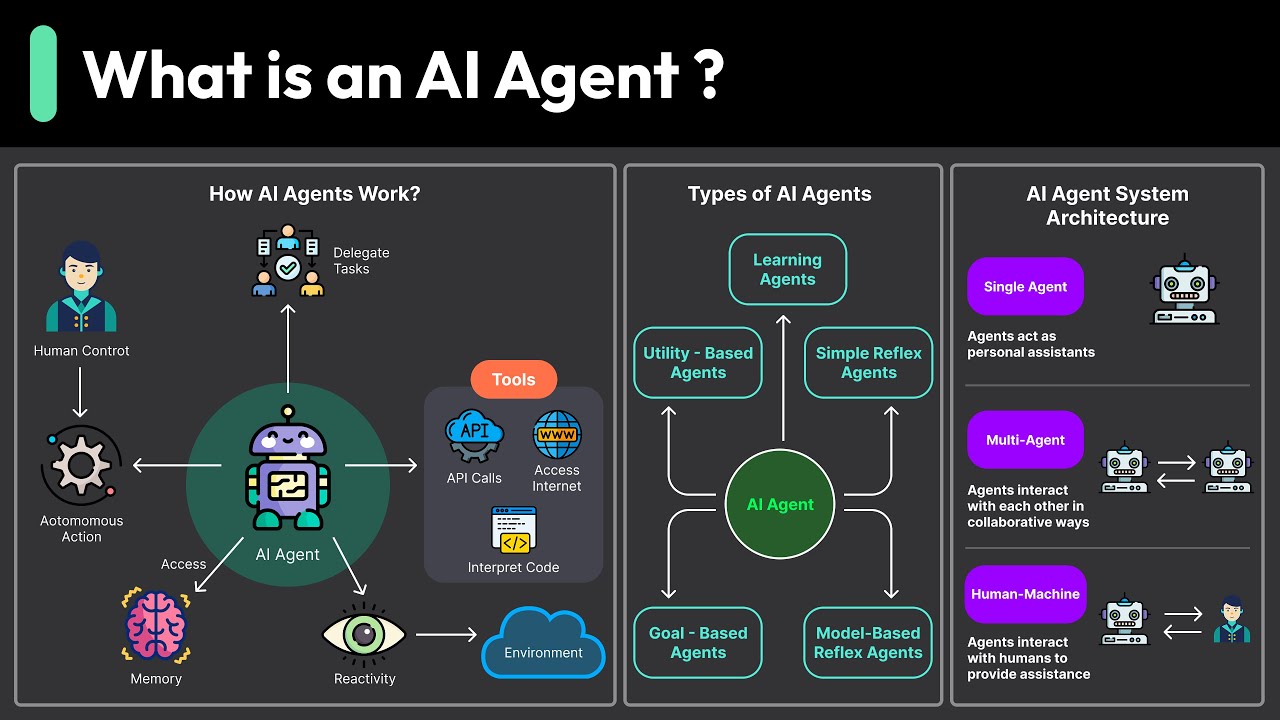
KI-Agenten (englisch: AI Agents; Agentic AI)[1] sind Softwareprogramme mit Eigenleben, die sich künstlich intelligent verhalten.[2][3] Umfassende Definitionen werden auf Software-Agent gegeben. In einfacheren Ausführungen handelt es sich um Bots oder Chatbots, die sich auf Resultate in Form von Text, Sprache und / oder Bilder beschränken. Daneben gibt es auch Agenten, die komplexere Aufgaben selbstständig erledigen können. Sie können dies in einem iterativen Prozess tun, so, wie Menschen auch arbeiten. Man spricht in diesem Zusammenhang von virtuellen persönlichen Assistenten. Noch komplexer sind Robotersteuerungen und selbstfahrende Autos, bei denen Software über Aktuatoren autonom Fahrzeuge steuern.
人工智能代理(英语:AI Agents;Agentic AI)是具有自主生命、能够表现出人工智能行为的软件程序。软件代理提供了全面的定义。简单来说,它们是仅限于以文本、语音和/或图像形式呈现结果的机器人或聊天机器人。此外,还有能够独立完成更复杂任务的代理。它们可以像人类一样,通过迭代过程来完成任务。在这方面,人们称之为虚拟个人助理。更复杂的是机器人控制和自动驾驶汽车,其中软件通过执行器自主控制车辆。
智能代理(英語:intelligent agent),或译为智能体,在人工智能领域指一个可以观察周遭环境并作出行动以達到目标并且可以通过机器学习以及获取知识来提升自身性能的自主实体。它通常是指(但不一定是)一个软件程序。“智能代理”是目前人工智能研究的一个核心概念,统御和联系着各个子领域的研究。

Our Mission
Transform the network.
Transform our business.
Radio Access Networks (RAN) are the invisible threads that weave together the fabric of our connected world. Just like neurons connect the brain, RANs connect people and devices in the network, forming a vast web of intelligence. The RAN, which has gone through five generations of technological advancements, still has vast unexplored frontiers waiting to be unveiled.
We believe that we are just scratching the surface of its true potential. Through cutting-edge technology, we are embarking on an ambitious mission to transform what the RAN can do for our businesses with the power of Artificial Intelligence (AI).
Evolving networked sustainability
We aim to make our existing system more intelligent, efficient, and reliable, empowering us to expand the meaning of sustainability in multiple dimensions.
At AI-RAN Alliance, we are cultivating a fertile new ground of innovation out of which new businesses, new industries, and new ideas will grow.
Our Vision
Realizing and harnessing the potential of an AI-native RAN
Bringing together the technology industry leaders and academic institutions, the AI-RAN Alliance is dedicated to driving the enhancement of RAN performance and capability with AI. Moreover, we aim to optimize RAN asset utilization, and unlock new revenue streams. By pioneering AI-based innovations in RAN, we aspire to profitably propel the telecom industry towards 6G.
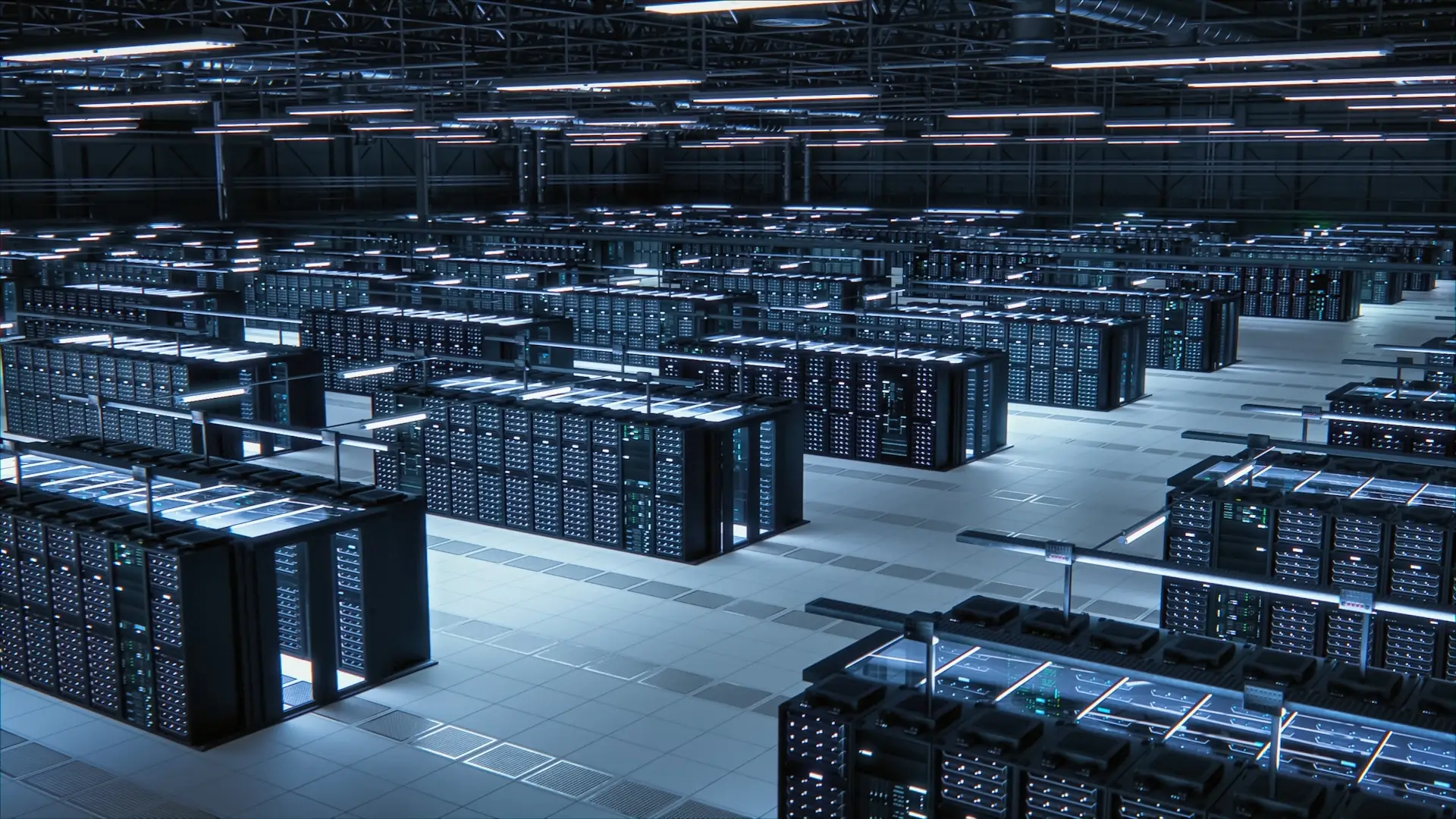
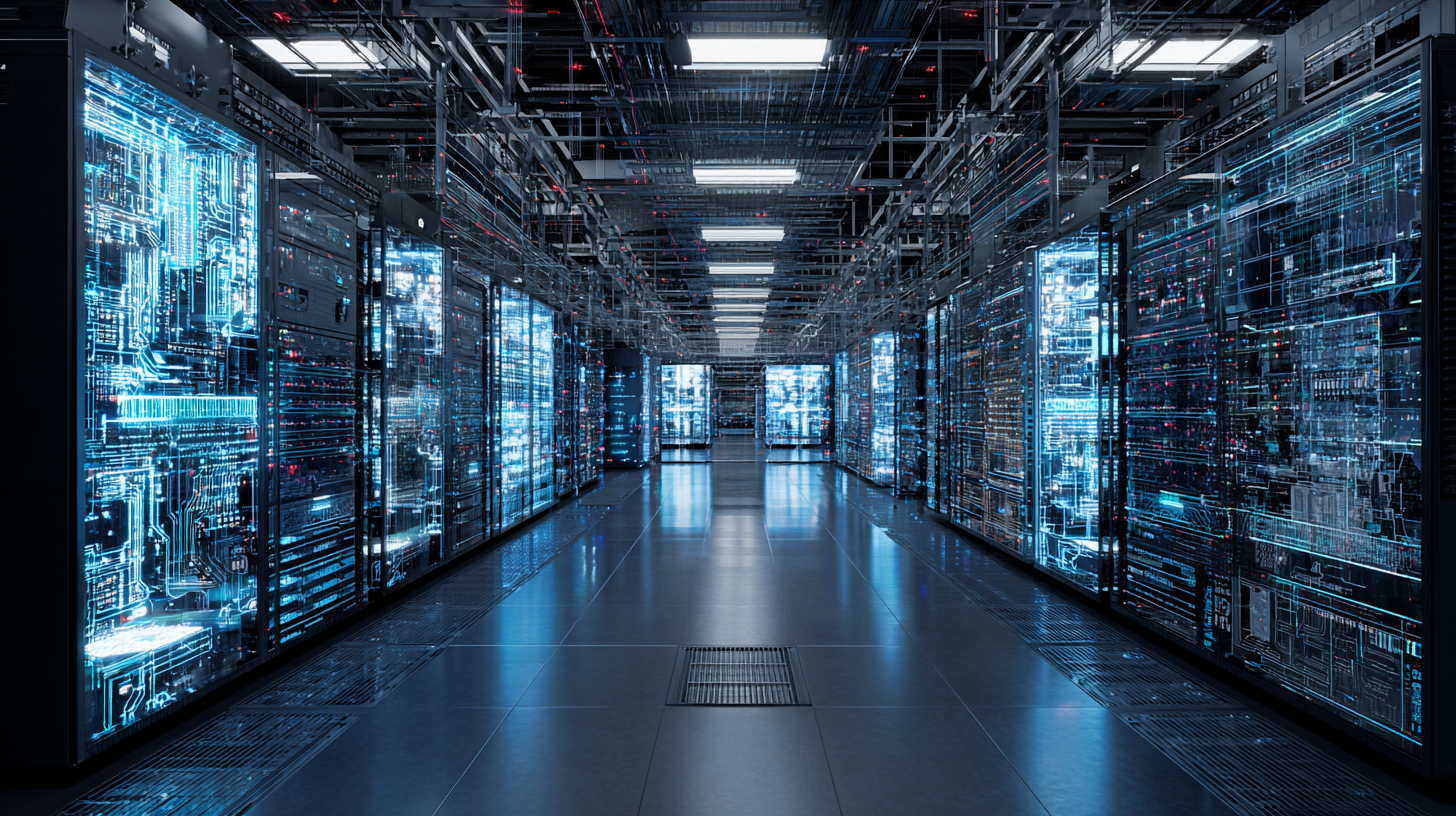
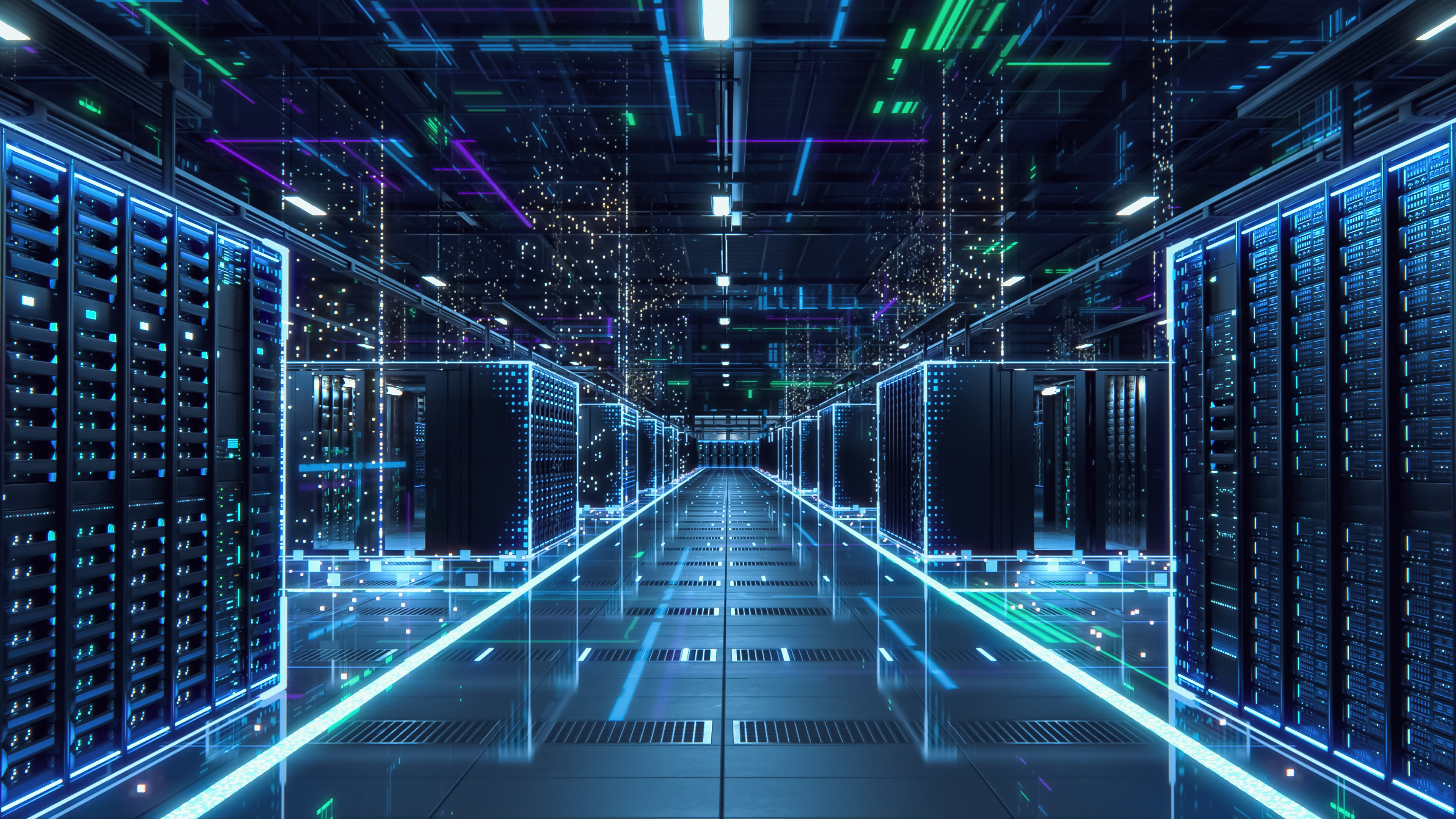
人工智能数据中心(有时也被称为AI工厂)是一种专门为人工智能(AI)和机器学习模型的训练及推理等计算密集型任务设计的专用数据中心设施。与通用数据中心不同,它们针对AI工作负载的并行处理需求进行了优化,通常采用AI加速器(如GPU、TPU)和高速互连等硬件设备。
2020年代人工智能热潮期间,全球范围内建设此类专用设施的进程显著加速。这种需求重塑了供应链格局,促使内存制造商优先生产AI服务器必需的高带宽内存(HBM),进而引发全球内存供应短缺,并催生了对先进芯片、电力资源及基础设施的更广泛竞争。
Ein KI-Rechenzentrum (manchmal auch als KI-Fabrik bezeichnet) ist eine spezialisierte Rechenzentrumsanlage, die für die rechenintensiven Aufgaben des Trainings und der Inferenz für Modelle der künstlichen Intelligenz (KI) und des maschinellen Lernens ausgelegt ist. Im Gegensatz zu Allzweck-Rechenzentren sind sie für die Anforderungen der parallelen Verarbeitung von KI-Workloads optimiert und verwenden in der Regel Hardware wie KI-Beschleuniger (z. B. GPUs, TPUs) und Hochgeschwindigkeitsverbindungen.
Der weltweite Trend zum Bau dieser spezialisierten Einrichtungen hat sich während des KI-Booms der 2020er Jahre dramatisch beschleunigt. Diese Nachfrage hat die Lieferketten verändert und die Speicherhersteller dazu veranlasst, der Produktion von High Bandwidth Memory (HBM), das für KI-Server unerlässlich ist, Vorrang einzuräumen, was zu einer weltweiten Verknappung des Speicherangebots geführt und einen breiteren Wettbewerb um fortschrittliche Chips, Strom und Infrastruktur ausgelöst hat.
 Energy resource
 Financial
Financial
Financial
 *Brazil economic data
Financial
*China economic data
Financial
*Germany economic data
Financial
*European Union economic data
Financial
*France economic data
Financial
*India economic data
Financial
*Indonesia economic data
Financial
*Italy economic data
Financial
*Japan economic data
Financial
*Canada economic data
Financial
*Russia economic data
Financial
*United States economic data
Financial
*United Kingdom economic data
IT-Times
IT-Times
Artificial Intelligence
IT-Times
****Large-scale computing center
*Brazil economic data
Financial
*China economic data
Financial
*Germany economic data
Financial
*European Union economic data
Financial
*France economic data
Financial
*India economic data
Financial
*Indonesia economic data
Financial
*Italy economic data
Financial
*Japan economic data
Financial
*Canada economic data
Financial
*Russia economic data
Financial
*United States economic data
Financial
*United Kingdom economic data
IT-Times
IT-Times
Artificial Intelligence
IT-Times
****Large-scale computing center
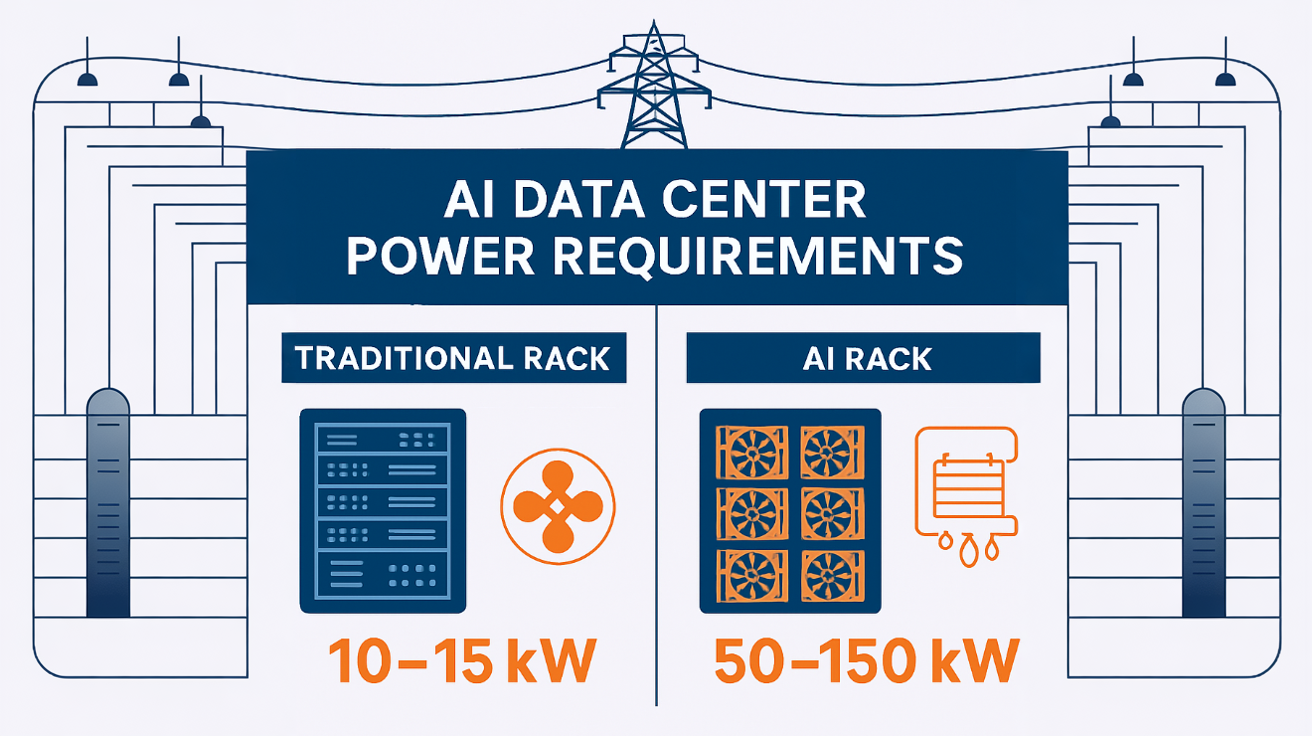
AI data centers operate at power densities that would have been unimaginable just five years ago. While traditional facilities might support 10–15 kilowatts per rack, modern AI installations require 50–150 kilowatts per rack to accommodate dense GPU configurations. This fundamental shift has forced infrastructure providers to completely rethink electrical distribution, cooling systems, and facility design.
The most advanced AI facilities now feature specialized power delivery systems, including high-voltage distribution and direct current power supplies that improve efficiency while reducing space requirements. These technical innovations have become competitive differentiators, with some providers achieving 95% power usage effectiveness ratings through careful engineering and renewable energy integration.
传统设施每机架的功率可能仅为10至15千瓦,而现代人工智能设施为满足高密度GPU配置的需求,每机架需达到50至150千瓦。这一根本性转变迫使基础设施提供商彻底重新思考电力分配、冷却系统及设施设计。
目前最先进的AI设施配备了专门的供电系统,包括高压配电和直流电源,这些系统在提高效率的同时还减少了空间需求。这些技术创新已成为竞争差异化因素,部分供应商通过精心设计和可再生能源整合,实现了95%的电源使用效率(PUE)评级。
Andrej Plenković
António Guterres
Emmanuel Macron
France
 Ile-de-France
Justin Trudeau
Kyriakos Mitsotakis
Narendra Modi
Olaf Scholz
Petr Pavel
Ulf Kristersson
Ursula von der Leyen
Ile-de-France
Justin Trudeau
Kyriakos Mitsotakis
Narendra Modi
Olaf Scholz
Petr Pavel
Ulf Kristersson
Ursula von der Leyen


 Companies


 Education and Research

认知计算是指基于人工智能和信号处理的系统平台。这些平台涉及机器学习、自动推理、自然语言处理、语音识别和计算机视觉、人机交互等技术。
Cognitive computing refers to technology platforms that, broadly speaking, are based on the scientific disciplines of artificial intelligence and signal processing. These platforms encompass machine learning, reasoning, natural language processing, speech recognition and vision (object recognition), human–computer interaction, dialog and narrative generation, among other technologies.