
Deutsch-Chinesische Enzyklopädie, 德汉百科
 Art
Art


斐迪南三世/四世(Ferdinand III,1608年7月13日—1657年4月2日),哈布斯堡王朝的神圣罗马皇帝(1637年-1657年在位),匈牙利国王(1625年-1657年)和波希米亚国王(1627年-1657年)。他也是奥地利大公和史泰利亚公爵,称斐迪南四世。
斐迪南三世是斐迪南二世的长子,生于格拉茨。他的母亲是斐迪南二世的第一任妻子巴伐利亚的玛丽亚·安娜。作为皇帝,他的统治主要是与震撼欧洲的三十年战争联系在一起。
在1634年帝国统帅阿尔布雷赫特·冯·瓦伦斯坦被皇帝指使的军官们杀害后,当时是奥地利大公的斐迪南被任命为参加三十年战争的帝国军队名义上的首脑。但是斐迪南在当时的宫廷中是属于主和派,他在促成帝国政府与德意志新教诸侯(尤其是萨克森)达成和解方面发挥了一些作用。斐迪南参与了1635年的布拉格和约谈判。
1637年父皇去世后,斐迪南三世继承了神圣罗马帝国的皇位。由于整个德意志已经在战争中弄得民尽财穷,斐迪南三世急切希望能与最主要的参战国瑞典及其财政上的支持者法国实现和平,即使不得不在宗教问题上作出让步。但是他不遂所愿。战火继续蹂躏了德国11年,直到双方都筋疲力尽,在1648年终于签署了威斯特伐利亚和约。
Ferdinand III. (* 13. Juli 1608 in Graz; † 2. April 1657 in Wien), geboren als Ferdinand Ernst, Erzherzog von Österreich aus dem Hause Habsburg, war vom 15. Februar 1637 bis zu seinem Tode 1657 römisch-deutscher Kaiser, zudem bereits seit 1625 bzw. 1627 König von Ungarn, Kroatien und Böhmen.[1]
Ferdinand III. trat während des Dreißigjährigen Krieges die Herrschaft als Kaiser an und war bereits seit dem 2. Mai 1634 Oberbefehlshaber des Heeres. In seine Regierungszeit fällt der Niedergang des unter seinem Vater gesteigerten kaiserlichen Machtanspruchs. Er wollte den Krieg früh beenden, sah sich aber nach militärischen Niederlagen und vor dem Hintergrund nachlassender Macht gezwungen, in vielen Punkten auf bisherige Positionen der Habsburger zu verzichten. Er gab damit den lang verzögerten Weg zum Westfälischen Frieden frei, obwohl die kaiserliche Macht nach dem Friedensschluss schwächer war als vor dem Krieg. In Böhmen, Ungarn und den österreichischen Erblanden war die Stellung von Ferdinand als Landesherr allerdings stärker als zuvor.
Ferdinand war der erste Herrscher aus dem Hause Habsburg, der auch als Komponist hervortrat.
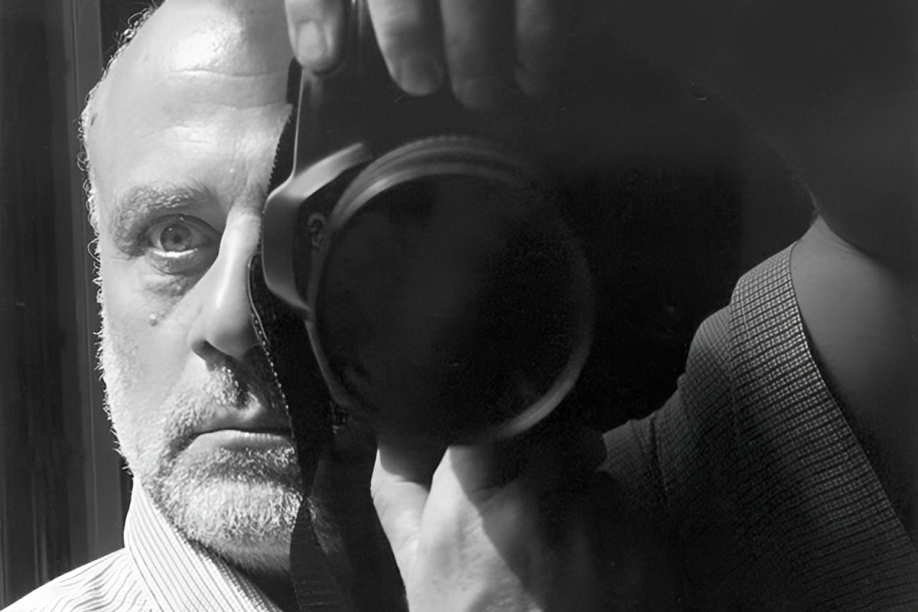
费尔迪南多·希安纳(1943年7月4日出生)是意大利摄影师。希安纳于1966年荣获纳达尔奖,并于1989年成为玛格南图片社正式成员。他出版过多部摄影著作。
Ferdinando Scianna (4. Juli 1943) ist ein italienischer Fotograf. Scianna gewann 1966 den Prix Nadar und wurde 1989 Vollmitglied von Magnum Photos. Er hat zahlreiche Bücher veröffentlicht.

约瑟夫·费尔南·亨利·莱热(法语:Joseph Fernand Henri Léger,法语发音:[fɛʁnɑ̃ leʒe];1881年2月4日—1955年8月17日),法国画家、雕塑家、电影导演。早年由印象派、野兽派转入立体派,1909年与罗贝尔·德洛奈一起倡导“由反差引起的自由色彩之战”。
Fernand Léger [leʒe] (* 4. Februar 1881 in Argentan in der Normandie; † 17. August 1955 in Gif-sur-Yvette bei Paris) war ein französischer Maler, Bildhauer, Grafiker, Keramiker und Filmregisseur. Sein Frühwerk wird dem Kubismus zugeordnet. In seinen Werken nach dem Zweiten Weltkrieg veränderte sich sein malerischer Stil. Ab den 1920er Jahren integrierte er zunehmend figurative Elemente in seine Gemälde. Légers Spätwerk hatte Einfluss auf die amerikanischen Maler der Pop Art, etwa Roy Lichtenstein.

 Ile-de-France

 China
Gansu Provincial Museum
Gansu Sheng-GS
Art
China
Gansu Provincial Museum
Gansu Sheng-GS
Art
 CF - Chinese Art 221 BC - 220 AD
Art
*Chinese bronze art
CF - Chinese Art 221 BC - 220 AD
Art
*Chinese bronze art

Бронзовая статуэтка лошади была найдена в 1969 году под храмом Лэйтай, расположенным в городском округе Увэй провинции Ганьсу[1], и является самой знаменитой исторической реликвией провинции[2]. Захоронение, в котором она была обнаружена, датируется периодом Восточная Хань, относится к 25—220 гг. н. э. Статуэтка имеет размеры 45×10×34,5 см[3]. Она является экспонатом музея провинции Ганьсу в городе Ланьчжоу[4]. Лошадь предстаёт перед нами в полёте, опирающейся одной ногой на летящую ласточку. По замечанию А.Н. Желоховцева, в статуэтке есть что-то близкое к скульптуре Древней Греции[5]. Если предположить, что автор статуэтки хотел изобразить галоп, то положение ног передано неверно[6].
В 1983 году Национальное управление по туризму КНР выбрало статуэтку «Летящая лошадь» в качестве своего символа. Это управление присуждает китайским городам звание лучшего туристического города Китая. При этом в городе, получившем это звание, нередко устанавливается памятник, изображающий статуэтку «Летящая лошадь» над земным шаром. Например, в 2000 году звание лучшего туристического города Китая было присвоено китайскому городу Суйфэньхэ[1].
Национальное управление культурного наследия КНР включило «Летящую лошадь» в первоначальный список из 64 культурных реликвий, которые запрещается вывозить для показа за пределами КНР[7].


HergestelltInfo
wer Johann Melchior Kambly (1718-1782) Zur Personenseite: Johann Melchior Kambly (1718-1782)
wann 1765 [circa]
wo Potsdam
 Architecture
FIFA Fussball-Weltmeisterschaft 1990
Architecture
FIFA Fussball-Weltmeisterschaft 1990
 History
 International cities
*European Capital of Culture
Italy
Art
International cities
*European Capital of Culture
Italy
Art
 Toscana
Florenz
Toscana
Florenz
 Cities founded by the Romans
 World Heritage

佛罗伦萨曾经长期处于美第奇家族控制之下,是欧洲中世纪重要的文化、商业和金融中心,并曾一度是意大利统一后的首都(1865-1871年)。
佛罗伦萨被认为是文艺复兴运动的诞生地,艺术与建筑的摇篮之一,拥有众多的历史建筑,和藏品丰富的博物馆(诸如乌菲兹美术馆、学院美术馆、 巴杰罗美术馆、碧提宫内的帕拉提那美术馆等)。历史上有许多文化名人诞生、活动于此地,比较著名的有诗人但丁、画家列奥纳多·达·芬奇、米开朗基罗、政治理论家马基维利、雕塑家多纳太罗等。佛罗伦萨历史中心被列为世界文化遗产。
Florenz (italienisch Firenze [fiˈrεnʦe]) ist eine italienische Großstadt mit 382.258 Einwohnern (Stand 31. Dezember 2016). In der Metropolregion leben etwa eine Million Menschen. Florenz ist Hauptstadt sowie größte Stadt der Toskana und der Metropolitanstadt Florenz. In Italien ist Florenz die nach Einwohnern achtgrößte Stadt.
Florenz ist für seine Geschichte berühmt. Als Zentrum des spätmittelalterlichen europäischen Handels- und Finanzwesens war es eine der reichsten Städte des 15. und 16. Jahrhunderts. Florenz gilt als die Wiege der Renaissance. Aufgrund seiner kulturellen Bedeutung – insbesondere für die bildende Kunst – wird es schon seit dem 19. Jahrhundert auch als das „italienische Athen“ bezeichnet.[2][3][4][5]
Durch die mächtige Dynastie der Familie Medici stieg Florenz in der Renaissance zu einer der florierendsten Metropolen Europas auf. Zahlreiche Kunstschaffende und Geistliche waren hier beheimatet: Leonardo da Vinci verbrachte große Teile seiner Jugend in Florenz, Michelangelo fand Unterschlupf in der Kirche der Medici, Galileo Galilei wohnte als Hofmathematiker in den Palästen der Medici. Von 1865 bis 1870 war die Stadt die Hauptstadt des neu gegründeten Königreichs Italien.
Das historische Zentrum von Florenz zieht Jahr für Jahr Millionen von Touristen an. Euromonitor International platziert die Stadt mit fast 4,2 Millionen Besuchern im Jahr 2015 weltweit an 40. Stelle unter den meist besuchten Städten.[6] Die historische Innenstadt wurde von der UNESCO im Jahre 1982 zum Weltkulturerbe erklärt. Aufgrund des künstlerischen und architektonischen Erbes hat das Forbes Magazine Florenz als eine der schönsten Städte der Welt ausgewählt.[7] Hingewiesen wird vor allem auf den Reichtum an Museen, Palästen und Denkmälern.
フィレンツェ(イタリア語: Firenze ( 音声ファイル))は、イタリア共和国中部にある都市で、その周辺地域を含む人口約38万人の基礎自治体(コムーネ)。トスカーナ州の州都、フィレンツェ県の県都である。
中世には毛織物業と金融業で栄え、フィレンツェ共和国としてトスカーナの大部分を支配した。メディチ家による統治の下、15世紀のフィレンツェはルネサンスの文化的な中心地となった。
市街中心部は「フィレンツェ歴史地区」としてユネスコの世界遺産に登録されている。1986年には欧州文化首都に選ばれた。
Florence (/ˈflɒrəns/ FLORR-ənss; Italian: Firenze [fiˈrɛntse] ( listen))[2] is the capital city of the Italian region of Tuscany. It is the most populous city in Tuscany, with 383,084 inhabitants in 2013, and over 1,520,000 in its metropolitan area.[3]
Florence was a centre of medieval European trade and finance and one of the wealthiest cities of that era.[4] It is considered the birthplace of the Renaissance, and has been called "the Athens of the Middle Ages".[5] A turbulent political history includes periods of rule by the powerful Medici family and numerous religious and republican revolutions.[6] From 1865 to 1871 the city was the capital of the recently established Kingdom of Italy. The Florentine dialect forms the base of Standard Italian and it became the language of culture throughout Italy[7] due to the prestige of the masterpieces by Dante Alighieri, Petrarch, Giovanni Boccaccio, Niccolò Machiavelli and Francesco Guicciardini.
The city attracts millions of tourists each year, and the Historic Centre of Florence was declared a World Heritage Site by UNESCO in 1982. The city is noted for its culture, Renaissance art and architecture and monuments.[8] The city also contains numerous museums and art galleries, such as the Uffizi Gallery and the Palazzo Pitti, and still exerts an influence in the fields of art, culture and politics.[9] Due to Florence's artistic and architectural heritage, it has been ranked by Forbes as one of the most beautiful cities in the world.[10]
Florence is an important city in Italian fashion,[9] being ranked in the top 15 fashion capitals of the world;[11] furthermore, it is a major national economic centre,[9] as well as a tourist and industrial hub. In 2008, the city had the 17th highest average income in Italy.[12]
Florence (en italien : Firenze, prononcé /fi'rɛnʦe/) est la huitième ville d'Italie par sa population, capitale de la région de Toscane et siège de la ville métropolitaine de Florence.
Berceau de la Renaissance en Italie, capitale du royaume d'Italie entre 1865 et 1870, inscrit sur la liste du patrimoine mondial de l'UNESCO au titre du Centre historique de Florence, la ville présente une richesse artistique exceptionnelle (églises, musées, palais), et est devenue un grand centre touristique.
Firenze (AFI: /fiˈrεnʦe/[4]; ; in epoca medievale e nel linguaggio poetico anche Fiorenza, /fjoˈrɛnʦa/[5][6]; Florentia in latino) è un comune italiano di 380 005 abitanti, capoluogo della Toscana e centro della propria città metropolitana con una popolazione di 1 012 307 abitanti. È l'ottavo comune italiano per popolazione e il primo[7] della Toscana.
La città di Firenze è il cuore dell'area metropolitana Firenze - Prato - Pistoia, una conurbazione che conta oltre 1 520 000 abitanti[8][9].
Nel Medioevo è stata un importante centro artistico, culturale, commerciale, politico, economico e finanziario. Nell'età moderna ha ricoperto il ruolo di capitale del Granducato di Toscana, dal 1569 al 1859, con il governo delle famiglie dei Medici e dei Lorena.
Nel 1865 Firenze fu proclamata capitale del Regno d'Italia (seconda, dopo Torino). La città mantenne questo status fino al 1871, anno che segna la fine del Risorgimento.
Importante centro universitario e patrimonio dell'umanità UNESCO, è considerata luogo d'origine del Rinascimento ed è universalmente riconosciuta come una delle culle dell'arte e dell'architettura, nonché rinomata come una delle più belle città del mondo, grazie ai suoi numerosi monumenti e musei – tra cui il Duomo, Santa Croce, Santa Maria Novella, gli Uffizi, Ponte Vecchio, Piazza della Signoria, Palazzo Vecchio e Palazzo Pitti.
Florencia (Firenze en italiano) es una ciudad situada en el norte de la región central de Italia, capital y ciudad más poblada de la Ciudad metropolitana homónima y de la región de Toscana, de la que es su centro histórico, artístico, económico y administrativo. Cuenta con unos 378 236 habs.,2 y es el centro de un área metropolitana de aproximadamente un millón y medio de habitantes.
Capital de Italia entre 1865 y 1871 durante la Unificación italiana, en la edad media fue un importante centro cultural, económico y financiero. Conoció su época de mayor esplendor tras la instauración del Gran Ducado de Toscana bajo el dominio de la dinastía Médici.
Florencia es el núcleo urbano en el que se originó en la segunda mitad del siglo XIV el movimiento artístico denominado Renacimiento, y se la considera una de las cunas mundiales del arte y de la arquitectura así como también una de las ciudades más hermosas del mundo. Su centro histórico fue declarado Patrimonio de la Humanidad en 19823 y en él destacan obras medievales y renacentistas como la cúpula de Santa María del Fiore, el Ponte Vecchio, la Basílica de Santa Cruz, el Palazzo Vecchio y museos como los Uffizi, el Bargello o la Galería de la Academia, que acoge al David de Miguel Ángel.
Флоре́нция (итал. Firenze [fiˈrɛnʦe], лат. Florentia) — итальянский город на реке Арно, в прошлом — центр Флорентийской республики, столица герцогов Медичи и Итальянского королевства. Ныне административный центр региона Тоскана. Население — 382 347 человек (2017)[2].
Несмотря на удалённость от моря и постоянные политические волнения, Флоренция XIII—XVII веков внесла грандиозный вклад в развитие европейской и мировой цивилизации. Город дал миру таких гигантов, как Леонардо да Винчи, Микеланджело, Донателло, Никколо Макиавелли, Данте и Галилея. Местный диалект лёг в основу литературного итальянского языка, флорентийская монета стала эталоном для всей Европы, флорентийские художники разработали законы перспективы, флорентийский мореплаватель Америго Веспуччи дал своё имя двум континентам, а флорентийские мыслители положили начало эпохе Ренессанса, в связи с чем Флоренция по праву носит имя «Колыбель Возрождения».
Флоренция является важным городом итальянской моды[3] и была удостоена 31[4] места в рейтинге модных столиц мира. Кроме того, Флоренция — это национальный экономический, туристический и индустриальный центр Италии[3], который в 2008 году занял семнадцатое место в списке итальянских городов с наибольшей прибылью.[5]