
Deutsch-Chinesische Enzyklopädie, 德汉百科
 Spanien

 Architektur
 Madrid
 Musik
Musik

 Unternehmen
 Energieressource


 IT-Times

 Geographie
 Islas Canarias

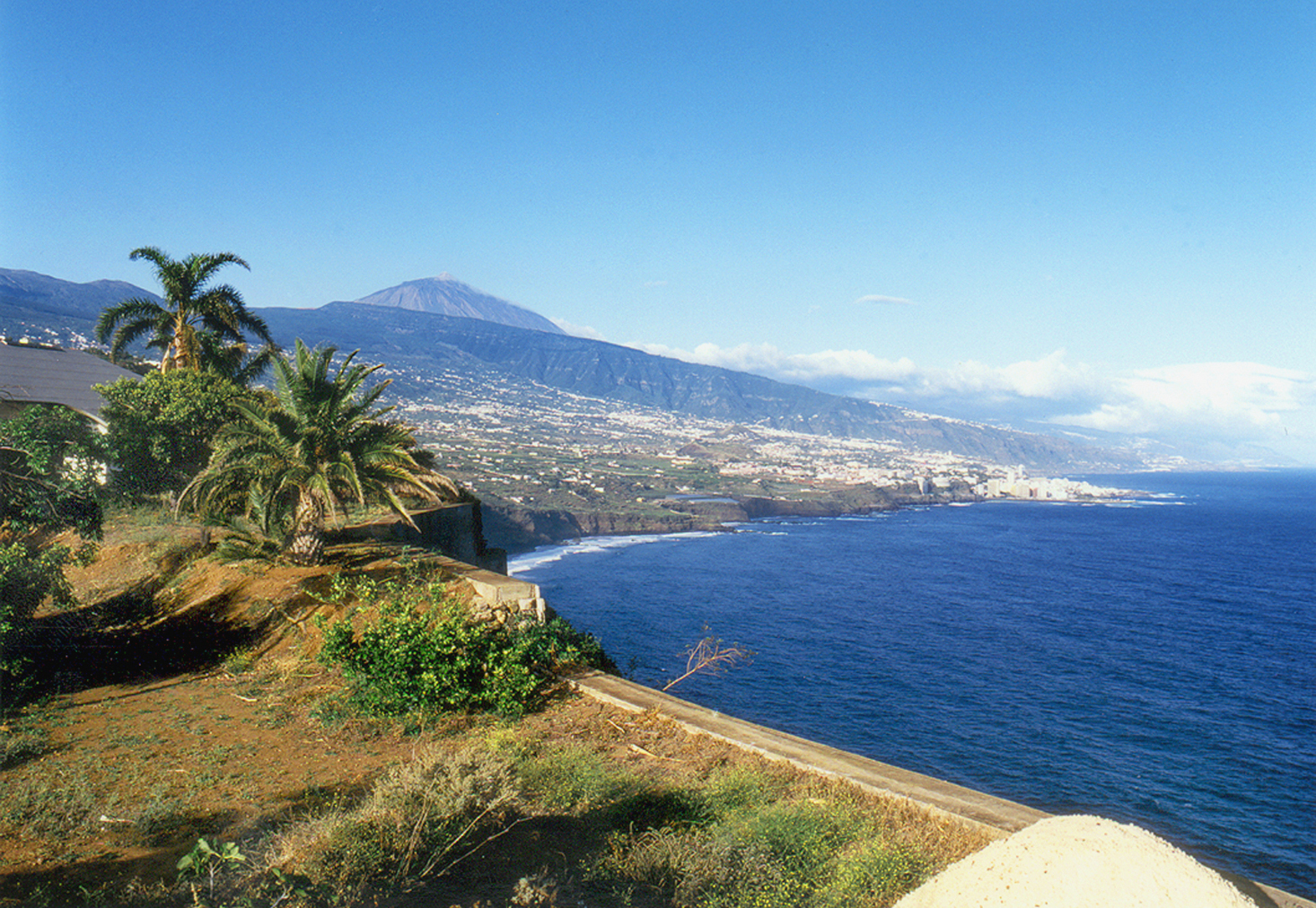
它位于北纬28°19,西经16°34,面积2,034平方公里。和加那利群岛中其它岛屿一样,它也是由火山形成的。西班牙最高的点泰德峰(Teide,3,718米),就在这个岛上。
岛上的第一批居民是关切人,岛内后来被西班牙征服者征服。特内里费岛划分为31个市镇。
特内里费岛是加那利群岛中人口最多的一个岛,总共有928,604名居民(2020年)[2]。本岛是该群岛主要的旅游地,每年来游玩的游客超过500万。岛上有两个国际港口和国际机场(特内里费北部机场和特内里费南部机场)。 该岛是加那利群岛最大的经济体,在该群岛的GDP(国内生产总值)领先 [4]。
 Internationale Städte
 Aragón
 Weltkulturerbe
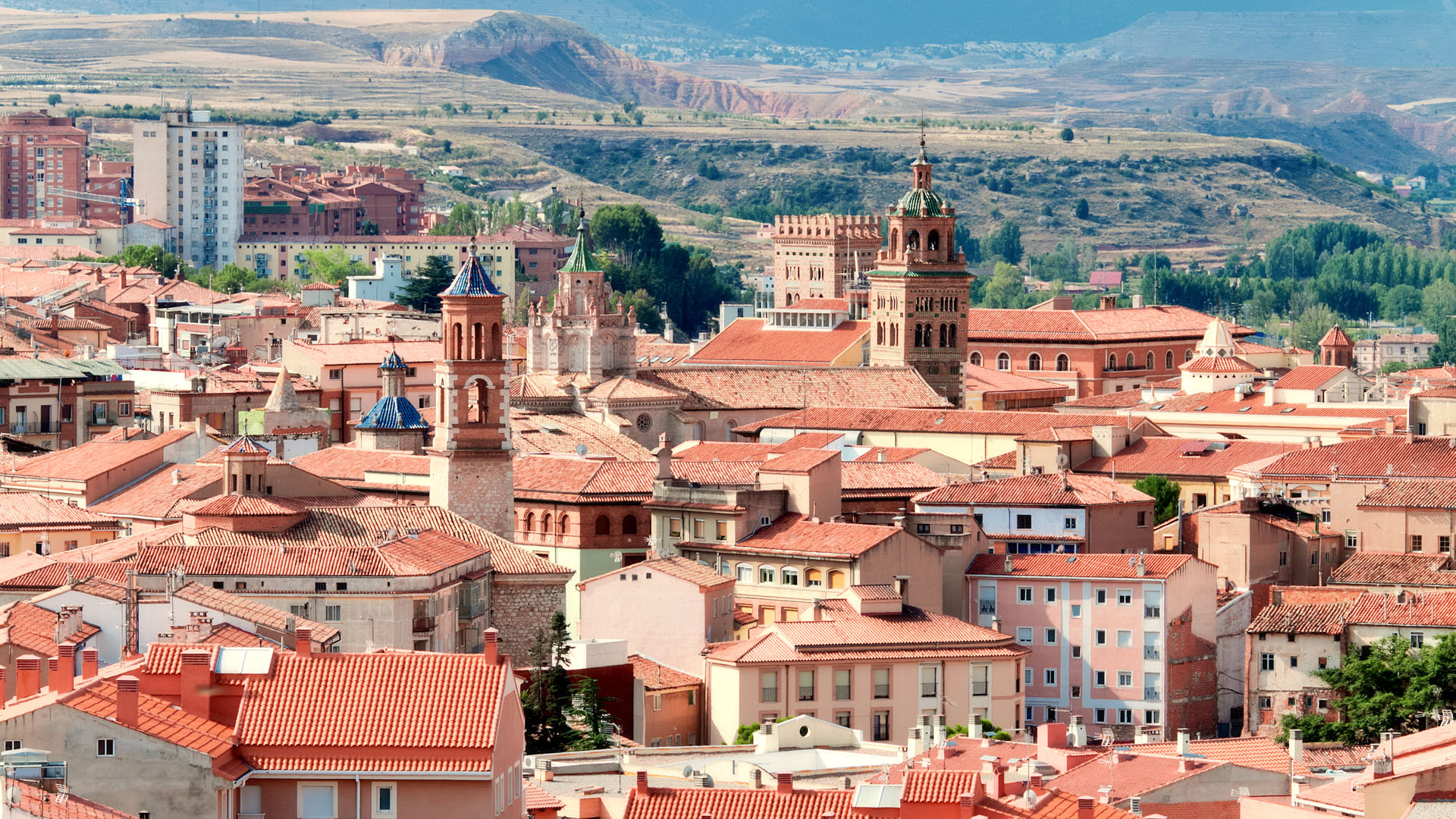 China
Dänemark
Niederlande
China
Dänemark
Niederlande
 Schiffe und Nautik
Schweden
Spanien
Schiffe und Nautik
Schweden
Spanien
 Sport
Sport
 The Ocean Race
Türkei
Vereinigte Arabische Emirate
The Ocean Race
Türkei
Vereinigte Arabische Emirate

The Ocean Race (vormals Volvo Ocean Race, davor The Whitbread Round the World Race) ist eine seit 1973 alle vier und seit 2006 alle drei Jahre durchgeführte Segelregatta, die einmal um die ganze Welt verläuft. Die Regatta startet im Herbst in Europa, die weitere Route führt durch den Atlantik, umrundet Afrika am Kap der Guten Hoffnung, führt durch den Indischen Ozean über den Südpazifik und rund um Kap Horn nach Süd- und Nordamerika und von dort wieder zurück nach Europa. Aufgrund der Wind- und Wetterverhältnisse, vor allem im Südpazifik (Wellenhöhen von 30 m und Windgeschwindigkeiten von 110 km/h), gilt die Regatta als eine der härtesten Herausforderungen im Segelsport. Die Regatta wird in Etappen (englisch leg bzw. legs) durchgeführt. Insgesamt sind je nach Anzahl und Wahl der Etappenziele 24.000 Seemeilen (etwa 45.000 km) bis 45.000 Seemeilen (etwa 72.000 km) zurückzulegen.
环球帆船赛(前身为沃尔沃环球帆船赛,后改为惠特布莱德环球帆船赛)是一项帆船赛事,自 1973 年起每四年举办一次,自 2006 年起每三年举办一次,环游世界。帆船赛从秋季的欧洲开始,其余路线穿过大西洋,在好望角绕过非洲,穿过印度洋,横跨南太平洋,绕过合恩角到达南美洲和北美洲,然后从那里返回欧洲。由于风力和天气条件,尤其是南太平洋的风力和天气条件(浪高 30 米,风速 110 公里/小时),帆船赛被认为是帆船运动中最艰巨的挑战之一。帆船赛按赛段组织。根据赛段的数量和选择,总航程从 24,000 海里(约 45,000 公里)到 45,000 海里(约 72,000 公里)不等。
 Castilla-La Mancha
 Mittelalterliche Städte in Europa

Toledo (spanisch [toˈleðo]) ist die Hauptstadt der spanischen Provinz Toledo sowie der autonomen Region Kastilien-La Mancha und liegt 65 km südsüdwestlich von Madrid am Fluss Tajo. Die Stadt hatte am 1. Januar 2017 83.741 Einwohner und ist Sitz des Erzbistums Toledo. Zusammen mit Segovia und Ávila gehört sie zu den drei historischen Metropolen in der Umgebung der spanischen Hauptstadt Madrid.
托莱多(西班牙语:Toledo,西班牙语:[toˈleðo]),又称杜丽多,是西班牙中部的一个自治市,位于马德里西南约70公里。托莱多是托莱多省的首府,也是其所在的卡斯蒂利亚-拉曼恰自治区的首府。该市2017年人口83,741人[1]。
托莱多始于罗马时期,在腓力二世前为卡斯蒂利亚王国(后西班牙王国)首都。它因其保存完好的基督教、伊斯兰教和犹太教建筑而在1986年被评为世界文化遗产,有哥特式、摩尔式、巴洛克式和新古典式各类教堂、寺院、修道院、王宫、城墙、博物馆等古建筑70多处。
トレド(Toledo)はスペイン・カスティーリャ=ラ・マンチャ州のムニシピオ(基礎自治体)。カスティーリャ=ラ・マンチャ州の州都であり、トレド県(人口約60万人)の県都である。マドリードから南に71kmの距離で、タホ川に面する。
かつての西ゴート王国の首都であり、中世にはイスラム教・ユダヤ教・キリスト教の文化が交錯した地である。「町全体が博物館」と言われ、タホ川に囲まれた旧市街は世界遺産に登録されている[3]。また、ルネサンス期のスペインを代表するギリシア人画家のエル・グレコが活躍した町としても有名。金銀細工の伝統工芸品「ダマスキナード」がある[4]。
Toledo (Spanish: [toˈleðo]) is a city and municipality located in central Spain; it is the capital of the province of Toledo and the autonomous community of Castile–La Mancha. Toledo was declared a World Heritage Site by UNESCO in 1986 for its extensive monumental and cultural heritage.
Toledo is known as the "Imperial City" for having been the main venue of the court of Charles V, Holy Roman Emperor, and as the "City of the Three Cultures" for the cultural influences of Christians, Muslims and Jews reflected in its history. It was also the capital from 542 to 725 AD of the ancient Visigothic kingdom, which followed the fall of the Roman Empire, and the location of historic events such as the Visigothic Councils of Toledo. Toledo has a long history in the production of bladed weapons, which are now popular souvenirs of the city.
People who were born or have lived in Toledo include Brunhilda of Austrasia, Al-Zarqali, Garcilaso de la Vega, Eleanor of Toledo, Alfonso X, Israeli ben Joseph, Halevi and El Greco. As of 2015, the city had a population of 83,226.[1] and an area of 232.1 km2 (89.6 sq mi).
Tolède (en espagnol Toledo) est une ville du centre de l’Espagne, capitale de la province du même nom et de la communauté autonome de Castille-La Manche.
Toledo (85.000 abitanti circa, toledani, in spagnolo toledanos) è una città situata nel centro-sud della Spagna, appartenuta all'antico Regno di Castiglia che aveva come capitale la città di Burgos. Attualmente è capoluogo dell'omonima provincia e della Comunità Autonoma di Castiglia-La Mancia. Per tradizione l'arcidiocesi di Toledo, la più importante del Paese, è sede primaziale, cioè all'arcivescovo di Toledo spetta il titolo di Primate di Spagna.
Toledo es un municipio y ciudad de España, capital de la provincia homónima y de la comunidad autónoma de Castilla-La Mancha. Es conocida como «La ciudad Imperial» por haber sido la sede principal de la corte de Carlos I5 y también como «la ciudad de las tres culturas», por haber estado poblada durante siglos por cristianos, judíos y musulmanes. Toledo, con 83 741 habitantes (INE 2017), es el municipio más poblado de la provincia y el tercero de la comunidad autónoma de Castilla La Mancha , tras Albacete y Guadalajara.
El casco histórico está situado en la margen derecha del Tajo, en una colina de cien metros de altura sobre el río, el cual la ciñe por su base, formando un pronunciado meandro conocido como «Torno del Tajo». El municipio cuenta con barrios muy separados del núcleo principal: el de Azucaica, en la orilla derecha del río, que tiene su origen en una antigua pedanía de la ciudad, dista unos 7 km del centro de la ciudad, mientras que el de Santa María de Benquerencia, situado prácticamente enfrente del anterior en la margen izquierda del Tajo, sitúa su centro a unos 8 km del de la ciudad. El municipio es considerado individualmente como una comarca en la división realizada por la Diputación Provincial,6 aunque desde un punto de vista estrictamente de geografía física la ciudad es puerta de la comarca natural de La Sagra, que tradicionalmente se ha considerado que comenzaba en la propia puerta de Bisagra.7
La historia de la ciudad se remonta a la Edad del Bronce. Fue un importante centro carpetano hasta su conquista romana en 193 a. C. y quedan diversos restos de la actividad romana en la ciudad, como el acueducto o el circo. Tras las invasiones germánicas, la ciudad se convertiría con Leovigildo en capital y, posteriormente, en principal sede eclesiástica del Reino visigodo. En el año 711, después de una resistencia moderada, Toledo fue conquistada por los musulmanes dirigidos por Táriq ibn Ziyad. Durante el dominio musulmán, la antigua capital visigoda se caracterizó por su oposición e individualismo, concretado en la Taifa de Toledo. Alfonso VI reconquistó la ciudad en 1085. Durante la Edad Moderna la ciudad destacó como sede de los Reyes Católicos y por su participación en la guerra de las Comunidades de Castilla. Al trasladarse la corte a Madrid en 1561 la ciudad entró en decadencia, acentuada por la crisis económica del momento. Ya en época contemporánea, su alcázar se convirtió en un símbolo de la Guerra Civil debido a su asedio y defensa. En 1983 se convirtió en capital de Castilla-La Mancha, manteniendo la capitalidad de la provincia de Toledo.
Tradicionalmente, la industria metalúrgica ha sido la base económica, sobre todo por la fabricación de espadas y cuchillos. En la actualidad la gran mayoría de la población se dedica al sector servicios, que también refleja el mayor número de parados. En cuanto a infraestructuras, la ciudad cuenta con diversas carreteras, incluida una autopista de peaje. Existe una línea de ferrocarril AVANT (Renfe) que conecta Toledo-Madrid en 33 minutos. Cuenta además con diversas infraestructuras sanitarias, incluido un Hospital Nacional de Parapléjicos, deportivas y militares, como la Academia de Infantería.
Toledo es Patrimonio de la Humanidad desde 1986 y entre sus edificios se destacan la catedral de Santa María, de estilo gótico del siglo XIII, y el monasterio de San Juan de los Reyes, gótico isabelino del siglo XV. La ciudad ha sido lugar de nacimiento o residencia de artistas como Garcilaso de la Vega o el Greco.
 Fest- und Feiertage
 Comunidad Valenciana

 Cataluña


Alsace
Andorra
 Auvergne-Rhône-Alpes
Belgien
Auvergne-Rhône-Alpes
Belgien
 Bourgogne-Franche-Comté
Champagne-Ardenne
Dänemark
Deutschland
England
Franche-Comté
Frankreich
Bourgogne-Franche-Comté
Champagne-Ardenne
Dänemark
Deutschland
England
Franche-Comté
Frankreich
 Grand Est
 Hauts-de-France
 Ile-de-France
Italien
Lorraine
Nord-Pas-de-Calais
Ile-de-France
Italien
Lorraine
Nord-Pas-de-Calais
 Nordrhein-Westfalen
 Nouvelle-Aquitaine
 Okzitanien
Schweiz
Spanien
Okzitanien
Schweiz
Spanien
 Toscana
Tour de France 2015
Tour de France 2016
Tour de France 2017
Tour de France 2018
UCI World Tour
Vereinigtes Königreich
Toscana
Tour de France 2015
Tour de France 2016
Tour de France 2017
Tour de France 2018
UCI World Tour
Vereinigtes Königreich
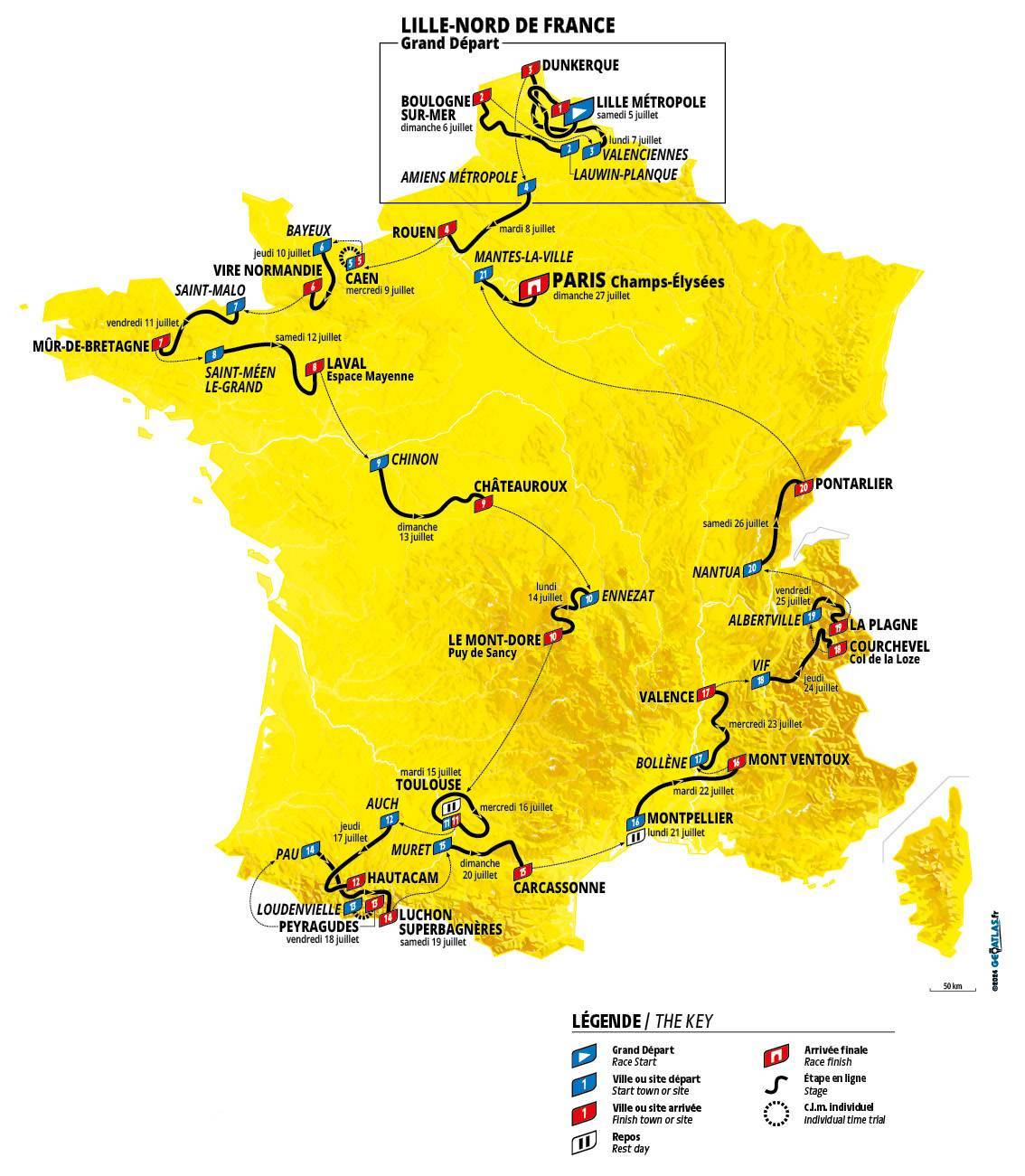
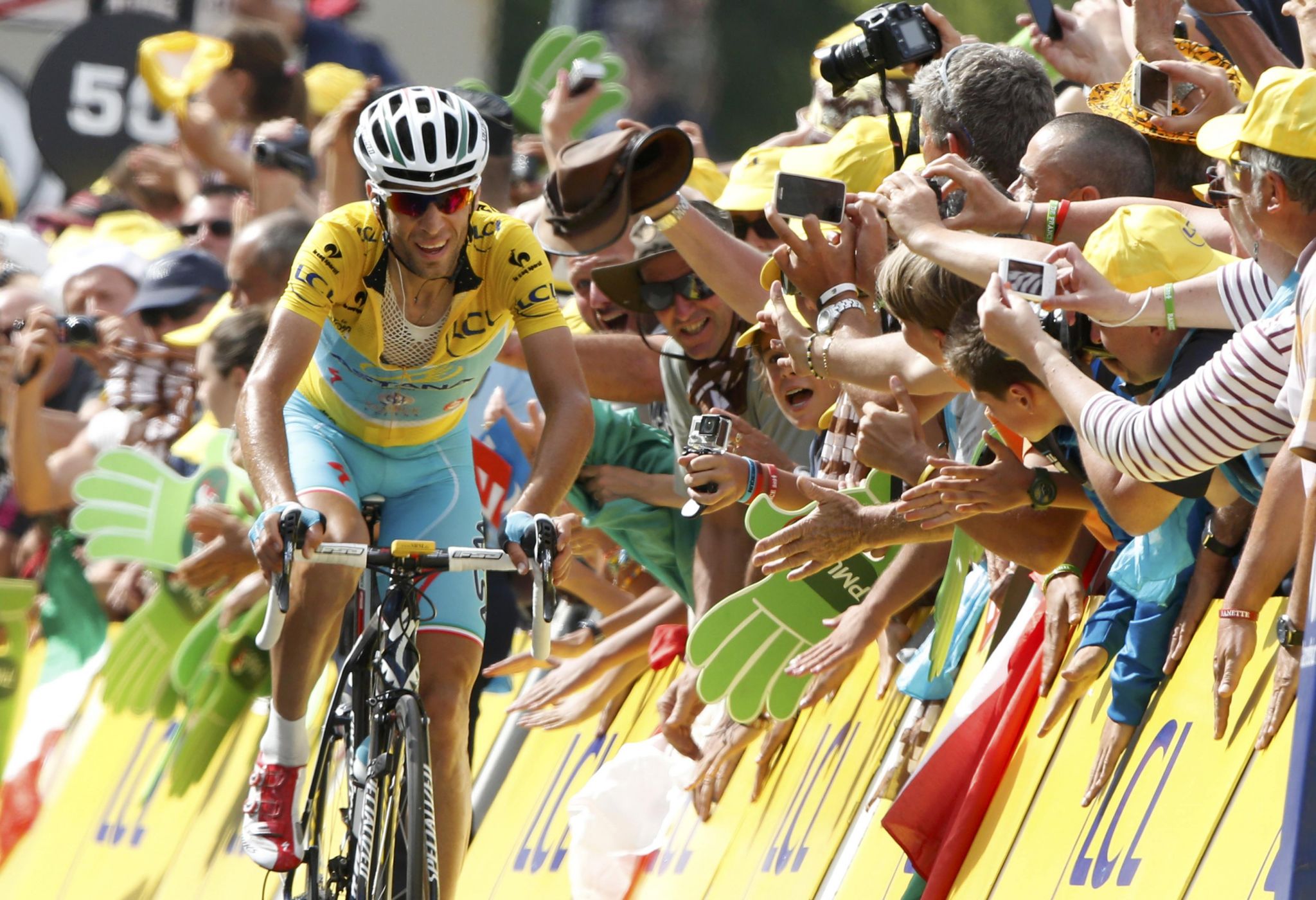
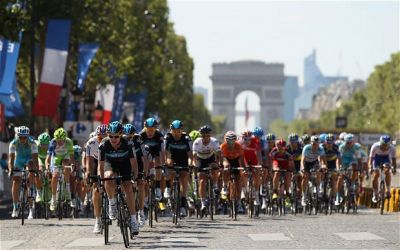
环法自行车赛(Tour de France)是一项分赛程的长距离自行车骑行比赛,它由法国人亨利・戴斯格朗日(Henri Desgrange)于1903年创立。每年夏天的七月份,来自世界各国的骑行高手们就会云集法国,在这里翻山越岭穿村过市,在举世闻名的自行车赛界的最高竞技中一决高下。
环法自行车赛的产生及历史
亨利・戴斯格朗日曾是一位自行车运动员,后来做了记者,但他从未放弃对骑行的热爱。他于1903年创立了环法自行车赛最初的规则。其中有一些规则给参赛选手专心进行体育竞技带来了很大的不便。比如说参赛者不可以使用助手,也就是说如果参赛者的自行车出现了机械故障,要由他自己停下来把车修好才可以再上路。
其实环法自行车赛不仅限于法国境内,它还经过比利时、西班牙等一些法国的邻国。比赛属于分段计时赛,冠军为各段赛程所用时间累计最少者。
(Quelle:http://www.faguo-lvyou.cn)
环法自行车赛(法语:Le Tour de France)是一个每年举办的多赛段公路自行车赛,主要在法国进行,但有时也出入周边国家(如英国、比利时、德国、西班牙)。自从1903年开始以来,每年于夏季举行,每次赛期23天,平均赛程超过3500公里(约2200英里)。完整赛程每年不一,但大都大体上环绕法国一周。近年来,比赛结束前总是会穿越巴黎市中心的香榭丽舍大道,并且经过埃菲尔铁塔。比赛全程分成许多段,从一个城镇到下一个,每一段分别计时排名。所有段成绩累计起来决定每一位赛手的总成绩,总冠军为各段时间累计最少者。在每日赛事结束时,领先者将可穿上黄色领骑衫,最佳冲刺者将被赠与一件绿色车衣,山间赛事中之最佳骑手将会得到一件波尔卡点运动衣,其有时被称作登山王。
像其他公路大赛一样,选手们组织队伍参赛。每一队由9名选手组成,共有20至22个小队。传统上,只有一流的专业赛车队才能收到参赛邀请。近年来,大赛组织者采用国际自行车联盟的计分系统来决定参赛队伍,另留下2-4个名额给予知名车队或落选的法国车队。每个车队由其最大赞助商命名,穿着其队服。比赛时,各车队采取战术,队友之间互相帮助,通常车队后面还有一部支援车带着配件等备急紧跟着他们[1][2]。
Am 8. Dez. 1867 fand das erste Radrennen der Welt in Paris statt. Anfangs noch auf dem Vélocipèd, ohne Bereifung, wurden selten Geschwindigkeiten von 10 km/h erreicht. Etwa 100 Teilnehmer starteten auf den Champs-Elysées und fuhren etwa 23 km bis zum Schloß von Versaille. Das zweite Rennen fand am 24. Mai 1868 am Pré Catalan im Bois du Boulongne statt.
Das erste "Langstreckenrennen" der Welt, Paris-Rouen über 122 km wurde am 7. Nov. 1869 gefahren.
Bis kurz vor 1890 wurden verschiedene Rennen mit dem Hochrad ausgetragen, was sehr gefährlich war. Mit der Erfindung der Luftbereifung 1888 endete die ära der Hochräder abrupt.
Diese "Sicherheits-Niederräder" entsprechen grob dem Aussehen heutiger Fahrräder und wurden erstmalig in Großserie produziert.
Bereits 1891 wurden 2 berühmte Radrennen ins Leben gerufen, die noch heute gefahren werden: Paris-Brest-Paris über ca. 1.200 km und Bordeaux-Paris, welches halb so lang ist.(Quelle:http://www.fahrradmonteur.de/tour-de-france.php)
Die Tour de France [ˌtuʀdəˈfʀɑ̃ːs], auch Grande Boucle [gʀɑ̃dˈbukl] (französisch für Große Schleife) oder einfach Le Tour [ləˈtuːʀ] genannt, ist das berühmteste und für die Fahrer bedeutendste Radrennen der Welt.
Seit 1903 wird es alljährlich im Juli ausgetragen und führt dabei in wechselnder Streckenführung quer durch Frankreich und das nahe Ausland. Während des Ersten Weltkriegs fiel die Tour zwischen 1915 und 1918 aus, der Zweite Weltkrieg bedingte eine Unterbrechung von 1940 bis 1946. Das Etappenrennen wird von der Amaury Sport Organisation (ASO) veranstaltet. Die Tour wird oft als das nach den Olympischen Spielen und der Fußball-Weltmeisterschaft drittgrößte Sportereignis der Welt[1][2] oder als das größte jährlich stattfindende Sportereignis[3] bezeichnet und gilt als das härteste Radrennen der Welt.[4]
Eine Tour de France der Frauen, La Grande Boucle Féminine Internationale, wurde mit Unterbrechungen von 1984 bis 2009 ausgetragen. Länge und Bedeutung waren im Vergleich zur Tour der Männer gering. Als Nachfolgeveranstaltung wird seit 2014 La Course by Le Tour de France, zu Beginn als Rundstreckenrennen vor der Schlussetappe der Tour de France 2014, ausgetragen.
ツール・ド・フランスまたは(ル・)トゥール・ド・フランス(仏: Le Tour de France、以下「ツール」)とは毎年7月にフランスおよび周辺国を舞台にして行われる自転車プロロードレースである。1903年から開催されている。主催は傘下にスポーツ新聞レキップや一般紙ル・パリジャンなどを抱えるフランスの大企業・アモリ・スポル・オルガニザシオン (ASO, Amaury Sport Organisation)。
名称はフランス語で「フランス一周」を意味する[1]。フランス語による同様の名称のレースには、スイスで行われるツール・ド・スイスなどがある。単にル・ツール(Le Tour:ル・トゥール)と称されることもある。
The Tour de France (French pronunciation: [tuʁ də fʁɑ̃s]) is an annual men's multiple stage bicycle race primarily held in France,[1] while also occasionally passing through nearby countries. Like the other Grand Tours (the Giro d'Italia and the Vuelta a España), it consists of 21 day-long stages over the course of 23 days.
The race was first organized in 1903 to increase sales for the newspaper L'Auto[2] and is currently run by the Amaury Sport Organisation.[3] The race has been held annually since its first edition in 1903 except when it was stopped for the two World Wars.[4] As the Tour gained prominence and popularity, the race was lengthened and its reach began to extend around the globe. Participation expanded from a primarily French field, as riders from all over the world began to participate in the race each year. The Tour is a UCI World Tour event, which means that the teams that compete in the race are mostly UCI WorldTeams, with the exception of the teams that the organizers invite.[5][6]
Traditionally, the race is held primarily in the month of July. While the route changes each year, the format of the race stays the same with the appearance of time trials,[1] the passage through the mountain chains of the Pyrenees and the Alps, and the finish on the Champs-Élysées in Paris.[7][8] The modern editions of the Tour de France consist of 21 day-long segments (stages) over a 23-day period and cover around 3,500 kilometres (2,200 mi).[9] The race alternates between clockwise and counterclockwise circuits of France.[10]
There are usually between 20 and 22 teams, with eight riders in each. All of the stages are timed to the finish; the riders' times are compounded with their previous stage times.[1] The rider with the lowest cumulative finishing times is the leader of the race and wears the yellow jersey.[1][11] While the general classification garners the most attention, there are other contests held within the Tour: the points classification for the sprinters, the mountains classification for the climbers, young rider classification for riders under the age of 26, and the team classification for the fastest teams.[1] Achieving a stage win also provides prestige, often accomplished by a team's cycling sprinter specialist.
Le Tour de France, souvent appelé « Le Tour » ou « la Grande Boucle », est une compétition cycliste par étapes masculine qui a lieu principalement en France chaque année, tout en traversant occasionnellement les pays voisins. La course est organisée pour la première fois en 1903 par Henri Desgrange et Géo Lefèvre, pour augmenter les ventes du journal L'Auto. Le Tour est actuellement organisé par ASO (Groupe Amaury). La course a lieu chaque année depuis sa première édition en 1903, excepté lors des deux guerres mondiales. Le Tour gagne en importance et en popularité au fil des éditions, sa durée est allongée et sa portée s'étend dans le monde entier. La participation s'élargit, on passe d'un peloton principalement français lors des premières éditions, à des éditions comptant jusqu'à 40 nationalités.
Le Tour de France, le Tour d'Italie et le Tour d'Espagne constituent les trois grands tours, les épreuves les plus prestigieuses du cyclisme sur route. Le Tour de France est le plus ancien et est généralement considéré comme le plus prestigieux des trois. Traditionnellement, la course se déroule principalement au mois de juillet. Bien que le parcours change chaque année, le format de la course reste le même avec au moins deux contre-la-montre1, le passage à travers les chaînes de montagnes des Pyrénées et des Alpes et l'arrivée sur les Champs-Élysées à Paris. Les éditions modernes du Tour de France se composent de 21 étapes réparties sur une période de 23 jours et couvrent près de 3 500 kilomètres. Le tracé du parcours alterne entre le sens horaire et antihoraire de la France.
Le Tour est une des épreuves de l'UCI World Tour, ce qui signifie que les équipes sont en majorités composées d'UCI WorldTeams, à l'exception des équipes que les organisateurs invitent. Le nombre d'équipes varie habituellement entre 20 et 22, avec chacune huit coureurs. Après chaque étape, les temps des coureurs sont ajoutés avec leurs temps précédents. Le coureur avec le temps total le plus faible est classé premier du classement général et porte le très convoité maillot jaune le distinguant des autres coureurs. Le classement général est le plus réputé des classements car il détermine le vainqueur du Tour, mais d'autres classements secondaires sont organisés lors du Tour : le classement par points pour les sprinteurs, le classement de la montagne pour les grimpeurs, le classement des jeunes pour les coureurs de 25 ans et moins, et le classement par équipes pour les équipes les plus rapides.
Quatre coureurs ont remporté cinq fois le Tour de France : Jacques Anquetil, Eddy Merckx, Bernard Hinault et Miguel Indurain. Lance Armstrong, vainqueur de sept Tours entre 1999 et 2005, fut le recordman jusqu'en 2012 lorsque ses sept victoires furent effacées pour cause de dopage. Christopher Froome est toujours en activité, avec quatre succès à son actif.
Le Tour de France (it. Il Giro di Francia) è uno dei tre grandi giri maschili di ciclismo su strada e uno tra i più importanti avvenimenti sportivi del mondo. È parte del calendario professionistico UCI World Tour.
Detto anche Tour o Grande Boucle, a partire dal 1903 la corsa si è svolta ogni anno (risultando il più antico grande Giro), ad eccezione dei periodi della prima e della seconda guerra mondiale, durante il mese di luglio, nell'arco di circa tre settimane e su un percorso ogni volta diverso attraverso la Francia e i paesi confinanti. Attualmente l'organizzazione della gara è affidata alla Société du Tour de France, una sussidiaria dell'Amaury Sport Organisation, che fa parte del gruppo mediatico de L'Équipe.
A partire dal 1984 e fino al 1993 venne organizzato parallelamente anche un Tour de France femminile, con un percorso e tappe più brevi.
El Tour de Francia (oficialmente Le Tour de France), también conocido simplemente como el Tour, es una vuelta por etapas profesional de ciclismo en ruta disputada a lo largo de la geografía francesa. Se celebra en julio y pertenece al calendario UCI WorldTour, máxima categoría de las carreras profesionales
Considerada la carrera más importante del mundo,1 el Tour se disputó por primera vez en 1903. Desde su creación, la carrera se ha visto interrumpida en dos ocasiones debido a las dos guerras mundiales: desde 1915 hasta 1918 y desde 1940 hasta 1946.2
Es la más antigua de las conocidas tres "Grandes Vueltas" del ciclismo, junto al Giro de Italia y la Vuelta a España.
El ganador del Tour de Francia obtiene 1800 puntos para el Salón de la Fama del Ciclismo (Cycling Hall of Fame), siendo la prueba ciclista que más puntos otorga al ganador.
Con cinco triunfos, son cuatro los ciclistas que poseen el récord de victorias en La Grande Boucle: Jacques Anquetil (1957, 1961, 1962, 1963 y 1964), Eddy Merckx (1969, 1970, 1971, 1972 y 1974), Bernard Hinault (1978, 1979, 1981, 1982 y 1985) y Miguel Indurain (1991, 1992, 1993, 1994 y 1995).
El Tour de Francia fue galardonado con el Premio Príncipe de Asturias de los Deportes en el año 2003.3
Existió un Tour de Francia femenino que comenzó en 1955 (desde 1984 disputándose con regularidad) hasta 2009, siendo de las pocas carreras femeninas con una duración superior a una semana junto al Giro de Italia Femenino y el Tour de l'Aude Femenino (este también ya desaparecido), aunque durante sus últimos 15 años sin relación con la de hombres.
Тур де Франс[1] (нескл.; фр. Le Tour de France) — шоссейная многодневная велогонка, один из трёх гранд-туров. Самая известная и престижная велосипедная гонка мира, проводимая уже более ста лет во Франции[2]. Неофициальное название — «Большая петля».
Велогонка «Тур де Франс» изначально была учреждена как рекламный проект газеты L’Auto (предок нынешнего L'Équipe), его редактором и соучредителем, Анри Дегранжем (Henri Desgrange) и был призван конкурировать с велогонкой Париж — Брест — Париж (спонсируемой газетой Le Petit Journal) и велогонкой Бордо-Париж.
Идея создания французской петли принадлежит журналисту L’Auto Жео Лефевру (Géo Lefèvre), с которым Анри Дегранж обедал в парижском кафе Café de Madrid 20 ноября 1902 года (точная дата). Успех гонки Le Tour de France стал большим успехом и для газеты L’Auto, число подписчиков которой выросло в 1903 году с 25 тысяч (до Тура) до 65 тысяч после Тура; в 1908 году число подписчиков газеты перевалило за 250 тысяч, а во время «Тур де Франс» 1923 года продавалось 500 тысяч экземпляров газеты в день. Рекордный тираж газеты был достигнут в течение «Тур де Франс» 1933 года — 854 тысячи экземпляров в день. Сегодня Тур организовывает «Общество Тур-де-Франс» — филиал Amaury Sport Organisation (ASO), который является частью медиа-холдинга, в который входит газета L'Équipe.
Тур, который проводится во Франции и в близлежащем зарубежье, проходит ежегодно в течение трёх недель в июле. Только во время первой (1915—1918) и Второй мировой войны (1940—1946) тур был отменён. Велогонку проводит фирма Amaury Sport Organisation (ASO), которая также проводит Ралли Дакар.