
Deutsch-Chinesische Enzyklopädie, 德汉百科
 Norwegen
 Financial


 Geography
 Hand in Hand
 Literature
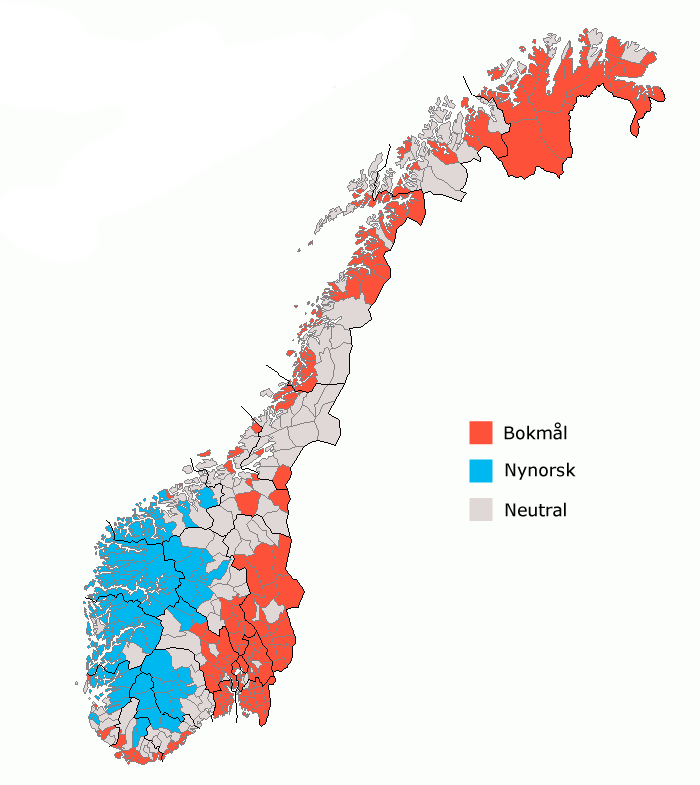
Die norwegische Sprache (Eigenbezeichnung norsk [nɔʃk] oder [nɔʀsk]), welche die beiden Standardvarietäten bokmål [ˈbuːkmɔːl] und nynorsk [ˈnyːnɔʃk] oder [ˈnyːnɔʀsk] umfasst, gehört zum nordgermanischen Zweig der indogermanischen Sprachen. Norwegisch wird von etwa fünf Millionen Norwegern als Muttersprache gesprochen, von denen der größte Teil in Norwegen lebt, wo es die Amtssprache ist. Es ist auch die Arbeits- und Verkehrssprache im Nordischen Rat.
挪威语(挪威语:Norsk),简称挪语,是日耳曼语族的一个分支,普遍通用于挪威,是挪威的官方语言。挪威语与瑞典语和丹麦语十分相似,所以这三种语言的人可以互相沟通。由于丹麦语从十六世纪至十九世纪期间一直是挪威地区的标准书面语言,以致近代的挪威语发展一直都受着爱国主义、城乡隔阂以及挪威文学史的争议所影响。
根据挪威法律和政策,现行的挪威语有两套书写形式,分别是书面挪威语(bokmål,又称音译博克莫尔挪威语)和新挪威语(nynorsk,又音译尼诺斯克挪威语)。两种书写挪威语的形式分别温和地代表着保守和激进的书写表达方式。书面挪威语和新挪威语还有他们非官方的版本,分别称为国家挪威语和高地挪威语。
 Royalty

 History
 Alberta-AB
Australia
Alberta-AB
Australia
 Auvergne-Rhône-Alpes
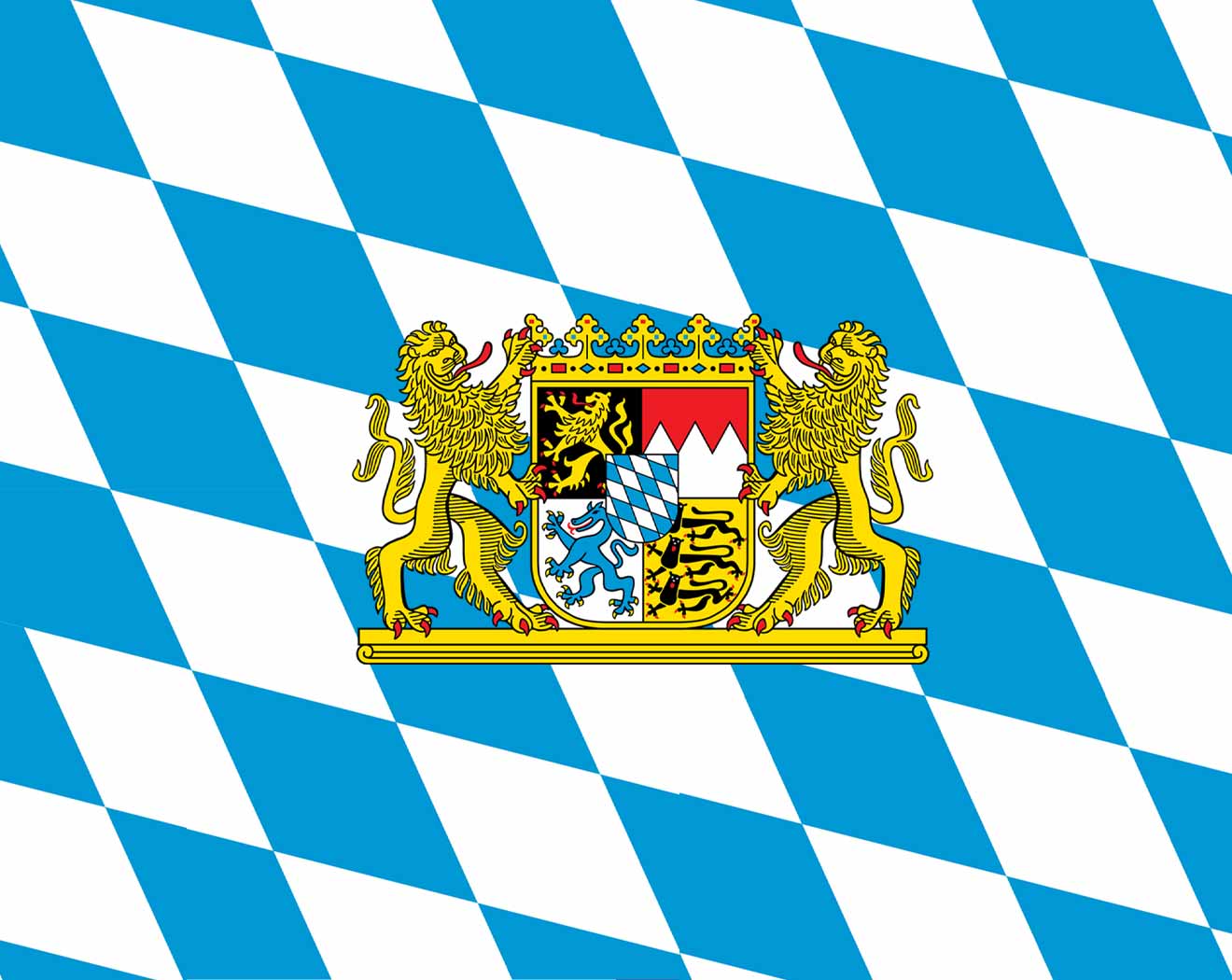 Bavaria
Beijing Shi-BJ
Belgium
Bavaria
Beijing Shi-BJ
Belgium
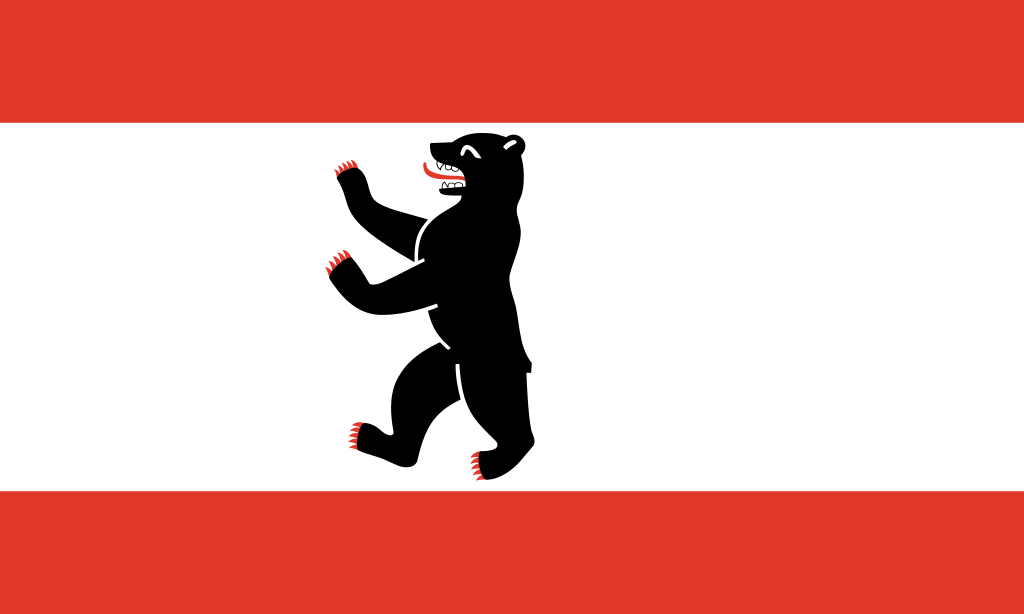 Berlin
Bosnia Herzegovina
Brazil
Berlin
Bosnia Herzegovina
Brazil
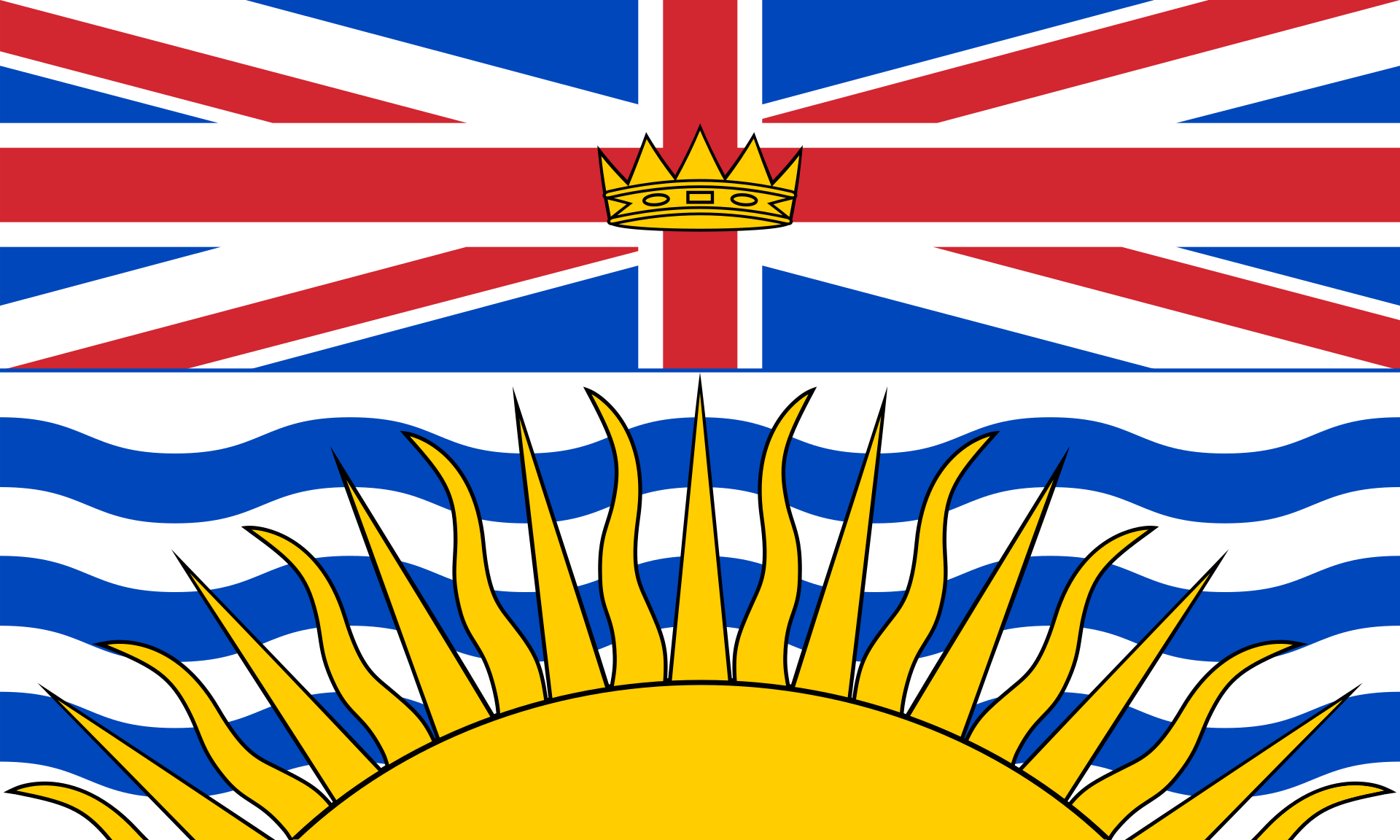 British Columbia-BC
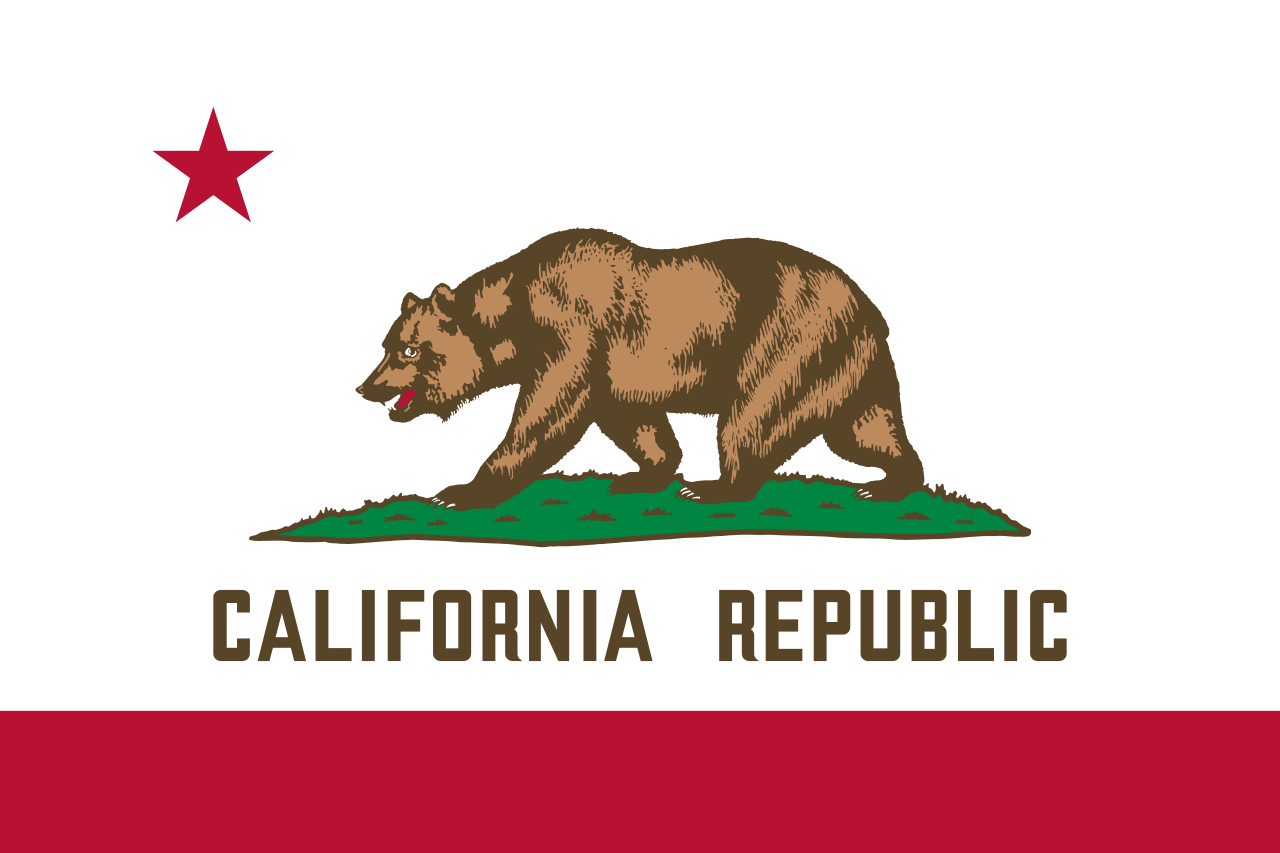 California-CA
 Cataluña
China
Chūbu
Germany
England
Finland
France
Cataluña
China
Chūbu
Germany
England
Finland
France
 Georgia-GA
Greece
Hebei Sheng-HE
Hokkaidō
Georgia-GA
Greece
Hebei Sheng-HE
Hokkaidō
 Ile-de-France
Italy
Japan
Canada
Kantō
Ile-de-France
Italy
Japan
Canada
Kantō
 Lazio
Mexico
Lazio
Mexico
 Missouri-MO
 New South Wales-NSW
 New York-NY
Netherlands
Norwegen
2002 Winter Olympics
2006 Winter Olympics
2010 Winter Olympics
2014 Winter Olympics
2018 Winter Olympics
2022 Winter Olympics
Austria
New York-NY
Netherlands
Norwegen
2002 Winter Olympics
2006 Winter Olympics
2010 Winter Olympics
2014 Winter Olympics
2018 Winter Olympics
2022 Winter Olympics
Austria
 Piemonte
 Quebec-QC
Republic of Korea
Rio de Janeiro
Russia
Quebec-QC
Republic of Korea
Rio de Janeiro
Russia
 Schleswig-Holstein
Sweden
Switzerland
Spain
Schleswig-Holstein
Sweden
Switzerland
Spain
 Sport
Sport
 Tyrol
Tyrol
 Utah-UT
 Veneto
United States
United Kingdom
Veneto
United States
United Kingdom
 Victoria-VIC

奥林匹克圣火(英语:Olympic Flame)是奥林匹克运动会的标志。它在古代奥运会上燃烧以纪念古希腊神话中,普罗米修斯从宙斯手中偷来的火。从1928年开始,奥林匹克圣火又重新成为了奥运会的一部分。从1936年柏林奥运会开始出现了圣火传递。它有着传承火焰,生生不息的意义。
Das olympische Feuer ist ein Symbol der olympischen Bewegung. Es ist auch ein Symbol der Kontinuität zwischen den antiken und den modernen Spielen.[1] Das olympische Feuer wird einige Monate vor den Olympischen Spielen in Olympia, Griechenland, entzündet. Mit dieser Zeremonie beginnt der olympische Fackellauf, der offiziell mit dem Entzünden des olympischen Kessels während der Eröffnungsfeier der Olympischen Spiele endet. Die Flamme brennt dann während der gesamten Dauer der Spiele im Kessel weiter, bis sie bei der Abschlusszeremonie gelöscht wird.
Alberta-AB
Argentina
Australia
Auvergne-Rhône-Alpes
Bavaria
Beijing Shi-BJ
Berlin
Bosnia Herzegovina
Brazil
British Columbia-BC
California-CA
Cataluña
China
Chūbu
Germany
England
France
Georgia-GA
Greece
Hokkaidō
Ile-de-France
Italy
Japan
Jiangsu Sheng-JS
Canada
Kantō
Lazio
 Lombardia
Mexico
New South Wales-NSW
New York-NY
Norwegen
Austria
Piemonte
Quebec-QC
Lombardia
Mexico
New South Wales-NSW
New York-NY
Norwegen
Austria
Piemonte
Quebec-QC
 Queensland-QLD
Republic of Korea
Rio de Janeiro
Russia
Switzerland
Senegal
Singapore
Spain
Tyrol
Utah-UT
United States
United Kingdom
Queensland-QLD
Republic of Korea
Rio de Janeiro
Russia
Switzerland
Senegal
Singapore
Spain
Tyrol
Utah-UT
United States
United Kingdom

| 奥林匹克圣歌 | ||
|---|---|---|
| 希腊文歌词 | 英文歌词 | 中文歌词 |
| Αρχαίο Πνεύμ' αθάνατο, αγνέ πατέρα του ωραίου, του μεγάλου και τ'αληθινού, κατέβα, φανερώσου κι άστραψ'εδώ πέρα στην δόξα της δικής σου γης και τ'ουρανού. |
Immortal spirit of antiquity, Father of the true, beautiful and good, Descend, appear, shed over us thy light Upon this ground and under this sky Which has first witnessed thy unperishable fame. |
古代不朽之神, 美丽、伟大而正直的圣洁之父。 祈求降临尘世以彰显自己, 让受人瞩目的英雄在这大地苍穹之中, 作为你荣耀的见证。 |
| Στο δρόμο και στο πάλεμα και στο λιθάρι, στων ευγενών Αγώνων λάμψε την ορμή, και με τ' αμάραντο στεφάνωσε κλωνάρι και σιδερένιο πλάσε κι άξιο το κορμί. |
Give life and animation to those noble games! Throw wreaths of fadeless flowers to the victors In the race and in the strife! Create in our breasts, hearts of steel! |
请照亮跑步、角力与投掷项目, 这些全力以赴的崇高竞赛。 把用橄榄枝编成的花冠颁赠给优胜者, 塑造出钢铁般的躯干。 |
| Κάμποι, βουνά και θάλασσες φέγγουν μαζί σου σαν ένας λευκοπόρφυρος μέγας ναός, και τρέχει στο ναό εδώ, προσκυνητής σου, Αρχαίο Πνεύμ' αθάνατο, Kάθε λαός. |
In thy light, plains, mountains and seas Shine in a roseate hue and form a vast temple To which all nations throng to adore thee, Oh immortal spirit of antiquity! |
溪谷、山岳、海洋与你相映生辉, 犹如以色彩斑斓的岩石建成的神殿。 这巨大的神殿, 世界各地的人们都来膜拜, 啊!永远不朽的古代之神。 |
 Music
Music
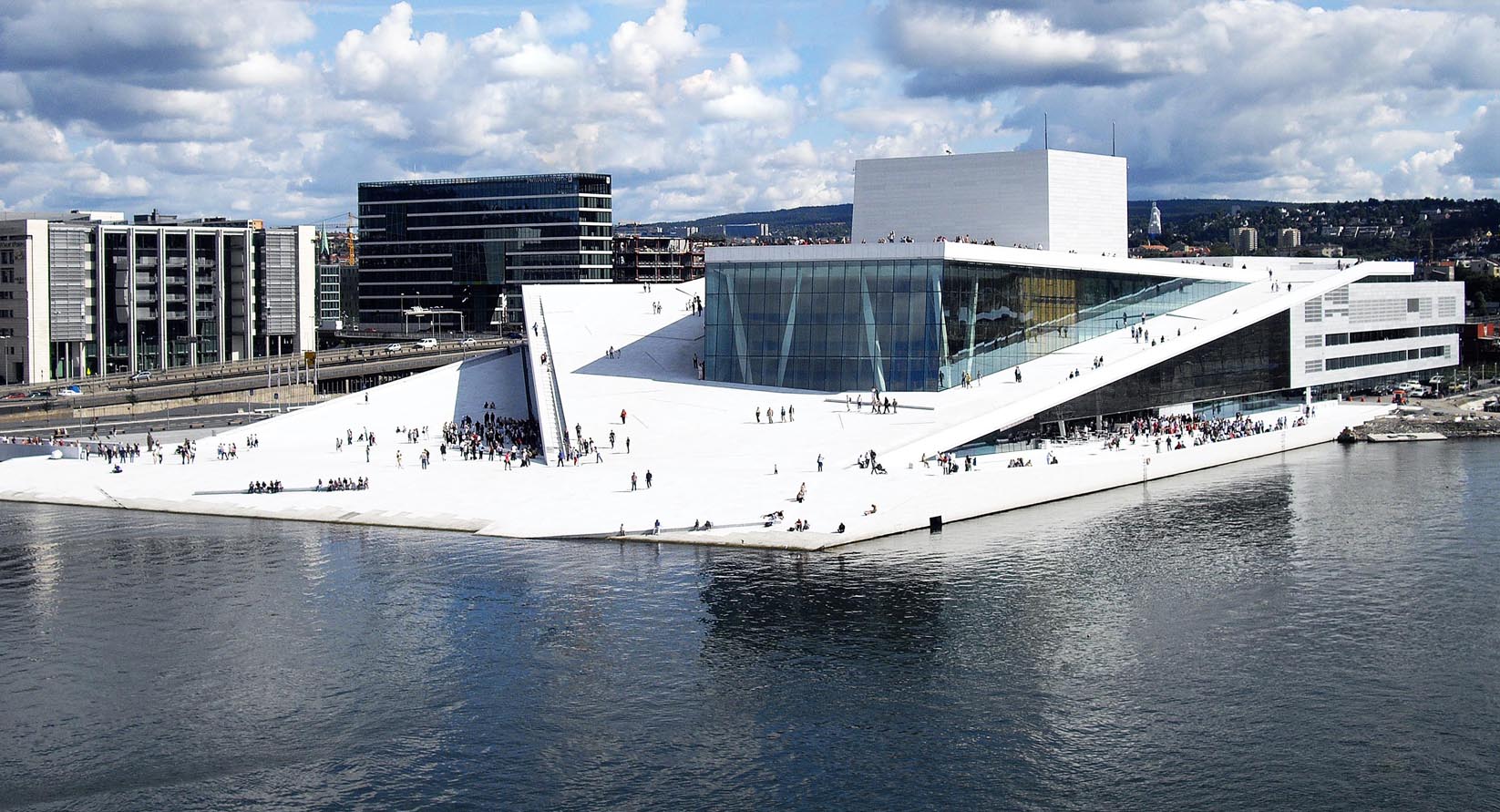
 Architecture
 Economy and trade
Australia
Belgium
Chile
Denmark
Germany
Estonia
Finland
France
Greece
Ireland
Iceland
Israel
Italy
Japan
Canada
Luxembourg
Mexico
New Zealand
Netherlands
Norwegen
OECD
Economy and trade
Australia
Belgium
Chile
Denmark
Germany
Estonia
Finland
France
Greece
Ireland
Iceland
Israel
Italy
Japan
Canada
Luxembourg
Mexico
New Zealand
Netherlands
Norwegen
OECD
 Emiel van Lennep
OECD
Don Johnston
OECD
Jean-Claude Paye
OECD
José Ángel Gurría
OECD
Staffan Sohlman
OECD
Thorkil Kristensen
Austria
Poland
Portugal
Republic of Korea
Sweden
Switzerland
Slovakia
Slovenia
Spain
Czech Republic
Turkey
Hungary
United States
United Kingdom
Emiel van Lennep
OECD
Don Johnston
OECD
Jean-Claude Paye
OECD
José Ángel Gurría
OECD
Staffan Sohlman
OECD
Thorkil Kristensen
Austria
Poland
Portugal
Republic of Korea
Sweden
Switzerland
Slovakia
Slovenia
Spain
Czech Republic
Turkey
Hungary
United States
United Kingdom
 Important International Organizations
経済協力開発機構(けいざいきょうりょくかいはつきこう)は、国際経済全般について協議することを目的とした国際機関。公用語の正式名称は、英語では"Organisation[1] for Economic Co-operation and Development"(イギリス英語表記)、フランス語では"Organisation de Coopération et de Développement Economiques"。略称は英語ではOECD、フランス語ではOCDE。
本部事務局はパリ16区の旧ラ・ミュエット宮殿に置かれている。事務総長はアンヘル・グリア。
The Organisation for Economic Co-operation and Development (OECD; French: Organisation de Coopération et de Développement Économiques, OCDE) is an intergovernmental economic organisation with 37 member countries,[1] founded in 1961 to stimulate economic progress and world trade. It is a forum of countries describing themselves as committed to democracy and the market economy, providing a platform to compare policy experiences, seek answers to common problems, identify good practices and coordinate domestic and international policies of its members. Generally, OECD members are high-income economies with a very high Human Development Index (HDI) and are regarded as developed countries. As of 2017, the OECD member countries collectively comprised 62.2% of global nominal GDP (US$49.6 trillion)[3] and 42.8% of global GDP (Int$54.2 trillion) at purchasing power parity.[4] The OECD is an official United Nations observer.[5]
In 1948, the OECD originated as the Organisation for European Economic Co-operation (OEEC),[6] led by Robert Marjolin of France, to help administer the Marshall Plan (which was rejected by the Soviet Union and its satellite states).[7] This would be achieved by allocating United States financial aid and implementing economic programs for the reconstruction of Europe after World War II. (Similar reconstruction aid was sent to the war-torn Republic of China and post-war Korea, but not under the name "Marshall Plan".)[8]
In 1961, the OEEC was reformed into the Organisation for Economic Co-operation and Development by the Convention on the Organisation for Economic Co-operation and Development and membership was extended to non-European states.[9][10] The OECD's headquarters are at the Château de la Muette in Paris, France.[11] The OECD is funded by contributions from member countries at varying rates and had a total budget of €386 million in 2019.[2]
Although OECD does not have a power to enforce its decisions, which further require unanimous vote from its members, it is recognized as highly influential publisher of mostly economic data through publications as well as annual evaluations and rankings of members countries.[12]
L'Organisation de coopération et de développement économiques (OCDE) est une organisation internationale d'études économiques, dont les pays membres — des pays développés pour la plupart — ont en commun un système de gouvernement démocratique et une économie de marché. Elle joue essentiellement un rôle d'assemblée consultative1.
L'OCDE a succédé à l'Organisation européenne de coopération économique (OECE) issue du plan Marshall et de la Conférence des Seize (Conférence de coopération économique européenne) qui a existé de 1948 à 1960. Son but était l'établissement d'une organisation permanente chargée en premier lieu d'assurer la mise en œuvre du programme de relèvement commun (le plan Marshall), et, en particulier, d'en superviser la répartition2.
En 2020, l'OCDE compte 37 pays membres et regroupe plusieurs centaines d'experts. Elle publie fréquemment des études économiques et sociales — analyses, prévisions et recommandations de politique économique — et des statistiques, principalement concernant ses pays membres.
Le siège de l'OCDE se situe à Paris (16e), au château de la Muette. L'organisation possède également des bureaux dans plusieurs autres métropoles, notamment à Berlin, Mexico, Tokyo et Washington.
L'Organizzazione per la cooperazione e lo sviluppo economico (OCSE) – in inglese Organization for Economic Co-operation and Development (OECD), e in francese Organisation de coopération et de développement économiques (OCDE) – è un'organizzazione internazionale di studi economici per i paesi membri, paesi sviluppati aventi in comune un'economia di mercato.
L'organizzazione svolge prevalentemente un ruolo di assemblea consultiva che consente un'occasione di confronto delle esperienze politiche, per la risoluzione dei problemi comuni, l'identificazione di pratiche commerciali e il coordinamento delle politiche locali e internazionali dei paesi membri[1]. Ha sede a Parigi nello Château de la Muette[2].
Gli ultimi paesi ad aver aderito all'OCSE sono la Colombia (28 aprile 2020),la Lettonia (1º luglio 2016) e la Lituania (5 luglio 2018), per un totale di 36 paesi membri.
La Organización para la Cooperación y el Desarrollo Económico1 (OCDE) es un organismo de cooperación internacional, compuesto por 37 estados,34 cuyo objetivo es coordinar sus políticas económicas y sociales. La OCDE fue fundada en 1961 y su sede central se encuentra en el Château de la Muette en París (Francia). Los idiomas oficiales de la entidad son el francés y el inglés.2
En la OCDE, los representantes de los países miembros se reúnen para intercambiar información y armonizar políticas con el objetivo de maximizar su crecimiento económico y colaborar a su desarrollo y al de los países no miembros.
Conocida como «club de los países ricos»,56 a partir de 2017, sus países miembros comprendieron colectivamente el 62,2 % del PIB nominal global (US$49,6 billones) y el 42,8 % del PIB global (Int US$54,2 billones).7
Организа́ция экономи́ческого сотру́дничества и разви́тия (сокр. ОЭСР, англ. Organisation for Economic Co-operation and Development, OECD) — международная экономическая организация развитых стран, признающих принципы представительной демократии и свободной рыночной экономики.
Создана в 1948 году под названием Организа́ция европе́йского экономи́ческого сотру́дничества (англ. Organisation for European Economic Co-operation, OEEC) для координации проектов экономической реконструкции Европы в рамках плана Маршалла.
Штаб-квартира организации располагается в Шато де ла Мюетт, в Париже. Генеральный секретарь (с 2006 года) — Хосе Анхель Гурриа Тревиньо (Мексика). Руководящим органом ОЭСР является совет представителей стран — членов организации. Все решения в нём принимаются на основе консенсуса.
По данным на 2011 год, в странах ОЭСР проживало 18 % населения мира[2].
 Companies

 International cities
 Important port

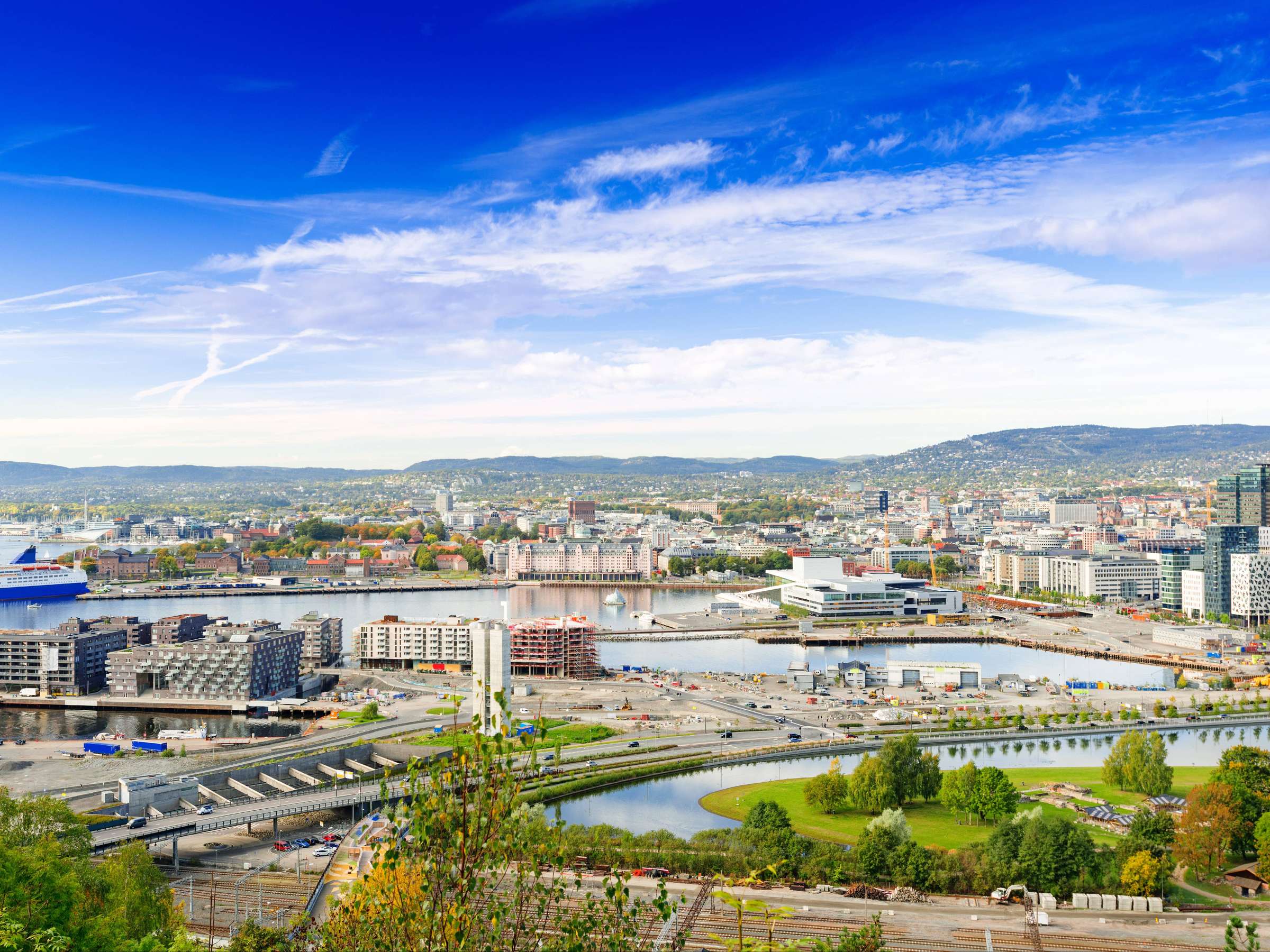
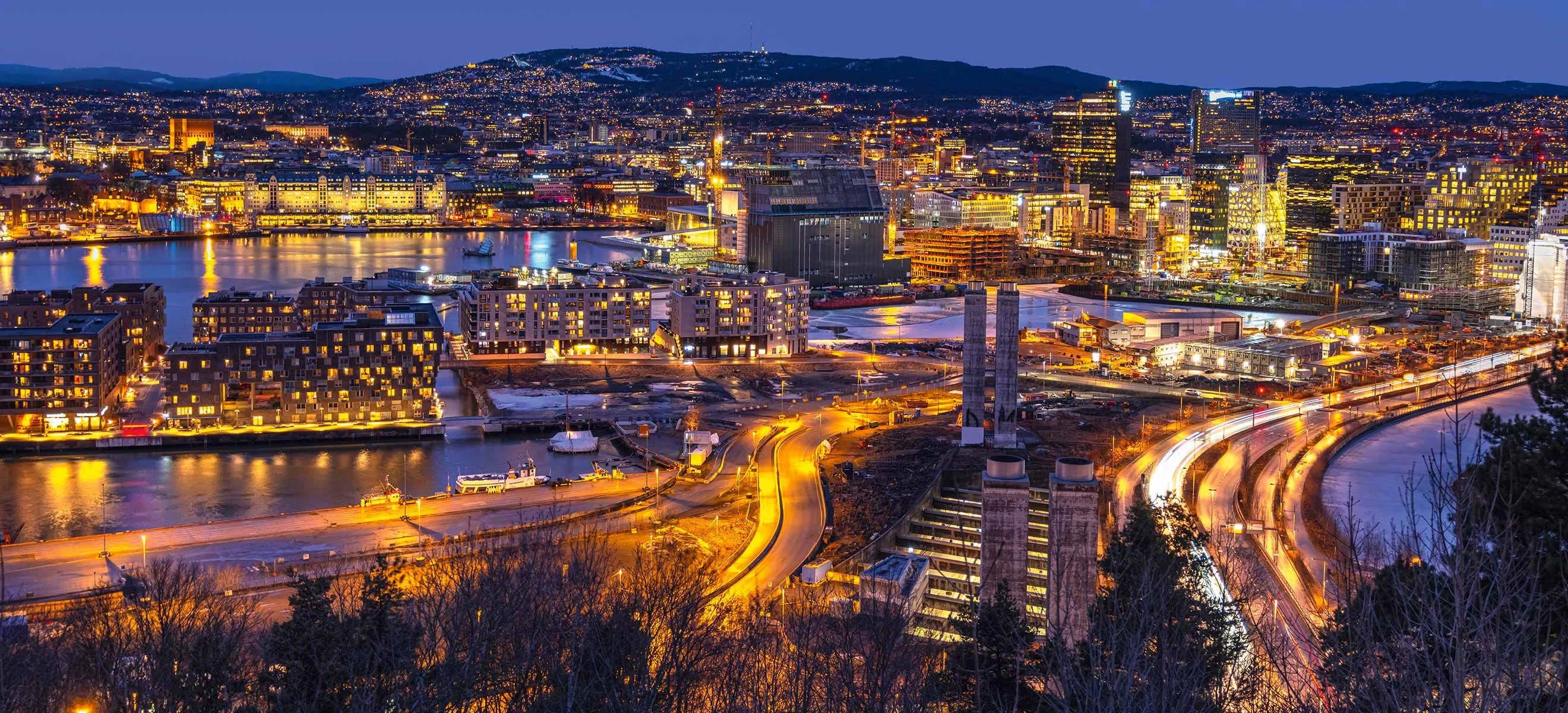


奥斯陆是挪威的首都,人口约85万,位于奥斯陆峡湾的最深处。奥斯陆南临奥斯陆湾,三面被群山环绕,整个城市与绿色的大自然和谐地融为一体。
从奥斯陆中央车站到王宫,再从卡尔约翰大街到国会议事堂周边为步行者天国。大街两侧是摩登的咖啡屋、餐馆和商店。每到夏季或周末这里可看到演艺人的各种演出。周围还有奥斯陆大教堂和国家美术馆。
奥 斯陆还是油画、雕刻、戏剧之都,充满了艺术气息。国家美术馆展出有蒙克的《呐喊》和《玛丽亚》。维格朗雕塑公园绿荫环绕,有200件雕塑艺术品,是人们休 闲娱乐的理想去处。奥斯陆的观光区域大致分为5个区域,卡尔约翰大街周边、阿肯修弗斯城堡周边、王宫周边、布里格周边以及维格朗公园周边等。
奥斯陆卡
还将享受汽车租赁、雪橇租赁以及其他部分设施,如餐厅和商店的折扣。
奥斯陆卡在游客信息中心、大酒店、奥斯陆中央车站售票处、报亭以及通过互联网都可以购买。有效期从第一次使用时的时间开始计算,请再开始使用前做好计划。(Quelle:http://www.visitscandinavia.org/)
奥斯陆(挪威语:Oslo  聆听 帮助·信息),1925年前旧称克里斯蒂安尼亚(Kristiania),是挪威首都和最大城市,全国政治、经济、文化中心,也是挪威的贸易、银行业、工业和航运枢纽,位于挪威东南部的奥斯陆峡湾内侧,人口666, 759人(截至2017年1月1日)。[8]包括邻近的10个自治市在内的城市区人口为975, 744人(截至2016年1月1日),[9]而整个大奥斯陆地区人口数为1, 546, 706。[8]
奥斯陆因其奇特的地理学和地质学特征而闻名。它被森林和田野所环绕,许多种类的动植物生活在其中。奥斯陆自治市内三分之二的面积是森林和水域,使得实际人口密度达到了5, 221.6人/平方公里。城市核心区的形状像是一个被植被茂密的丘陵所环绕的砂锅,许多河流从丘陵中流出,通过市区汇入奥斯陆峡湾。
根据考古学研究,奥斯陆于公元1000年前后建城。奥斯陆老城区是北欧除了维斯比以外最大的中世纪城市,而且至今保存完好。奥斯陆于1048年被确立为一个贸易点。1070年,奥斯陆被提升为主教辖区。在大约1300年,挪威国王哈康五世将奥斯陆定为挪威首都。在挪威从1397至1523年和1536至1814年与丹麦,以及1814至1905年与瑞典建立共主邦联期间,尽管哥本哈根和斯德哥尔摩先后成为了国家行政机构的所在地,奥斯陆仍然保有着一部分首都职能。
奥斯陆是14世纪挪威受到黑死病影响最严重的地区,在15和16世纪其人口和经济状况又经受了进一步的衰退。1624年,奥斯陆曾被一场大火摧毁,之后,在丹麦国王克里斯蒂安四世统治期间,城区被迁移到了更靠近阿克斯胡斯城堡的地方,并以国王的名字命名为克里斯蒂安尼亚(Christiania)。在1814年丹麦-挪威邦联解体之前,克里斯蒂安尼亚已被宣布成为挪威的首都。1838年1月1日,克里斯蒂安尼亚成为了一个自治市。尽管在19世纪以前,克里斯蒂安尼亚在欧洲范围内只是一座小城市,但从第二次工业革命之后,这座城市开始高速发展。在1900年前后,克里斯蒂安尼亚已经成为了一个发达的工业中心,有着近25万名居民。1925年,它的名字从克里斯蒂安尼亚改为了奥斯陆。
奥斯陆是欧洲重要的航海工业和航海贸易中心,是许多航运企业总部的所在地,其中包括一些世界级的航运公司、船舶经纪人和海上保险经纪人。奥斯陆也是欧洲委员会和欧洲联盟委员会的跨文化城市项目的试点城市。
奥斯陆被认为是一座全球城市,在2012年fDi杂志发表的欧洲大城市生活质量排名中名列第一位。[10] ECA国际2011年进行的一项调查显示,奥斯陆是全球生活成本第二高的城市,仅次于东京。[11] 根据经济学人智库(EIU)的统计,2013年奥斯陆也名列全球生活和学习成本最高的四座城市之一。[12]
1952年,奥斯陆曾举办过冬季奥运会。1993年5月,在美国的主导下,以色列和巴勒斯坦在这里签订了著名的奥斯陆协议。另外,奥斯陆也是诺贝尔和平奖的颁奖地,每年的颁奖仪式在奥斯陆市政厅举行。
21世纪初,奥斯陆的人口以创纪录的速度增长,使其成为了当时全欧洲人口增长速度最快的城市之一。[13] 这一高增长率主要和国际移民的流入和高生育率有关,但也离不开国内人口流动的影响。目前,奥斯陆的移民人口增长速度略高于本国人口增长速度,[14] 在市区部分,这一差异更为显著。2012年1月1日的数据显示,奥斯陆人口的23%是移民,[15]市内最大的少数族裔是挪威-瑞典人和挪威-巴基斯坦人。
(deutsch: [ˈʔɔslo], norwegisch: [ˈʊʂlʊ], [ˈʊʃlʊ] oder [ˈʊslʊ]) ist die Hauptstadt des Königreichs Norwegen. Ihr ehemaliger Name war Christiania (1624 bis 1924) bzw. Kristiania (alternative Schreibweise von 1877/1897 bis 1924).

Die Kommune Oslo hat 669.060 Einwohner(30. Jun. 2017)[2]. Sie bildet eine eigenständige Provinz (Fylke) und ist zudem Verwaltungssitz für die benachbarte Provinz Akershus.
Mit 975.744 Einwohnern ist Oslo der mit Abstand größte Ballungsraum des Landes[3]. In der Groß-Oslo-Region leben rund 1,5 Millionen Menschen, also fast ein Drittel der gesamten Bevölkerung Norwegens von rund 5,3 Millionen[4]. Der Hafen (UN/LOCODE NO OSL) eignet sich für Schiffe mit Längen unter 150 Meter.
オスロ(ノルウェー語: Oslo ノルウェー語発音: [²uʃlu] ( 音声ファイル)、旧称クリスチャニア、クリスティアーニアChristianiaもしくはKristiania)は、ノルウェー王国の首都にして最大の都市である。王宮、行政、立法、司法などの機関が集まる。オスロ市はオスロ県と同じ範囲である。世界でも物価の高い都市のひとつであり、北欧有数の世界都市でもある。
Oslo (/ˈɒzloʊ/ OZ-loh;[9] Norwegian: [²uʂlu] ( listen), rarely [²uslu, ˈuʂlu]) is the capital and most populous city of Norway. It constitutes both a county and a municipality. Founded in the year 1040, and established as a kaupstad or trading place in 1048 by Harald Hardrada, the city was elevated to a bishopric in 1070 and a capital under Haakon V of Norway around 1300. Personal unions with Denmark from 1397 to 1523 and again from 1536 to 1814 and with Sweden from 1814 to 1905 reduced its influence. After being destroyed by a fire in 1624, during the reign of King Christian IV, a new city was built closer to Akershus Fortress and named Christiania in the king's honour. It was established as a municipality (formannskapsdistrikt) on 1 January 1838. The city's name was spelled Kristiania between 1877 and 1897 by state and municipal authorities, respectively. In 1925 it was renamed Oslo.
Oslo is the economic and governmental centre of Norway. The city is also a hub of Norwegian trade, banking, industry and shipping. It is an important centre for maritime industries and maritime trade in Europe. The city is home to many companies within the maritime sector, some of which are among the world's largest shipping companies, shipbrokers and maritime insurance brokers. Oslo is a pilot city of the Council of Europe and the European Commission intercultural cities programme.
Oslo is considered a global city and was ranked "Beta World City" in studies carried out by the Globalization and World Cities Study Group and Network in 2008.[10] It was ranked number one in terms of quality of life among European large cities in the European Cities of the Future 2012 report by fDi magazine.[11] A survey conducted by ECA International in 2011 placed Oslo as the second most expensive city in the world for living expenses after Tokyo.[12] In 2013 Oslo tied with the Australian city of Melbourne as the fourth most expensive city in the world, according to the Economist Intelligence Unit (EIU)'s Worldwide Cost of Living study.[13]
As of 1 July 2017, the municipality of Oslo had a population of 672,061, while the population of the city's urban area was 942,084.[4] The metropolitan area had an estimated population of 1.71 million.[14] The population was increasing at record rates during the early 2000s, making it the fastest growing major city in Europe at the time.[15] This growth stems for the most part from international immigration and related high birth rates, but also from intra-national migration. The immigrant population in the city is growing somewhat faster than the Norwegian population,[16] and in the city proper this is now more than 25% of the total.[17]
OsloÉcouter est la capitale d'État de la Norvège. Le toponyme se prononce /↓ʊʂˈlʊ/ dans le dialecte osloïte. La ville s'est appelée Christiania de 1624 à 1924, selon l'ancienne graphie latine héritée du danois, ou communément Kristiania en dano-norvégien. Le 1er janvier 1925, elle a officiellement repris le nom d'un modeste faubourg, site historique de la première ville, fondée au fond de l'Oslofjord par Harald III et promue capitale royale sous Haakon V.
Alors que la ville d'Oslo compte une population de près de 600 000 habitants, dont 27 % d'immigrants2, la région d'Oslo compte 1 403 268 habitants en 2010. La ville, qui s'étend sur 450 km2, est restée en parfaite osmose avec la nature par ses prairies et parcs spacieux et ses pistes de ski de fond, bien que cet important nœud de communication ferroviaire et portuaire soit desservi par un réseau routier et autoroutier et de nombreux trains de banlieue. La capitale regroupe 11,5 % de la population norvégienne et constitue un fylkeskommune (district communal), regroupant quinze bydeler (subdivisions), s'étendant largement autour du fjord d'Oslo et vers le nord-est. Il n'y a pas de gentilé d'usage générique dans la langue norvégienne pour les habitants et originaires d'Oslo (sur le modèle de Tokyo, on parle parfois d'Osloïtes).
Oslo (AFI: /ˈɔzlo/[1]; pronuncia norvegese [²uʃlu]: , nel dialetto di Oslo [ùʂɭu][2] – conosciuta anche come Christiania dal 1624 al 1878 e come Kristiania dal 1878 al 1924) è una città del nord Europa ed è la capitale e la più grande città della Norvegia. Con una popolazione di circa 669 060 abitanti (2017), accoglie il 12% circa della popolazione norvegese. Tuttavia, considerando l'intera area metropolitana, comunemente chiamata "regione della grande Oslo" (Stor-Osloregionen), che si estende ben oltre i limiti del comune, si ha una popolazione complessiva di 1 546 706 abitanti (2015). I confini geografici della contea di Oslo e del comune sono coincidenti.
Oslo ( [ùʃlu] (?·i)), llamada Christiania o Cristianía en español de 1624 a 1897 y Kristiania de 1897 a 1924, es la capital y la ciudad más poblada de Noruega, además de ser su centro político, económico y cultural. Políticamente constituye un municipio y a la vez una de las diecinueve provincias del país. Según el censo del 1 de enero de 2015, su población era de 647 676 habitantes,1 un 12 % de la población total de Noruega; la estimación de enero de 2015 le asignó una población de 942 084. Es la tercera ciudad y área urbana escandinava más poblada, solo superada por Copenhague y Estocolmo.
Su área metropolitana se extiende a los alrededores de la provincia de Akershus y tiene una población de 1 546 706 habitantes. La superficie total comprendida por Oslo es de 144 km², de los cuales 115 km² son urbanos y 7 km² son rurales. Los espacios abiertos dentro del área urbana suman un total de 22 km².
La ciudad de Oslo fue establecida como municipio el 3 de enero de 1838. Fue separada de la provincia de Akershus como una provincia independiente en 1842. El municipio rural de Aker fue absorbido por la expansión de Oslo en 1948 (y transferida de la provincia de Akershus al municipio de Oslo). La capital noruega aún comparte varias funciones importantes con Akershus y es oficialmente la capital de esta última.
О́сло (норв. Oslo , [↓ʊʂˈlʊ] или [↓ʊsˈlʊ]) — столица и самый крупный город Норвегии. До 1624 года, согласно карте А. Ортелиуса 1539 года, столица викингов называлась Викия (Vichia), с 1624 по 1877 годы называлась Христиания (норв. Christiania), с 1877 по 1925 годы — Кристиания (норв. Kristiania). Происхождение названия Осло было предметом многочисленных споров среди лингвистов. По одной из версий, название Oslo означает «устье Ло» (норв. os — «устье», Lo — название реки), по названию реки, некогда протекавшей здесь. Считается установленным, что ойконим имеет древнескандинавское происхождение и, по всей вероятности, первоначально был названием крупной фермы в Бьорвике[en], но значение этого названия оспаривается. Современные лингвисты обычно интерпретируют название Óslo или Áslo как «луг у подножия холма» или «луг, освященный богами», при этом оба варианта считаются одинаково вероятными[3].В своде саг «Круг Земной» исландского скальда Снорри Стурлусона упоминается, что Осло основал Харальд III в 1048 году. Во время археологических раскопок были найдены христианские захоронения, относящиеся примерно к 1000 году.
В Средние века город состоял из двух крепостей — королевского замка и епископского. В пределах городских стен находились 9 церквей, один госпиталь, около 400 деревянных домов торговцев и ремесленников. Король Хакон V Святой назвал Осло столицей Норвегии в 1299 году и построил здесь крепость Акерсхус. В годы Высокого Средневековья Осло стал важным торговым пунктом, в том числе были связи с Ганзейским союзом. Численность населения увеличилась вдвое до 3500 человек.
Из-за того, что постройки были выполнены по большей части из дерева, город часто горел, на месте сгоревших зданий сооружали новые, но опять же, из дерева. После трёхдневного пожара в 1624 году, уничтожившего город, датский король Кристиан IV (на то время Норвегия была провинцией Дании) перевёл жителей в новое место поблизости крепости Акерсхус, которое было названо Христиания в честь короля. Новый город строили в лучших традициях Ренессанса с широкими улицами и строго очерченными кварталами. Здания решили строить из камня, чтобы в будущем предотвратить разрушительные пожары. Несмотря на запрет короля, старый город был вновь заселён, в основном бедняками, которые не имели средств к проживанию в зажиточной Христиании. После Великой Северной войны в начале XVIII века экономика Христиании стала расти быстрыми темпами благодаря кораблестроению и торговле. Индустриализация пришла в город в 1840-х годах, когда возникло большое количество фабрик, в основном на берегах Акерсельвы.В результате англо-датской войны 1807—1814 годов Датско-норвежская уния объявила себя банкротом и по Кильскому договору 1814 года уступила Норвегию Швеции. В годы правления шведско-норвежского короля Оскара II прошла орфографическая реформа, в результате которой город был переименован в Кристианию в 1877 году. Лишь в 1924 году городу вернули его первоначальное название Осло.
В XX веке город заметно разросся, в 1948 году к нему присоединили Акер. В 1960-х Осло переделали в современный город с обширной сетью дорог, системой общественного транспорта и новыми офисными зданиями.
 Transport and traffic

