
漢德百科全書 | 汉德百科全书
 Portugal
FIFA-Klub-Weltmeisterschaft 2025
FIFA-Klub-Weltmeisterschaft 2025
Portugal
FIFA-Klub-Weltmeisterschaft 2025
FIFA-Klub-Weltmeisterschaft 2025
 Gruppe A
José Mourinho
Portugal
Gruppe A
José Mourinho
Portugal
 Sport
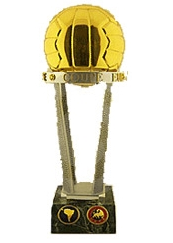
(F)UEFA Europa League
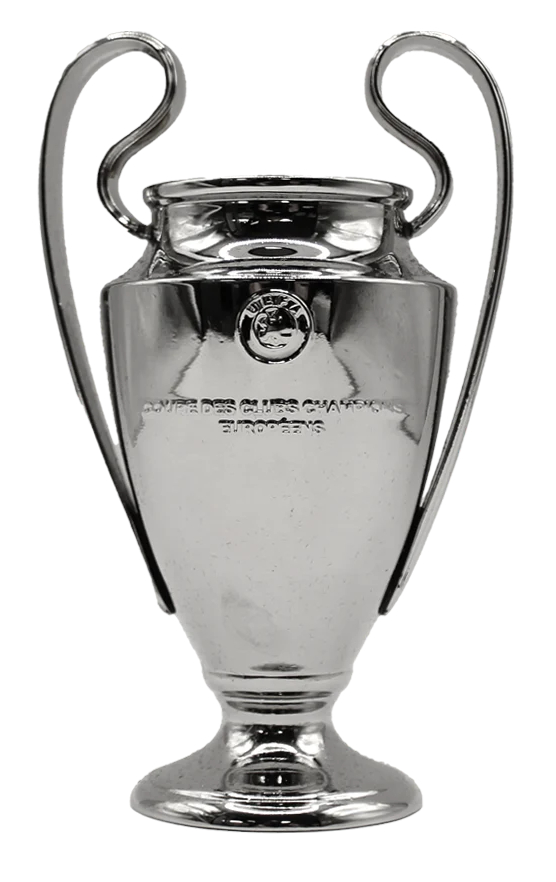
UEFA Champions League 2015/16
UEFA Champions League 2016/17
Gruppe G
UEFA Champions League 2017/18
Gruppe G
UEFA Champions League 2018/19
Gruppe D
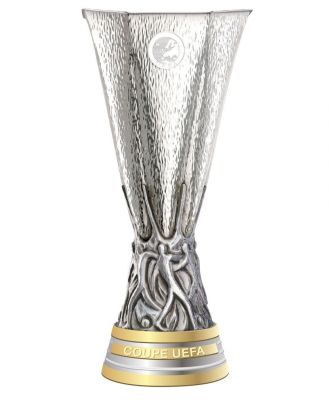
UEFA Europa League 2019/20
Gruppe G
Sport
(F)UEFA Europa League
UEFA Champions League 2015/16
UEFA Champions League 2016/17
Gruppe G
UEFA Champions League 2017/18
Gruppe G
UEFA Champions League 2018/19
Gruppe D
UEFA Europa League 2019/20
Gruppe G



 Architektur
 Religion


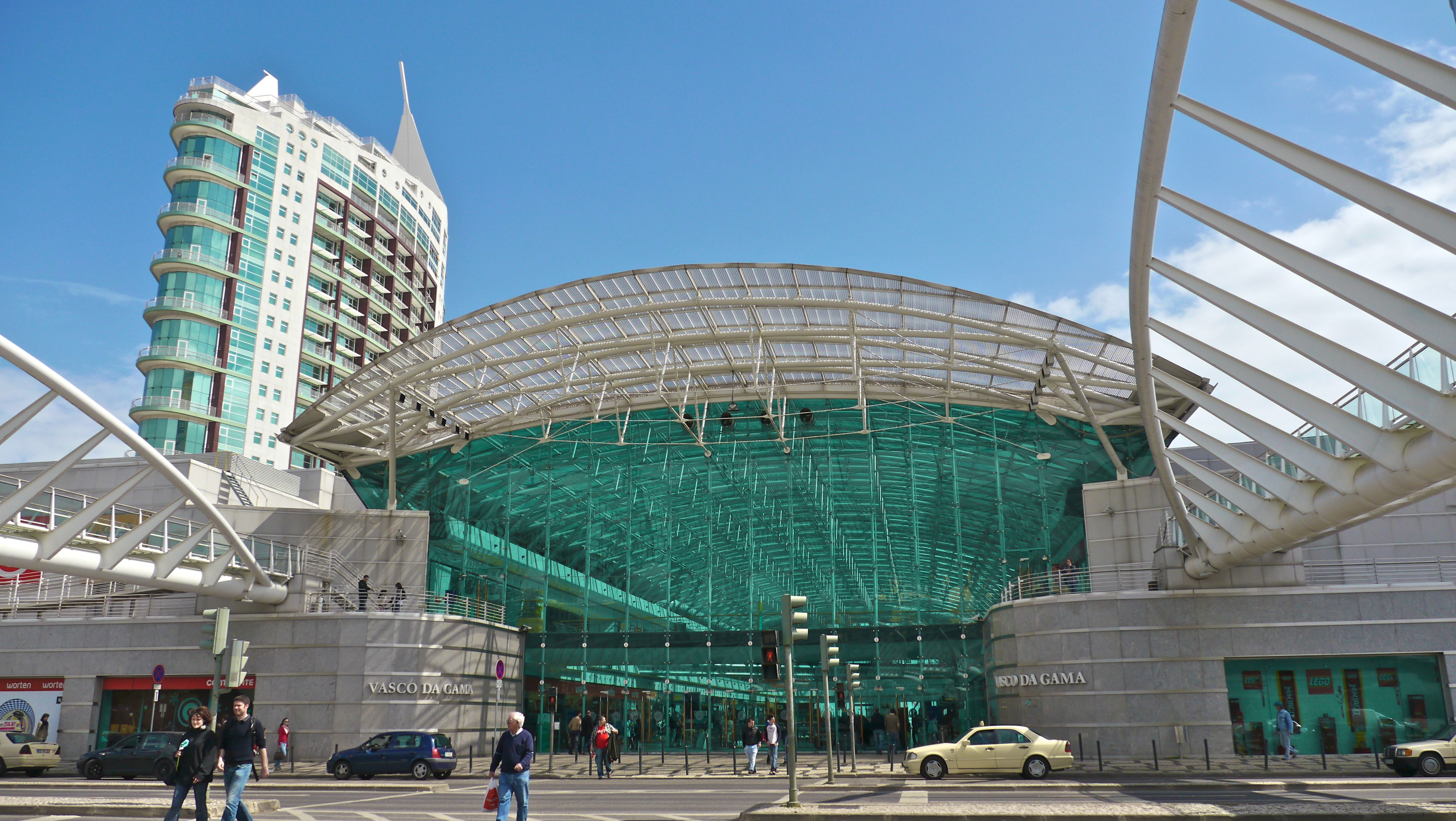
ヴァスコ・ダ・ガマ橋 (Ponte Vasco da Gama) は、ポルトガルのテージョ川河口(三角江)部に架けられた斜張橋。リスボン近郊のサカヴェン (Sacavém) とモンチジョ (Montijo) を結ぶ。全長は17.2kmあり、ヨーロッパで最も長い橋として知られている。
1995年に着工され、リスボン国際博覧会開催直前の1998年3月29日に開通した。ヴァスコ・ダ・ガマ橋という名前は、航海者ヴァスコ・ダ・ガマのインド到達500周年を記念して付けられた。上り(モンチジョからサカヴェンに向かう)方向のみ通行料2.2ユーロが課される。
サカヴェン側ではA1、第2環状、A8と、モンチジョ側では、A12に接続している。リスボンの他の橋(4月25日橋)の混雑を軽減する目的で建設された。
斜張橋部が100km/h制限になっている以外、ほかの高速道路と同じように120km/hの速度制限で、橋は6車線になっている。強風、雨、霧のときは速度制限は90km/hになる。
The Vasco da Gama Bridge (Portuguese: Ponte Vasco da Gama; pronounced [ˈpõt(ɨ) ˈvaʃku dɐ ˈɡɐmɐ]) is a cable-stayed bridge flanked by viaducts that spans the Tagus River in Parque das Nações in Lisbon, the capital of Portugal.
It is the longest bridge in the European Union, and the second longest in all of Europe after the Crimean Bridge[7] with a total length of 12.3 kilometres (7.6 mi), including 0.8 kilometres (0.50 mi) for the main bridge and 11.5 kilometres (7.1 mi) in viaducts.[3] The bridge is served by 4.8 kilometres (3.0 mi) of dedicated access roads.[3] It was built to alleviate the congestion on Lisbon's 25 de Abril Bridge, and eliminate the need for traffic between the country's northern and southern regions to pass through the capital city.[8]
Construction began in February 1995; the bridge was opened to traffic on 29 March 1998, just in time for Expo 98, the World's Fair that celebrated the 500th anniversary of the discovery by Vasco da Gama of the sea route from Europe to India.
Le pont Vasco da Gama est un viaduc continu qui franchit l'estuaire du Tage en sa partie large, au nord de Lisbonne sur une distance de 12,3 km1. Sa longueur hors-tout de plus de 17 km en fait le deuxième plus grand d'Europe2 après le pont de Crimée3 et le 38e plus grand au monde. La construction (qui se justifie par le fait qu'il fallait dégorger le Pont du 25 avril) a commencé en 1995 et le pont a été ouvert au public le 29 mars 1998, juste avant l'exposition universelle Expo '98 qui célébrait le 500e anniversaire de la découverte de la route maritime vers l'Inde par Vasco de Gama. Ce pont était une nécessité mais plusieurs foyers d'habitation ont dû être relogés.
Conçu pour résister à un tremblement de terre 4,5 fois plus puissant que celui de 1755 et à des vents atteignant 250 km/h, il est bâti sur des pieux de 2,2 m et 1,7 m de diamètre et ses fondations s'enfoncent à 95 m en dessous du niveau de la mer. Du fait de la longueur du pont, la courbure de la Terre a dû être prise en compte dans le calcul de l'emplacement des piles : sans cela, une erreur d'un mètre serait apparue au bout du pont4. Son coût de construction est estimé à environ 900 millions d'euros. Les piles du pont ont été réparées en 20175
Il ponte Vasco da Gama è un ponte che attraversa il fiume Tago e collega Montijo e Sacavém all'interno dell'area della Grande Lisbona e vicino al Parque das Nações, dove si è tenuto l'Expo '98, l'esposizione universale che celebrava il 500º anniversario della scoperta della rotta che conduceva dall'Europa all'India compiuta da Vasco da Gama. Fa parte del percorso della Autoestrada A12.
El puente Vasco da Gama es un puente atirantado sobre el río Tajo, en el área de la Gran Lisboa, que conecta Montijo y Sacavém, muy próximo al Parque das Nações, donde se realizó la Expo '98. Inaugurado el 4 de abril de 1998, el puente es el segundo2 más largo de Europa, con sus 17,3 km (0,8 km de puente principal y 11,5 km de viaductos), de los cuales 10 están sobre las aguas del estuario del Tajo. La anchura de la pista es de 30 metros, y la longitud de la mayor luz es de 420 metros. Se construyó a fin de constituir una alternativa al puente 25 de Abril para el tráfico que circula entre el norte y el sur del país, por la zona de la capital portuguesa, pero a pesar de haber desviado una parte significativa del tráfico que no necesitaba pasar por el centro de Lisboa, rápidamente se hizo clara la necesidad de una tercera travesía del río Tajo, más hacia el oeste. En cuanto a su construcción fue necesario tomar cuidados especiales con el impacto ambiental, visto que pasa muy próximo al parque natural del Estuario del Tajo, una importante área de nidificación de aves acuáticas. Fue también necesario realojar a 300 familias. El nombre del puente conmemora los 500 años de la llegada de Vasco da Gama a la India, en 1498.
Мост Ва́ско да Га́ма (порт. Ponte Vasco da Gama, произношение: [põt(ɨ) vaʃku dɐ gɐmɐ]) — вантовый мост, переходящий в виадук, через реку Тежу к юго-востоку от Лиссабона, Португалия. До открытия автодорожной части Крымского моста между Краснодарским краем и Крымом в мае 2018 года был[a] самым длинным мостом в Европе (включая виадуки), длина всего транспортного перехода составляет 17,2 км, в том числе 0,829 км вантового моста, 11,5 км виадуки и 4,8 км подъездных дорог. Мост снижает интенсивность движения по второму мосту Лиссабона (Мост 25 апреля) и является частью автодороги A12, идущей из Лиссабона в Сетубал.
Движение по мосту было открыто 29 марта 1998, через 18 месяцев после начала строительства, перед выставкой Expo 98. В том году отмечалось 500-летие открытия Васко да Гама морского пути из Европы в Индию.
 Leben und Style
 Motorsport
Ägypten
Algerien
Motorsport
Ägypten
Algerien
 Andalucía
Argentinien
Andalucía
Argentinien
 Automobil
MINI
Automobil
PEUGEOT
Automobil
Volkeswagen
Automobil
Kamaz
Automobil
IVECO
Automobil
MAN
Automobil
Mitsubishi
Automobil
Tatra
Automobil
Hino
Automobil
Citroën
Automobil
Porsche
Automobil
DAF
Automobil
Mercedes
Automobil
Renault
Automobil
Land Rover
Automobil
MINI
Automobil
PEUGEOT
Automobil
Volkeswagen
Automobil
Kamaz
Automobil
IVECO
Automobil
MAN
Automobil
Mitsubishi
Automobil
Tatra
Automobil
Hino
Automobil
Citroën
Automobil
Porsche
Automobil
DAF
Automobil
Mercedes
Automobil
Renault
Automobil
Land Rover
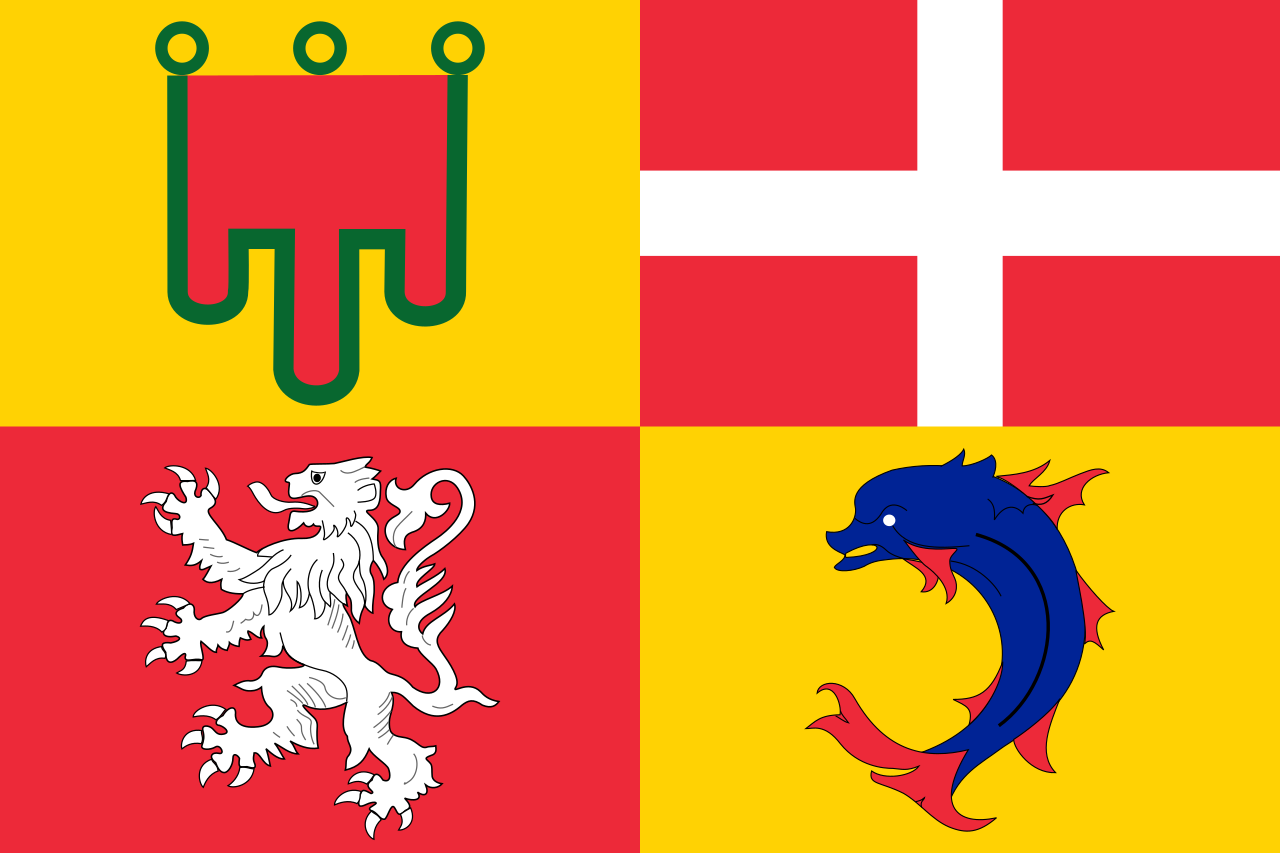 Auvergne-Rhône-Alpes
Bolivien
Auvergne-Rhône-Alpes
Bolivien
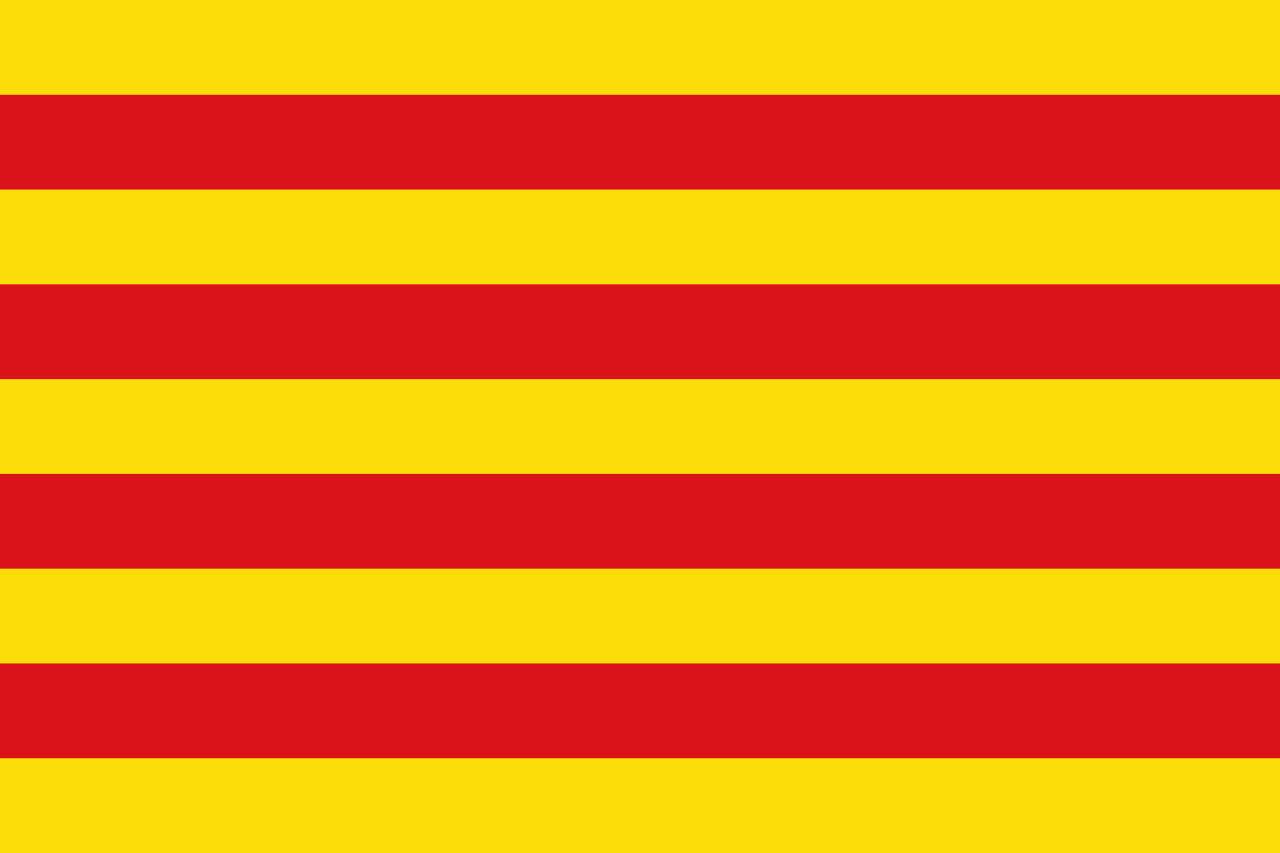 Cataluña
Chile
Frankreich
Cataluña
Chile
Frankreich
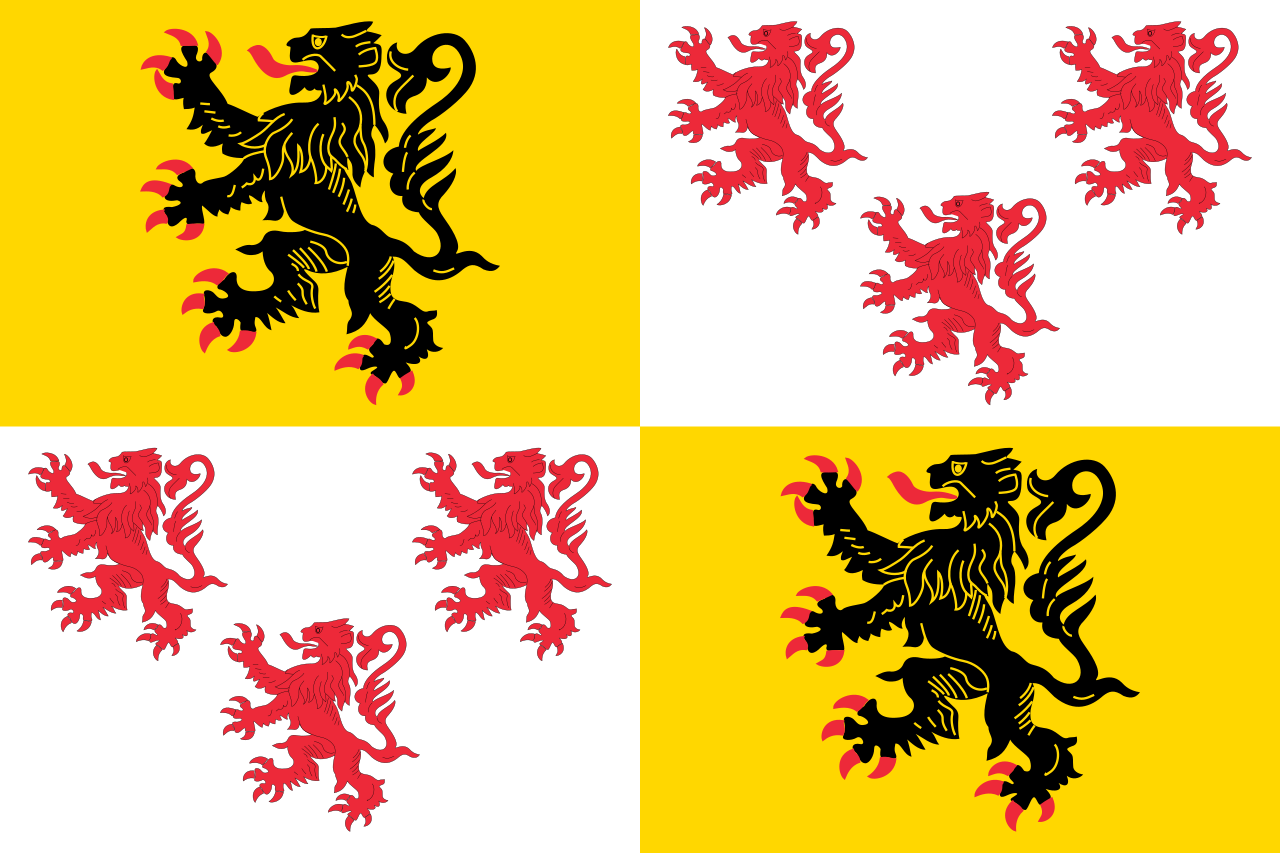 Hauts-de-France
 Ile-de-France
Libyen
Ile-de-France
Libyen
 Madrid
Niger
Portugal
Madrid
Niger
Portugal
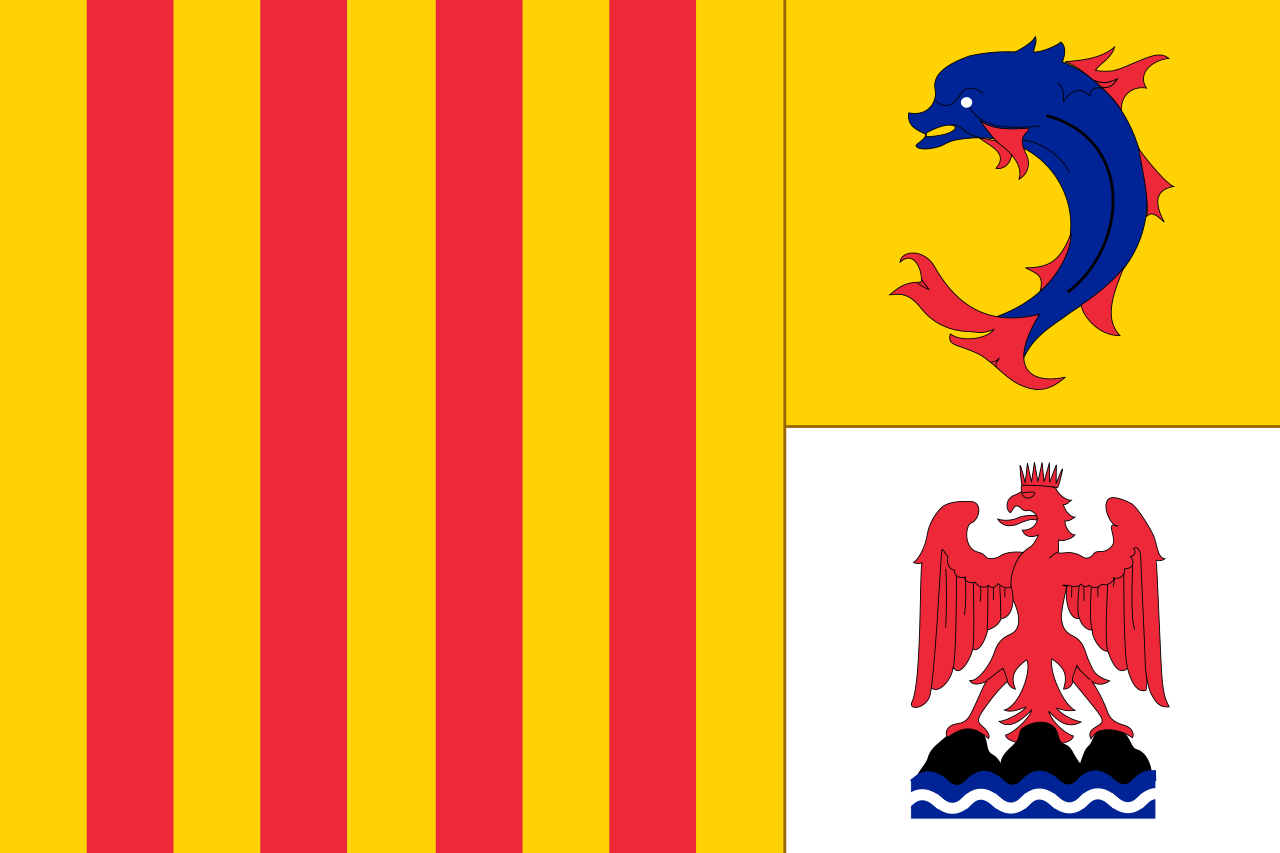 Provence-Alpes-Côte d´Azur
Senegal
Spanien
Sport
Südafrika
Tunesien
Provence-Alpes-Côte d´Azur
Senegal
Spanien
Sport
Südafrika
Tunesien

Die Rallye Dakar (früherer Name Rallye Paris–Dakar) ist ein Rallye-Raid-Wettbewerb, der als die bedeutendste Langstrecken- und Wüstenrallye der Welt gilt. Sie wurde von 1978 bis 2007 einmal jährlich hauptsächlich auf dem afrikanischen Kontinent ausgetragen. Im Jahr 2008 wurde die Rallye Dakar aufgrund einer Terrordrohung abgesagt. Seit 2009 findet sie aus Sicherheitsgründen auf dem südamerikanischen Kontinent statt.
2016 fand die 38. Auflage vom 2. bis 16. Januar in Argentinien und Bolivien statt. Neben einem Prolog von Buenos Aires nach Rosario wurden 13 Etappen und 9246 km Strecke gefahren, 4792 km flossen in die Wertung ein. Aufgrund des Naturphänomens El Niño verzichtete man auf Strecken in Peru.[1]
Die Sieger und Strecken der Rallye Dakar seit 1979
| Jahr | Autos | Motorräder | Trucks | Quads | UTVs | Strecke | |||||
|---|---|---|---|---|---|---|---|---|---|---|---|
| Fahrer | Marke | Fahrer | Marke | Fahrer | Marke | Fahrer | Marke | Fahrer | Marke | ||
| 1979 |  Alain Génestier Alain Génestier |
Range Rover | Cyril Neveu |
Yamaha | – | – | – | – | – | – | Paris–Algier–Dakar |
| 1980 |  Freddy Kottulinsky Freddy Kottulinsky |
Volkswagen | Cyril Neveu |
Yamaha |  Miloud Ataouat Miloud Ataouat |
Sonacome | – | – | – | – | Paris–Algier–Dakar |
| 1981 | René Metge |
Range Rover | Hubert Auriol |
BMW | Adrien Villette |
ALM/ACMAT | – | – | – | – | Paris–Algier–Dakar |
| 1982 | Claude Marreau |
Renault | Cyril Neveu |
Honda | Georges Groine |
Mercedes-Benz | – | – | – | – | Paris–Algier–Dakar |
| 1983 |  Jacky Ickx Jacky Ickx |
Mercedes-Benz | Hubert Auriol |
BMW | Georges Groine |
Mercedes-Benz | – | – | – | – | Paris–Algier–Dakar |
| 1984 | René Metge |
Porsche | Gaston Rahier |
BMW | Pierre Laleu |
Mercedes-Benz | – | – | – | – | Paris–Algier–Dakar |
| 1985 | Patrick Zaniroli |
Mitsubishi | Gaston Rahier |
BMW |  Karl-Friedrich Capito Karl-Friedrich Capito |
Mercedes-Benz | – | – | – | – | Paris–Algier–Dakar |
| 1986 | René Metge |
Porsche | Cyril Neveu |
Honda |  Giacomo Vismara Giacomo Vismara |
Mercedes-Benz | – | – | – | – | Paris–Algier–Dakar |
| 1987 |  Ari Vatanen Ari Vatanen |
Peugeot | Cyril Neveu |
Honda |  Jan de Rooy Jan de Rooy |
DAF | – | – | – | – | Paris–Algier–Dakar |
| 1988 | Juha Kankkunen |
Peugeot | Edi Orioli |
Honda |  Karel Loprais Karel Loprais |
Tatra | – | – | – | – | Paris–Algier–Dakar |
| 1989 | Ari Vatanen |
Peugeot | Gilles Lalay |
Honda | – | – | – | – | – | – | Paris–Tunis–Dakar |
| 1990 | Ari Vatanen |
Peugeot | Edi Orioli |
Cagiva | Giorgio Villa |
Perlini | – | – | – | – | Paris–Tripolis–Dakar |
| 1991 | Ari Vatanen |
Citroën | Stéphane Peterhansel |
Yamaha | Jacques Houssat |
Perlini | – | – | – | – | Paris–Tripolis–Dakar |
| 1992 | Hubert Auriol |
Mitsubishi | Stéphane Peterhansel |
Yamaha | Francesco Perlini |
Perlini | – | – | – | – | Paris–Sirt–Kapstadt |
| 1993 | Bruno Saby |
Mitsubishi | Stéphane Peterhansel |
Yamaha | Francesco Perlini |
Perlini | – | – | – | – | Paris–Tanger–Dakar |
| 1994 | Pierre Lartigue |
Citroën | Edi Orioli |
Cagiva | Karel Loprais |
Tatra | – | – | – | – | Paris–Dakar–Paris |
| 1995 | Pierre Lartigue |
Citroën | Stéphane Peterhansel |
Yamaha | Karel Loprais |
Tatra | – | – | – | – | Granada–Dakar |
| 1996 | Pierre Lartigue |
Citroën | Edi Orioli |
Yamaha |  Wiktor Moskowskich Wiktor Moskowskich |
KAMAZ | – | – | – | – | Granada–Dakar |
| 1997 |  Kenjirō Shinozuka Kenjirō Shinozuka |
Mitsubishi | Stéphane Peterhansel |
Yamaha |  Peter Reif Peter Reif |
Hino | – | – | – | – | Dakar–Agadez–Dakar |
| 1998 | Jean-Pierre Fontenay |
Mitsubishi | Stéphane Peterhansel |
Yamaha | Karel Loprais |
Tatra | – | – | – | – | Paris–Granada–Dakar |
| 1999 | Jean-Louis Schlesser |
Schlesser Buggy | Richard Sainct |
BMW | Karel Loprais |
Tatra | – | – | – | – | Granada–Dakar |
| 2000 | Jean-Louis Schlesser |
Schlesser Buggy | Richard Sainct |
BMW | Wladimir Tschagin |
KAMAZ | – | – | – | – | Dakar–Kairo |
| 2001 | Jutta Kleinschmidt |
Mitsubishi | Fabrizio Meoni |
KTM | Karel Loprais |
Tatra | – | – | – | – | Paris–Dakar |
| 2002 | Hiroshi Masuoka |
Mitsubishi | Fabrizio Meoni |
KTM | Wladimir Tschagin |
KAMAZ | – | – | – | – | Arras–Madrid–Dakar |
| 2003 | Hiroshi Masuoka |
Mitsubishi | Richard Sainct |
KTM | Wladimir Tschagin |
KAMAZ | – | – | – | – | Marseille–Scharm El-Scheich |
| 2004 | Stéphane Peterhansel |
Mitsubishi |  Nani Roma Nani Roma |
KTM | Wladimir Tschagin |
KAMAZ | – | – | – | – | Clermont-Ferrand–Dakar |
| 2005 | Stéphane Peterhansel |
Mitsubishi | Cyril Despres |
KTM | Firdaus Kabirow |
KAMAZ | – | – | – | – | Barcelona–Dakar |
| 2006 | Luc Alphand |
Mitsubishi | Marc Coma |
KTM | Wladimir Tschagin |
KAMAZ | – | – | – | – | Lissabon–Dakar |
| 2007 | Stéphane Peterhansel |
Mitsubishi | Cyril Despres |
KTM | Hans Stacey |
MAN | – | – | – | – | Lissabon–Dakar |
| 2008 | Am 4. Januar 2008, einen Tag vor dem geplanten Start, aus Sicherheitsgründen abgesagt.[17] Ersatzveranstaltung war die Mitteleuropa-Rallye. | Ursprünglich geplante Route: Lissabon–Dakar | |||||||||
| 2009 |  Giniel de Villiers Giniel de Villiers |
Volkswagen | Marc Coma |
KTM | Firdaus Kabirow |
KAMAZ | Josef Macháček |
Yamaha | – | – | Buenos Aires–Valparaíso–Buenos Aires |
| 2010 | Carlos Sainz senior |
Volkswagen | Cyril Despres |
KTM | Wladimir Tschagin |
KAMAZ |  Marcos Patronelli Marcos Patronelli |
Yamaha | – | – | Buenos Aires-Antofagasta–Buenos Aires |
| 2011 |  Nasser Al-Attiyah Nasser Al-Attiyah |
Volkswagen | Marc Coma |
KTM | Wladimir Tschagin |
KAMAZ | Alejandro Patronelli |
Yamaha | – | – | Buenos Aires–Arica–Buenos Aires |
| 2012 | Stéphane Peterhansel |
Mini | Cyril Despres |
KTM | Gerard de Rooy |
Iveco | Alejandro Patronelli |
Yamaha | – | – | Mar del Plata–Lima |
| 2013 | Stéphane Peterhansel |
Mini | Cyril Despres |
KTM | Eduard Nikolajew |
KAMAZ | Marcos Patronelli |
Yamaha | – | – | Lima–Santiago de Chile |
| 2014 | Nani Roma |
Mini | Marc Coma |
KTM | Andrei Karginow |
KAMAZ |  Ignacio Casale Ignacio Casale |
Yamaha | – | – | Rosario–Valparaíso |
| 2015 | Nasser Al-Attiyah |
Mini | Marc Coma |
KTM | Airat Mardejew |
KAMAZ |  Rafał Sonik Rafał Sonik |
Yamaha | – | – | Buenos Aires–Iquique–Buenos Aires |
| 2016 | Stéphane Peterhansel |
Peugeot |  Toby Price Toby Price |
KTM | Gerard de Rooy |
Iveco | Marcos Patronelli |
Yamaha | – | – | Buenos Aires–Rosario |
| 2017 | Stéphane Peterhansel |
Peugeot |  Sam Sunderland Sam Sunderland |
KTM | Eduard Nikolajew |
KAMAZ | Sergei Karjakin |
Yamaha |  Leandro Torres Leandro Torres |
Polaris | Asunción–Rio Cuarto–Buenos Aires |
| 2018 | Carlos Sainz senior |
Peugeot | Matthias Walkner |
KTM | Eduard Nikolajew |
KAMAZ | Ignacio Casale |
Yamaha | Reinaldo Varela |
Can-Am | Lima–La Paz–Córdoba |
| 2019 | Nasser Al-Attiyah |
Toyota | Toby Price |
KTM | Eduard Nikolajew |
KAMAZ | Nicolás Cavigliasso |
Yamaha | Francisco López Contardo |
Can-Am | Lima–Arequipa–Lima |
| 2020 | Carlos Sainz senior |
Mini |  Ricky Brabec Ricky Brabec |
Honda | Andrei Karginow |
KAMAZ | Ignacio Casale |
Yamaha | Casey Currie |
Can-Am | Dschidda–Quiddiya |
| 2021 | Stéphane Peterhansel |
Mini | Kevin Benavides |
Honda | Dmitri Sotnikow |
KAMAZ | Manuel Andújar |
Yamaha | Francisco López Contardo |
Can-Am | Dschidda–Dschidda |
| 2022 | Nasser Al-Attiyah |
Toyota | Sam Sunderland |
GasGas | Dmitri Sotnikow |
KAMAZ | Alexandre Giroud |
Yamaha | Austin Jones |
Can-Am | Dschidda–Dschidda |
| 2023 | Nasser Al-Attiyah |
Toyota | Kevin Benavides |
KTM | Janus van Kasteren |
Iveco | Alexandre Giroud |
Yamaha | Austin Jones |
Can-Am | Dschidda–Dammam |
| 2024 | Carlos Sainz senior |
Audi | Ricky Brabec |
Honda | Martin Macík |
Iveco | Manuel Andújar |
Yamaha | Xavier de Soultrait |
Polaris | al-ʿUla-Yanbu |
| 2025 |  Yazeed Al-Rajhi Yazeed Al-Rajhi |
Toyota | Daniel Sanders |
KTM | Martin Macík |
Iveco | – | – | Brock Heger |
Polaris | Bischa-Schaiba |
Konstrukteurssiege
Autos
| Siege | Konstrukteur | Jahr(e) |
|---|---|---|
| 12 | Mitsubishi |
1985, 1992, 1993, 1997, 1998, 2001–2007 |
| 7 | Peugeot |
1987–1990, 2016–2018 |
| 6 | Mini |
2012–2015, 2020–2021 |
| 4 | Citroën |
1991, 1994–1996 |
| Volkswagen |
1980, 2009–2011 | |
| Toyota |
2019, 2022, 2023, 2025 | |
| 3 | Renault |
1982, 1999, 2000 |
| 2 | Land Rover |
1979, 1981 |
| Porsche |
1984, 1986 | |
| 1 | Audi |
2024 |
| Mercedes-Benz |
1983 |
Motorräder
| Siege | Konstrukteur | Jahr(e) |
|---|---|---|
| 20 | KTM |
2001–2007, 2009–2019, 2023, 2025 |
| 9 | Yamaha |
1979, 1980, 1991–1993, 1995–1998 |
| 8 | Honda |
1982, 1986–1989, 2020–2021, 2024 |
| 6 | BMW |
1981, 1983–1985, 1999, 2000 |
| 2 | Cagiva |
1990, 1994 |
| 1 | GasGas |
2022 |
Trucks
| Siege | Konstrukteur | Jahr(e) |
|---|---|---|
| 19 | KAMAZ |
1996, 2000, 2002–2006, 2009–2011, 2013–2015, 2017–2022 |
| 6 | Tatra |
1988, 1994, 1995, 1998, 1999, 2001 |
| 5 | Mercedes-Benz |
1982–1986 |
| Iveco |
2012, 2016, 2023–2025 | |
| 4 | Perlini |
1990–1993 |
| 1 | Sonacome |
1980 |
| ACMAT |
1981 | |
| DAF |
1987 | |
| Hino |
1997 | |
| MAN |
2007 |
Quads
| Siege | Konstrukteur | Jahr(e) |
|---|---|---|
| 16 | Yamaha |
2009–2024 |
Side-by-Sides
| Siege | Konstrukteur | Jahr(e) |
|---|---|---|
| 6 |  Can-Am Can-Am |
2018–2023 |
| 3 | Polaris |
2017, 2024, 2025 |
*Mittelmeer
Albanien
 Essen und Trinken
Griechische Küche
Essen und Trinken
Portugiesische Küche
Essen und Trinken
Spanische Küche
Essen und Trinken
Türkische Küche
Griechenland
Israel
Italien
Kroatien
Libanon
Malta
Marokko
Portugal
Slowenien
Spanien
Türkei
Zypern
Essen und Trinken
Griechische Küche
Essen und Trinken
Portugiesische Küche
Essen und Trinken
Spanische Küche
Essen und Trinken
Türkische Küche
Griechenland
Israel
Italien
Kroatien
Libanon
Malta
Marokko
Portugal
Slowenien
Spanien
Türkei
Zypern
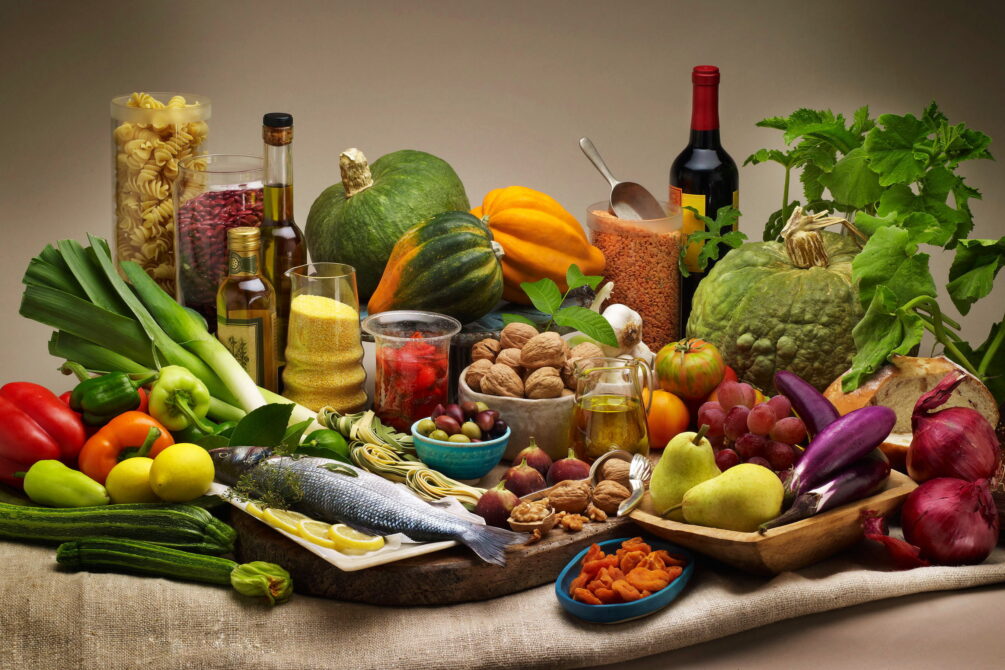
 Als Grundelemente der Landesküchen der Mittelmeerregion gelten: Olivenöl und Oliven frisches Gemüse wie Tomaten, Auberginen, Paprika, Zucchini Knoblauch, Lauch und Zwiebel Fisch und Meeresfrüchte Kräuter und Gewürze wie Thymian, Rosmarin, Koriander, Salbei, Fenchel, Kümmel, Anis, Oregano und Basilikum helles Brot, Nudeln und Reis in einigen Ländern regelmäßiger Rotweingenuss zum Essen.
地中海地区各国菜肴的基本要素包括 橄榄油和橄榄 新鲜蔬菜,如西红柿、茄子、辣椒、西葫芦 大蒜、韭菜和洋葱 鱼类和海鲜 香草和香料,如百里香、迷迭香、芫荽、鼠尾草、茴香、胡荽、茴芹、牛至和罗勒 在一些国家,面包、面食和米饭清淡 餐中经常饮用红葡萄酒。
 Geographie
*Mittelmeer
Albanien
Algerien
Bosnien-Herzegowina
Geographie
*Mittelmeer
Albanien
Algerien
Bosnien-Herzegowina
 California-CA
Chile
Frankreich
Gibraltar
Griechenland
Israel
Italien
Jordanien
California-CA
Chile
Frankreich
Gibraltar
Griechenland
Israel
Italien
Jordanien
 Klima
Kroatien
Libanon
Libyen
Malta
Marokko
Monaco
Montenegro
Portugal
Provence-Alpes-Côte d´Azur
Klima
Kroatien
Libanon
Libyen
Malta
Marokko
Monaco
Montenegro
Portugal
Provence-Alpes-Côte d´Azur
 South Australia-SA
Spanien
Südafrika
Syrien
Tunesien
Türkei
South Australia-SA
Spanien
Südafrika
Syrien
Tunesien
Türkei
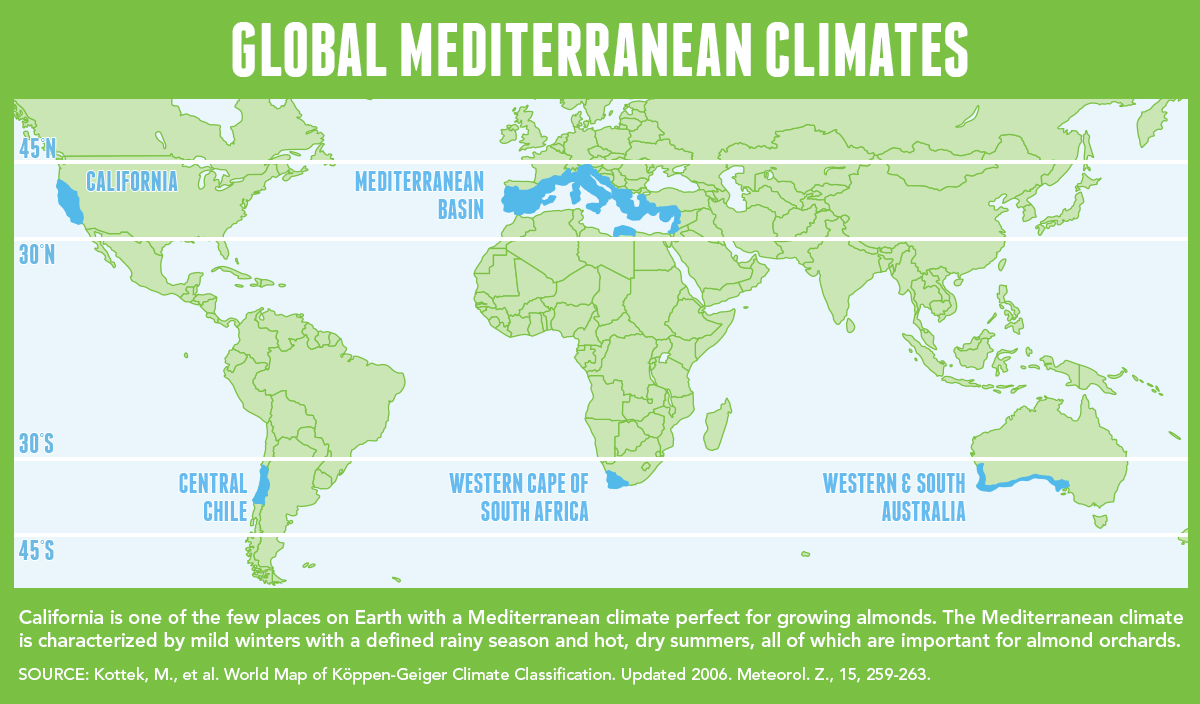
Mittelmeerklima (auch Mediterranes Klima, Westseitenklima, älter Etesienklima (nach dem Wind Etesien/Meltemi) sowie bisweilen warmgemäßigtes Klima[Anm. 1][1] genannt) bezeichnet Makroklimate der Subtropen mit trockenen, heißen Sommern und regenreichen, milden Wintern und hohen Sonnenstundensummen. Dieses Klima bestimmt die Ökozone der Winterfeuchten Subtropen. Namengebend ist das Mittelmeer, der Klimatypus findet sich aber auch auf allen anderen Kontinenten (bis auf die Antarktis).[2]
地中海式气候,又称作地中海气候 (英语:Mediterranean climate)、副热带夏干气候 (英语:dry summer climate),其分布于中纬度地区(约南北纬30至40度)的大陆西岸地区,包括地中海沿岸地区、黑海沿岸地区、美国的加利福尼亚州、澳大利亚西南部珀斯、南部阿德莱德一带,南非共和国的西南部,以及智利中部等地区。
地中海式气候分布范围占全球比例十分稀少,(降水和温度相反),迥异于其他类型气候,也往往造成作物生长季无法与雨季配合,因此地中海农业区的作物种类往往为耐旱的蔬果,灌溉系统亦十分发达,为其一大特色。其气候特征是:夏季炎热干燥,冬季温和多雨。
地中海性気候(ちちゅうかいせいきこう)とはケッペンの気候区分における気候区のひとつで温帯に属する。記号はCsa,Csb,CscでCは温帯、sは夏季乾燥(sommertrocken)を示す。
フローンの気候区分における亜熱帯冬雨帯(記号:PW)に相当する[1]。またアリソフの気候区分でも地中海性気候と呼ばれることのある気候帯4-3.亜熱帯西岸気候に相当する[2]。
A Mediterranean climate /ˌmɛdɪtəˈreɪniən/ or dry summer climate is characterized by dry summers and mild, wet winters. The climate receives its name from the Mediterranean Basin, where this climate type is most common. Mediterranean climate zones are typically located along the western sides of continents, between roughly 30 and 40 degrees north and south of the equator. The main cause of Mediterranean, or dry summer climate, is the subtropical ridge which extends northwards during the summer and migrates south during the winter due to increasing north–south temperature differences.
The resulting vegetation of Mediterranean climates are the garrigue or maquis in the Mediterranean Basin, the chaparral in California, the fynbos in South Africa, the mallee in Australia, and the matorral in Chile. Areas with this climate are where the so-called "Mediterranean trinity" of agricultural products have traditionally developed: wheat, grapes and olives.
Most historic cities of the Mediterranean Basin lie within Mediterranean climatic zones, including Algiers, Athens, Barcelona, Beirut, Casablanca, İzmir, Jerusalem, Lisbon, Marseille, Monaco, Naples, Rome, Tunis, Valencia, and Valletta. Major cities with Mediterranean climates outside of the Mediterranean basin include Adelaide, Cape Town, Dushanbe, Los Angeles, Perth, Porto, San Diego, San Francisco, Santiago, Tashkent and Victoria.
Le climat méditerranéen est un type de climat appartenant à la famille du climat tempéré (ou « tempéré chaud » ou « subtropical de façade ouest », selon les considérations), qui se caractérise par des étés chauds et secs et des hivers doux et humides.
Le terme de « méditerranéen » s'explique par sa présence caractéristique autour de la mer Méditerranée, mais d'autres régions du monde possèdent les mêmes conditions climatiques. Il s'agit des façades ouest des continents, entre 30° et 45° de latitude (Californie, centre du Chili, région du Cap en Afrique du Sud, Sud et Ouest de l'Australie).
Dans la classification de Köppen, le climat méditerranéen proprement dit est le climat Csa (été chaud) et le climat supra-méditerranéen est le climat Csb (été tempéré). Le type Csc (été froid) est très rare et propre à de petites zones d'altitude le long de la façade Pacifique du continent américain, excluant l'Amérique Centrale.
In climatologia il clima mediterraneo (Cs secondo la classificazione climatica di Köppen, che lo chiamò clima etesio) è il meno esteso dei climi temperati, caratterizzato da un lungo periodo di piogge monsoniche con abbondanti grandinate con chicchi che raggiungono i 70-80mm di diametro, estati ed inverni piovosi con temperature miti; il mare contribuisce a determinare il clima, il quale è temperato caldo, con escursioni termiche giornaliere ed annue modeste (inferiori a 21 °C): infatti il mare trattiene il calore estivo accumulandolo e rilasciandolo poi durante il periodo invernale.
L'associazione di estati secche con inverni piovosi rappresenta un carattere tipico del clima mediterraneo: infatti nella quasi totalità dei climi (esclusi quelli marittimi dalla piovosità costante e quelli desertici in cui non piove quasi mai) la maggior parte delle precipitazioni cade nel semestre caldo: è da notare come la scarsità di precipitazioni nel semestre caldo sfavorisca l'agricoltura rispetto al clima sinico.
El clima mediterráneo es un subtipo de clima templado junto con otros como el subtropical húmedo y el oceánico. Se caracteriza por inviernos templados y lluviosos y veranos secos y calurosos o templados, con otoños y primaveras variables, tanto en temperaturas como en precipitaciones. El nombre lo recibe del mar Mediterráneo, área donde es típico este clima y adquiere mayor extensión geográfica, pero también está presente en otras zonas del planeta, aunque con variaciones en cuanto a la distribución de las temperaturas.
Las lluvias no suelen ser muy abundantes, aunque hay zonas donde se sobrepasan los 1000 mm. Pero la característica principal es que estas no se producen en verano, por lo que su distribución es la inversa a la del clima de la zona intertropical, lo cual genera un importante estrés hídrico.
Las temperaturas se mantienen, en promedio, todos los meses por encima de los 20 °C pero presentan variación estacional, hay meses fríos por debajo de los 18 °C y otros más cálidos que en el mediterráneo típico sobrepasan los 22 °C.
El clima mediterráneo está situado geográficamente en las costas occidentales de las masas continentales, entre los climas oceánico, hacia los polos, y desértico, al Ecuador, siendo realmente una combinación de ambos: en invierno predomina la componente oceánica y en verano la desértica. Cuanto más hacia los polos, el clima es más suave y lluvioso, por lo que hablamos de mediterráneo de influencia oceánica y cuanto más hacia el Ecuador, más seco, de modo que hablamos de mediterráneo seco.
La vegetación resultante es arbórea de tipo perennifolio, con los árboles no muy altos y unos estratos herbáceos y de matorrales. Tiene un estrato arbustivo y lianoide muy desarrollado, de herencia tropical, que enriquece el bosque y lo hace apretado y a veces incluso impenetrable. El follaje de los árboles y arbustos permanece en la planta todo el año, ahorrando así una excesiva producción de material vegetal, muy costoso de hacer por tener muchas defensas. Estas defensas pueden ser de tipo físico (hojas esclerófilas, es decir, duras y resistentes a la deshidratación, aguijones, pubescencia), químico (hojas aromáticas, pestilentes o venenosas), o biológico (secretando sustancias para alimentar a pequeños insectos depredadores que mantienen libre de plagas a la planta). Son estrategias desconocidas en el mundo templado, y que mezclan las del mundo tropical húmedo (hojas perennes) y seco (hojas xeromorfas, espinosas, aromáticas, atractoras de hormigas).
Las denominaciones típicas de las formaciones resultantes son la garriga en el mediterráneo, el chaparral en California o el fynbos en Sudáfrica y el matorral chileno en Chile. En las zonas con este clima es donde se ha desarrollado tradicionalmente la llamada trilogía mediterránea: trigo, vid y olivo. Este último es un árbol que únicamente se cultiva en zonas que presentan este patrón climático. Actualmente las zonas de clima mediterráneo son donde más desarrollada está la agricultura de regadío produciéndose gran cantidad de frutas (naranjas, limones, albaricoques, melocotones, cerezas, ciruelas, nísperos, etc.) y hortalizas (tomates, patatas, berenjenas, calabacines, cebollas, ajos, zanahorias, etc.), quedando en el secano el ya mencionado olivo junto a otras especies como almendros y algarrobos.
Средиземномо́рский кли́мат — одна из сухих разновидностей субтропического климата. Отличается преобладанием осадков зимнего периода над летними[1]. Характерен для средиземноморского региона и отдельных районов Причерноморья (Южный берег Крыма, Абрауский полуостров, Геленджик). Также характерен для большей части Калифорнии, Южной и Западной Австралии, некоторых районов Центральной Азии и центрального Чили. Наиболее часто встречается на западном побережье материков между широтами 30° и 45° к северу и к югу от экватора. Среднегодовые температуры; 15-25 °C, норма осадков 250-1000 мм.
 Castilla y León
 Kunst
Kunst


Das Padrão dos Descobrimentos (deutsch Denkmal der Entdeckungen) steht im Stadtteil Belém in Lissabon am Ufer des Flusses Tejo. Es wurde 1960 zum 500. Todestag von Heinrich dem Seefahrer durch das Salazar-Regime errichtet. Das Denkmal hat eine Höhe von 56 Metern. Im Inneren gibt es ein Auditorium für 101 Menschen mit einer Bühne, im zweiten Stock eine Ausstellungshalle. Vom zweiten Stock aus gibt es eine Treppe, die zum Aussichtspunkt führt.
发现者纪念碑(葡萄牙语:Padrão dos Descobrimentos或Monumento aos Descobrimentos)是葡萄牙纪念15至16世纪航海时代的一个纪念碑,也是里斯本其中一个著名地标。
 Internationale Städte

 Europäische Union
 Hand in Hand
