
Deutsch-Chinesische Enzyklopädie, 德汉百科
 瑞士
瑞士
 影视制作
影视制作
 假期和旅游
假期和旅游
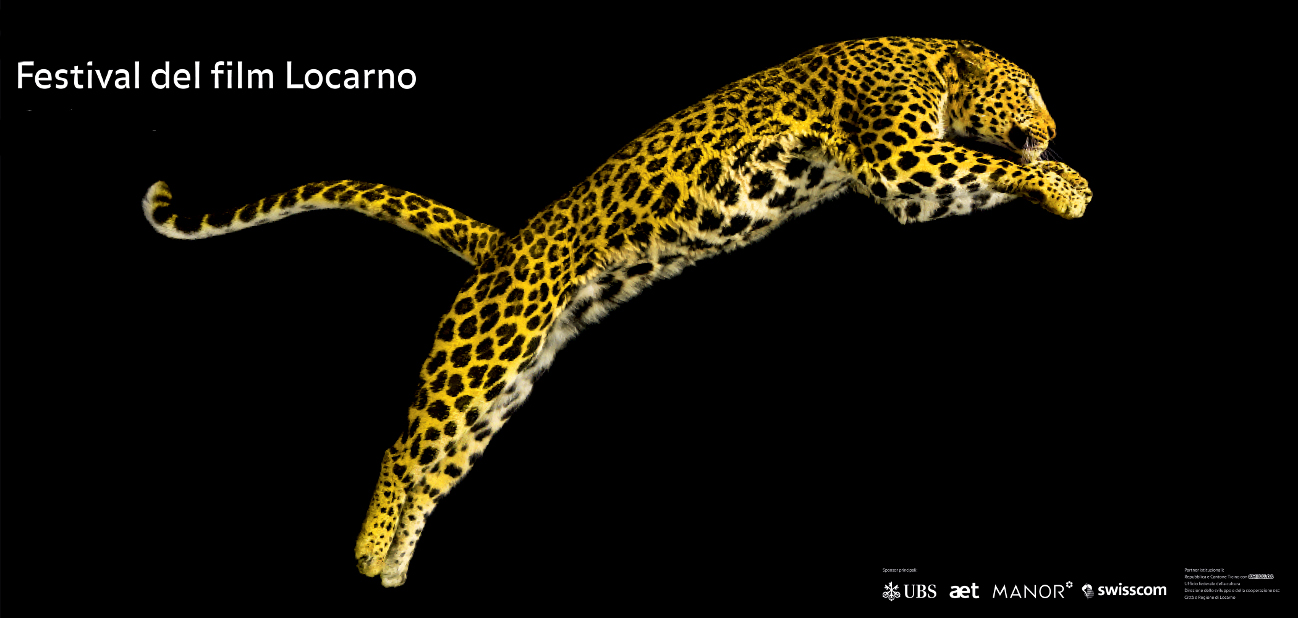
瑞士第一个国际电影节,世界上最早的国际电影节之一。创办于1946年(另一说是1948年)。每年 7月至8月之间举行,为期两周。每年有20~30个国家参加,放映几十部影片。电影节的主要目的是放映瑞士从未看过的外国影片,鼓励各国青年导演或新导演拍摄具有新风格和新内容的影片。
| 第1-10届 | 第11-13届 | 第14-16届 | 第17-20届 | 第21-22届 | 第23-24届 | 第25-26届 |
| 第27-28届 | 第29-30届 | 第31-32届 | 第33-35届 | 第36-37届 | 第38-39届 | 第40-41届 |
| 第42-43届 | 第44-45届 | 第46-47届 | 第48-49届 | 第50-51届 | 第52-53届 | 第54-55届 |
| 第56届 | 第57届 | 第58届 |
 体育
*国际奥林匹克委员会
体育
*国际奥林匹克委员会
 泽麦特里乌斯·维凯拉斯
*国际奥林匹克委员会
艾弗里·布伦戴奇
*国际奥林匹克委员会
哥迪弗里伊·德·布洛奈
*国际奥林匹克委员会
亨利·德·巴耶-拉图尔
*国际奥林匹克委员会
Jacques Rogge
*国际奥林匹克委员会
胡安·安东尼奥·萨马兰奇
*国际奥林匹克委员会
迈克尔·莫里斯,第三代基拉宁男爵
*国际奥林匹克委员会
皮埃尔·德·顾拜旦
*国际奥林匹克委员会
西格弗里德·埃德斯特隆
*国际奥林匹克委员会
托马斯·巴赫
*国际奥林匹克委员会
柯丝蒂·考文垂
2016夏季奥林匹克运动会
2020夏季奥林匹克运动会
泽麦特里乌斯·维凯拉斯
*国际奥林匹克委员会
艾弗里·布伦戴奇
*国际奥林匹克委员会
哥迪弗里伊·德·布洛奈
*国际奥林匹克委员会
亨利·德·巴耶-拉图尔
*国际奥林匹克委员会
Jacques Rogge
*国际奥林匹克委员会
胡安·安东尼奥·萨马兰奇
*国际奥林匹克委员会
迈克尔·莫里斯,第三代基拉宁男爵
*国际奥林匹克委员会
皮埃尔·德·顾拜旦
*国际奥林匹克委员会
西格弗里德·埃德斯特隆
*国际奥林匹克委员会
托马斯·巴赫
*国际奥林匹克委员会
柯丝蒂·考文垂
2016夏季奥林匹克运动会
2020夏季奥林匹克运动会
 2024夏季奥林匹克运动会
2028夏季奥林匹克运动会
2018冬季奥林匹克运动会
2022冬季奥林匹克运动会
2026年冬季奥林匹克运动会
瑞士
洛桑
2024夏季奥林匹克运动会
2028夏季奥林匹克运动会
2018冬季奥林匹克运动会
2022冬季奥林匹克运动会
2026年冬季奥林匹克运动会
瑞士
洛桑
 重要的国际组织
国际奥委会总部设在瑞士洛桑 国际奥林匹克委员会于1894年6月23日 成立,共有49个体育组织和12个国家的79名代表参 加在巴黎举行的成立大会。国际奥委会总部设在瑞士洛桑。 国际奥委会是一个非政府性、非盈利性和永久性的国 际体育组织。它是领导奥林匹克运动和决定有关奥林匹克 运动问题的最高权力机关。 国际奥委会与其成员国或地区,以及国际单项体育组 织相互承认。 国际奥委会宗旨是:鼓励组织和发展体育运动和体育 竞赛;在奥林匹克思想指导下,鼓舞和领导体育运动,从 而促进和加强各国运动员之间的友谊;保证按期举办奥运 会。 国际奥委会对每4年举办一次的奥运会拥有一切权力。 从1924年开始又单独举行冬季奥运会,也是4年 一次。 国际奥委会是依照奥林匹克宪章领导奥林匹克运动的。 宪章包括73项规则及其实施细目。国际奥委会是奥运会 及其五环会徽的专管机构。 国际奥委会全体会议的任务之一,是选定每届奥运会 的主办城市。根据国际奥委会的规定,主席不参加申办奥 运会的投票。 由奥委会全体会议选出国际奥委会主席,任期8年。 主席任期的延长期限只有4年。全体会议还要选出任期4 年的4名副主席和6名委员,由他们与主席一起组成执行 委员会。 法语和英语是国际奥委会的两种官方工作语言,它还 有另外四种工作语言:德语、西班牙语、俄语和阿拉伯语。 国际奥委会委员是由奥委会全体会议选举产生的,委 员数目并不是固定的。 国际奥委会全体会议的职能就像议会一样,它每年举 行一次会议。国际奥委会委员是国际奥委会驻在委员所在 国的使节,而不是委员所在国驻国际奥委会的代表。一个 国家只能出一名奥委会委员,对于那些已组织过一次以上 奥运会(冬季奥运会或夏委奥运会)的国家则不在此列, 这样的国家可以出两名委员。 国际奥委会执行委员会每年至少开4次执委会议。 1993年奥委会共有委员91人,按洲际分布是: 欧洲38人,非洲16人、拉丁美洲16人、亚洲14人、 大洋洲4人、北美洲3人。 在奥委会委员中,除了那些在1966年以前自行选 出的委员,以及那些作为终身委员的人士之外,凡年龄到 了75岁的委员,就将成为名誉委员。截止1993年有 终身委员12位。 在国际奥委会代表大会期间和奥运会期间,均为"义 务工作者"的普通委员每人每天在洛桑可获得105美元 的津贴,在洛桑以外的地方为150美元1天。执委会成 员在职执委开会期间可获得1000美元。 1999年12月12日,国际奥委会在瑞士洛桑召 开了第110届全会。在会上国际奥委会采纳了" 2000年委员会"提出的50条改革措施,部分修改了 奥林匹克宪章,对国际奥委会的组成以及奥运会主办城市 的选择方式等作出了重大调整。 大会决定,国际奥委会委员人数增至115人,其中 最多可以包括15名运动员,15名国际单项运动联合会 的主席,15名国家或各大洲奥委会主席,其余还有70 名个人委员;国际奥委会的委员任期为8年,可以连任; 当选的新委员年龄最大不得超过70岁;国家奥委会主席 的任期最长不得超过12年;奥委会的执行委员会的人数 也将由11名增加到15名。会议还决定设立由国际单项 运动联合会、国际奥委会、运动员委员会等体育组织的代 表组成评价委员会,负责对奥运会申办城市的评估,同时 禁止国际奥委会委员访问申办城市。 成员国: 截止1998年12月,国际奥委会共拥有200个 成员国或地区。 1993年6月20日国际奥委会执委会决定暂时承 认马其顿为其成员。同年9月,巴勒斯坦被接受为临时委 员。 1993年9月,布隆迪、佛得角、科摩罗群岛、圣 多美和普林西比、多米尼加等被接纳为新成员。 1994年6月,瑙鲁加入国际奥委会。 1995年7月,柬埔寨、几内亚比绍加入国际奥委 会。 1998年12月,帕劳、厄立特里亚加入国际奥委 会。 出版物:《奥林匹克月刊》;《奥林匹克通讯》。
国际奥林匹克委员会(简称国际奥委会;法语:Comité international olympique,CIO;英语:International Olympic Committee,IOC)是一个非政府、非营利的国际体育组织,总部位于瑞士洛桑。由法国人皮埃尔·德·顾拜旦于1894年6月23日建立,首任主席是泽麦特里乌斯·维凯拉斯。目前有100个委员和32个荣誉委员。
国际奥委会组织举办奥林匹克运动会、青年奥林匹克运动会、冬季奥林匹克运动会、残疾人奥林匹克运动会。它组织的首届夏季奥运会于1896年于希腊雅典举行,首届冬奥会于1924年在法国霞慕尼举行,首届青奥会于2010年在新加坡举行。
国际奥委会依照《奥林匹克宪章》领导奥林匹克运动,为奥林匹克运动会及其五环会徽的专管机构,和领导奥林匹克运动和决定有关奥林匹克运动问题的最高权力机关;对每4年举办一次的奥运会拥有一切权力;它与其成员国或地区,以及国际单项体育组织相互承认。其第一负责人即国际奥林匹克委员会主席,由国际奥委会全体会议选出,另设副主席4人,委员6名;工作语言为法语和英语,另外还使用德语、西班牙语、俄语和阿拉伯语。国际奥委会为带有奥林匹克休战永久性质的联合国观察员
Das Internationale Olympische Komitee (kurz IOK; französisch Comité International Olympique, CIO; englisch International Olympic Committee, IOC; auch im Deutschen meist Verwendung der englischen Abkürzung IOC) ist eine nichtstaatliche Organisation in der Rechtsform eines Vereins mit Sitz im schweizerischen Lausanne. Zweck des Komitees, das aus bis zu 115 regulären Mitgliedern besteht, ist die Organisation und Betreuung der Olympischen Spiele der Neuzeit. Es hält die Schirmherrschaft über die Olympische Bewegung und beansprucht alle Rechte an den olympischen Symbolen, wie Fahne, Mottos und Hymne, sowie an den Spielen selbst. Seine Hauptverantwortung liegt in der Betreuung und Organisation der Sommer- und Winterspiele. Verkehrssprachen sind Französisch und Englisch.
国際オリンピック委員会(こくさいオリンピックいいんかい、仏: Comité international olympique、CIO、英: International Olympic Committee、IOC、以下IOCと記述)は、近代オリンピックを主催する団体であり、またオリンピックに参加する各種国際スポーツ統括団体を統括する組織である。本部はスイス・ローザンヌのオリンピックハウス。
2009年に国際連合総会オブザーバー資格を得たため、国際機関の一つと思われがちだが、非政府組織 (NGO)の非営利団体 (NPO)であり、その運営資金は、主に放映権料販売とスポンサーシップ収入による。
The International Olympic Committee (IOC; French: Comité international olympique, CIO) is a non-governmental sports organisation based in Lausanne, Switzerland. Founded by Pierre de Coubertin and Demetrios Vikelas in 1894, it is the authority responsible for organising the modern Summer and Winter Olympic Games.[2]
The IOC is the governing body of the National Olympic Committees (NOCs), which are the national constituents of the worldwide Olympic Movement. As of 2016, there are 206 NOCs officially recognised by the IOC. The current president of the IOC is Thomas Bach of Germany, who succeeded Jacques Rogge of Belgium in September 2013.[3]
Le Comité international olympique (CIO) est une organisation créée par Pierre de Coubertin en 18941, pour réinstaurer les Jeux olympiques antiques puis organiser cet événement sportif tous les quatre ans, puis en alternant tous les deux ans à partir de 1994, Jeux olympiques d'été et Jeux olympiques d'hiver.
Depuis 1981, c'est une organisation internationale non gouvernementale à but non lucratif dont le siège est à Lausanne selon la Charte olympique2. Cette association est dotée de la personnalité juridique à durée illimitée et son statut est reconnu par la Confédération suisse par arrêté du Conseil fédéral du 17 septembre 1981. Depuis le 10 septembre 2013 et pour une période de huit ans, le neuvième président du CIO est Thomas Bach.
Il Comitato Olimpico Internazionale, noto anche come CIO (dalle iniziali del nome originale francese: Comité International Olympique), è un'organizzazione non governativa creata da Pierre de Coubertin nel 1894 per far rinascere i Giochi olimpici della Grecia antica attraverso un evento sportivo quadriennale dove gli atleti di tutti i paesi potessero competere fra loro. Dal 2013 è presieduto dal tedesco Thomas Bach. È il massimo organismo sportivo mondiale.
El Comité Olímpico Internacional (COI; en francés, Comité international olympique, CIO; en inglés, International Olympic Committee, IOC)Nota 1 es un organismo encargado de promover el olimpismo en el mundo y coordinar las actividades del Movimiento Olímpico.4 Fue creado el 23 de junio de 1894 por el barón Pierre de Coubertin en París con el fin de revivir los Juegos Olímpicos Antiguos.
Está encargado de supervisar y administrar todo lo concerniente a los Juegos Olímpicos. Es dueño de todos los derechos asociados a los símbolos olímpicos: la bandera, el himno, el lema, el juramento y los juegos. Controla los derechos de transmisión de los juegos, la publicidad y demás actividades de acuerdo a la Carta Olímpica. Por otra parte, es el encargado de seleccionar las ciudades que serán sedes de los Juegos Olímpicos cada cuatro años.
Междунаро́дный олимпи́йский комите́т (сокр. МОК, фр. Comité international olympique, англ. International Olympic Committee) — международная организация, созданная для возрождения Олимпийских игр и пропаганды олимпийского движения. Штаб-квартира комитета находится в Лозанне (Швейцария).
МОК основан по инициативе барона Пьера де Кубертена 23 июня 1894 года в Париже с целью возрождения и организации Олимпийских игр[2]. Первым президентом МОК стал грек Деметриус Викелас[3].
Официальные языки — английский и французский. Девиз — «Быстрее, выше, сильнее» (лат. Citius, altius, fortius)[2]. Ежегодно 23 июня празднуется Международный Олимпийский день.
 欧洲联盟
欧洲联盟
 手拉手
手拉手
 政党和政府组织

 文学
文学
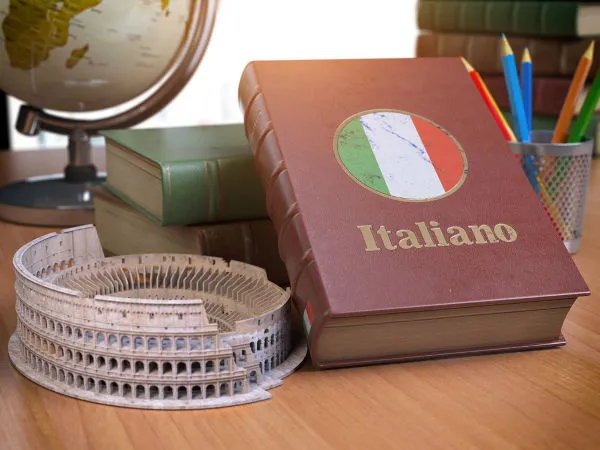
意大利语(Italiano),中文也简称为意语,隶属于印欧语系的罗曼语族。现有7千万人日常用意大利语,大多是意大利居民。另有28个国家使用意大利语,其中4个立它为官方语言。标准意大利语源自于托斯卡纳语中的佛罗伦萨方言,发音处于意大利中北部方言之间。标准音近来稍微加进了经济较为发达的米兰地区口音。在作曲领域中,亦使用为数不少的意大利文字词。意大利语和拉丁语一样,有长辅音。其他的罗曼语族语言如西班牙语、法语已无长辅音。
Italienisch (Italienisch lingua italiana, italiano [itaˈli̯aːno]) ist eine Sprache aus dem romanischen Zweig der indogermanischen Sprachen. Innerhalb dieses Sprachzweiges gehört das Italienische zur Gruppe der italoromanischen Sprachen.
イタリア語(イタリアご、Italiano [itaˈljaːno] ( 音声ファイル), Lingua italiana)は、インド・ヨーロッパ語族イタリック語派に属する言語の1つで、おおよそ6千万人ほどが日常的に使用しており、そのほとんどがイタリアに住んでいる。後置修飾で、基本語順はSVO。イタリアは漢字で「伊太利亜」と表記することから、「伊太利亜語」を略記し伊語と称される。
Italian (italiano [itaˈljaːno] ( listen) or lingua italiana [ˈliŋɡwa itaˈljaːna]) is a Romance language of the Indo-European language family. Italian is, by most measures and together with Sardinian, the closest language to Latin, from which it descends via Vulgar Latin.[6] Italian is an official language in Italy, Switzerland (where it is the main language of Ticino and southern Grisons[note 1]), San Marino and Vatican City. It has an official minority status in western Istria (Croatia and Slovenia). It formerly had official status in Albania, Malta, Monaco, Montenegro (Kotor), Greece (Ionian Islands and Dodecanese) and is generally understood in Corsica (due to its close relation with the Tuscan-influenced local language) and Savoie. It also used to be an official language in the former Italian East Africa and Italian North Africa, where it still plays a significant role in various sectors. Italian is also spoken by large expatriate communities in the Americas and Australia.[7] Italian is included under the languages covered by the European Charter for Regional or Minority languages in Bosnia and Herzegovina and in Romania, although Italian is neither a co-official nor a protected language in these countries.[8][9] Many speakers of Italian are native bilinguals of both Italian (either in its standard form or regional varieties) and other regional languages.[10]
Italian is a major European language, being one of the official languages of the Organization for Security and Co-operation in Europe and one of the working languages of the Council of Europe. It is the second most widely spoken native language in the European Union with 67 million speakers (15% of the EU population) and it is spoken as a second language by 13.4 million EU citizens (3%).[1][2] Including Italian speakers in non-EU European countries (such as Switzerland, Albania and the United Kingdom) and on other continents, the total number of speakers is approximately 85 million.[11] Italian is the main working language of the Holy See, serving as the lingua franca (common language) in the Roman Catholic hierarchy as well as the official language of the Sovereign Military Order of Malta. Italian is known as the language of music because of its use in musical terminology and opera; numerous Italian words referring to music have become international terms taken into various languages worldwide.[12] Its influence is also widespread in the arts and in the food and luxury goods markets.
Italian was adopted by the state after the Unification of Italy, having previously been a literary language based on Tuscan as spoken mostly by the upper class of Florentine society.[13] Its development was also influenced by other Italian languages and, to some minor extent, by the Germanic languages of the post-Roman invaders. The incorporation into Italian of learned words from its own ancestor language, Latin, is another form of lexical borrowing through the influence of written language, scientific terminology and the liturgical language of the Church. Throughout the Middle Ages and into the early modern period, most literate Italians were also literate in Latin and thus they easily adopted Latin words into their writing—and eventually speech—in Italian. Unlike most other Romance languages, Italian retains Latin's contrast between short and long consonants. Almost all native Italian words end with vowels, a factor that makes Italian words extremely easy to use in rhyming. Italian has a 7 vowel sound system ('e' and 'o' have mid-low and mid-high sounds); Classical Latin had 10, 5 with short and 5 with long sounds.
L'italien (en italien : italiano) est une langue appartenant au groupe des langues romanes de la famille indo-européenne. Il existe un très grand nombre de dialectes italo-romans.
Comme beaucoup de langues nationales, l'italien moderne est un dialecte qui a « réussi » en s'imposant comme langue propre à une région beaucoup plus vaste que sa région dialectale originelle. En l'occurrence, c'est le dialecte toscan, de Florence, Pise et Sienne, qui s'est imposé, quoique dans sa forme illustre (koinè littéraire à base florentine enrichie par des apports siciliens, latins et d'autres régions italiennes), non pas pour des raisons politiques comme c'est souvent le cas, mais en raison du prestige culturel qu'il véhiculait. Le toscan est en effet la langue dans laquelle ont écrit Dante Alighieri, Pétrarque et Boccace, considérés comme les trois plus grands écrivains italiens de la fin du Moyen Âge. C'est aussi la langue de la ville de Florence, réputée pour sa beauté architecturale et son histoire prospère. C'est donc sans surprise que l'italien fut pendant longtemps la langue internationale de la culture et des arts, et que le vocabulaire de toutes les langues européennes conserve jusqu'à nos jours un grand nombre de termes italiens (notamment en musique, lesquels sont même repris dans d'autres langues comme le japonais).
Les normes générales de grammaire italienne ne furent pourtant fixées qu'à la Renaissance, avec la réforme linguistique de Pietro Bembo, érudit vénitien collaborateur d'Alde Manuce, qui en exposa les idées fondamentales dans Gli Asolani.
L'italiano ([itaˈljaːno][Nota 1] ) è una lingua romanza parlata principalmente in Italia.
È classificato al 27º posto tra le lingue per numero di parlanti nel mondo e, in Italia, è utilizzato da circa 58 milioni di residenti.[2] Nel 2015 era la lingua materna del 90,4% dei residenti in Italia,[3] che spesso lo acquisiscono e lo usano insieme alle varianti regionali dell'italiano, alle lingue regionali e ai dialetti. In Italia viene ampiamente usato per tutti i tipi di comunicazione della vita quotidiana ed è largamente prevalente nei mezzi di comunicazione nazionali, nell'amministrazione pubblica dello Stato italiano e nell'editoria.
Oltre ad essere la lingua ufficiale dell'Italia, è anche una delle lingue ufficiali dell'Unione europea,[Nota 2] di San Marino,[4] della Svizzera,[5] della Città del Vaticano e del Sovrano militare ordine di Malta. È inoltre riconosciuto e tutelato come "lingua della minoranza nazionale italiana" dalla Costituzione slovena e croata nei territori in cui vivono popolazioni di dialetto istriano.
È diffuso nelle comunità di emigrazione italiana, è ampiamente noto anche per ragioni pratiche in diverse aree geografiche ed è una delle lingue straniere più studiate nel mondo.[4]
Dal punto di vista storico l'italiano è una lingua basata sul fiorentino letterario usato nel Trecento.[6]
El italiano ( italiano (?·i) o lingua italiana) es una lengua romance procedente del latín hablado, especialmente de la variante toscana arcaica,3 y pertenece al grupo itálico de la familia italorromance, integrante a su vez las lenguas indoeuropeas. Es el idioma oficial de Italia, San Marino, Ciudad del Vaticano y uno de los cuatro idiomas nacionales helvéticos (con el alemán, el francés y el romanche). Es, además, lengua cooficial, con el croata, en el condado de Istria (Croacia), y con el esloveno en los municipios costeros del Litoral esloveno. En Somalia el uso del italiano como segunda lengua, junto al inglés, está regulado por la constitución transitoria de 2004 (art.6).4 El italiano es usado también, como primera o segunda lengua, por varios millones de inmigrantes italianos y sus descendientes esparcidos por el mundo, sobre todo en Europa. Se calcula que en el año 2006, unos 64 millones de ciudadanos comunitarios hablaban el italiano como lengua materna y 14,7 millones como segunda o tercera lengua.5 Núcleos consistentes de italófonos se encuentran también en América y, en menor medida, en África y Oceanía (escasa la presencia en Asia).6
Италья́нский язы́к (italiano, lingua italiana) — официальный язык Италии, Ватикана (наряду с латинским), Сан-Марино и Швейцарии (наряду с немецким, французским и ретороманским). Признан вторым официальным языком в нескольких округах Хорватии и Словении.
Итальянский язык непосредственно восходит к народной латыни, распространённой на территории Италии. В Средние века, когда Италия была политически разъединена, общего литературного языка не существовало, хотя сохранились письменные памятники различных диалектов. Начиная с эпохи Ренессанса, наиболее престижным становится диалект Тосканы, а точнее — Флоренции, на котором писали Данте, Петрарка и Боккаччо. Тем не менее, высокообразованные люди продолжали называть итальянский язык «простонародным» — volgare, по контрасту с классической чистой латынью. С XVIII—XIX веков формируется единый итальянский литературный язык на основе тосканского диалекта, являющегося переходным между северными и южными идиомами. В то же время на территории Италии распространено множество диалектов, взаимопонимание между которыми может быть затруднено: североитальянские диалекты с исторической точки зрения являются галло-романскими, а южноитальянские — итало-романскими. Помимо диалектов, существует несколько региональных разновидностей итальянского литературного языка[4], а также ряд идиомов, считающихся отдельными языками, а не диалектами итальянского языка (в первую очередь сардинский и фриульский).
Строй итальянского языка достаточно типичен для романской семьи[5]. В фонологии сохраняется формальное противопоставление открытых и закрытых гласных, что обычно для новых романских языков (французский, португальский, каталонский), хотя его роль в фонематическом смыслоразличении невелика. В лексике помимо исконного латинского фонда присутствует множество поздних, «книжных» заимствований из латыни.
 展览会
展览会
 加泰罗尼亚
加泰罗尼亚
 黑森州
黑森州
 法兰西岛
法兰西岛
 伦巴第大区
伦巴第大区

Auf der weltweit größten Textilmaschinenmesse ITMA trifft sich die globale Textil. und Bekleidungsindustrie alle vier Jahre an einem wechselnden Standort in Europa. Neben innovativen technischen Lösungen für die textile Wertschöpfung bieten Veranstaltungen und Konferenzen die Möglichkeit zum Know-how-Austausch.
*美国海外领地
澳大利亚
中国
联邦德国
法国
国际铁人三项联盟冠军系列赛
日本
加拿大
哈萨克斯坦
墨西哥
新西兰
荷兰
奥地利
葡萄牙
韩国
瑞典
瑞士
西班牙
南非
匈牙利
阿拉伯联合酋长国
美国
英国
英国
百慕大

 生活时尚
生活时尚
 企业
企业

 文化遗产
文化遗产
 宗教
宗教

圣雅各之路或圣地牙哥朝圣之路(西班牙语:El Camino de Santiago)是前往基督教的圣地之一西班牙加利西亚圣地牙哥康波斯特拉的朝圣之路。主要指从法国各地经由比利牛斯山通往西班牙北部之道路,是联合国教科文组织所登录的世界遗产。
Als Jakobsweg (spanisch Camino de Santiago, galicisch: Camiño de Santiago) wird eine Anzahl von Pilgerwegen durch ganz Europa bezeichnet, die alle das angebliche Grab des Apostels Jakobus in Santiago de Compostela in Galicien (Spanien) zum Ziel haben. In erster Linie wird darunter der Camino Francés verstanden, jene hochmittelalterliche Hauptverkehrsachse Nordspaniens, die von den Pyrenäen zum Jakobsgrab führt und die Königsstädte Jaca, Pamplona, Estella, Burgos und León miteinander verbindet. Diese Route, so wie sie heute noch begangen wird, entstand in der ersten Hälfte des 11. Jahrhunderts.
Ein Pilgerführer des 12. Jahrhunderts, der im Jakobsbuch (lateinisch Liber Sancti Jacobi), der Hauptquelle zur Jakobusverehrung im Hochmittelalter, enthalten ist, nannte für den französischen Raum vier weitere Wege, die sich im Umfeld der Pyrenäen zu einem Strang vereinigen. Nach der Wiederbelebung der Pilgerfahrt nach Santiago de Compostela in den 1970er und 1980er Jahren wurde der spanische Hauptweg 1993 in das UNESCO-Welterbe aufgenommen. 1998 erhielten auch die vier im Liber Sancti Jacobi beschriebenen französischen Wege diesen Titel. Zuvor schon hatte der Europarat im Jahre 1987 die Wege der Jakobspilger in ganz Europa zur europäischen Kulturroute erhoben und ihre Identifizierung empfohlen.
サンティアゴ・デ・コンポステーラの巡礼路(サンティアゴ・デ・コンポステーラのじゅんれいろ)は、キリスト教の聖地であるスペイン、ガリシア州のサンティアゴ・デ・コンポステーラへの巡礼路。おもにフランス各地からピレネー山脈を経由しスペイン北部を通る道を指す。
The Camino de Santiago (Latin: Peregrinatio Compostellana, "Pilgrimage of Compostela"; Galician: O Camiño de Santiago),[1] known in English as the Way of Saint James among other names,[2][3][4] is a network of pilgrims' ways or pilgrimages leading to the shrine of the apostle Saint James the Great in the cathedral of Santiago de Compostela in Galicia in northwestern Spain, where tradition has it that the remains of the saint are buried. Many follow its routes as a form of spiritual path or retreat for their spiritual growth. It is also popular with hiking and cycling enthusiasts and organized tour groups.
The French Way (Camino Francés) and the Routes of Northern Spain are the courses which are listed in the World Heritage List by UNESCO.
Le pèlerinage de Saint-Jacques-de-Compostelle ou pèlerinage de Compostelle est un pèlerinage catholique dont le but est d'atteindre le tombeau attribué à l'apôtre saint Jacques le Majeur, situé dans la crypte de la cathédrale de Saint-Jacques-de-Compostelle en Galice (Espagne). C'est un « Chemin semé de nombreuses démonstrations de ferveur, de pénitence, d'hospitalité, d'art et de culture, qui nous parle de manière éloquente des racines spirituelles du Vieux Continent »1.
Créé et instauré après l'invention des reliques de Jacques de Zébédée au début du IXe siècle, le pèlerinage de Compostelle devient à partir du XIe siècle un grand pèlerinage de la Chrétienté médiévale. Mais c'est seulement après la prise de Grenade en 1492, sous le règne de Ferdinand d'Aragon et d'Isabelle la Catholique, que le pape Alexandre VI déclare officiellement Saint-Jacques-de-Compostelle lieu d'un des « trois grands pèlerinages de la Chrétienté », avec ceux de Jérusalem et de Rome.
Récemment, l'interprétation du sanctuaire catholique subit une évolution doctrinale : le mot « tombeau » a disparu des discours des derniers papes depuis Jean-Paul II. Jean-Paul II parlant du « mémorial de saint Jacques », sans utiliser le mot « reliques » et Benoît XVI disant simplement que la cathédrale Saint-Jacques-de-Compostelle « est liée à la mémoire de saint Jacques ».
Les chemins de Compostelle, qui correspondent à plusieurs itinéraires en Espagne et en France, ont été déclarés en 1987 « Premier itinéraire culturel » par le Conseil de l'Europe. Depuis 2013, les chemins de Compostelle attirent plus de 200 000 pèlerins chaque année, avec un taux de croissance de plus de 10 % par an. Les pèlerins viennent essentiellement à pied, et souvent de villes proches (demandant peu de jours de marche pour atteindre Santiago). Le Camino francés rassemble les 2/3 des marcheurs, mais les autres chemins « mineurs » connaissent une croissance de leur fréquentation supérieure au chemin traditionnel. Les mois d'été sont les plus fréquentés par les pèlerins, et les pèlerins espagnols y sont majoritaires (les pèlerins d'origine étrangère dominent le reste de l'année).
Il Cammino di Santiago di Compostela è il lungo percorso che i pellegrini fin dal Medioevo intraprendono, attraverso la Francia e la Spagna, per giungere al santuario di Santiago di Compostela, presso cui ci sarebbe la tomba dell'Apostolo Giacomo il Maggiore.
Le strade francesi e spagnole che compongono l'itinerario sono state dichiarate Patrimonio dell'umanità dall'UNESCO. Si tratta grossomodo (a seconda del sentiero e dell'allenamento) di un percorso di 800 km per la durata di 1 mese.
El Camino de Santiago o peregrinación de Santiago de Compostela es una peregrinación católica de origen medieval cuyo propósito es llegar a la tumba atribuida al apóstol Santiago el Mayor, situada en la cripta de la catedral de Santiago de Compostela en Galicia (España). Ha sido, y sigue siendo, la ruta más antigua, más concurrida y más celebrada del viejo continente. Se trata de un «camino sembrado de numerosas manifestaciones de fervor, de arrepentimiento, de hospitalidad, de arte y de cultura, que nos habla de manera elocuente de las raíces espirituales del Viejo Continente».1
Creado e instaurado después del descubrimiento de las reliquias de Santiago el Zebedeo a principios del siglo IX, la peregrinación a Compostela se convirtió desde el siglo XI en una de las grandes peregrinación de la cristiandad medieval. Aunque hasta después de la caída de Granada en 1492, durante el reinado de Fernando de Aragón e Isabel la Católica, Santiago de Compostela no será declarada oficialmente por el papa Alejandro VI como lugar de una de las «tres grandes peregrinaciones en la cristiandad», con Jerusalén y Roma con sus vías romeas. Después el Camino fue un tanto olvidado y en la actualidad ha vuelto a tomar un gran auge, siendo recorrido por caminantes y andadores de todo el mundo que a pie, corriendo, en bicicleta o a caballo, emprenden una experiencia que entremezcla la antigua devoción religiosa con la aventura, el encuentro y el conocimiento personal, el deporte y disfrute de la naturaleza y la cultura. Es parte del sendero de larga distancia GR-65.
Recientemente, la interpretación del santuario católico ha sufrido una evolución doctrinal: la palabra tumba ha desaparecido del discurso de los últimos papas desde Juan Pablo II, que habló del «memorial del santo Santiago», sin usar la palabra «reliquias», y de Benedicto XVI que dijo simplemente que la catedral de Santiago de Compostela «está vinculada a la memoria de Santiago».
Los Caminos de Santiago, que corresponden a varios itinerarios en España y en Francia, fueron declarados en 1987 el primer «Itinerario Cultural Europeo» por el Consejo de Europa.
El Camino de Santiago Francés y las rutas francesas del Camino fueron declarados por la Unesco Patrimonio de la Humanidad en 1993 y 1998 respectivamente.23 La declaración española fue ampliada en 2015 incluyendo el Camino Primitivo, el Camino Costero, el Camino vasco-riojano y el Camino de Liébana.4
En 2004 la Fundación Príncipe de Asturias le concedió el Premio Príncipe de Asturias de la Concordia «como lugar de peregrinación y de encuentro entre personas y pueblos que, a través de los siglos, se ha convertido en símbolo de fraternidad y vertebrador de una conciencia europea».5 Además, ha recibido el título honorífico de «Calle mayor de Europa».6
Desde 2013, atrae a más de 200 000 peregrinos cada año, con una tasa de crecimiento de más del 10 % anual. Los peregrinos llegan principalmente a pie, y a menudo de las ciudades cercanas (necesitando unos pocos días para llegar a Santiago). El Camino francés recoge 2/3 de los caminantes, pero otros caminos menores están experimentando un crecimiento incluso mayor que el camino tradicional. Los meses de verano son los más frecuentados por los peregrinos, especialmente por los peregrinos españoles, siendo en su mayoría peregrinos procedentes del extranjero los que dominan el resto del año.
Путь Свято́го Иа́кова, Эль Ками́но де Сантья́го (исп. El Camino de Santiago) — паломническая дорога к предполагаемой могиле апостола Иакова в испанском городе Сантьяго-де-Компостела, главная часть которой пролегает в Северной Испании. Благодаря своей популярности и разветвлённости этот маршрут оказал большое влияние на распространение культурных достижений в эпоху Средневековья. C 1993 года входит в число памятников всемирного наследия ЮНЕСКО.
Во второй половине XX века значительный вклад в дело восстановления паломнического маршрута внёс Элиас Валинья Сампедро, благодаря стараниям которого, начиная с 1980-х годов, популярность маршрута вновь начала возрастать: так, если в 1978 году по нему прошли всего 13 человек[1], то в 2009 — более 145 тысяч[2]. Определённую роль в популяризации Пути Святого Иакова сыграл роман Пауло Коэльо «Дневник мага», изданный в 1987 году[3].


国际柔术联盟(Ju-Jitsu International Federation,JJIF)是一个成立于1998年,专门管辖国际柔术事务的组织。目前,该组有102个成员国加盟,旗下的主要比赛为世界运动会的柔术项目。它的总部设在瑞士伯恩。
Die Ju-Jitsu International Federation (JJIF, bis 1998 International Ju-Jitsu Federation/IJJF) ist der internationale Dachverband der einzelnen Landesverbände im Jiu-Jitsu. Sie gehört dem Sportaccord und der International World Games Association an. Der Dachverband sitzt in der Schweiz.