漢德百科全書 | 汉德百科全书
 Wales
England
Wales
England
 History
 M 1500 - 2000 AD
History of the United Kingdom
Ireland
Northern Ireland
M 1500 - 2000 AD
History of the United Kingdom
Ireland
Northern Ireland
 Royalty
United Kingdom
Wales
Royalty
United Kingdom
Wales
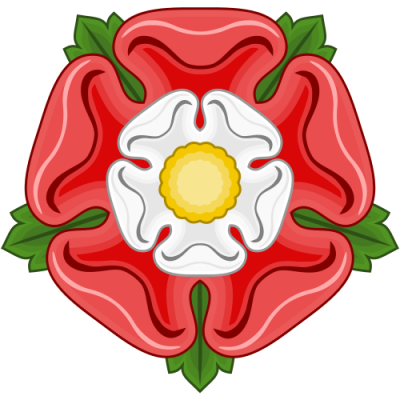
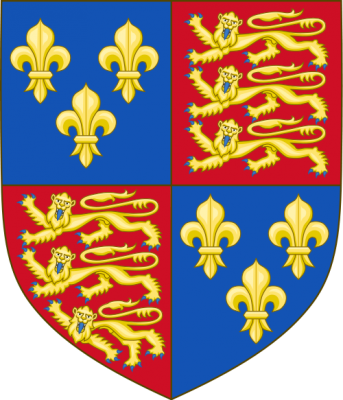
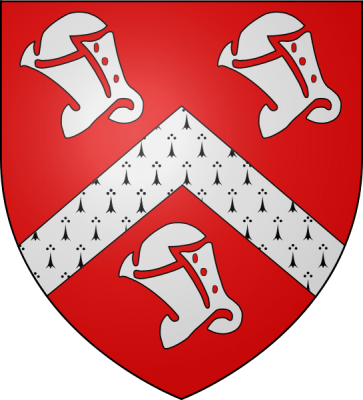
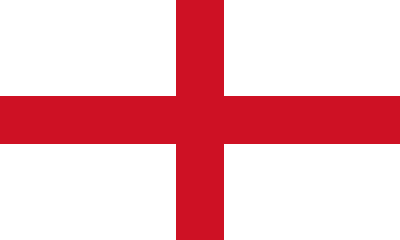
Haus Tudor [ˈtuːdə], [ˈtʲuːdə], walisisch Tudur oder Tewdwr (engl. Royal House of Tudor), ist der Name eines walisischen Geschlechtes auf dem englischen Königsthron von 1485 bis 1603.
Der erste englische Tudor-König Heinrich VII. führte seinen Anspruch auf den Thron über seine Mutter Margaret Beaufort auf den 1377 gestorbenen König Eduard III. Plantagenet zurück. Vater Heinrichs war Edmund Tudor, Earl of Richmond, Sohn des Owen Tudor. Als Oberhaupt der Partei des Hauses Lancaster besiegte er den letzten König aus dem Hause York, Richard III. in der Schlacht von Bosworth Field 1485, wurde vom Parlament anerkannt und heiratete Elizabeth of York, Schwester des verschollenen Königs Eduard V.
Nach der letzten englischen Königin aus dem Hause Tudor folgte Jakob I. aus dem Haus Stuart auf den Thron, da er der Urenkel von Margaret Tudor war; er wurde der erste gemeinsame König von England und Schottland
都铎王朝(英语:House of Tudor),是1485至1603年间统治英格兰王国和其属土的王朝。而该王朝首位君主亨利·都铎乃威尔士古时的德赫巴思公国(Welsh principality of Deheubarth)统治者和英格兰的兰开斯特王室的后裔。
来自德赫巴斯国(Deheubarth)的亨利·都铎不但得到兰开斯特王朝的支持者的民心,更在战争中获得兰开斯特宿敌——约克王室的支持,在玫瑰战争后期渐渐得势。之后顺利登上英王大位,是为亨利七世。而他和伊丽莎白·约克的联姻,象征着过往开战的双方,在新王朝的旗帜下联合起来,进一步巩固了都铎家族的胜利。而都铎王朝的权势并不局限在英格兰,他们在《1535-1542年威尔士系列法案》中成功将威尔士兼并入英格兰,并确立了英格兰对爱尔兰王国的治权。他们亦维持了对法国王位的主张,但历任君主都没有在实现该主张上有任何实质进展。
历史上总共有五位都铎君主统治过英格兰的属地,超过一个世纪。而亨利八世是唯一一位活至成年的亨利七世后裔。因此王位继承一直是都铎年间的主要政治议题。
随着终身不嫁的“童贞女王”伊丽莎白一世的驾崩,都铎王室从此绝嗣。而当时在位苏格兰国王詹姆士六世的曾祖母,正是亨利八世的长姊玛格丽特·都铎公主。因此詹姆士根据和伊丽莎白生前的秘密约定,入继英格兰王位,英苏两国组成共主邦联,结束两国持续近六百年的战争,进入了斯图亚特王朝时期。
テューダー朝(テューダーちょう、英語:Tudor dynasty)は、イングランド王国(1485年 - 1603年)およびアイルランド王国(1541年 - 1603年)の王朝。チューダー朝とも。薔薇戦争を勝ち抜き、ヨーク朝を倒して王位を得た。女系を通じてランカスター朝に繋がる。
テューダー家はウェールズを発祥とする、かつてのウェールズの君主の末裔の家系であったが、ヘンリー7世の祖父オウエン・テューダーはイングランド王ヘンリー5世の未亡人キャサリン・オブ・ヴァロワの納戸係秘書を務める下級貴族に過ぎなかった。しかしオウエンはキャサリンと結婚し、その間に生まれたエドマンド・テューダーらの子供たちは一躍、ヘンリー6世の異父弟として、またフランス王家の血を引く者として上級貴族の一員となった。エドマンドが、エドワード3世の四男ジョン・オブ・ゴーントの曾孫であるボーフォート家のマーガレット・ボーフォートと結婚し、その間に生まれたリッチモンド伯ヘンリー・テューダーは母方の血統により最後のランカスター家の王位継承権者となった。1485年、ヘンリー・テューダーはボズワースの戦いでリチャード3世を破ってヘンリー7世として即位し、テューダー朝を開いた。
百年戦争、薔薇戦争で疲弊した諸侯を抑圧して絶対王政を推進し、海外進出にも積極的で、その政策はヘンリー8世、エドワード6世、メアリー1世、エリザベス1世に受け継がれ、テューダー朝の全盛期を築いた。エリザベス1世の死によりヘンリー8世の血筋が絶えたため、ヘンリー7世の血を引くスコットランド王ジェームズ6世がジェームズ1世としてイングランド王に迎えられ、イングランドにおけるステュアート朝を開いた。王家の出自もあって、この時代に国王の臣下として活躍した人物には、フランシス・ドレークやウォルター・ローリーなどウェールズ系が多いと言われている。
The House of Tudor was an English royal house of Welsh origin,[1] descended in the male line from the Tudors of Penmynydd. Tudor monarchs ruled the Kingdom of England and its realms, including their ancestral Wales and the Lordship of Ireland (later the Kingdom of Ireland) from 1485 until 1603, with five monarchs in that period. The Tudors succeeded the House of Plantagenet as rulers of the Kingdom of England, and were succeeded by the House of Stuart. The first Tudor monarch, Henry VII of England, descended through his mother from a legitimised branch of the English royal House of Lancaster. The Tudor family rose to power in the wake of the Wars of the Roses, which left the House of Lancaster, to which the Tudors were aligned, extinct.
Henry Tudor was able to establish himself as a candidate not only for traditional Lancastrian supporters, but also for the discontented supporters of their rival House of York, and he rose to the throne by the right of conquest. His victory at the Battle of Bosworth Field was reinforced by his marriage to the English princess Elizabeth of York, daughter of Edward IV, symbolically uniting the former warring factions under a new dynasty. The Tudors extended their power beyond modern England, achieving the full union of England and the Principality of Wales in 1542 (Laws in Wales Acts 1535 and 1542), and successfully asserting English authority over the Kingdom of Ireland. They also maintained the nominal English claim to the Kingdom of France; although none of them made substance of it, Henry VIII fought wars with France trying to reclaim that title. After him, his daughter Mary I lost control of all territory in France permanently with the fall of Calais in 1558.
In total, five Tudor monarchs ruled their domains for just over a century. Henry VIII was the only son of Henry VII to live to the age of maturity. Issues around the royal succession (including marriage and the succession rights of women) became major political themes during the Tudor era. In 1603 when Elizabeth I died without heir, the Scottish House of Stuart supplanted the Tudors as England's royal family through the Union of the Crowns. The first Stuart to be King of England, James VI and I, descended from Henry VII's daughter Margaret Tudor, who in 1503 married James IV as part of the Treaty of Perpetual Peace.For analysis of politics, diplomacy and social history, see Tudor period.
La famille Tudor est à l'origine d'une dynastie royale qui a donné son nom à la période de l'histoire anglaise située entre 1485 et 1603. L'ère Tudor marque la fin de la guerre civile qu'a constituée la guerre des Deux-Roses et couvre le règne de cinq monarques qui ont contribué à faire de l'Angleterre une puissance européenne majeure.
La dynastie Tudor ou maison Tudor (Tudur en gallois) est d'origine galloise et voit son origine remonter au XIIIe siècle. Les deux principaux monarques Henri VIII d'Angleterre et la reine Élisabeth Ire, orchestrèrent la mutation du royaume d'Angleterre d'une arrière-cour européenne toujours plongée dans le Moyen Âge en un puissant État de la Renaissance1.
La dinastia Tudor (in inglese: House of Tudor; in gallese: Tudur) fu un'antica casata reale inglese di origini gallesi. I Tudor, tramite cinque sovrani, governarono il Regno d'Inghilterra e i suoi reami, compreso il loro ancestrale Galles e la Signoria d'Irlanda (più tardi il Regno d'Irlanda), dal 1485 al 1603.
I Tudor succedettero ai Plantageneti come governanti del Regno d'Inghilterra. Il primo monarca Tudor fu Enrico VII, discendente attraverso sua madre da un ramo legittimato della Casa reale inglese di Lancaster. Enrico salì al potere dopo la Guerra delle due rose (1455–1485) , atroce scontro fratricida che lasciò gli York decimati e i Lancaster estinti: infatti, l'ultimo re della famiglia Lancaster, Enrico VI, e il suo unico erede Edoardo morirono entrambi nel 1471, mentre l'ultimo re della famiglia York, Riccardo III, venne sconfitto e ucciso nella battaglia di Bosworth Field contro Enrico Tudor, il quale si affermò come discendente e membro dei Lancaster e conquistò ben presto la Corona d'Inghilterra.
Enrico VII inoltre, per rafforzare la propria posizione, sposò Elisabetta di York, figlia del re Edoardo IV e nipote di Riccardo III, in modo da racchiudere entrambe le famiglie sotto, letteralmente, un unico "tetto". Di questa unione è simbolo la cosiddetta "rosa Tudor", generata dall'unione della rosa rossa dei Lancaster e della rosa bianca degli York.
Insieme al già citato Enrico VII, suo figlio Enrico VIII e sua nipote Elisabetta I furono i tre principali sovrani ed esponenti della dinastia ed ebbero un ruolo molto importante nella trasformazione dell'Inghilterra da Paese della "periferia" europea dell'epoca medievale a potenza destinata a dominare gran parte del Pianeta nei secoli successivi.
I Tudor, infatti, estesero il loro dominio oltre la mera Inghilterra, governando anche sul Galles e sull'Irlanda. Nominalmente mantennero vive le storiche pretese della monarchia inglese sul trono di Francia, ma nessuno eccetto Enrico VIII vi si impegnò seriamente. Alla fine fu sua figlia Maria I ad abbandonare ogni pretesa su di esso quando perse l'ultimo avamposto inglese in Francia, Calais.
Dopo la morte senza eredi maschi del quindicenne Edoardo VI e il successivo regno delle sue due sorelle, Maria I e Elisabetta I, anch'esse morte senza eredi, la dinastia dei Tudor si estinse definitivamente nel 1603, portando sul trono inglese la Casa reale degli Stuart, già sovrani di Scozia.
La Casa de Tudor o Dinastía Tudor gobernó el reino de Inglaterra desde 1485 hasta 1603.2 Su emblema era una rosa, la rosa Tudor, de diez pétalos, cinco blancos en el centro y cinco rojos en el borde exterior. De esta forma se simbolizaba la unión de la Casa de York con la Casa de Lancaster y el fin de la guerra civil que ensangrentó la historia inglesa durante el siglo XV. Su historia está entrelazada con los acontecimientos más importantes y dramáticos de la historia moderna de Europa y del mundo, pues bajo su gobierno comenzó la exploración inglesa de América. Por ello se la considera como la familia real inglesa más famosa y controvertida. Son un ejemplo de las monarquías autoritarias con las que compitieron y se relacionaron en el escenario de la Europa occidental del Antiguo Régimen.3
Тюдо́ры (по традиционному русскому ударению; английское ударение на первый слог, англ. Tudors, ед. ч. Tudor) — королевская династия Англии в 1485—1603.
Происходит от валлийской дворянской семьи ap Tuddur, названной в честь Тудура ап Горонви (валл. Tudur ap Goronwy, 1310-1367), род которого издавна владел землями на острове Англси.
Является одной из ветвей рода Койлхена, и, таким образом, имела формальное право на владение всей Британией. Роль в английской истории Тюдоры начали играть с сына Маредида Оуэна Тюдора, который женился на Екатерине Французской, вдове Генриха V. От этого брака родились два сына — Эдмунд и Джаспер, — которым их единоутробный брат Генрих VI дал титулы графа Ричмонда и графа Пембрука соответственно. Эдмунд Тюдор ещё раз породнился с домом Ланкастеров, женившись на правнучке основателя этой ветви Джона Гонта (через узаконенную линию потомков его любовницы, а позднее и жены, Катерины Суинфорд), официально не имевшей права на престол Маргарите Бофорт. От этого брака (уже после смерти отца) родился будущий Генрих VII (1457).
После гибели последнего Ланкастера, принца Эдуарда (1471), ланкастерская партия поддерживала кандидатуру находившегося во Франции Генриха Тюдора[1], хотя были и другие претенденты, также находившиеся в родстве с Бофортами (например, герцог Бекингэм). Воспользовавшись кризисом в Англии после захвата власти Ричардом III, Генрих высадился в Уэльсе, двинулся вглубь страны, победил Ричарда, павшего в битве при Босворте, и стал 22 августа 1485 г. королём. Права на престол Генрих подкрепил женитьбой на дочери Эдуарда IV Йоркского, Елизавете; таким образом, дома Ланкастеров и Йорков объединились.
После Генриха VII царствовал его сын Генрих VIII, а затем трое детей последнего: Эдуард VI, Мария I и Елизавета I. Между царствованиями Эдуарда и Марии престол был на несколько дней узурпирован правнучкой Генриха VII леди Джейн Грей.
Так как дети Генриха VIII не оставили потомства, со смертью Елизаветы I династия Тюдоров пресеклась. Самым близким родственником династии стал король Шотландии Яков VI, сын Марии Стюарт, которая была дочерью Якова V, матерью которого была сестра Генриха VIII Маргарита Тюдор. Таким образом, после Елизаветы престол перешёл к Якову (ставшему королём Англии как Яков I), и династия Стюартов стала царствовать в обоих королевствах Британских островов.
Время Тюдоров — период Возрождения в Англии, становления абсолютизма, активного участия страны в европейской политике, расцвета культуры (материальной и духовной), экономических реформ (огораживания), приведших к обнищанию (пауперизации) значительной части населения. Одно из самых драматических событий периода — Английская реформация, предпринятая Генрихом VIII по личным причинам (отсутствие санкции Рима на новый брак), Контрреформация и репрессии против протестантов при Марии, новый возврат к англиканству при Елизавете.
При Тюдорах Англия достигла Америки (экспедиция Кабота — конец XV века) и начала её колонизацию. Важное политическое событие, упрочившее единство нации — морская победа над испанской «Непобедимой армадой» в 1588 году.
 Hand in Hand

共济会(英语:Freemasonry[注 1]),是一个会所遍布全球的兄弟会组织,由中世纪末欧洲地区的石匠行业协会演变而来,[注 2]现代的共济会起源于英格兰,英国共济联合总会(United Grand Lodge of England, UGLE) 成立于公元1717年,爱尔兰总会和苏格兰总会分别成立于1725年和1736年,这三个总会成为全球所有总会的起源。
英国共济联合总会建立后共济会的精神哲理迅速扩散至欧洲大陆和美洲,其成员在各个国家成立了自己的共济会总会,网罗了世界上无数的菁英,如杜鲁门等14位美国总统,如乔治华盛顿、加里波底、黎刹医生、穆斯塔法·凯末尔·阿塔图克、西蒙·玻利瓦尔等建国英雄,又如伏尔泰、孟德斯鸠等启蒙运动的哲学家,或是维克多·雨果、柯南·道尔等小说家,还有莫扎特、海顿等音乐家,再如鲁道夫·施泰纳、亚历山大·弗莱明等科学家,带领人们走出大战的丘吉尔、罗斯福等等杰出的人才都聚集在这个大家庭之中,目前全球约有400万以上的会员。[1]
共济会的会员等级制度至今仍带有浓厚的中世纪色彩[注 3],除了承袭石匠的建筑工艺之外也受到当时骑士精神和启蒙运动的影响,化为自己独特的仪式、标志、辨认方式和独特的教育系统。共济会组织其会员遍布众多国家和地区的学术界、艺术界、政界和商界。
共济会没有没有统一的中央组织主宰,加入者需与各地的共济会联系,获得两位共济会会员作为介绍人才可以提交申请。历史上大多数共济会会所只接受男性入会,直到20世纪开始,才开始有以共济会为名义成立并只接受女性入会的组织,例如:女子共济会的秩序(The Order of Women Freemasons)与Honourable Fraternity of Ancient Freemasons (HFAF) —— 古代共济会(HFAF – Freemasonry for Women (页面存档备份,存于互联网档案馆))[2]。[3]
于2024年6月,英国共济联合总会(UGLE)、女子共济会的秩序(OWF)和古代共济会(HFAF)这三个机构宣布成立历史性的共济会理事会(Council for Freemasonry in England and Wales),目的是以消除误解,解决面临的挑战,并促进包容等基本原则。尽管现仍有错误说法称共济会仅限男性加入,但女子共济会已经成为英国共济会一个世纪以来不可或缺的一部分。新成立的理事会将为合作提供一个正式的平台,促进各机构的社区服务目标,协调与其他组织的沟通和交流,并推动会员增长,尤其是女性会员。理事会将由每个大会的领袖组成,每届大会将严格轮流担任为期12个月的主席。理事会的成立是增进合作、消除误解,以及弘扬共济会价值观的关键一步。
Die Freimaurerei ist eine international verbreitete Bewegung von zumeist männlichen Initiationsgemeinschaften, die in sogenannten Logen organisiert sind. Die Mitglieder sind in Grade eingeteilt, von denen es je nach Lehrsystem drei bis 33 gibt. Sie treffen sich zu geselligen und ethisch-religiösen Zwecken und führen Zeremonien durch, die sogenannte Tempelarbeit.
Über die Vorgänge innerhalb der Versammlungen besteht Verschwiegenheitspflicht. Wegen dieses Arkanprinzips wird die Freimaurerei mitunter als Geheimbund bzw. Geheimgesellschaft bezeichnet, und viele Verschwörungstheorien sind über sie im Umlauf. Die Freimaurerei selbst versteht sich als Bund freier und gleicher Menschen mit der Überzeugung, dass die ständige Arbeit an sich selbst zu Selbsterkenntnis und einem menschlicheren Verhalten führe. Die fünf Grundideale der Freimaurerei sind Freiheit, Gleichheit, Brüderlichkeit, Toleranz und Humanität. Es gibt, je nach Quelle, weltweit 2,6 bis sieben Millionen Freimaurer.
Die Ursprünge der Freimaurerei liegen im Dunkeln. Sicher belegt ist die Gründung der ersten Großloge in London 1717. Deren Konstitution, die Alten Pflichten von 1723 bildet die Grundlage der heutigen Freimaurerei. Gemeinsam mit den Salons, den Lesegesellschaften und anderen Zusammenschlüssen der frühen Aufklärung bildeten die Logen in ganz Europa eine neue Form von Öffentlichkeit und trugen zur Verbreitung aufklärerischer Ideen bei. Zwei der bekanntesten freimaurerischen Symbole sind Winkel und Zirkel (in Amerika mit dem zentralen Buchstaben „G“, der oft für die allgegenwärtige Geometrie steht).
 Transport and traffic
 Companies
 International cities
 Sport
Sport
 Important port

Cardiff [ˈkɑːdɪf] (walisisch Caerdydd [kairˈdiːð]) ist die Hauptstadt und bevölkerungsreichste Stadt von Wales im Vereinigten Königreich Großbritannien und Nordirland. Die Stadt bildet eine der 22 walisischen Principal Areas und besitzt den Status einer City. In der Stadt leben 346.090 Menschen, in der Metropolregion über 1.100.000 Einwohner.
加的夫(英语:Cardiff,威尔士语:Caerdydd),是英联邦联合王国威尔斯首府,英国第十六大城市,威尔斯亲王国最大城市,威尔士议会所在地。人口约519,700,面积190平方公里。
加的夫本是威尔斯南部海岸的一个小镇,19世纪成为重要海港,以运送煤炭到各主要工业重镇为主,1905年被列作城市,1955年成为威尔斯公国首府。
カーディフ(ウェールズ語: Caerdydd、英: Cardiff)は、ウェールズの首都。人口は305,340人(2001年)で、ウェールズで最大の都市である。ウェールズの南東部に位置し、ロンドンからは約250kmの距離にある。ウェールズ議会が設置されている。
Cardiff (/ˈkɑːrdɪf/ ( listen); Welsh: Caerdydd [kairˈdiːð, kɑːɨrˈdɨːð] ( listen)) is the capital of, and largest city in, Wales, and the eleventh-largest city in the United Kingdom. It is Wales's chief commercial centre, the base for most national cultural and sporting institutions, the Welsh national media, and the seat of the National Assembly for Wales. The unitary authority area's 2017 population was estimated to be 362,756.[1] Cardiff is a significant tourist centre and the most popular visitor destination in Wales with 21.3 million visitors in 2017.[5] In 2011, Cardiff was ranked sixth in the world in National Geographic's alternative tourist destinations.[6]
Cardiff is the county town of the historic county of Glamorgan (and later South Glamorgan). Cardiff is part of the Eurocities network of the largest European cities.[7] A small town until the early 19th century, its prominence as a major port for the transport of coal following the arrival of industry in the region contributed to its rise as a major city. The Cardiff Built-up Area covers a slightly larger area outside the county boundary and includes the towns of Dinas Powys and Penarth. In 1905, Cardiff was made a city and proclaimed the capital of Wales in 1955.
Since the 1980s, Cardiff has seen significant development. A new waterfront area at Cardiff Bay contains the Senedd building, home to the Welsh Assembly and the Wales Millennium Centre arts complex. Current developments include the continuation of the redevelopment of the Cardiff Bay and city centre areas with projects such as the Cardiff International Sports Village, a BBC drama village,[8] and a new business district in the city centre.[9] Sporting venues in the city include the Principality Stadium—the national stadium and the home of the Wales national rugby union team—Sophia Gardens (the home of Glamorgan County Cricket Club), Cardiff City Stadium (the home of Cardiff City football team and the Wales football team), Cardiff International Sports Stadium (the home of Cardiff Amateur Athletic Club), Cardiff Arms Park (the home of Cardiff Blues and Cardiff RFC rugby union teams) and Ice Arena Wales (the home of Cardiff Devils ice hockey team). The city hosted the 1958 British Empire and Commonwealth Games. The city was awarded the title of European City of Sport twice, due to its role in hosting major international sporting events: first in 2009 and again in 2014.[10] The Principality Stadium hosted 11 football matches as part of the 2012 Summer Olympics, including the games' opening event and the men's bronze medal match.[11]
Cardiff (en gallois Caerdydd /kairˈdiːð, /kaˑɨrˈdɨːð/) est la capitale et la plus grande ville du pays de Galles (Royaume-Uni), avec environ 346 100 habitants. Elle est située dans les Galles du Sud, sur les bords de la rivière Taf, dans le comté historique de Glamorgan (Morgannwg en gallois). Depuis 1996, elle est gouvernée par le conseil du comté de Cardiff. Depuis 1905, Cardiff possède officiellement le statut de cité. Archevêché catholique depuis 1916 ayant pour siège la cathédrale Saint-David, la cathédrale de Llandaff, anglicane, est située dans un faubourg occidental réuni à la ville en 1922.
Cardiff (in gallese: Caerdydd) è una città del Regno Unito, capitale e più importante centro del Galles. Situata sulla baia di Bristol alla foce del Taff, nel sud-est del Galles e vicino alla frontiera con l'Inghilterra, si è sviluppata enormemente durante il XIX secolo grazie all'industria mineraria e al suo porto fortemente trafficato. Dal censimento del 2001 risulta che Cardiff ha una popolazione di 305.340 abitanti, classificandosi come sedicesima città in ordine di grandezza del Regno Unito.
Cardiff ( /ˈkɑrdɪf/ (?·i), en galés, Caerdydd) es la capital de Gales, así como el centro comercial, cultural, deportivo, educativo y mediático más importante del país. Se trata además de una autoridad unitaria12 situada en el sureste de Gales, a orillas del canal de Brístol y cerca de la frontera inglesa. La ciudad se expandió enormemente durante el siglo XIX debido a la actividad minera y al tráfico de sus puertos.
Según las estimaciones oficiales del ayuntamiento obtenidas con respecto al censo de 2006, la población de Cardiff era de 317 500 habitantes,3 siendo entonces la decimosexta ciudad más habitada del Reino Unido. Cardiff es un importante centro turístico con 11,7 millones de visitantes en 2006.4
Ка́рдифф, традиционно Карди́фф[1] (англ. Cardiff [ˈkɑːdɪf] слушать, валл. Caerdydd [kaɨrˈdɪð] слушать) — крупнейший город и столица Уэльса. Является унитарной административной единицей со статусом сити, который был получен в 1905 году благодаря бурному росту промышленности в регионе и использованию Кардиффа в качестве главного порта для транспортировки угля из Уэльса. В 1955 году город объявлен столицей Уэльса.
 Architecture
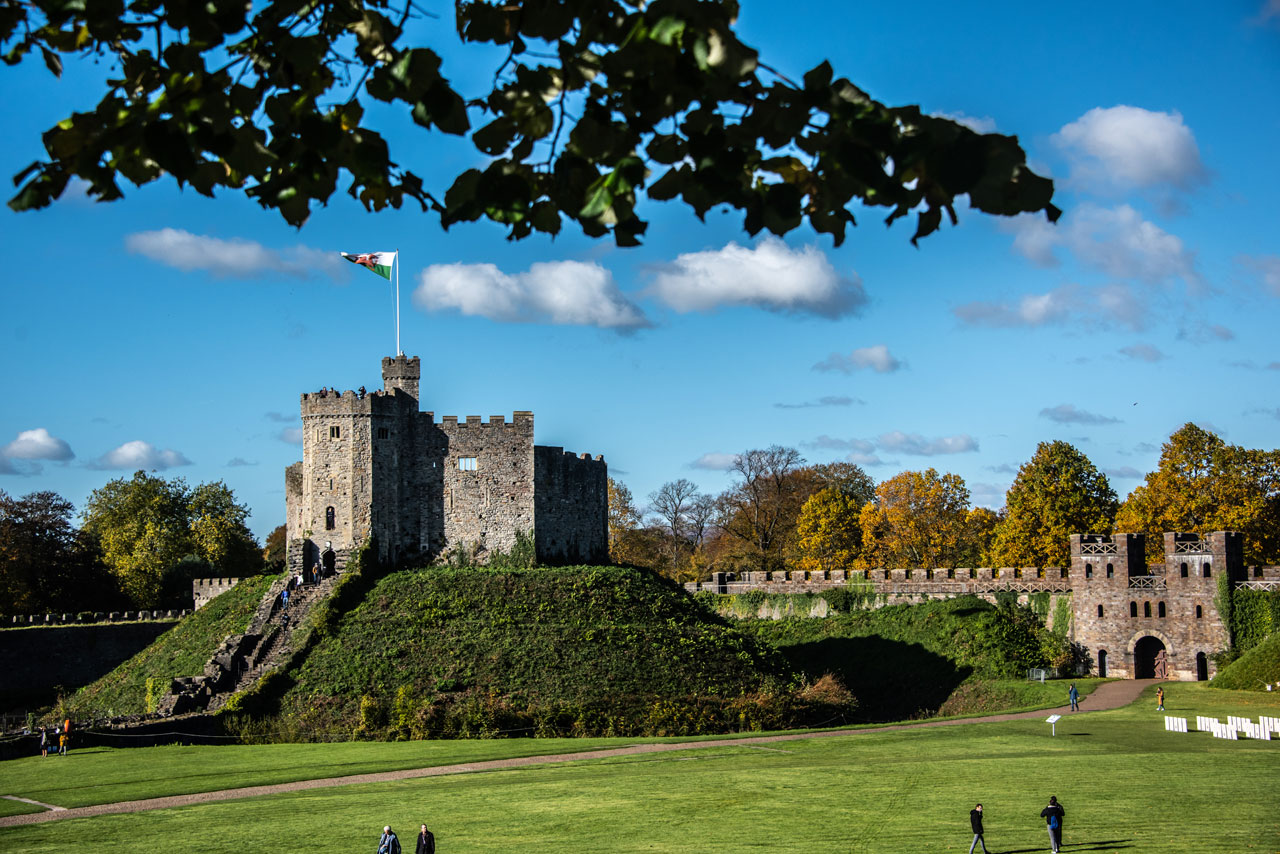
Cardiff Castle (walisisch: Castell Caerdydd) ist eine mittelalterliche Burg und ein neugotisches Herrenhaus im Stil der viktorianischen Architektur in Cardiff in Wales. Die als Kulturdenkmal der Kategorie Grade I klassifizierte und als Scheduled Monument geschützte Anlage[1] befindet sich innerhalb der Mauern eines Römerkastells östlich des River Taff an der südöstlichen Ecke des Bute Parks im Zentrum der walisischen Hauptstadt.
加的夫城堡(英语:Cardiff Castle,威尔士语:Castell Caerdydd)是一座维多利亚哥特复兴式建筑的中世纪城堡。位于英国威尔士加的夫的市中心。
3世纪时罗马人就在这里修建了堡垒,之后11世纪时诺曼人入侵者又在这里建筑了土木结构的城堡。这座城堡是威廉一世或者罗伯特·费茨哈蒙下令建造的。它成为中世纪加的夫的市中心和格拉摩根边境领主领地的中心。12世纪开始建造石头的城堡,这座城堡估计是格洛斯特的罗伯特下令建造的。它的结构是建造在土丘上的石城堡,拥有相当强大的防御墙。在13世纪下半叶第六任格洛斯特伯爵扩建。在安格鲁-诺尔曼人于威尔士之间的战争中加的夫城堡多次参加战斗,在12世纪里它数次被攻击。1404年欧文·格林杜尔起义中它被冲入。现在的城堡则主要是建设于第三代布特侯爵约翰·克莱顿·斯图亚特时期,城堡的设计者则是威廉·伯吉斯。现在城堡则是由加的夫市所有。
第六任格洛斯特伯爵的家庭在此后数世纪里拥有这座城堡。1423年第13任华威伯爵理查德·博尚买下加的夫城堡。理查德下令大规模扩建城堡,尤其是建造了城堡的西翼和那里高耸的八角形塔楼。玫瑰战争后城堡不再是边境领主领地,它的军事地位开始降低。1550年赫伯特家族购买加的夫城堡,改造主建筑的部分部位,并开始建造外墙和其它建筑。建造外墙的地方本来是加的夫的县府建筑。英国内战期间首先圆颅党占领加的夫城堡,但是1645年保皇党支持者重新占据加的夫城堡。1648年战事再次爆发时保皇党军队进攻加的夫企图重新占领城堡导致在市外的圣法根战役爆发。战后加的夫城堡逃脱了被圆头党摧毁的命运,而是成为兵营,估计是为了防御来自苏格兰的进攻。
18世纪中加的夫城堡转手给比特侯爵。第一代比特侯爵约翰·斯图尔特雇佣万能布朗和亨利·霍兰德翻修主楼,把它改造成一座乔治时期的大楼。两位建筑师还受命改建城堡的景色,拆除许多老的中世纪建筑和城墙。19世纪的前半叶由于格拉摩根煤矿的发展比特侯爵家族特别富有,第三代比特侯爵得以招募威廉·伯吉斯重新翻修城堡。伯吉斯花费巨资把城堡改造成哥特复兴式,他的主要精力集中在主楼上。城堡的内部装饰被认为是“至今为止达到的最重要的哥特复兴式装饰”[2]。古罗马的遗迹被发现后城堡周边的地面也被改造,在城堡的设计中又结合了城墙和罗马式的城门。城堡外建造了面积很大的公园。
20世纪初第四代比特侯爵继承城堡,一直到1920年代改造始终进行。加的夫周围的地产和比特都被卖掉或者国有化了,第二次世界大战时除了城堡外家族几乎没有任何其它财产。大战期间城堡的城墙里修建了大量防空洞,城堡被送给加的夫市。今天城堡是加的夫的一个名胜,城堡的底层里有展示威尔士士兵的博物馆和翻译中心。城堡里也可以举办庆典,包括音乐会和其它庆典。

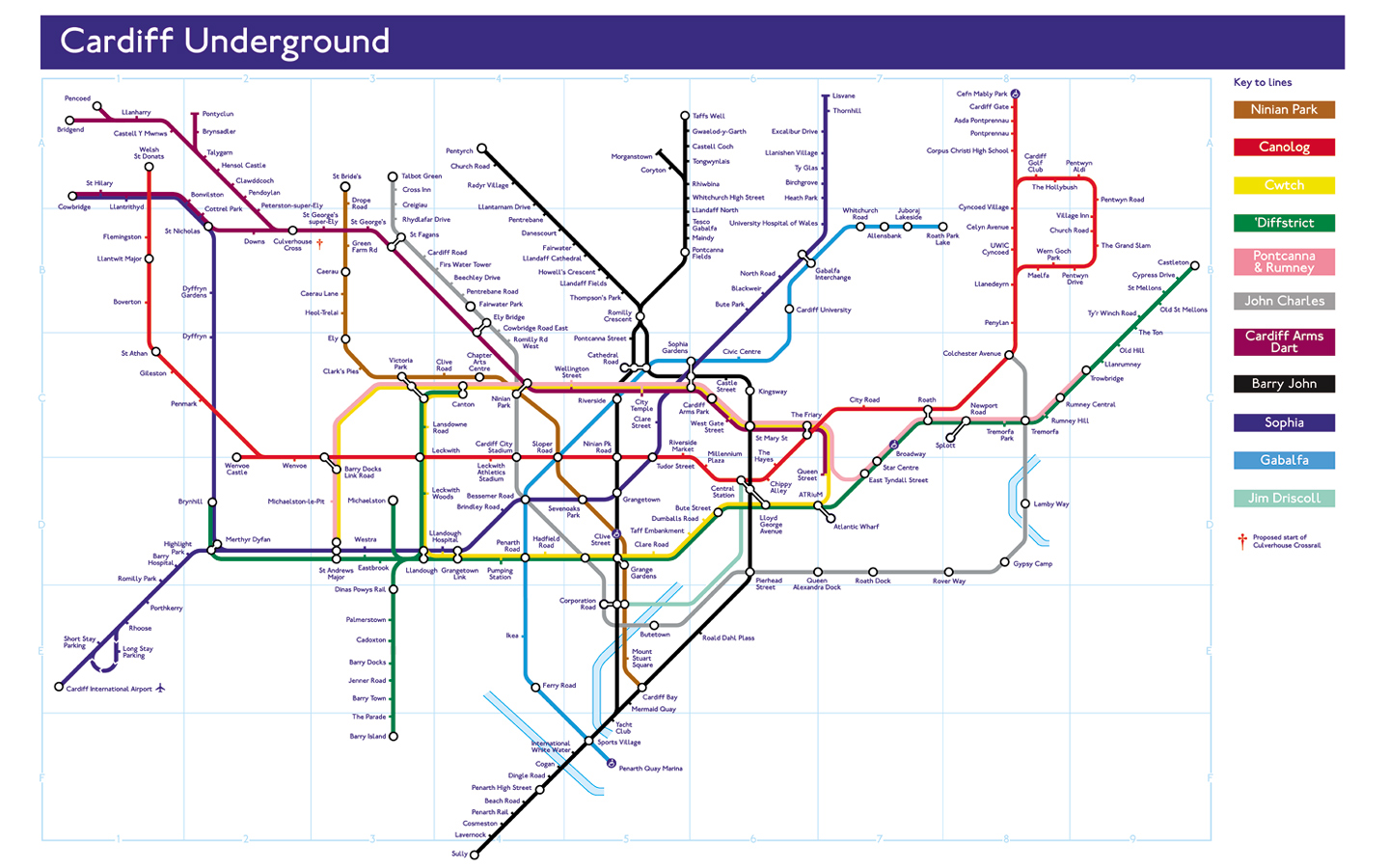
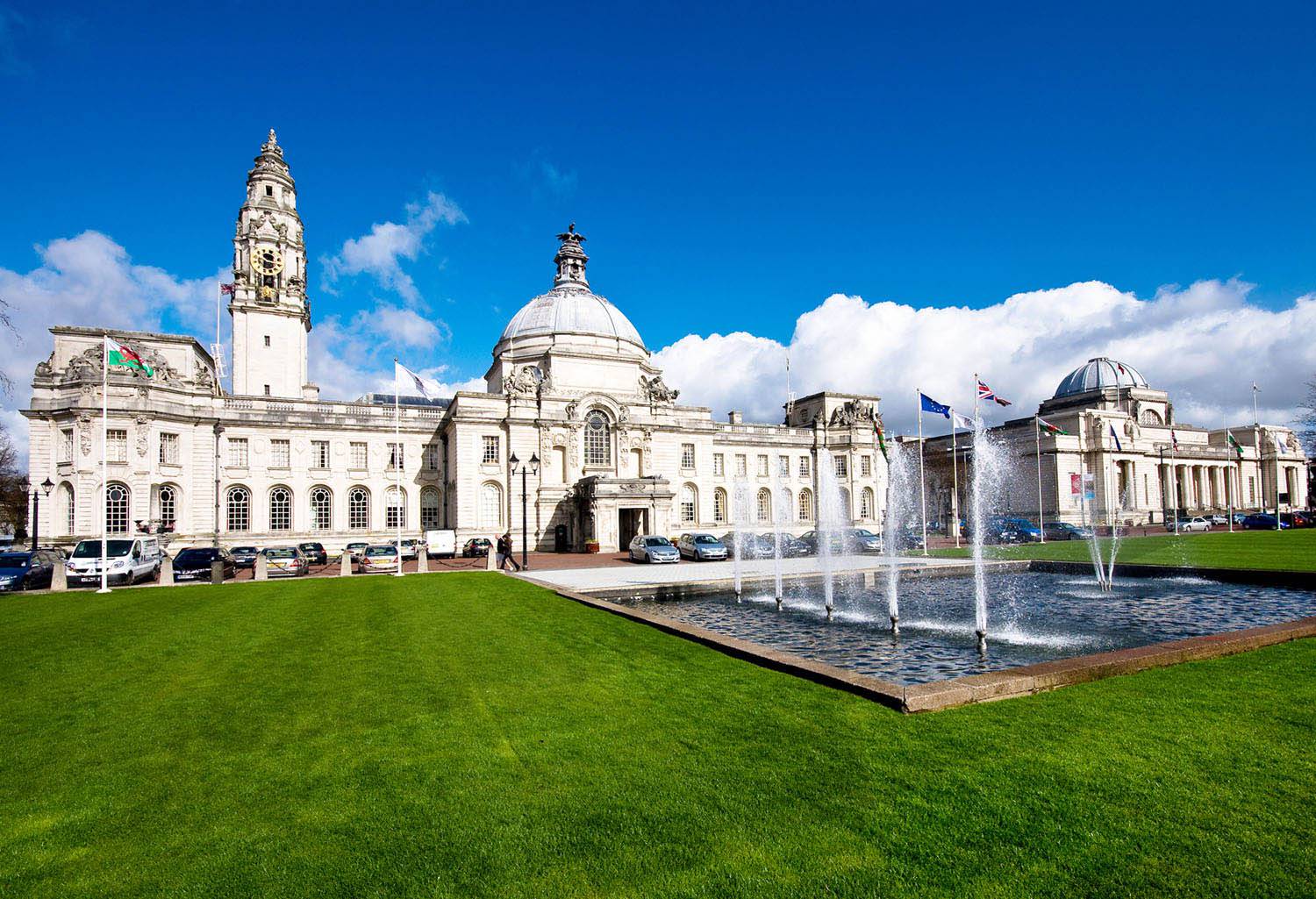


 Colleges and Universities in Europe
Nobel prize
Nobel Prize in Physiology or Medicine
Nobel prize
Nobel Prize in Chemistry
Nobel prize
University/Institute
Russell Group
Universities in the UK
United Kingdom
Colleges and Universities in Europe
Nobel prize
Nobel Prize in Physiology or Medicine
Nobel prize
Nobel Prize in Chemistry
Nobel prize
University/Institute
Russell Group
Universities in the UK
United Kingdom