
Deutsch-Chinesische Enzyklopädie, 德汉百科
 Kinki
Kinki
 Transport and traffic
 Motorsport
Azerbaijan
Australia
Bahrain
Belgium
Brazil
China
Germany
Motorsport
Azerbaijan
Australia
Bahrain
Belgium
Brazil
China
Germany
 Emilia-Romagna
England
Emilia-Romagna
England
 Florida-FL
Formel-1-Weltmeisterschaft 2017
Formel-1-Weltmeisterschaft 2018
Florida-FL
Formel-1-Weltmeisterschaft 2017
Formel-1-Weltmeisterschaft 2018
 Formula 1 World Championship 2025
France
India
Italy
Japan
Canada
Katar
Kinki
Formula 1 World Championship 2025
France
India
Italy
Japan
Canada
Katar
Kinki
 Lombardia
Mexico
Monaco
Lombardia
Mexico
Monaco
 Nevada-NV
Austria
Nevada-NV
Austria
 Quebec-QC
Russia
São Paulo
Saudi Arabia
Switzerland
Shanghai Shi-SH
Singapore
Spain
Quebec-QC
Russia
São Paulo
Saudi Arabia
Switzerland
Shanghai Shi-SH
Singapore
Spain
 Sport
Sport
 Styria
 Texas-TX
Hungary
United Arab Emirates
United States
United Kingdom
Texas-TX
Hungary
United Arab Emirates
United States
United Kingdom
 Victoria-VIC

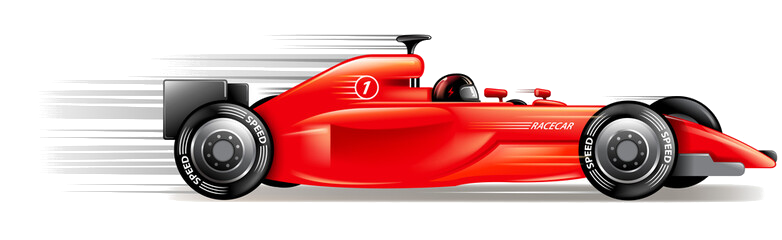
一级方程式赛车(英语:Formula One,也叫Formula 1或者F1)是由国际汽车联盟举办的最高等级的年度系列场地方程式赛车比赛,正式名称为“国际汽车联合会世界一级方程式锦标赛”。名称中“方程式”是指一组所有参赛车辆都必须遵守的规则[1]。F1赛季包括一系列的比赛,而这些所谓的“大奖赛”(Grand Prix,出自法语,本意Great Prizes)的场地是全封闭的专门赛道或者是临时封闭的普通公路。每场比赛的结果算入积分系统并以此确定两个年度世界冠军:一个给车手和另一个给制造商。F1的车手、制造商、组织者以及赛道都必须持有FIA超级驾驶执照,这是国际汽联颁发的最高级别执照。
一级方程式赛车通过产生大量的空气动力学下压力达到非常高的过弯速度,是风靡全球的赛车运动。发动机性能限制在每分钟最多15000转时,其比赛最高速度就可以超过360公里/小时。赛车过弯的横向加速度超过5个标准重力。F1赛车的性能非常依赖电子系统(牵引力控制系统和其他辅助驾驶装置自2008年已被禁止)、空气动力学、悬挂和轮胎。
Die Formel 1 ist eine vom Automobil-Dachverband Fédération Internationale de l’Automobile (FIA) festgelegte Formelserie. Hersteller konstruieren Autos, die den Formel-1-Regeln entsprechen. Diese Autos treten im Rahmen der Formel-1-Weltmeisterschaft zu Rennen in ungefähr 20 Orten pro Jahr an. Am Ende der Saison wird der Fahrer mit den meisten Punkten F1 Fahrerweltmeister und der Hersteller mit den meisten Punkten Konstrukteursweltmeister.
Die Formel 1 ist die höchstrangige von der FIA veranstaltete Rennserie des Formelsports. Sie wird als Königsklasse des Automobilsports bezeichnet, da sie den Anspruch erhebt, die höchsten technischen, fahrerischen, aber auch finanziellen Anforderungen aller Rennserien an Fahrer und Konstrukteure zu stellen. Sie wird auch kurz F1 genannt. Die F1 Weltmeisterschaft heißt offiziell FIA Formula One World Championship, bis 1980 hat sie Automobil-Weltmeisterschaft geheissen.
Formula One (also Formula 1 or F1) is the highest class of single-seater auto racing sanctioned by the Fédération Internationale de l'Automobile (FIA) and owned by the Formula One Group. The FIA Formula One World Championship has been one of the premier forms of racing around the world since its inaugural season in 1950. The "formula" in the name refers to the set of rules to which all participants' cars must conform.[2] A Formula One season consists of a series of races, known as Grands Prix (French for "grand prizes" or "great prizes"), which are held worldwide on purpose-built circuits and public roads.
The results of each race are evaluated using a points system to determine two annual World Championships: one for drivers, the other for constructors. Drivers must hold valid Super Licences, the highest class of racing licence issued by the FIA.[3] The races are required to be held on tracks graded "1" (formerly "A"), the highest grade rating issued by the FIA.[3] Most events are held in rural locations on purpose-built tracks, but there are several events in city centres throughout the world, with the Monaco Grand Prix being the most well-known.
Formula One cars are the fastest regulated road course racing cars in the world, owing to very high cornering speeds achieved through the generation of large amounts of aerodynamic downforce. The cars underwent major changes in 2017,[4] allowing wider front and rear wings, and wider tyres, resulting in cornering forces closing in on 8g and top speeds of up to approximately 375 km/h (230 mph).[5] The hybrid engines are currently limited in performance to a maximum of 15,000 rpm and the cars are very dependent on electronics—although traction control and other driving aids have been banned since 2008—and also on aerodynamics, suspension, and tyres.
While Europe is the sport's traditional base, the championship is truly global, with 11 of the 21 races in the 2018 season taking place outside Europe. With the annual cost of running a mid-tier team—designing, building, and maintaining cars, pay, transport—being US$120 million,[6] Formula One has a significant economic and job-creation effect, and its financial and political battles are widely reported. Its high profile and popularity have created a major merchandising environment, which has resulted in large investments from sponsors and budgets (in the hundreds of millions for the constructors). On 8 September 2016, it was announced that Liberty Media had agreed to buy Delta Topco, the company that controls Formula One, from private equity firm CVC Capital Partners for $4.4 billion in cash, stock, and convertible debt.[7] On 23 January 2017, it was confirmed that the acquisition had been completed, for $8 billion.[8]
La Formule 1, communément abrégée en F1, est une discipline de sport automobile considérée comme la catégorie reine de ce sport. Elle a pris au fil des ans une dimension mondiale et elle est, avec les Jeux olympiques et la Coupe du monde de football, l'un des événements sportifs les plus médiatisés.
Chaque année depuis 1950, un championnat mondial des pilotes est organisé, complété depuis 1958 par un championnat mondial des constructeurs automobiles. La compétition est basée sur des Grands Prix, courses à bord de voitures monoplaces disputées sur circuits routiers fermés permanents mais parfois tracés en ville et temporaires, comme à Monaco, Valence, Singapour, et Bakou.
Cette discipline sportive, régie par la Fédération internationale de l'automobile (FIA), est gérée par la Formula One Administration (FOA) et un ensemble de sociétés satellites contrôlées par Liberty Media. Après l'ère des artisans des années 1960 et 1970, elle a peu à peu attiré les grands constructeurs automobiles mondiaux qui y investissent des sommes élevées, en espérant tirer profit des retombées médiatiques d'éventuels succès. La Formule 1 est considérée comme la vitrine technologique de l'industrie automobile qui y expérimente des nouveautés techniques, parfois issues de la technologie spatiale et susceptibles d'être adaptées ensuite sur les voitures de série.
Outre la compétition, le terme Formule 1 désigne l'ensemble des règles techniques des voitures monoplaces qui sont mises à jour tous les ans par la FIA. Ces règles sont très strictes sur les dimensions des voitures, la cylindrée des moteurs, les technologies mises en œuvre ; elles définissent également les mesures de sécurité des voitures pour assurer la protection du pilote. Les monoplaces de course répondant aux caractéristiques de la réglementation de la Formule 1 sont généralement désignées sous le terme générique de Formules 1.
La Formula 1 o Formula Uno,[1] in sigla F1, è la massima categoria (in termini prestazionali) di vetture monoposto a ruote scoperte da corsa su circuito definita dalla Federazione Internazionale dell'Automobile (FIA).
La categoria è nata nel 1948 (in sostituzione della Formula A, a sua volta sorta solo qualche anno prima, nel 1946), diventando poi a carattere mondiale nella stagione 1950. Inizialmente definita dalla Commissione Sportiva Internazionale (CSI) dell'Associazione Internazionale degli Automobil Club Riconosciuti (AIACR), associazione antesignana della Federazione Internazionale dell'Automobile, oggi la Formula Uno è regolata dal Consiglio Mondiale degli Sport Motoristici (in inglese: World Motor Sport Council, WMSC) della Federazione Internazionale dell'Automobile.
Il termine "formula", presente nel nome, fa riferimento a un insieme di regole alle quali tutti i partecipanti, le macchine e i piloti, devono adeguarsi; esse introducono un numero di restrizioni e specifiche nelle auto, al fine di evitare le eccessive disparità tecniche tra le auto, di porre dei limiti al loro sviluppo e di ridurre i rischi di incidenti. La formula ha avuto molti cambiamenti durante la sua storia. Ad esempio, ci sono stati differenti tipi di motori, con schemi da quattro fino a sedici cilindri e con cilindrate da 1,5 a 4,5 l.
La Fórmula 1, abreviada como F1 y también denominada la «categoría reina del automovilismo»1 o «la máxima categoría del automovilismo»,23 es la competición de automovilismo internacional más popular y prestigiosa, superando a categorías de automovilismo como la NASCAR, el Campeonato Mundial de Rally, el Campeonato Mundial de Turismos o la Fórmula E, entre otras.4 A cada carrera se le denomina Gran Premio y el torneo que las agrupa se denomina Campeonato Mundial de Fórmula 1. La entidad que la dirige es la Federación Internacional del Automóvil (FIA). El Formula One Group es controlado por la empresa estadounidense Liberty Media desde septiembre de 2016.5
Los automóviles utilizados son monoplazas con la última tecnología disponible, siempre limitadas por un reglamento técnico; algunas mejoras que fueron desarrolladas en la Fórmula 1 terminaron siendo utilizadas en automóviles comerciales, como el freno de disco.6 La mayoría de los circuitos de carreras donde se celebran los Grandes Premios son autódromos, aunque también se utilizan circuitos callejeros y anteriormente se utilizaron circuitos ruteros.
El inicio de la Fórmula 1 moderna se remonta al año 1950, en el que participaron escuderías como Ferrari, Alfa Romeo y Maserati. Algunas fueron reemplazadas por otras nuevas como McLaren, Williams, Red Bull y Renault, que se han alzado varias veces con el Campeonato Mundial de Constructores. Las escuderías tienen que planear sus fichajes y renovación de contratos 2 o 3 carreras antes del fin de la temporada. Por su parte, los pilotos deben contar con la superlicencia de la FIA para competir, que se obtiene sobre la base de resultados en otros campeonatos.
 Companies

 Architecture
 History
 Religion

Der Fushimi Inari-Taisha (jap. 伏見稲荷大社, auch bekannt unter dem Namen Oinari-san) ist ein Shintō-Schrein im Stadtbezirk Fushimi der Stadt Kyōto.
Er ist dem Kami Inari gewidmet und ist der Hauptschrein etwa eines Drittels aller Inari-Schreine in Japan. Er gehört zu den ältesten und bekanntesten Shintō-Schreinen in Kyōto. Darüber hinaus zählt er auch die meisten Besucher aller Shintō-Schreine in Japan, besonders zu Neujahr (vgl. Hatsumōde) und zum uma no hi im Februar, dem japanischen Tag des Pferdes, an dem der Schrein seit 708 das – von allen Inari-Schreinen begangene – Hatsu-uma-matsuri ausrichtet. Im Fushimi Inari-Taisha heißt es allerdings Hatsu-uma-tai-sha und dauert volle 21 Tage.
Besonders bekannt sind die Alleen aus Tausenden von orangen Torii auf dem Gelände des Fushimi Inari-Taisha, welche alle Spenden von Personen, Familien oder Unternehmen sind. Sie führen einen Hügel hinauf, auf dessen Spitze, ungewöhnlich für einen Shintō-Schrein, das Allerheiligste (in diesem Fall ein Spiegel) öffentlich einsehbar ist.
Der Fushimi Inari-Taisha gehört zu den wenigen Schreinen (tanritsu-jinja genannt), die nicht nach Kriegsende dem neu gegründeten Dachverband Jinja Honchō („Vereinigung der Shintō-Schreine“) beitraten.
伏见稻荷大社(日语:伏見稲荷大社/ふしみいなりたいしゃ Fushimi-Inari Taisha)是一座位于日本京都市伏见区内的神社,是遍及日本全国各地约三万所[1]的稻荷神社之总本社,也是近畿地方初诣参拜者最多的社寺(2010年日本国内第4位)[2]。以境内所拥有的“千本鸟居”闻名。
为式内社(名神大社)、二十二社(上七社)之一社。旧社格为官币大社,现在是不属于神社本厅的单立神社。现存旧社家是大西家。
伏见稻荷大社位于稻荷山的山麓,在传统上整个稻荷山的范围都被视为是神域(圣地)的范围。伏见稻荷大社主要是祀奉以宇迦之御魂大神为首的诸位稻荷神,自古以来就是农业与商业的神明,除此之外也配祀包括佐田彦大神、大宫能卖大神、田中大神与四大神等其他的神明。由于每年都有大量的香客前来神社祭拜求取农作丰收、生意兴隆、交通安全,使得该神社成为京都地区香火最盛的神社之一。另外,起源于江户时代的习俗,前来此地许愿的人们往往会捐款在神社境内竖立一座鸟居来表达对神明的敬意,使得伏见稻荷大社的范围内竖有数量惊人的大小鸟居,而以“千本鸟居”之名闻名日本全国乃至于海外。捐款竖立鸟居的单位包含个人、公司行号乃至于各地的商会组织,目前现存的鸟居,最早可以追溯到明治年间。
在神社的分类上,伏见稻荷大社属于式内社(被延喜式神名帐所收录的神社)中的名神大社(祭祀知名神明、自古以来就非常灵验的神社)等级,为二十二社之一,旧时神社社格属官币大社等级。
 Party and government
Abe Shinzō
Angela Merkel
Barack Obama
David Cameron
Germany
Donald Tusk
Party and government
Abe Shinzō
Angela Merkel
Barack Obama
David Cameron
Germany
Donald Tusk
 European Union
François Hollande
France
European Union
François Hollande
France
 Hand in Hand
Italy
Japan
Jean-Claude Juncker
Justin Trudeau
Canada
Kinki
Matteo Renzi
United States
United Kingdom
Hand in Hand
Italy
Japan
Jean-Claude Juncker
Justin Trudeau
Canada
Kinki
Matteo Renzi
United States
United Kingdom


AFC Champions League 2015
AFC Champions League 2016
AFC Champions League 2017
 Group H
AFC Champions League 2017
Ostasien
J1 League
J1 League
J1 League 2024
Japan
Kinki
Sport
Sport
(F)J1 League
Group H
AFC Champions League 2017
Ostasien
J1 League
J1 League
J1 League 2024
Japan
Kinki
Sport
Sport
(F)J1 League



 World Heritage
 Eat and Drink

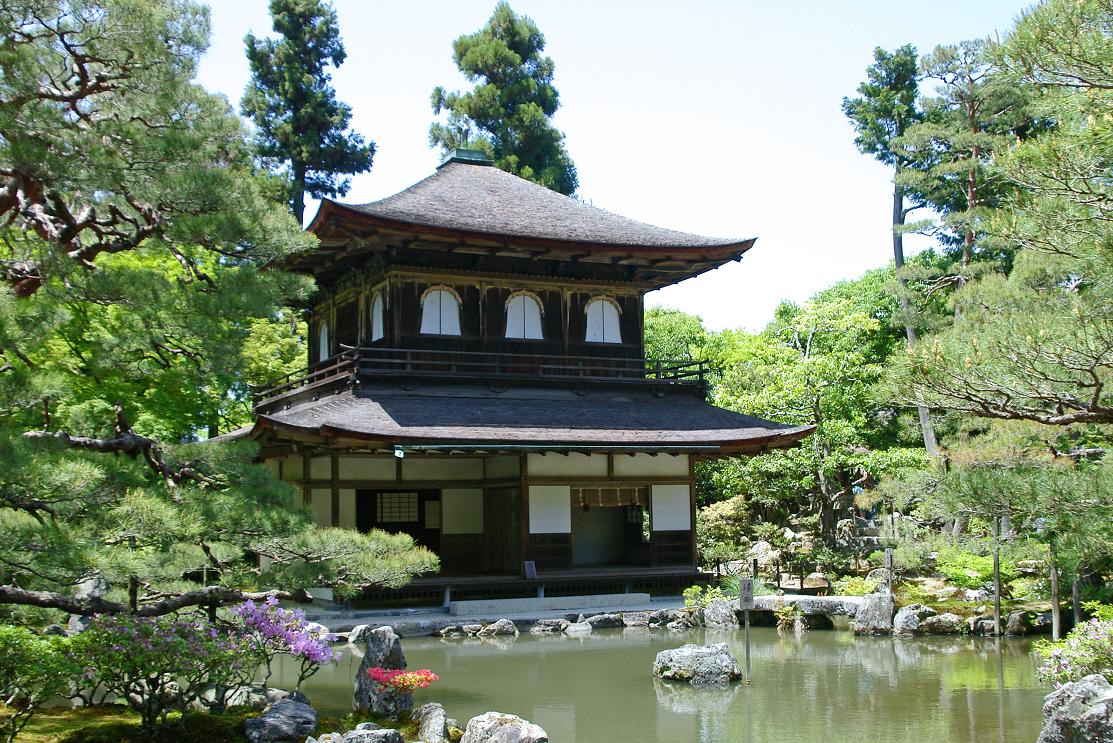

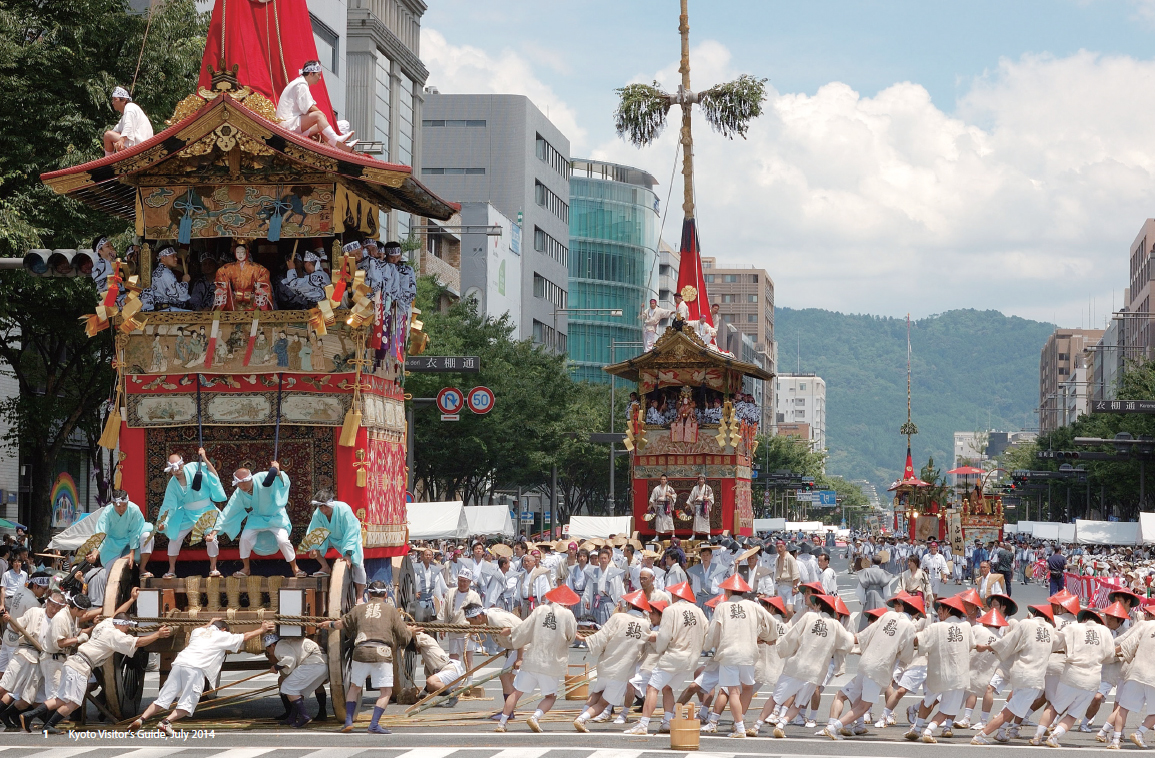
祇园(Gion)是日本京都市东山区的一个地区,起源于战国时代八坂神社(祇园神社)前的娱乐区。该区是为了满足旅行者和参拜者的需求而建造的。它最终发展成为日本最独特、最著名的艺妓区之一。祗园是佛教术语 Jetavana 的日语翻译(通过中文 “岐园”)。位于该地区的八坂神社是祗园信仰的中心。
 Medical, Pharmaceutical, Rehabilitation
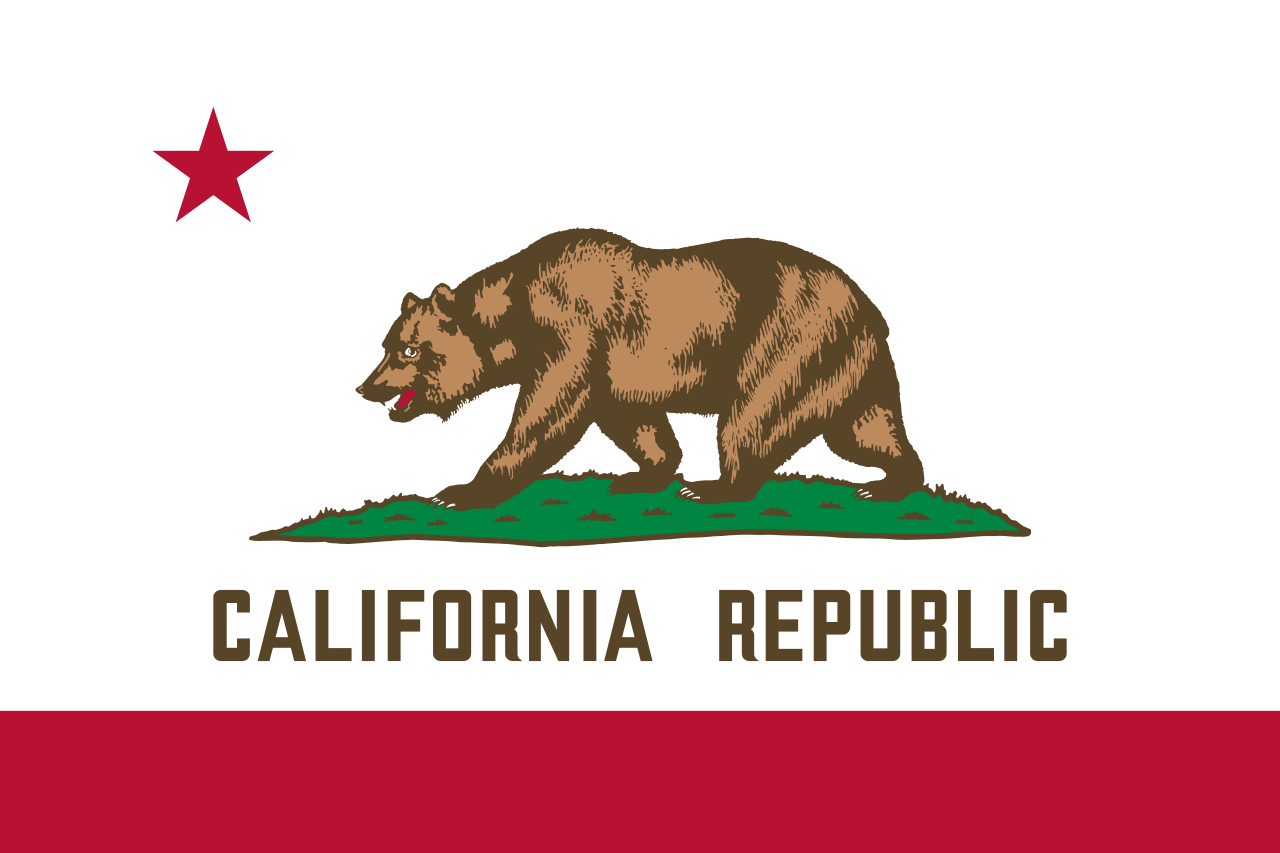 California-CA
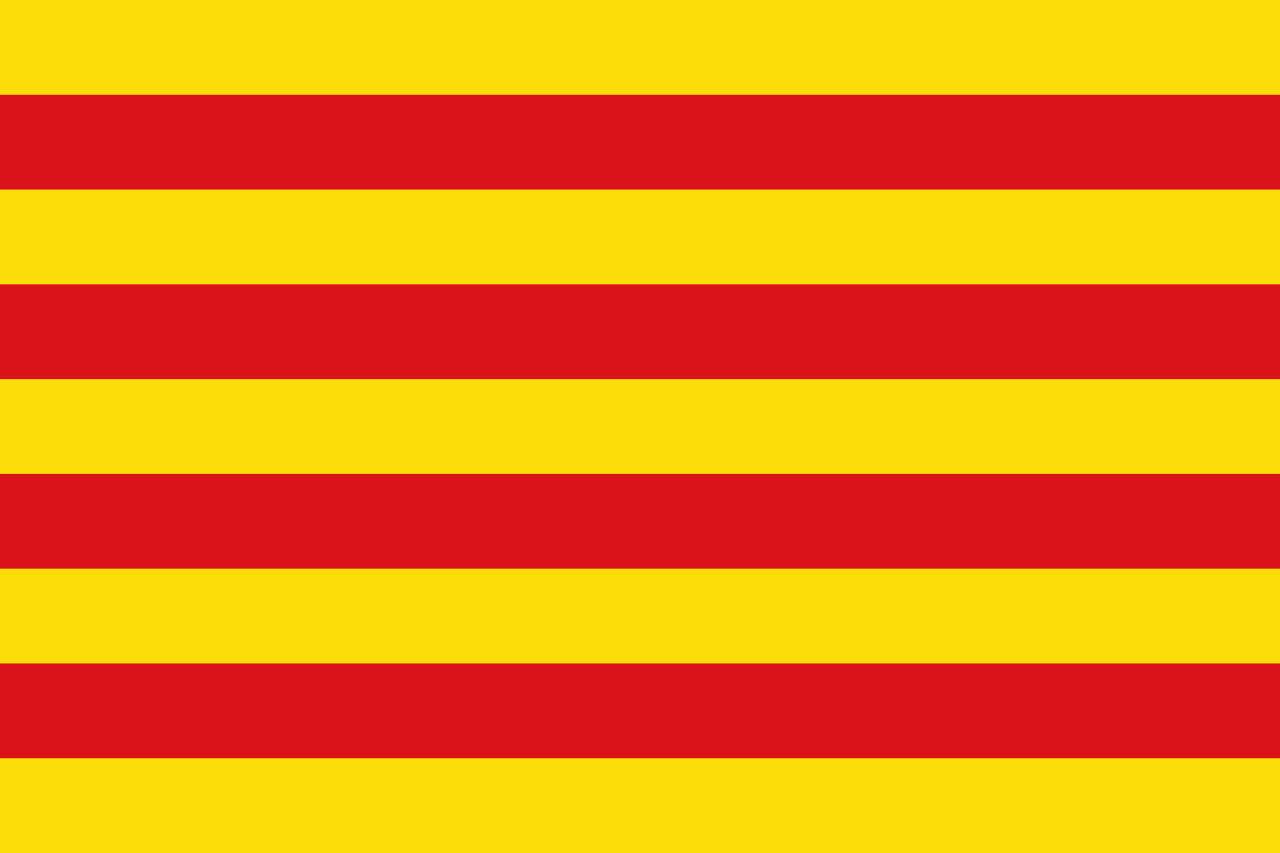 Cataluña
England
Florida-FL
Cataluña
England
Florida-FL
 Ile-de-France
 Illinois-IL
Kinki
Illinois-IL
Kinki
 Lazio
Lazio
 Ontario-ON
Switzerland
Ontario-ON
Switzerland
 Vienna
