Deutsch-Chinesische Enzyklopädie, 德汉百科
 Japan
Japan
 Schiffe und Nautik

 Finanz
 Wirtschaft und Handel

 Modewelt
Japan
Kinki
Modewelt
Japan
Kinki
 Sport
Sport
Sport
Sport
 *Berühmte Sportmarken
 Unternehmen
*Jahrhundertealte Unternehmen der Welt
Unternehmen
Unternehmen
*Jahrhundertealte Unternehmen der Welt

家纹(日语:家紋/かもん Kamon */?)为日本武家、公家为表示自己的持有物而标上的记号,之后成为个人身份之用。
日本战国时代后,家纹定型为象征门第出身的贵族纹章。家纹有过百种式样,多是植物、动物、器物等图案。武士会把家纹绘在旗上,并插在背上,作为自己家族的象征。著名的家纹有织田信长的五木瓜、丰臣秀吉的五七桐(太阁桐)、德川家康的三叶葵等。后来家纹又传到琉球国。近代又传入朝鲜,称为宗纹。
虽然家纹是家族或氏族的象征,但有时不同的氏族可能有同一个家纹。
Mon (jap. 紋, dt. „Zeichen, Emblem“) sind japanische Symbole, ähnlich den Wappen im heraldischen Gebrauch der westlichen Welt, für eine Person oder Gruppe, vor allem als Kamon (家紋, „Familienzeichen“) für Familien. Die meisten Mon sind einfarbig und zeigen die stilisierte Darstellung einer Pflanze oder eines Tiers in einem umrandeten Kreis.
Mon (紋), also monshō (紋章), mondokoro (紋所), and kamon (家紋), are Japanese emblems used to decorate and identify an individual, a family, or (more recently) an institution or business entity. While mon is an encompassing term that may refer to any such device, kamon and mondokoro refer specifically to emblems used to identify a family.[further explanation needed] An authoritative mon reference compiles Japan's 241 general categories of mon based on structural resemblance (a single mon may belong to multiple categories), with 5116 distinct individual mon (it is however well acknowledged that there exist lost or obscure mon that are not in this compilation).[1][2]
The devices are similar to the badges and coats of arms in European heraldic tradition, which likewise are used to identify individuals and families. Mon are often referred to as crests in Western literature, another European heraldic device similar to the mon in function.
Le mon (紋), ou kamon (家紋), est un insigne héraldique initialement utilisé par les clans de samouraïs pour se reconnaître plus facilement sur les champs de bataille. Ils sont généralement sous forme de dessins stylisés à l'intérieur d'une forme géométrique.
Leur utilisation remonte à l'époque Kamakura. Durant l'époque d'Edo, seuls les daimyos avaient le droit d'en posséder deux à la fois. Dès le début de l'ère Meiji, leur utilisation se répandit parmi le peuple.
I mon (紋?), o monshō (紋章?), mondokoro (紋所?), e kamon (家紋?), sono gli emblemi giapponesi usati per decorare e identificare un individuo o una famiglia (soprattutto i kamon e i mondokoro[Mentre gli altri due termini?]), simili agli stemmi dell'araldica europea.
Essi vengono utilizzati inizialmente dai clan di samurai per distinguersi e riconoscersi più facilmente sul campo di battaglia. Si tratta generalmente di disegni stilizzati inseriti all'interno di una forma geometrica. Il loro impiego risale al periodo Kamakura. Durante il Periodo Edo, solo i daimyō avevano il diritto di possederne due. Dall'inizio del periodo Meiji, il loro utilizzo si diffonde anche tra il popolo.
Se denomina mon (紋mon'?), monshō (紋章monshō'?), mondokoro (紋所mondokoro'?), o kamon (家紋kamon'?), a las insignias o blasones heráldicos de los diversos clanes que existieron durante el periodo feudal de Japón.
El mon de Japón, representa la casa, familia o clan. No solo representa a los padres y hermanos, toda la familia por lo general usa el mismo emblema.1 Un ejemplo es el clan Tokugawa que gobernó durante más de 200 años a Japón, y utilizaron el mismo kamon.
Камон (яп. 家紋, «знак дома»), также мон (яп. 紋, «знак»), монсё (яп. 紋章, монсё:, «родовое изображение») — в Японии — своего рода семейный герб. Камон является в некоторой степени оригинальным знаком рода, семьи или человека, достаточно известного, чтобы иметь личный символ. Этот знак не является гербом в общем смысле этого слова, так как не представляет собой геральдической эмблемы рода.

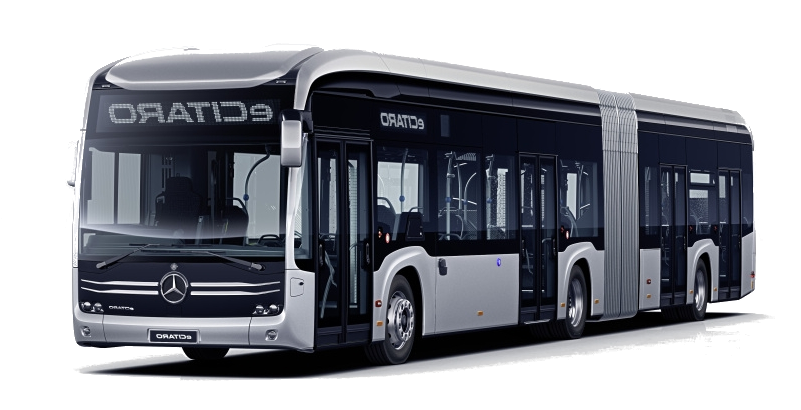
 Automobil

 Motorsport

 Versicherungen


 IT-Times


 Architektur

 Skiurlaub
 Internationale Städte