
Deutsch-Chinesische Enzyklopädie, 德汉百科
 蒙古
蒙古
 亚历山大·卢卡申科
阿塞拜疆
白俄罗斯
中国
埃莫马利·拉赫蒙
印度
伊朗
哈萨克斯坦
吉尔吉斯斯坦
穆罕默德·穆赫贝尔
蒙古
巴基斯坦
卡西姆若马尔特·托卡耶夫
俄罗斯
萨德尔·扎帕罗夫
肖开提·米尔则亚耶夫
夏巴兹·谢里夫
塔吉克斯坦
土耳其
土库曼斯坦
乌兹别克斯坦
亚历山大·卢卡申科
阿塞拜疆
白俄罗斯
中国
埃莫马利·拉赫蒙
印度
伊朗
哈萨克斯坦
吉尔吉斯斯坦
穆罕默德·穆赫贝尔
蒙古
巴基斯坦
卡西姆若马尔特·托卡耶夫
俄罗斯
萨德尔·扎帕罗夫
肖开提·米尔则亚耶夫
夏巴兹·谢里夫
塔吉克斯坦
土耳其
土库曼斯坦
乌兹别克斯坦
 经济和贸易
弗拉基米尔·弗拉基米罗维奇·普京
习近平
经济和贸易
弗拉基米尔·弗拉基米罗维奇·普京
习近平

The 2024 SCO summit was the 24th annual summit of heads of state of the Shanghai Cooperation Organisation held between 3 and 4 July 2024 in Astana, Kazakhstan.
2024 年上海合作组织峰会是上海合作组织第二十四次元首年度峰会,于 2024 年 7 月 3 日至 4 日在哈萨克斯坦阿斯塔纳举行。

 地理
地理

 运输和交通
运输和交通
 企业
企业

 驾驶学校
埃及
澳大利亚
比利时
巴西
丹麦
联邦德国
芬兰
法国
希腊
驾驶学校
埃及
澳大利亚
比利时
巴西
丹麦
联邦德国
芬兰
法国
希腊
 手拉手
手拉手
手拉手
手拉手
 驾驶执照
印度
印度尼西亚
意大利
日本
加拿大
哈萨克斯坦
克罗地亚
马来西亚
墨西哥
蒙古
新西兰
荷兰
常用信息
奥地利
葡萄牙
韩国
俄罗斯
沙特阿拉伯
瑞典
瑞士
新加坡
西班牙
南非
泰国
捷克
土耳其
匈牙利
驾驶执照
印度
印度尼西亚
意大利
日本
加拿大
哈萨克斯坦
克罗地亚
马来西亚
墨西哥
蒙古
新西兰
荷兰
常用信息
奥地利
葡萄牙
韩国
俄罗斯
沙特阿拉伯
瑞典
瑞士
新加坡
西班牙
南非
泰国
捷克
土耳其
匈牙利
 假期和旅游
阿拉伯联合酋长国
美国
英国
假期和旅游
阿拉伯联合酋长国
美国
英国
国际驾驶执照(International Driving Permit)依照1949年日内瓦国际道路交通公约及1968年维也纳国际道路交通公约,由公约签署国政府签发,方便本国驾驶员在其他签约国驾驶私人车辆。国际驾驶执照为附加在一国驾驶执照之上的一本附加多国语言的说明,标注了驾驶人的基本信息以及允许驾驶的对应车辆种类等,解决驾驶员与其他国家的交通管理部门之间的沟通障碍。国际驾照不能独立存在,当驾驶员同时持有一国驾照与该国政府签发的国际驾照时,此国际驾照才视作有效。[1]
国际驾驶执照之内容及格式依照维也纳道路交通会议制订,但并非各国均批准该公约。
Ein Internationaler Führerschein ist ein Dokument, das von den Straßenverkehrsbehörden oder Automobilclubs[1] eines Landes aufgrund zwischenstaatlicher Verträge ausgestellt wird. Er soll vor allem der Polizei eines anderen Landes die Feststellung ermöglichen, ob ein ausländischer Kraftfahrer die Fahrerlaubnis hat, die für sein aktuelles Fahrzeug erforderlich ist.
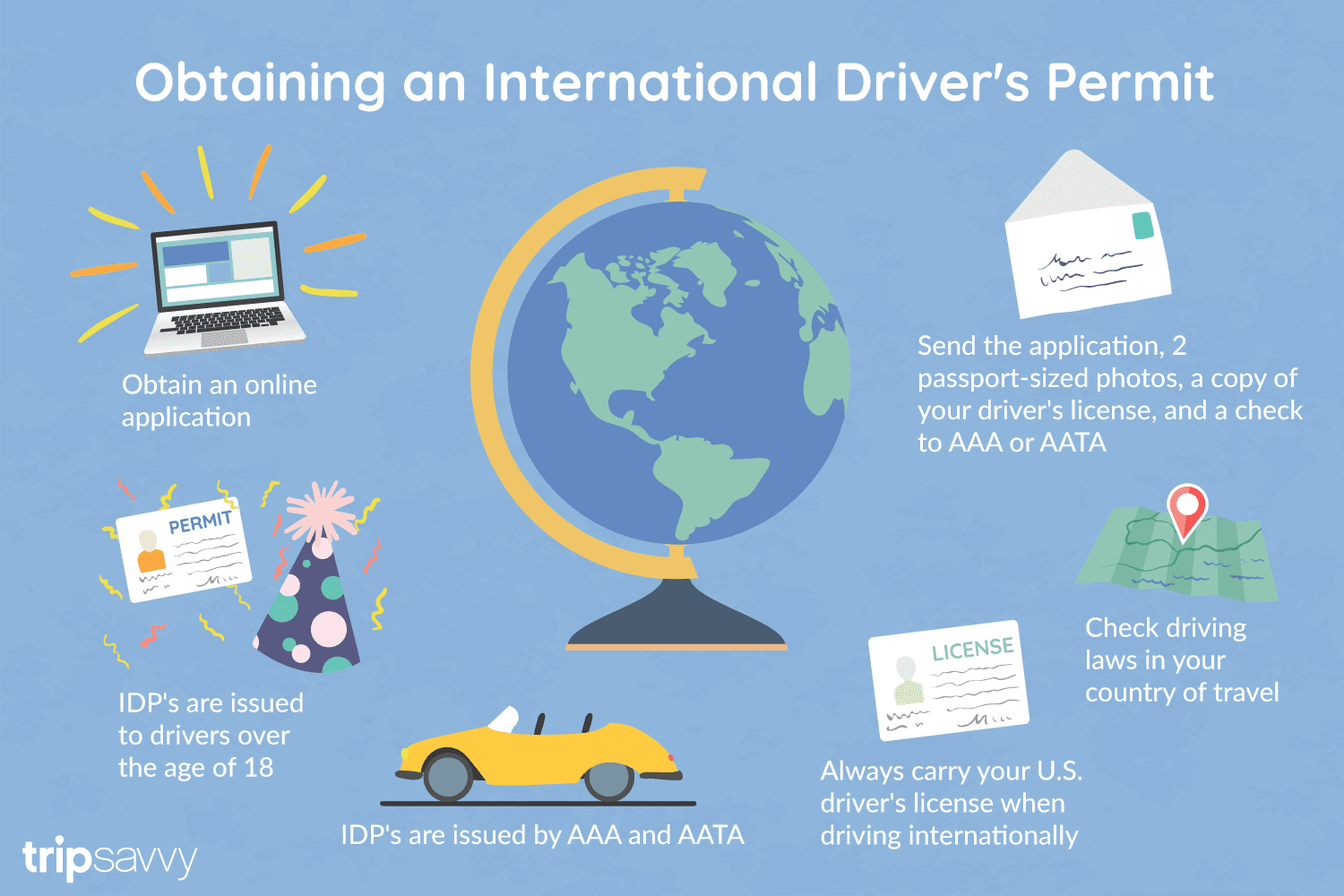
An International Driver's Permit (IDP) allows you to drive a vehicle in another country, as long as you also have a valid driver's license issued by your state. It is also recognized as a proper form of identification in over 175 countries and by many major car rental companies internationally.
Getting an International Driver's Permit (sometimes incorrectly called an international driver's license) can take anywhere from a day to a few weeks, depending on whether you're going through walk-in processing or applying via mail, so make sure to plan ahead if you're planning to drive on your international trip. There are only two locations in the United States that issue these documents: The American Automobile Association (AAA) and the American Automobile Touring Alliance (AATA).
In the United States, International Driver Permits (IDPs) are only issued by the American Automobile Association and the American Automobile Touring Alliance, and the State Department recommends against purchasing an IDP from other outlets as they are all entirely illegal to buy, carry, or sell.
IDPs can be issued to anyone over 18 who has had a valid driver's license for six months or longer. They typically remain valid for one year or the expiration of your existing state driving license. It's essential to investigate an IDP before your trip and make sure you know the requirements.
Both AAA and AATA are excellent sources for these documents, so once you've selected a provider, go to either the AAA's or NAATA's website, print out the International Driving Permit Application, complete all applicable fields, and submit it.
Once you have the application completed, you can send it in via the mail or visit a local office of an organization like AAA; you'll also need two original passport-sized photos and a signed copy of your valid U.S. driver's license as well as an enclosed check for the fee.
Tips to Getting and Using Your Permit
AAA offices can process IDPs during your visit, but processing generally takes 10 to 15 business days if you send the application in. However, expedited services may be available to get your license within one or two business days for an additional fee.
When applying, you'll need a computer and printer, a completed application, a copy of your valid U.S. driver's license, two passport photos, and a check, money order, or credit card to complete the process. Remember to bring these with you if you're applying in person.
Always make sure to carry your valid United States driver's license when driving internationally, as your IDP is invalid without this accompanying proof of eligibility to drive. IDPs only translate domestically-accepted licenses and do not allow those without government-issued driver's licenses to drive abroad.
You'll also want to make sure to enclose the proper fees (the fee for the IDP, as well as any shipping and handling fees), photos, and photocopies of your license when submitting your application to AAA or AATA as omitting any of these required documents will result in your application being rejected.
You should also check the driving requirements and laws for the countries you will be driving in on your vacation, so you'll know what will be required in the event you get stopped by local authorities. (Quelle:https://www.tripsavvy.com/)
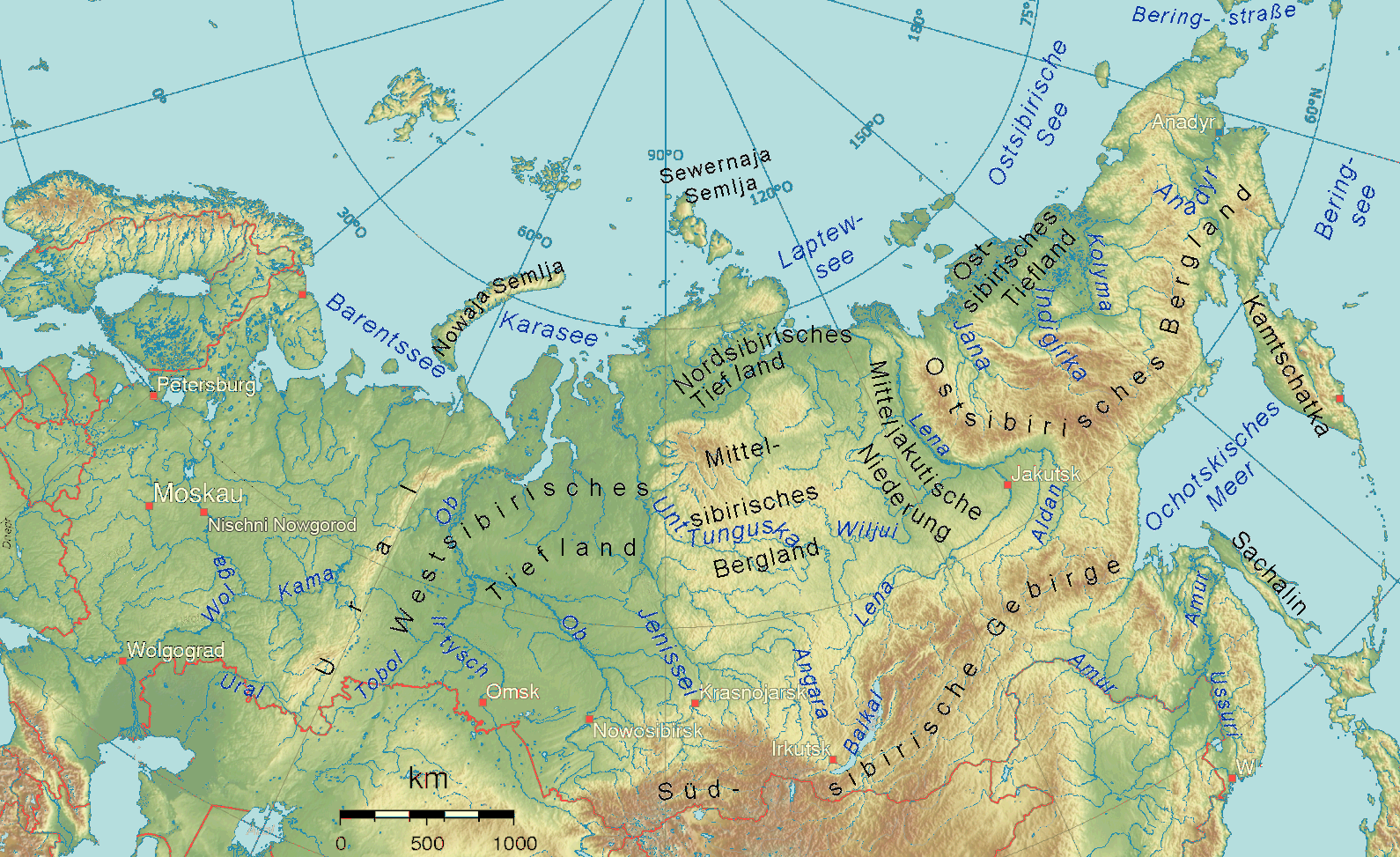
The Yenisey (Russian: Енисе́й, Yeniséy; Mongolian: Енисей мөрөн, Yenisei mörön; Buryat: Горлог мүрэн, Gorlog müren; Tyvan: Улуг-Хем, Uluğ-Hem; Khakas: Ким суғ, Kim suğ),[4] also romanised as Yenisei, Enisei, or Jenisej,[5] is the fifth-longest river system in the world, and the largest to drain into the Arctic Ocean. Rising in Mungaragiyn-gol in Mongolia, it follows a northerly course before draining into the Yenisey Gulf in the Kara Sea. The Yenisey divides the Western Siberian Plain in the west from the Central Siberian Plateau to the east; it drains a large part of central Siberia.
It is the central one of three large Siberian rivers that flow into the Arctic Ocean (the other two being the Ob and the Lena).
Lo Enisej (in russo: Енисе́й;? anche Jenisej, Yenisei; in ital. talora Ienissei[1][2][3] o, più arcaico, Jenissei[4]) è un fiume artico della Russia siberiana centrale. Fiume più lungo della Russia, è uno dei maggiori dell'Asia e del mondo intero, sia per lunghezza che per dimensioni del bacino idrografico.
Il toponimo deriva dalla lingua evenki "Иоанес и" (Ioanes i), che significa grande acqua, grande fiume.[5]
El río Yeniséi (en ruso: Енисей)? es un largo río de la Rusia asiática o Siberia que fluye en dirección norte a través de las repúblicas de Tuvá y Jakasia, y el krai de Krasnoyarsk hasta desaguar en el golfo homónimo (mar de Kara, océano Ártico). Tiene una longitud de 4093 km, pero contando el sistema fluvial Yeniséi-Angará-lago Baikal-Selengá-Ider alcanza los 5539 km, lo que lo sitúa como el quinto río más largo del mundo, tras el Amazonas, Nilo, Yangtsé y el Misisipi-Misuri.1 Su cuenca comprende unos 2 580 000 km², la 8.ª del mundo.
Енисе́й (нен. Ензя’ ям’[2], эвенк. Ионэси, южноселькупск. На́ндыс, Ня́ндысе[3][4], северноселькупск. Пӱ̄л Тяас ӄолд, кет. Хук, хакас. Ким суг, тыв. Улуг Хем) — река в Сибири, одна из самых длинных и полноводных рек мира и России. Впадает в Карское море Северного Ледовитого океана. Длина — 3487 км, площадь водосборного бассейна — 2 580 000 км² (второй по величине в России), а годовой сток составляет 624,41 км³ (самая полноводная река в России).

哈萨克语(қазақ тілі,qazaq tılı,قازاق ٴتىلى,发音:[qɑˈzɑq tɪˈlɪ]),简称哈语,属突厥语系,是哈萨克族所使用的语言。与其他属突厥语系的语言相当接近,相互理解性高,如维吾尔族、柯尔克孜族、塔塔尔族以及乌孜别克族使用的语言,尤其与柯尔克孜语和卡拉卡尔帕克语非常相近。据说哈萨克语言是受乌孙语、突厥语以及蒙古语影响的综合产物。
哈萨克民族是由古代乌孙、突厥、契丹、蒙古等部族在长期相处中发展而成的,因此哈萨克语广泛分布在包括哈萨克斯坦共和国、中华人民共和国新疆维吾尔自治区以及前苏联地区在内的中亚地区。
哈萨克语元音和谐比较严整,辅音同化现象较多。名词、代词和数词有七个格,比同语族的许多语言多一个造格。语法附加成分的变体较多。动词谓语第一人称单数附加成分除使用第一人称代词形式外,还使用短尾形式-m[-m]。有关畜牧业的词语很丰富。
Die kasachische Sprache (kasachisch қазақ тілі, қазақша Qasaq tili, qasaqscha; قازاق ءتىلى, قازاقشا qazaq tili, qazaqşa, IPA: [qɑzɑq tɪlɪ]) ist eine Turksprache, die dort zur kiptschakischen Untergruppe gehört. Kasachisch ist Amtssprache in Kasachstan sowie in angrenzenden Regionen Russlands und Chinas. Weitere bedeutende Sprecherzahlen gibt es in Usbekistan und der Mongolei. Das Kasachische verwendet das kyrillische Alphabet, bis 2031 soll jedoch eine Umstellung auf Lateinisch stattfinden.
 体育
体育


Die Khata, auch Khatag, Katakh, Khatak, Khadag, Haddak oder chinesisch Hada (哈达) ist ein traditioneller Begrüßungsschal, der in Tibet meist aus weißer Seide[1] – als Symbol für das reine Herz des Überreichenden – und in der Mongolei in hellem Blau – das den Himmel symbolisiert – angefertigt wird.
Er steht für Glück, Wohlwollen und Mitgefühl.
 阿富汗
埃及
阿塞拜疆
巴林
中国
印度
伊拉克
伊朗
以色列
约旦
柬埔寨
哈萨克斯坦
吉尔吉斯斯坦
蒙古
巴基斯坦
巴勒斯坦
韩国
俄罗斯
塔吉克斯坦
泰国
土耳其
乌兹别克斯坦
阿拉伯联合酋长国
越南
阿富汗
埃及
阿塞拜疆
巴林
中国
印度
伊拉克
伊朗
以色列
约旦
柬埔寨
哈萨克斯坦
吉尔吉斯斯坦
蒙古
巴基斯坦
巴勒斯坦
韩国
俄罗斯
塔吉克斯坦
泰国
土耳其
乌兹别克斯坦
阿拉伯联合酋长国
越南

 宗教
宗教
 建筑艺术
建筑艺术
 历史
历史
 艺术
艺术
 文化遗产
文化遗产

藏传佛教(藏语:བོད་བརྒྱུད་ནང་བསྟན།,威利转写:bod brgyud nang bstan,藏语拼音:Pö gyü Nangdän;蒙古语:Төвөдийн Буддын шашин),或称藏语系佛教,或俗称喇嘛教,是指传入藏区的佛教分支。属北传佛教,与汉传佛教、南传佛教并称佛教三大地理体系,但以密宗传承为其主要特色。
Die Entwicklung des Buddhismus in Tibet bzw. im Hochland von Tibet geht auf erste Kontakte im 5. Jahrhundert n. Chr. zurück. Zur offiziellen Einführung des Buddhismus in Tibet als Staatsreligion kam es im 8. Jahrhundert durch König Trisong Detsen.[1] In Tibet entstanden im Verlauf der Zeit verschiedene buddhistische Schulen.
