
Deutsch-Chinesische Enzyklopädie, 德汉百科
 Japan
Japan
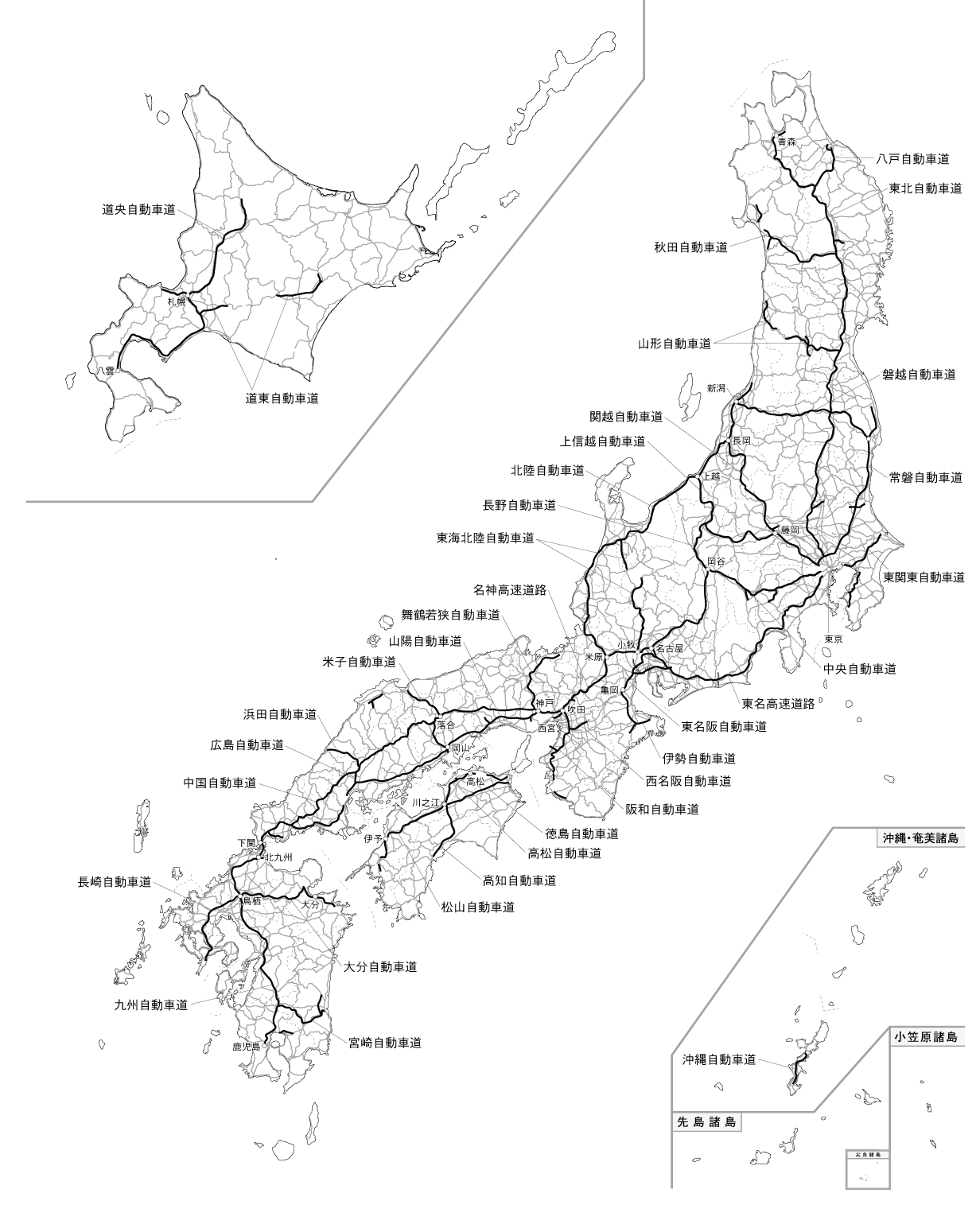
 Transport and traffic

Alberto Zaccheroni
 FIFA Fussball-Weltmeisterschaft 2014
 FIFA Fussball-Weltmeisterschaft 2018
 Group H
 FIFA Fussball-Weltmeisterschaft 2022
Group E
FIFA Fussball-Weltmeisterschaft 2022
FIFA Fussball-Weltmeisterschaft 2022
Group E
 FIFA Fussball-Weltmeisterschaft 2026
Group F
FIFA-Konföderationen-Pokal 2013
Japan
FIFA Fussball-Weltmeisterschaft 2026
FIFA Fussball-Weltmeisterschaft 2026
Group F
FIFA-Konföderationen-Pokal 2013
Japan
 Sport
(F)FIFA Confederations Cup
Zico
Sport
(F)FIFA Confederations Cup
Zico


 Art
Art
 Life and Style

 Party and government

 Literature
 Hand in Hand

Japanisch (jap. 日本語, Nihongo, selten auch Nippongo) ist die Amtssprache Japans. Es ist die Muttersprache von rund 99 % der Bevölkerung Japans. Die großen japanischen Sprechergruppen in Brasilien und den USA sind Nachfahren japanischer Emigranten. Eine Besonderheit der Sprache ist ihr komplexes Schriftsystem, das eine Mischung aus chinesischen Schriftzeichen (genauer Kanji) und den Silbenschriften (genauer Morenschrift) Hiragana und Katakana ist.
日语(日本語/にほんご Nihongo或にっぽんご Nippongo[注 1]日语发音:[ɲihoŋɡo] ( 聆听)或[ɲippoŋɡo]),又称为日本语,属日本-琉球语系,是主要由日本列岛大和民族使用的语言。日本并未以法律明确规定日语为官方语言,但各种法令[注 2]都规定需使用日语,在学校教育中作为国语教授的也是日语。日语是日本公用语言,是日本事实上的官方语言,类似于美国英语事实上的国语地位。
虽然并没有精确的日语使用人口的统计,不过计算日本国内的人口以及居住在日本国外的日本人、日侨和日裔,日语使用者应超过一亿三千万人[5]。几乎所有在日本出生长大的日本国民[注 3]都以日语为母语[注 4]。此外,对于失聪者,有对应日语文法及音韵系统的日本手语存在。
在日语语法学界,如果无特别说明,“日语”(日本語)这个词汇,一般是指以江户山手地区(今东京中心一带)的中流阶层方言为基础的日语现代标准语[6][注 5],有时也称作“共通语”(共通語)。
日本語(にほんご、にっぽんご[注 1]、英: Japanese)は、主に日本国内や日本人同士の間で使用されている言語。日本は法令によって公用語を規定していないが、法令その他の公用文は全て日本語で記述され、各種法令[6]において日本語を用いることが規定され、学校教育においては「国語」の教科として学習を行うなど、事実上、日本国内において唯一の公用語となっている。
使用人口について正確な統計はないが、日本国内の人口、および日本国外に住む日本人や日系人、日本がかつて統治した地域の一部住民など、約1億3千万人以上と考えられている[7]。統計によって前後する場合もあるが、この数は世界の母語話者数で上位10位以内に入る人数である。
日本で生まれ育ったほとんどの人は、日本語を母語とする[注 2]。日本語の文法体系や音韻体系を反映する手話として日本語対応手話がある。
2019年4月現在、インターネット上の言語使用者数は、英語、中国語、スペイン語、アラビア語、ポルトガル語、マレー語/インドネシア語、フランス語に次いで8番目に多い[8][信頼性要検証]。
Japanese (日本語, Nihongo [ɲihoŋɡo] (listen)) is an East Asian language spoken by about 128 million people, primarily in Japan, where it is the national language. It is a member of the Japonic (or Japanese-Ryukyuan) language family, and its relation to other languages, such as Korean, is debated. Japonic languages have been grouped with other language families such as Ainu, Austroasiatic, and the now-discredited Altaic, but none of these proposals has gained widespread acceptance.
Little is known of the language's prehistory, or when it first appeared in Japan. Chinese documents from the 3rd century recorded a few Japanese words, but substantial texts did not appear until the 8th century. During the Heian period (794–1185), Chinese had considerable influence on the vocabulary and phonology of Old Japanese. Late Middle Japanese (1185–1600) included changes in features that brought it closer to the modern language, and the first appearance of European loanwords. The standard dialect moved from the Kansai region to the Edo (modern Tokyo) region in the Early Modern Japanese period (early 17th century–mid-19th century). Following the end of Japan's self-imposed isolation in 1853, the flow of loanwords from European languages increased significantly. English loanwords, in particular, have become frequent, and Japanese words from English roots have proliferated.
Japanese is an agglutinative, mora-timed language with simple phonotactics, a pure vowel system, phonemic vowel and consonant length, and a lexically significant pitch-accent. Word order is normally subject–object–verb with particles marking the grammatical function of words, and sentence structure is topic–comment. Sentence-final particles are used to add emotional or emphatic impact, or make questions. Nouns have no grammatical number or gender, and there are no articles. Verbs are conjugated, primarily for tense and voice, but not person. Japanese equivalents of adjectives are also conjugated. Japanese has a complex system of honorifics with verb forms and vocabulary to indicate the relative status of the speaker, the listener, and persons mentioned.
Japanese has no clear genealogical relationship with Chinese,[2] although it makes prevalent use of Chinese characters, or kanji (漢字), in its writing system, and a large portion of its vocabulary is borrowed from Chinese. Along with kanji, the Japanese writing system primarily uses two syllabic (or moraic) scripts, hiragana (ひらがな or 平仮名) and katakana (カタカナ or 片仮名). Latin script is used in a limited fashion, such as for imported acronyms, and the numeral system uses mostly Arabic numerals alongside traditional Chinese numerals.
Le japonais est la langue du Japon, parlée par le peuple japonais. Néanmoins, aucune loi ne lui donne le statut de langue officielle, même si elle est en revanche la langue des documents officiels et de l'éducation. Le japonais est également utilisé par la diaspora nippone (notamment au Brésil et au Pérou, où d'importantes communautés parlant cette langue sont implantées, comme à Lima et à Sao Paulo), et a un statut de langue officielle sur l'île de Angaur dans les Palaos bien qu'il n'y soit plus parlé.
En japonais, « langue japonaise » se dit nihongo (日本語). Les caractères 日本 désignent le Japon (cf. Noms du Japon), et le dernier caractère, 語, signifie langue. Toutefois, les Japonais eux-mêmes utilisent le mot kokugo (国語, lit. « langue du pays » ou « langue nationale ») pour faire référence à leur langue.
Le japonais appartient à la famille isolée des langues japoniques. Son vocabulaire s'est notablement enrichi, au cours de l'Histoire, par le truchement de divers emprunts : le plus remarquable est la présence de nombreux vocables issus ou dérivés de la langue chinoise écrite, ce qui explique que le japonais soit qualifié de « langue sinoxénique » ; d'autre part, la langue contemporaine effectue de fréquents emprunts à diverses langues européennes, particulièrement à l'anglais.
Il giapponese (日本語 Nihongo?) è una lingua parlata in Giappone e in numerose aree di immigrazione giapponese. Insieme alle lingue ryūkyūane forma la famiglia linguistica delle lingue nipponiche.
Poco si conosce della preistoria della lingua, o di quando essa apparve per la prima volta in Giappone. I documenti cinesi del III secolo registravano alcune parole giapponesi, ma testi sostanziali non apparvero prima dell'VIII secolo. Durante il periodo Heian (794-1185), il cinese ebbe considerevole influenza sul vocabolario e sulla fonologia del giapponese antico. Il giapponese tardomedio/tardo giapponese medio (1185–1600) vide cambiamenti nelle caratteristiche che lo portarono più vicino alla lingua moderna, nonché la prima apparizione di prestiti linguistici europei. Il dialetto standard si spostò dalla regione di Kansai alla regione di Edo (la moderna Tokyo) nel periodo del Primo giapponese medio (inizio del XVII secolo-metà del XIX secolo). In seguito alla fine nel 1853 dell'isolamento autoimposto del Giappone, il flusso dei prestiti linguistici dalle lingue europee aumentò significativamente. I prestiti linguistici inglesi in particolare sono diventati frequenti e le parole giapponesi con radici inglesi sono proliferate.
Dal punto di vista filogenetico il giapponese si considera solitamente una lingua isolata, per l'impossibilità di ricostruire con sicurezza la sua origine. Alcune delle teorie proposte ipotizzano che il giapponese possa avere origini comuni con la lingua ainu (parlata dalla popolazione indigena Ainu tuttora presente nell'isola di Hokkaidō), con le lingue austronesiane oppure con le lingue altaiche. Le ultime due ipotesi sono attualmente le più accreditate: molti linguisti concordano nel ritenere che il giapponese sarebbe costituito da un substrato austronesiano a cui si è sovrapposto un apporto di origine altaica. Evidenti sono le somiglianze sintattiche e morfologiche con il coreano, trattandosi di lingue agglutinanti (che formerebbe con il giapponese il gruppo macro-tunguso), da cui differisce sul piano lessicale.
Vari studiosi utilizzano il termine protogiapponese per indicare la protolingua di tutte le varietà delle lingue moderne del Giappone, ovvero la lingua moderna giapponese, i dialetti del Giappone e tutte le forme di lingua parlata nelle isole Ryukyu.[4] Dal punto di vista tipologico il giapponese presenta molti caratteri propri delle lingue agglutinanti del tipo SOV, con una struttura "tema-commento" (simile a quella del coreano). La presenza di alcuni elementi tipici delle lingue flessive ha spinto tuttavia alcuni linguisti a definire il giapponese una lingua "semi-agglutinante".
El idioma japonés o nipón (日本語 Nihongo (?·i)?) es un idioma de Asia oriental hablado por alrededor de 128 millones de personas, principalmente en Japón, donde es la lengua nacional. El japonés es el principal idioma de las lenguas japónicas, y aunque se ha debatido sobre su relación lingüística con el coreano, el ainu, las lenguas altaicas y las lenguas austroasiáticas, no hay consenso en cuanto a su origen.
Poco se sabe acerca el origen del idioma. Hay textos chinos del siglo III que documentan algunas palabras japonesas, pero los primeros textos extensos no surgen hasta el siglo VIII. Durante el período Heian (794-1185), el chino ejerció una profunda influencia en el vocabulario y fonología del japonés antiguo y del medio temprano. El japonés medio tardío (1185-1600) se acerca sustancialmente al japonés contemporáneo. En este período se incorporan también los primeros préstamos europeos. Tras el fin del aislamiento en 1853, la cantidad de préstamos de lenguas europeas aumentó considerablemente, especialmente del inglés.
El japonés no tiene una relación genética con el chino, pero utiliza caracteres chinos llamados kanji (漢字), y gran parte del vocabulario proviene del chino. Junto a los kanji, el japonés utiliza dos alfabetos o silabarios: el hiragana (ひらがな) y el katakana (カタカナ). El alfabeto latino (en japonés romaji) se utiliza para escribir acrónimos y el idioma emplea tanto los números árabes como los chinos.
Япо́нский язы́к (яп. 日本語 нихонго ) — язык японцев и фактически[1] государственный язык Японии, со спорным систематическим положением среди других языков. Число свободно говорящих — около 140 миллионов человек, родной для 125 млн (9-й в мире).
Генетические связи японского языка не до конца выяснены. Выделяются два слоя лексики, один из которых имеет параллели в алтайских языках, другой — в австронезийских языках; вероятнее, исконен алтайский слой[2]. Обладает оригинальной письменностью, сочетающей идеографию и слоговую фонографию. По грамматическому строю — агглютинативный с преимущественно синтетическим выражением грамматических значений.
 Eat and Drink


茶道(日语:茶道/さどう(ちゃどう) Sadō (Chadō) */?),起源于唐朝茶艺,后传到日本。是日本传统艺道,是将生活消闲活动提升至精神意识层次,成为一种独特传统礼仪,是宣扬文化之媒介[1]。日本茶道是为客人奉茶之事,源自大唐,是一种茶叙的仪式,日本人称之为“茶汤”(茶湯、茶の湯),而吃茶的叙会则称为“茶会”(CHAKAI)[1]。和其他东亚茶仪式一样,都是一种以品茶为主而发展出来的特殊文化,但内容和形式则有别。茶道历史可以追溯到13世纪。往大唐留学的僧侣,于唐朝把佛教和茶带回东瀛[1]。日本最初是僧侣用茶来集中自己的思想,后来才成为分享茶食的仪式。
现代的茶道,由主人准备茶与点心(和菓子)招待客人,而主人与客人都按照固定的规矩与步骤行事。目前一般的茶会较重视领略其精神,所以现代之茶会或作茶道示范时,大多只进行洞茶之部分,但各项礼仪和步骤仍是非常严谨[1]。除了饮食之外,茶道的精神还延伸到茶室内外的布置;品鉴茶室的书画布置、庭园的园艺及饮茶的陶器都是茶道的重点。
Die japanische Teezeremonie (jap.茶道 sadō, genannt auch chadō, dt. etwa Teeweg;[1] auch 茶の湯, cha-no-yu, dt. heißes Wasser für Tee), auch bekannt als Teeritual, steht in ihrer zugrunde liegenden Philosophie dem Zen nahe. Es ist eine in ihrem Ablauf bestimmten Regeln folgende Zusammenkunft, bei der ein oder mehrere Gäste von einem Gastgeber Tee und leichte Speisen gereicht bekommen. Beim verwendeten Tee handelt es sich um so genannten Matcha, fein gemahlenen Grüntee. Um dem Gast die Möglichkeit zur inneren Einkehr zu bieten, findet die Zusammenkunft in einem bewusst schlicht eingerichteten Teehaus statt.
 Architecture
 Financial


日本医疗保险制度是为了减轻患者在生病或受伤时的医疗负担为目的而制定。居住在日本的人,无论任何国 籍都必须加入公共医疗保险。医疗保险包括在公司或工厂工作的人以及其抚养家人所加入的健康保险和这些 以外的人为对象的国民健康保险两种。一旦加入保险即可领取被保险者证。当生病等时,只要向保险医疗机 构的挂号处出示,只需支付部分费用即可接受必要的治疗。
關於日本的醫療制度
在日本,有全體國民必須加入的「公家醫療保險制度」,生病或受傷時,只要出示保險卡,就能接受診察、治療、處方等。
因此是無論去哪家醫療機關,都能自由接受醫療服務的「自由就診」方式。
為了實現這個方式,日本的保險醫療制度採用的是平常由全體國民一起分攤保險費用,以便在生病或受傷時,能盡量以較輕的負擔接受醫療服務。
醫療保險有
- 以在職場工作的人為對象的健康保險(總稱為被用者保險)
- 以自營業等當地居民為對象的國民健康保險
此外,75歲以上、65歲以上等有一定生涯狀況,且受到後期高齡者醫療廣域聯合認定的人,則可根據後期高齡者醫療制度,獲得醫療給付。
所有居住在日本國內的人,原則上都必須加入這些保險和制度的任一種,不可依個人意願退出。
不過,外籍觀光客並不適用。
若旅行中突然要在日本接受醫療服務,為了減少醫療費負擔,建議加入訪日外籍人士用的醫療保險等。

關於選定療養費
目前,日本為了推動「醫療機關的功能分擔」,若沒有其他醫療機關等的轉診單或介紹信,要直接到200床以上的醫院就診的初診病患,除了治療費之外,還必須支付「選定療養費」。在高山市內,若要到高山紅十字醫院及久美愛厚生醫院就診,就必須支付「選定療養費」。
另外,救護車送醫則不需支付「選定療養費」。
關於診療報酬
對醫療機關的醫療行為支付的回報費用,稱為「診療報酬」,是將日本規定的醫療行為點數一一加總計算得出的金額。日本的醫療服務中,每種醫療行為都制定了公定價格(點數)。
醫療機關有醫師、護理人員等其他各式各樣的醫療人員在工作。與這些工作人員有關的人事費,以及醫藥品、醫療材料的購買費用、與醫療機器和儀器有關的費用、設施維護和管理費用,主要都是用「診療報酬」來支付。
若未加入日本的公家醫療保險制度(訪日外籍人士等),由於無法從醫療保險支付診療報酬,其費用就必須由病患本人全額負擔。
日本医疗的特征
在日本只要有保险证,无论是谁,无论在哪里,都可以平等的接受必要的医疗服务。
为了能安心的接受医疗,达成了一个日本国民全员都加入国家的医疗保险,加入者全员负担保险费,互相帮助的医保体系。只要有一个保险证在手,可以自由的选择就诊的医疗机构,平等的享受必要的医疗服务。
可以将日本的医疗制度的优点总结为以下3点
- 全国民保险:在日本所有的国民都加入了国家的医疗保险。
- 自由选择:没有限制,可以在任何医疗机构,任意接受任何医师的诊疗。
- 医疗服务补助:仅需负担一部分的费用即可接受诊疗,注射以及手术,用药等医疗服务。
上述以外,根据患者的实际情况只要满足一定的条件,可以在医生的判断下使用医保以外的先进医疗及尚未被批准的药物进行治疗。