
Deutsch-Chinesische Enzyklopädie, 德汉百科
 Italy
Italy
 History
 Architecture
 Neoclassic architecture *
Architecture
Baroque / Rococo architecture
Neoclassic architecture *
Architecture
Baroque / Rococo architecture
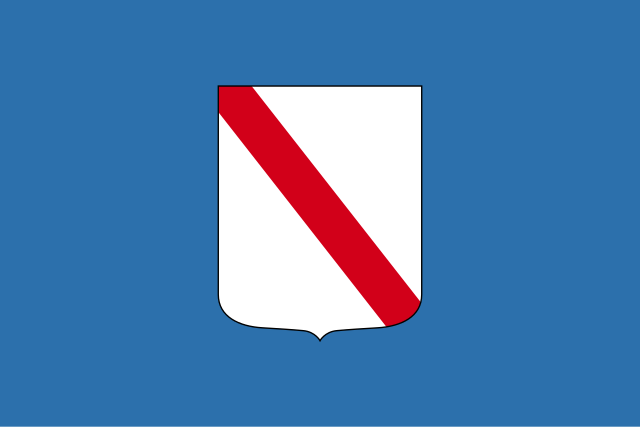 Campania
Neapel
Italy
Campania
Neapel
Italy

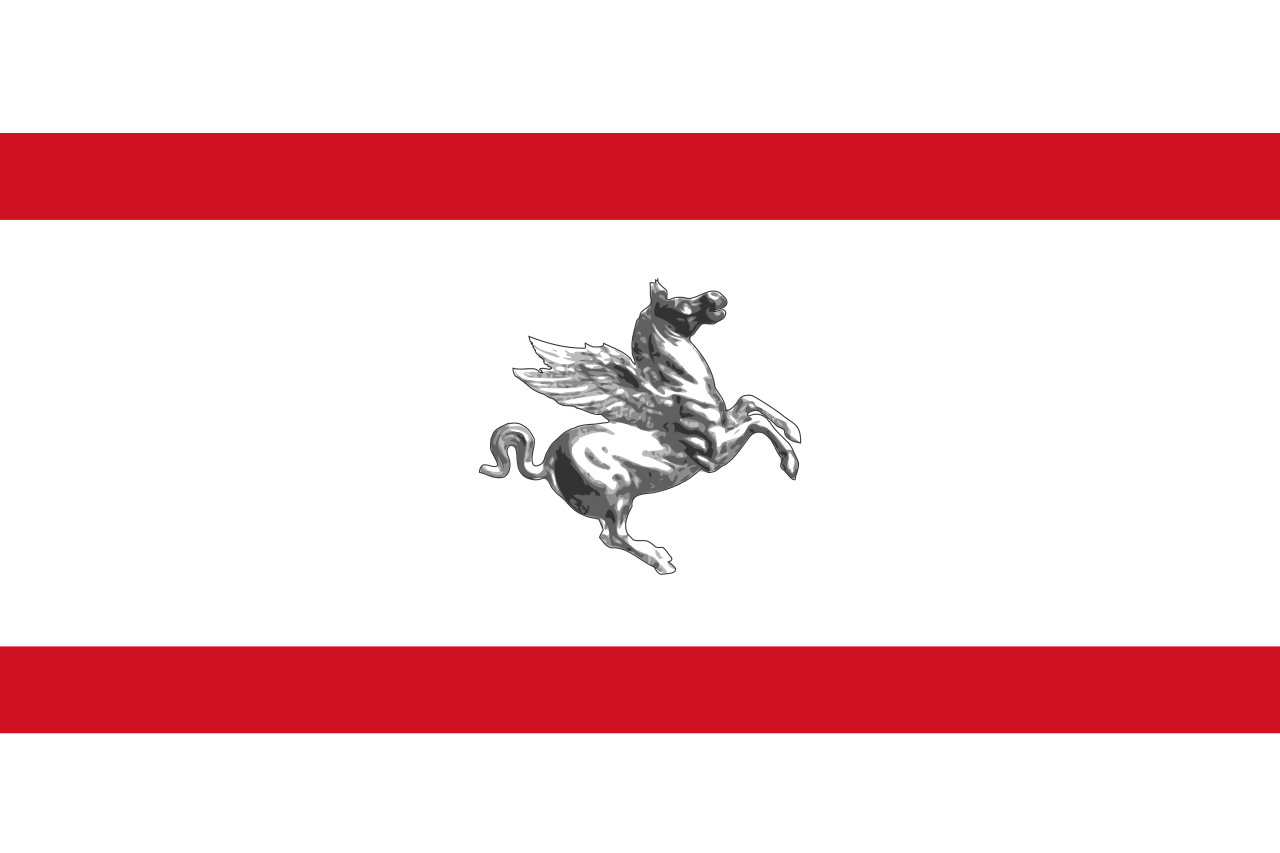 Toscana
Die Väter des Palastes
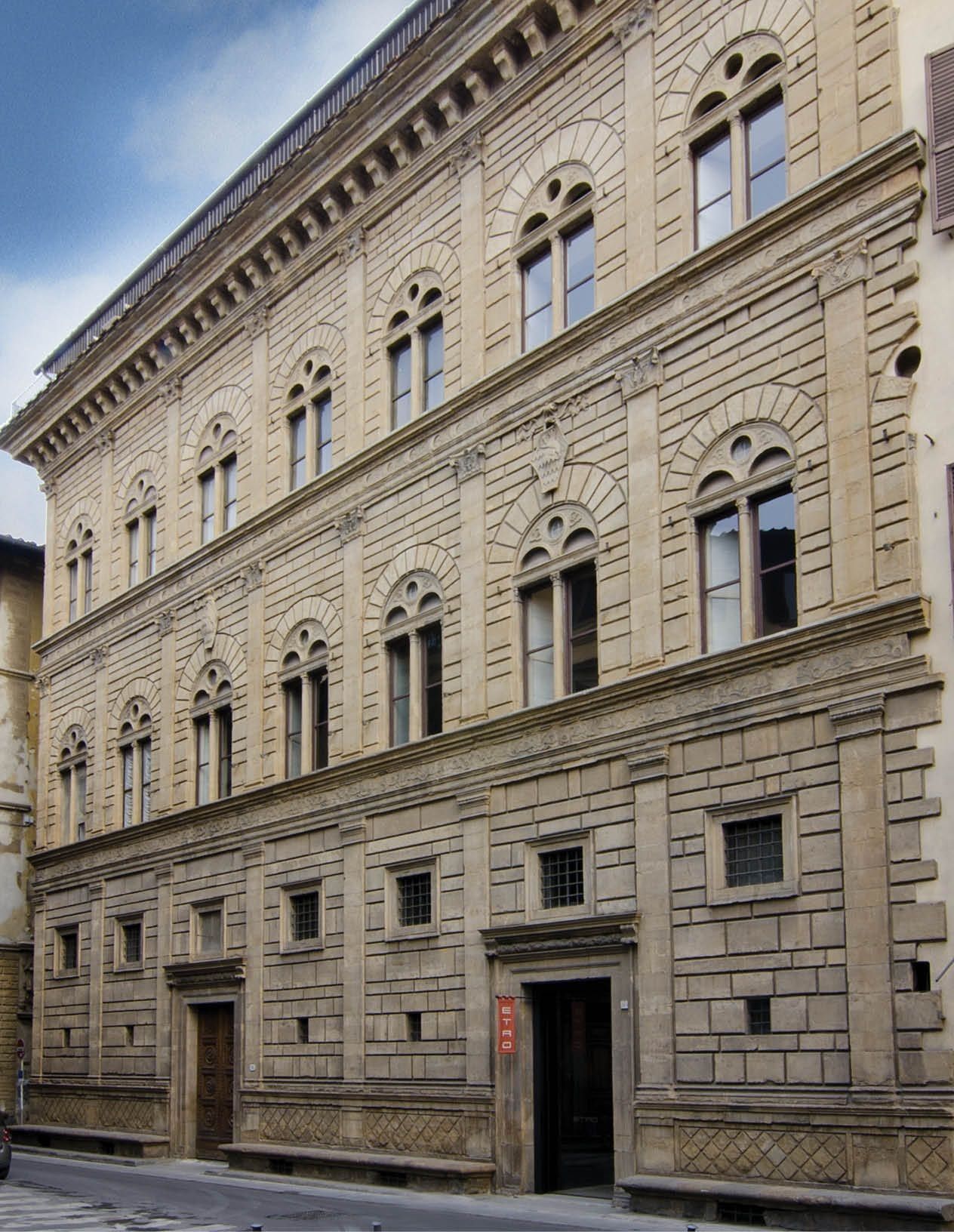
Der Palazzo liegt an der Via della Vigna Nuova und wurde im Auftrag von Giovanni di Paolo Rucellai, Mitglied einer wohlhabenden Händlerfamilie und Politiker unter den Medici, erbaut. Federführend war dabei Leon Battista Alberti, eine schillernde Persönlichkeit der Renaissance. Alberti hatte sich nicht nur als Architekt, sondern u.a. auch als Schriftsteller, Mathematiker sowie als Kunsttheoretiker einen Namen gemacht. Am Bau beteiligt war außerdem der Bildhauer und Baumeister Bernardo Rossellino alias Bernardo di Matteo Gamberelli. Er zeichnete insbesondere für den Innenhof verantwortlich.
Antike Architektur neu interpretiert
Für den Palazzo Rucellai vereinte Alberti acht kleinere Bauteile zu einem Palast mit zunächst fünf, später mit acht Achsen. Erstmalig in der neueren Architekturgeschichte wurde eine Fassadeneinteilung nach dem Vorbild antiker Bauwerke vorgenommen, mit den für diese charakteristischen übereinander gestellten Säulen. Die Fassade ist durch eine Anordnung dorischer, ionischer und korinthische Kapitelle gekennzeichnet. Auffällig sind die flachen Pilaster, die in den Mauerverbund eingearbeiteten Wandpfeiler der Fassade. Diese treten kaum aus der Wand heraus und muten dadurch fast wie bloß zweidimensionale Streifen an.
Die drei Stockwerke des Palastes folgen den unterschiedlichen Gestaltungsmustern der so genannten klassischen architektonischen Ordnungen. Im Erdgeschoss findet sich z.B. die toskanische Ordnung, auf der obersten Ebene die korinthische. Einen ähnlichen Aufbau findet man auch im Kollosseum in Rom.
Die Stockwerke des Palazzo Rucellai sind durch ein dreiteiliges Gebälk voneinander getrennt. Der Sockel unterhalb des Erdgeschosses ist zwischen den Pfeilern mit einem Rautenmuster verziert, das an römische Bauten erinnert. Den Abschluss des obersten Geschosses bildet ein Kranzgesims.
Der Palazzo Rucellai beherbergt heute das Fratelli Alinari Museum für Geschichte der Fotografie.
 Financial

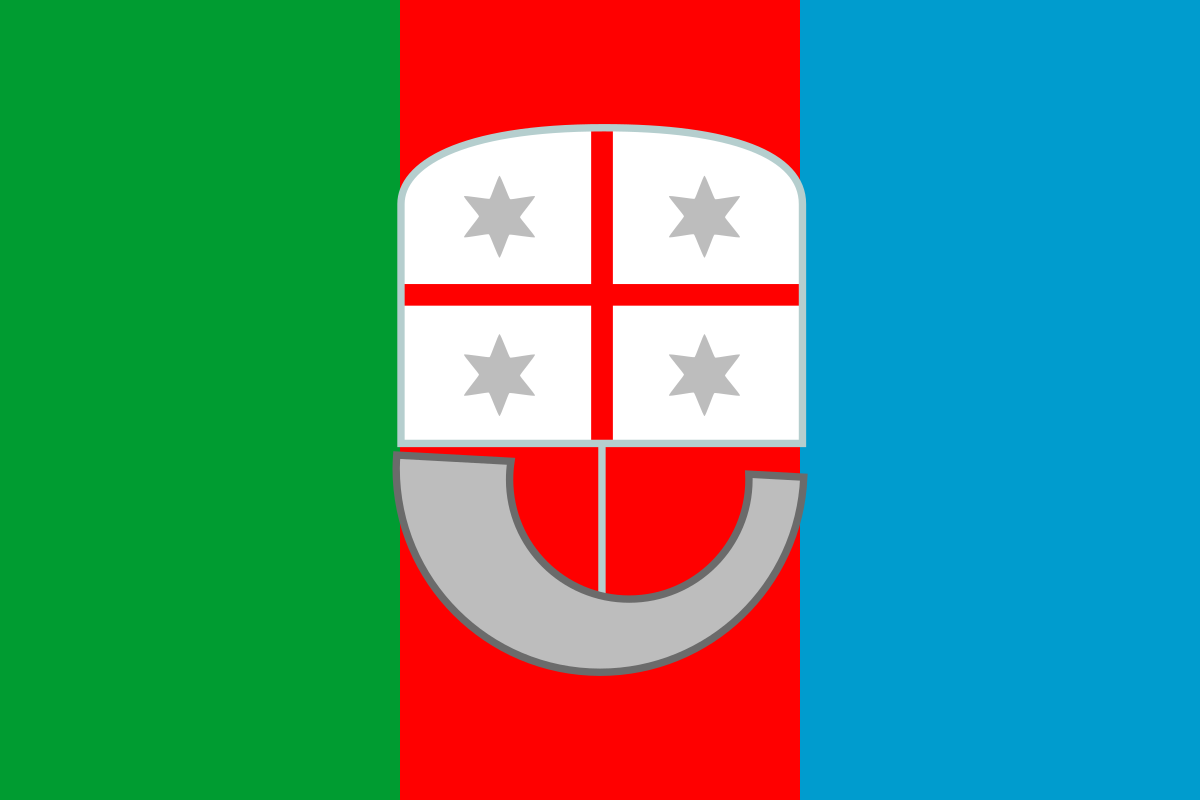 Liguria

Architecture
Renaissance architecture
 Emilia-Romagna
Italy
Emilia-Romagna
Italy
 Art
*Mural painting
Art
WD - Western art 15th century AD - 18th century AD
Art
*Mural painting
Art
WD - Western art 15th century AD - 18th century AD

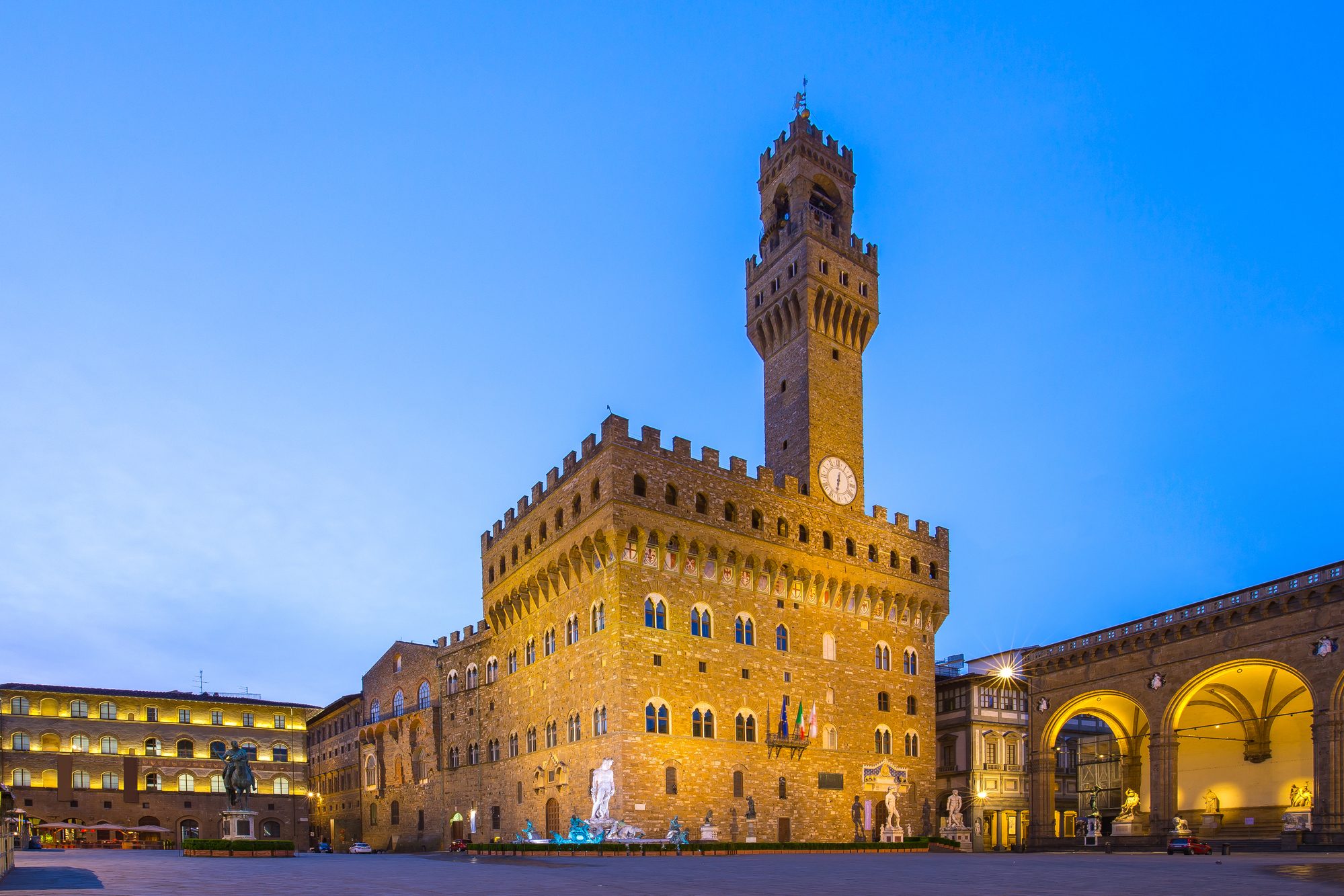
Der Palazzo Vecchio [paˈlatːso ˈvɛkːjo] („alter Palast“) stellte als Sitz des Stadtparlaments den Mittelpunkt der weltlichen Macht im Florenz des 14. Jahrhunderts dar. Er wurde 1314 fertiggestellt und hieß ursprünglich Palazzo della Signoria (die Signoria war die Regierung der Republik), bis die Verwaltung unter Herzog Cosimo I. aus dem Haus Medici in die Uffizien umzog. Infolge der Septemberkonvention diente der Palazzo Vecchio ab 1865 für einige Jahre als Sitz der Camera dei deputati des Königreichs Italien, nach der Verlegung der italienischen Staatsorgane nach Rom seit 1872 als Rathaus von Florenz.
 International cities
 Sicilia
 World Heritage
 Important port

巴勒莫(意大利语:Palermo),位于意大利西西里岛西北部,是西西里岛的首府,人口约130万,面积4992平方千米。
巴勒莫早于八千年前已有人聚居。公元前734年腓尼基人来到巴勒莫,在此建立港口。由于巴勒莫本身属天然良港,古希腊人曾为此开战,最终于公元前276年沦为希腊人殖民地。罗马帝国时期巴勒莫一度是古罗马帝国一部分。
在古代历史,巴勒莫的重要性都仅次于叙拉古或特拉帕尼等城市;中世纪后,拜占庭帝国派驻的总督常住于此已成定例;830年阿拉伯人入侵对巴勒莫展开围城战,长达一年的时间毫无援军援助,831年9月拜占庭的西西里总督与主教潜逃失败而丧生,巴拉摩在这种状况下陷落,这场战役人口从七万人减少至三千人,为了让城市重现生机阿拉伯人派驻地方长官统治。[1]1130年鲁杰罗二世于西西里岛创立西西里王国。王国把巴勒莫作为首都,众多建设也不断进行,包括兴建巴勒莫主教座堂。巴勒莫是于1861年意大利统一时落入意大利手中。工业也在随后开始发展,城市也向北扩张。
Palermo (sizilianisch Paliemmu) ist die Hauptstadt der Autonomen Region Sizilien und der Metropolitanstadt Palermo. Sie liegt an einer Bucht an der Nordküste Siziliens. Im 8. Jahrhundert v. Chr. gegründet, erlebte die Stadt vor allem unter der Vorherrschaft der Araber sowie der Normannen und der Staufer eine Blütezeit. Palermo war u. a. Residenzstadt von Friedrich II.
Heute ist Palermo mit 668.405 Einwohnern (Stand 31. Dezember 2017) Italiens fünftgrößte Stadt und das politische sowie kulturelle Zentrum Siziliens.
パレルモ(イタリア語: Palermo ( 音声ファイル))は、イタリアのシチリア島北西部に位置する都市であり、その周辺地域を含む人口約68万人の基礎自治体(コムーネ)。シチリア島最大の都市にしてシチリア州の州都であり、パレルモ県の県都でもある[4]。独自の国際色豊かな文化を生み出した中世シチリア王国の古都。
Palermo (Italian: [paˈlɛrmo] ( listen); Sicilian: Palermu; Latin: Panormus, from Greek: Πάνορμος, translit. Pánormos) is a city of Southern Italy, the capital of both the autonomous region of Sicily and the Metropolitan City of Palermo. The city is noted for its history, culture, architecture and gastronomy, playing an important role throughout much of its existence; it is over 2,700 years old. Palermo is located in the northwest of the island of Sicily, right by the Gulf of Palermo in the Tyrrhenian Sea.
The city was founded in 734 BC by the Phoenicians as Ziz. Palermo then became a possession of Carthage. Two Greek colonies were established, known collectively as Panormos or "All-Port"; the Carthaginians used this name on their coins after the 5th century BC. As Panormus, the town became part of the Roman Republic and Empire for over a thousand years. From 831 to 1072 the city was under Arab rule during the Emirate of Sicily when the city first became a capital. The Arabs shifted the Greek name into Bal'harm[1][2] (Arabic: بَلَرْم), the root for Palermo's present-day name. Following the Norman reconquest, Palermo became the capital of a new kingdom (from 1130 to 1816), the Kingdom of Sicily and the capital of the Holy Roman Empire under Emperor Frederick II and King Conrad IV.
The population of Palermo urban area is estimated by Eurostat to be 855,285, while its metropolitan area is the fifth most populated in Italy with around 1.2 million people. In the central area, the city has a population of around 676,000 people. The inhabitants are known as Palermitani or, poetically, panormiti. The languages spoken by its inhabitants are the Italian language and the Palermitano dialect of the Sicilian language.
Palermo is Sicily's cultural, economic and tourism capital. It is a city rich in history, culture, art, music and food. Numerous tourists are attracted to the city for its good Mediterranean weather, its renowned gastronomy and restaurants, its Romanesque, Gothic and Baroque churches, palaces and buildings, and its nightlife and music.[3] Palermo is the main Sicilian industrial and commercial center: the main industrial sectors include tourism, services, commerce and agriculture.[4] Palermo currently has an international airport, and a significant underground economy.[citation needed] In fact, for cultural, artistic and economic reasons, Palermo was one of the largest cities in the Mediterranean and is now among the top tourist destinations in both Italy and Europe. It is the main seat of the UNESCO World Heritage Site Arab-Norman Palermo and the Cathedral Churches of Cefalù and Monreale. The city is also going through careful redevelopment, preparing to become one of the major cities of the Euro-Mediterranean area.[5]
Roman Catholicism is highly important in Palermitano culture. The Patron Saint of Palermo is Santa Rosalia whose Feast Day is celebrated on 15 July. The area attracts significant numbers of tourists each year and is widely known for its colourful fruit, vegetable and fish markets at the heart of Palermo, known as Vucciria, Ballarò and Capo.[6]
Palerme [palɛʁm]2 (en italien : Palermo [paˈlɛrmo]3 Écouter, en sicilien :Palermu) est une ville italienne, chef-lieu et plus grande ville de la région Sicile avec environ 650 000 habitants, et formant avec ses banlieues une unité urbaine d'environ 1 million d'habitants. Elle se situe dans une baie sur la côte nord de l'île.
En 1962, la ville a été récompensée par le Prix de l'Europe.
Palermo (AFI: [paˈlɛrmo][5] ascolta[?·info]; Palermu [paˈlɛmmʊ] in siciliano, Paliemmu in dialetto palermitano[6]) è un comune italiano di 664 182 abitanti[3], capoluogo dell'omonima città metropolitana e della Regione siciliana.
È il quinto comune italiano per popolazione nonché il principale centro urbano dell'isola di Sicilia e dell'Italia insulare, secondo nel Mezzogiorno d'Italia e trentesimo a livello europeo.
La città vanta una storia plurimillenaria e ha avuto un ruolo importante per le vicende del Mediterraneo e dell'Europa. Fondata dai Fenici tra il VII e il VI secolo a.C.[7], viene conquistata nel 254 a.C. dai Romani ed è divenuta il principale centro dell'isola (Provincia Sicilia)[8]. Conquistata dai Vandali nel 429, passa nel 536 sotto Bisanzio e poi inesorabilmente conquistata dai Saraceni nell'831. Successivamente, con l'avvento dei Normanni e il ritorno alla cristianità, fu la città di incoronazione per i numerosi sovrani di Sicilia, proprio a questa circostanza si devono i titoli attribuiti alla città: «Prima Sedes, Corona Regis et Regni Caput». Da allora è rimasta, con alterne vicende, la capitale del Regno di Sicilia fino al 1816. Particolarmente importanti furono i Vespri siciliani, ribellione scoppiata a Palermo nel 1282.
Dal 1816 al 1817 fu capitale provvisoria del neonato Regno delle Due Sicilie e successivamente divenne la seconda città per importanza dello stesso regno duo-siciliano, fino al 1861, anno dell'unità d'Italia.
La lunga storia della città e il succedersi di numerose civiltà e popoli le hanno regalato un notevole patrimonio artistico e architettonico. Il sito seriale Palermo arabo-normanna e le cattedrali di Cefalù e Monreale, di cui fanno parte più beni monumentali situati in città, nel 2015 è stato dichiarato Patrimonio dell'umanità dall'Unesco.[9][10] Numerosi edifici, tra chiese e palazzi, sono riconosciuti monumenti nazionali italiani.
A Palermo ha sede l'Assemblea regionale siciliana, la più antica sede parlamentare in attività del mondo[11][12], nonché una rilevante sede universitaria. La sua arcidiocesi è sede metropolitana e sede del primate di Sicilia[13]. Nominata Capitale Italiana dei Giovani 2017, è altresì capitale italiana della cultura per il 2018.[14]
Palermo (AFI: [paˈlɛrmo], en siciliano: Palemmu [paˈlɛmmʊ], en el dialecto local: Paliemmu [paˈljæmmʊ]) es una ciudad capital de la región autónoma de Sicilia y de la Ciudad metropolitana de Palermo. En ella habitan 860 000 personas (2016) y en su aglomeración urbana cuenta con cerca de 980 000, cifra que aumenta hasta 1 500 135 habitantes en toda su área metropolitana (la quinta más poblada de Italia).
Su historia milenaria le ha dotado de un considerable patrimonio artístico y arquitectónico que abarca desde restos púnicos hasta casas de estilo Art Nouveau, pasando por residencias de estilo árabe y normando, iglesias barrocas y teatros neoclásicos. Para actividades culturales, artísticas y económicas fue una de las ciudades más grandes del Mediterráneo y hoy es un apreciado destino estival para el turista que visita tierras italianas.2
En julio de 2015, el conjunto «Palermo árabe-normando y las catedrales de Cefalú y Monreale» fue incluido en la lista del patrimonio de la Humanidad por la Unesco.3
Пале́рмо (др.-греч. Πάνορμος, лат. Panormus, итал. Palermo [paˈlɛrmo] слушать, сиц. Palermu) — административный центр одноимённой провинции, расположенной в Италии.
Покровителем города считается св. Розалия. Праздник города — 15 июля.
 Sport
Sport



 Military, defense and equipment
 Bavaria
Germany
Italy
Bavaria
Germany
Italy

 Aerospace
Militärflugzeuge
Panavia Tornado
Militärflugzeuge
Panavia Tornado ADV
Militärflugzeuge
Panavia Tornado ECR
Militärflugzeuge
Panavia Tornado GR.4
Militärflugzeuge
Panavia Tornado IDS
Militärflugzeuge
Panavia Tornado RECCE
Aerospace
Militärflugzeuge
Panavia Tornado
Militärflugzeuge
Panavia Tornado ADV
Militärflugzeuge
Panavia Tornado ECR
Militärflugzeuge
Panavia Tornado GR.4
Militärflugzeuge
Panavia Tornado IDS
Militärflugzeuge
Panavia Tornado RECCE
 Companies
United Kingdom
Companies
United Kingdom

 Life and Style
 Lombardia
 Lazio
Lazio

万神庙(Pantheon)是前27年的罗马共和国时期,屋大维的副手阿格里帕为了纪念打败安东尼和“埃及艳后”克利奥帕特拉而建造的。这座庙宇在80年被大火焚毁,直到公元125年由哈德良皇帝下令重建。609年拜占庭皇帝将万神庙献给罗马教宗卜尼法斯四世,后者将它更名为“圣母与诸殉道者教堂”(Santa Maria ad Martyres),这也是今天万神庙的正式名称。万神庙至今还是一个教堂,这里会定期举行弥撒以及婚礼庆典,同时也是世界各国观光客们竞相参观的地方。
Das Pantheon (altgriechisch Πάνθειον (ἱερόν) oder auch Πάνθεον, von πᾶν pān „all“, „gesamt“, und θεός theós „Gott“) ist ein zur Kirche umgeweihtes antikes Bauwerk in Rom. Als römisch-katholische Kirche lautet der offizielle italienische Name Santa Maria ad Martyres (lateinisch Sancta Maria ad Martyres). Nach einer seit dem Mittelalter gebräuchlichen Namensform Sancta Maria Rotunda wird das Bauwerk in Rom umgangssprachlich auch als La Rotonda bezeichnet. Das möglicherweise bereits unter Kaiser Trajan um 114 n. Chr. begonnene und unter Kaiser Hadrian zwischen 125 n. Chr. und 128 n. Chr. fertiggestellte Pantheon hatte mehr als 1700 Jahre lang, bezogen auf den Innendurchmesser, die größte Kuppel der Welt. Es gilt als eines der am besten erhaltenen Bauwerke der römischen Antike. Das Pantheon besteht aus zwei Hauptelementen: einem Pronaos mit rechteckigem Grundriss und Tempelfassade im Norden sowie einem kreisrunden, überkuppelten Zentralbau im Süden. Ein Übergangsbereich vermittelt zwischen beiden Gebäudeteilen, die sich ergebenden Zwickel der Schnittstellen wurden für Treppenhäuser genutzt. Erbaut auf dem Marsfeld, war das Pantheon vermutlich ein allen Göttern Roms geweihtes Heiligtum. Der Historiker Cassius Dio berichtet, dass dort Statuen des Mars und der Venus sowie weiterer Götter und eine Statue des als Divus Iulius unter die Götter aufgenommenen Gaius Iulius Caesar aufgestellt waren. Welche Götter insgesamt hier verehrt werden sollten, ist jedoch umstritten, zumal nicht restlos geklärt ist, ob das Pantheon seiner Urbestimmung nach ein Tempel oder ein imperialer Repräsentationsbau war, der trotz seiner der Sakralarchitektur entlehnten Elemente säkularen Zwecken diente.[1] Am 13. Mai vermutlich des Jahres 609 wurde das Pantheon in eine christliche Kirche umgewandelt, nachdem es Kaiser Phokas dem Papst Bonifatius IV. geschenkt hatte, und der heiligen Maria sowie allen christlichen Märtyrern geweiht. In ihr werden vor allem an hohen Feiertagen Messen gefeiert. Die Kirche wurde am 23. Juli 1725 von Papst Benedikt XIII. zur Titeldiakonie erhoben. Papst Pius XI. übertrug diese am 26. Mai 1929 an die 400 Meter entfernte Kirche Sant’Apollinare. Santa Maria ad Martyres trägt den Titel einer Basilica minor und ist der Pfarrgemeinde Santa Maria in Aquiro angeschlossen.[2] Das Gebäude gehört dem italienischen Staat und wird vom Kulturministerium unterhalten.[3] Der Einfluss des Pantheon auf die Architekturgeschichte vor allem der Neuzeit ist enorm. Der Begriff Pantheon wird heute auch allgemein auf ein Gebäude angewendet, in dem bedeutende Persönlichkeiten bestattet sind, was von der späteren Nutzung des römischen Pantheon herrührt. 万神庙(Pantheon)是前27年的罗马共和国时期,屋大维的副手阿格里帕为了纪念打败安东尼和“埃及艳后”克利奥帕特拉而建造的。这座庙宇在80年被大火焚毁,直到公元125年由哈德良皇帝下令重建。609年拜占庭皇帝将万神庙献给罗马教宗卜尼法斯四世,后者将它更名为“圣母与诸殉道者教堂”(Santa Maria ad Martyres),这也是今天万神庙的正式名称。万神庙至今还是一个教堂,这里会定期举行弥撒以及婚礼庆典,同时也是世界各国观光客们竞相参观的地方。 万神庙(意大利语:Pantheon,拉丁语:Pantheum),又译万神殿、潘提翁神殿,位于意大利罗马,是一座古罗马时期的宗教建筑,后改建成一座教堂。公元609年,东罗马帝国皇帝将万神庙献给教宗波尼法爵四世,后者将它更名为圣母与诸殉道者教堂(Santa Maria ad Martyres),这也是今天万神庙的正式名称。由于其完美的古典几何比例,万神庙被米开朗基罗誉为“天使的设计”。 奥古斯都统治时期(公元前27年-公元14年),马库斯·阿格里帕受委托修建了一座早期神庙。公元126年,由哈德良皇帝重建。它的建造日期不确定,因为哈德良选择不建造新的神庙,而是保留阿格里帕建造的旧神庙的雕刻,旧神庙已被烧毁。[1] 这座建筑总体呈圆柱形,在山墙下有一条由大型花岗岩科林斯柱组成的门廊(一级有8根,后面有两组四根)。一个长方形的前厅将门廊与圆形的大厅连接起来,圆形大厅位于一个带围堰的混凝土穹顶下,中央有一个寓意通向天堂的圆形开孔。万神殿的穹顶在建成近两千年后仍然是世界上最大的无钢筋混凝土穹顶。[2]半球体的高度和内圆的直径相同,有43米(142英尺)。[3] 万神庙是古罗马建筑中保存最完好的建筑之一,在很大程度上是因为它被持续使用。自7世纪以来,万神殿一直被用作一座教堂,专门供奉“圣玛丽和烈士” (拉丁语:Sancta Maria ad Martyres,但非正式地称为“Santa Maria Rotonda”)[4]。万神殿前的广场被称为罗通达广场。万神殿是国家财产,由意大利文化遗产及旅游部通过拉齐奥马球博物馆管理。2013年,参观万神庙的人数超过600万。 万神殿巨大的圆形穹顶单元,带有传统的神庙门廊,在古罗马建筑中是独一无二的。而且,在古典复兴时期,它成为了一个标准样板,并被后来的建筑师多次借鉴。
 Religion
 Review

教皇的象征性军队是瑞士卫队,其漂亮的服装是米开朗基罗设计的。按照古老的传统,这支卫队由瑞士青年组成,他们是经过严格挑选后被招募来的。他们配备 有短剑和戟,即一种长矛,但他们也配备有相当现代化的武器。他们对教皇的忠诚是绝对的。1527年,罗马失陷,教皇逃到圣天使古堡,为保卫教皇,瑞士卫队 全体战死。(Quelle: www.worlddiy.net)
宗座瑞士近卫队(拉丁语:Pontificia Cohors Helvetica;德语:Päpstliche Schweizergarde;意大利语:Guardia Svizzera Pontificia;英语:Pontifical Swiss Guard),于1506年由教宗儒略二世建立。瑞士近卫队是现存最古老的军事组织之一。
瑞士近卫队的制服包含蓝色、红色、橙色和黄色,具有明显的文艺复兴时期外观。现代瑞士近卫队的性质,就如同教宗的保镖一样。瑞士近卫队配备的武器包含了传统的斧枪以及多项现代武器。
Die Päpstliche Schweizergarde (italienisch Guardia Svizzera Pontificia (GSP), lateinisch Pontificia Cohors Helvetica, auch Cohors Pedestris Helvetiorum a Sacra Custodia Pontificis) ist das einzige verbliebene päpstliche Militärkorps in Waffen. Sie sichert den Apostolischen Palast, die Zugänge zur Vatikanstadt sowie die Zugänge zur Sommerresidenz des Papstes im Städtchen Castel Gandolfo, und ist für die persönliche Sicherheit des Papstes verantwortlich. Die offiziellen Sprachen (Kommandosprachen) der Garde sind Deutsch und Italienisch. Die Gardisten vertreten öfter alle vier schweizerischen Landessprachen. Das Korps wurde im Jahre 1506 durch Papst Julius II. gegründet.
The Pontifical Swiss Guard (also Papal Swiss Guard, or just Swiss Guard; Latin: Pontificia Cohors Helvetica or Cohors Pedestris Helvetiorum a Sacra Custodia Pontificis; Italian: Guardia Svizzera Pontificia; German: Päpstliche Schweizergarde; French: Garde suisse pontificale) is a small force maintained by the Holy See that is responsible for the safety of the Pope, including the security of the Apostolic Palace. The Swiss Guard serves as the de facto military of Vatican City. Established in 1506 under Pope Julius II, the Pontifical Swiss Guard is among the oldest military units in continuous operation.[2]
The dress uniform is of blue, red, orange and yellow with a distinctly Renaissance appearance. The modern guard has the role of bodyguard of the Pope. The Swiss Guard is equipped with traditional weapons, such as the halberd, as well as with modern firearms. Since the assassination attempt on Pope John Paul II in 1981, a much stronger emphasis has been placed on the guard's non-ceremonial roles, and has seen enhanced training in unarmed combat and small arms.
Recruits to the guards must be unmarried Swiss Catholic males between 19 and 30 years of age who have completed basic training with the Swiss Armed Forces.[3]
La Garde suisse pontificale (en latin : Cohors Helvetica Pontificia) est une force militaire chargée de veiller à la sécurité du pape et du Vatican. Elle est la dernière Garde suisse encore existante (des détachements de mercenaires suisses servaient de garde rapprochée et protocolaire dans différentes cours européennes à partir du XVe siècle). Créée le 22 janvier 1506 sur l'ordre du pape Jules II, elle est la 2ème plus petite armée du monde avec 135 militaires contre 120 à la Compagnie des Carabiniers du Prince de Monaco.
La Guardia svizzera pontificia (detta anche semplicemente Guardia svizzera; in latino: Pontificia Cohors Helvetica o Cohors Pedestris Helvetiorum a Sacra Custodia Pontificis; in tedesco: Päpstliche Schweizergarde; in francese: Garde suisse pontificale) è un corpo armato fedelmente al servizio del papato dal 22 gennaio 1506. Si tratta dell'unico corpo di guardie svizzere ancora operativo.
La tipica uniforme colorata di foggia rinascimentale per le cerimonie solenni si accompagna ad abiti più sobri a livello operativo. La moderna guardia ha il ruolo di difesa personale del pontefice. La guardia svizzera pontificia è equipaggiata formalmente con armi tradizionali come alabarde, ma possiede in dotazione per tutte le guardie anche moderne armi da fuoco di piccola taglia.
Dal tentativo di assassinio di Giovanni Paolo II nel 1981, la guardia svizzera è stata orientata dal tradizionale ruolo meramente cerimoniale ad un ruolo più attivo nella difesa della persona del papa.
Le reclute di questo corpo devono essere necessariamente cittadini svizzeri dalla nascita, cattolici, maschi tra i 19 ed i 30 anni e devono aver fatto un periodo di formazione presso l'esercito svizzero.[1]
La Guardia Suiza (en latín: Custodes Helvetici; en italiano: Guardia Svizzera) es un cuerpo militar encargado de la seguridad del papa y de la Santa Sede. Otro cuerpo de guardias de origen suizo se encargó también de la seguridad del palacio de Versalles (Francia) durante el reinado de Luis XVI. El jefe ceremonial de la Guardia Suiza es el papa, soberano de la Ciudad del Vaticano. En la actualidad, se trata del ejército profesional más pequeño del mundo, con alrededor de 100 soldados.
Швейца́рская гва́рдия (полное название — лат. Cohors pedestris Helvetiorum a sacra custodia Pontificis «Пехотная когорта швейцарцев священной охраны Римского папы») — единственный в настоящее время вид вооружённых сил Ватикана. Её по праву можно считать старейшей армией мира, сохранившейся до наших дней. Основанная ещё в 1506 году, она на данный момент включает в себя около 100 гвардейцев, которые готовятся в швейцарских вооружённых силах и служат в Ватикане.