Deutsch-Chinesische Enzyklopädie, 德汉百科
 Canada
 United Nations
Argentina
Australia
Belgium
Brazil
China
Denmark
Germany
United Nations
Argentina
Australia
Belgium
Brazil
China
Denmark
Germany
 Financial
 International Bank for Cooperation
Financial
***Key regulatory authorities
France
India
Indonesia
Internationaler Währungsfonds
Camille Gutt
Internationaler Währungsfonds
Christine Lagarde
Internationaler Währungsfonds
Dominique Strauss-Kahn
Internationaler Währungsfonds
Horst Köhler
Internationaler Währungsfonds
Ivar Rooth
Internationaler Währungsfonds
Jacques de Larosière
Internationaler Währungsfonds
Johan Witteveen
Internationaler Währungsfonds
Michel Camdessus
Internationaler Währungsfonds
Per Jacobsson
Internationaler Währungsfonds
Pierre-Paul Schweitzer
Internationaler Währungsfonds
Rodrigo Rato
Internationaler Währungsfonds
Kristalina Georgiewa
Italy
Japan
Canada
Malaysia
Mexico
Netherlands
Nigeria
Norwegen
Austria
Poland
Republic of Korea
Russia
Saudi Arabia
Sweden
Switzerland
Spain
South Africa
Venezuela
United States
United Kingdom
International Bank for Cooperation
Financial
***Key regulatory authorities
France
India
Indonesia
Internationaler Währungsfonds
Camille Gutt
Internationaler Währungsfonds
Christine Lagarde
Internationaler Währungsfonds
Dominique Strauss-Kahn
Internationaler Währungsfonds
Horst Köhler
Internationaler Währungsfonds
Ivar Rooth
Internationaler Währungsfonds
Jacques de Larosière
Internationaler Währungsfonds
Johan Witteveen
Internationaler Währungsfonds
Michel Camdessus
Internationaler Währungsfonds
Per Jacobsson
Internationaler Währungsfonds
Pierre-Paul Schweitzer
Internationaler Währungsfonds
Rodrigo Rato
Internationaler Währungsfonds
Kristalina Georgiewa
Italy
Japan
Canada
Malaysia
Mexico
Netherlands
Nigeria
Norwegen
Austria
Poland
Republic of Korea
Russia
Saudi Arabia
Sweden
Switzerland
Spain
South Africa
Venezuela
United States
United Kingdom
 Washington, D.C.
 Important International Organizations
 Economy and trade
Economic and political research
Economy and trade
Economic and political research

国际货币基金组织(法语:Fonds Monétaire International,缩写:FMI;英语:International Monetary Fund,缩写:IMF)于1945年12月27日成立,与世界银行同为世界两大金融机构,由189个国家组成,致力于促进全球货币合作,确保金融稳定,促进国际贸易。职责是监察货币汇率和各国贸易情况、提供技术和资金协助[3][4][5],确保全球金融制度运作正常;其总部设置于美国华盛顿特区。
Der Internationale Währungsfonds (IWF; englisch International Monetary Fund, IMF; auch bekannt als Weltwährungsfonds) ist eine rechtlich, organisatorisch und finanziell selbständige Sonderorganisation der Vereinten Nationen mit Sitz in Washington, D.C., USA.
Hauptaufgabe des IWF ist die Vergabe von Krediten an Länder ohne ausreichende Währungsreserven, die in Zahlungsbilanzschwierigkeiten geraten sind. Weitere Tätigkeitsfelder sind die Förderung der internationalen Zusammenarbeit in der Währungspolitik, Ausweitung des Welthandels, Stabilisierung von Wechselkursen, Überwachung der Geldpolitik und technische Hilfe.
Der IWF und seine Schwesterorganisation Weltbank haben ihren Ursprung im 1944 geschaffenen Bretton-Woods-System fester Wechselkurse, das auf der damals mit Gold gedeckten Leitwährung US-Dollar beruhte. Sie waren als internationale Steuerungsinstrumente geplant, mit denen eine Wiederholung der Währungsturbulenzen der Zwischenkriegszeit und der Fehler des Goldstandards aus den 1920er Jahren verhindert werden sollte. Beide Organisationen werden daher als Bretton-Woods-Institution bezeichnet. Die Kreditvergabe des IWF ist an wirtschaftspolitische Auflagen geknüpft, die die Rückzahlung der Kredite sichern sollen. Anders als der IWF vergibt die Weltbank auch Kredite für spezielle Projekte.
Der IWF hat zurzeit (Stand April 2020) 189 Mitgliedstaaten, deren Stimmrecht sich an ihrem Kapitalanteil orientiert. Die Mitgliedstaaten mit den größten Stimmanteilen sind: USA 16,51 %, Japan 6,15 %, China 6,08 %, Deutschland 5,32 %, Frankreich 4,03 %, Vereinigtes Königreich 4,03 % und Italien 3,02 %. Von den deutschsprachigen Ländern haben außerdem Luxemburg 0,29 %, Österreich 0,81 % und die Schweiz 1,18 % Stimmenanteile.[4]
Beschlüsse müssen im IWF mit einer Mehrheit von 85 % getroffen werden. Dadurch verfügen jeweils die USA allein und die EU-Staaten gemeinsam de facto über eine Sperrminorität.[5]
国際通貨基金(こくさいつうかききん、英語: International Monetary Fund, IMF)は、国際金融、並びに、為替相場の安定化を目的として設立された国際連合(国連)の専門機関である。本部は、アメリカ合衆国の首都ワシントンD.C.にある。2018年現在、加盟国は189か国である[2]。
加盟国の経常収支が著しく悪化した場合などに融資などを実施することで、国際貿易の促進、加盟国の高水準の雇用と国民所得の増大、為替の安定、などに寄与する事を目的としている。 また、為替相場の安定のために、経常収支が悪化した国への融資や、為替相場と各国の為替政策の監視などを行っている。各国の中央銀行の取りまとめ役のような役割を負う。世界銀行と共に、国際金融秩序の根幹を成す。
The International Monetary Fund (IMF) is an international organization headquartered in Washington, D.C., consisting of 189 countries working to foster global monetary cooperation, secure financial stability, facilitate international trade, promote high employment and sustainable economic growth, and reduce poverty around the world while periodically depending on the World Bank for its resources.[1] Formed in 1944 at the Bretton Woods Conference primarily by the ideas of Harry Dexter White and John Maynard Keynes,[6] it came into formal existence in 1945 with 29 member countries and the goal of reconstructing the international payment system. It now plays a central role in the management of balance of payments difficulties and international financial crises.[7] Countries contribute funds to a pool through a quota system from which countries experiencing balance of payments problems can borrow money. As of 2016, the fund had XDR 477 billion (about US$ 667 billion).[8]
Through the fund and other activities such as the gathering of statistics and analysis, surveillance of its members' economies, and the demand for particular policies,[9] the IMF works to improve the economies of its member countries.[10] The organization's objectives stated in the Articles of Agreement are:[11] to promote international monetary co-operation, international trade, high employment, exchange-rate stability, sustainable economic growth, and making resources available to member countries in financial difficulty.[12] IMF funds come from two major sources: quotas and loans. Quotas, which are pooled funds of member nations, generate most IMF funds. The size of a member's quota depends on its economic and financial importance in the world. Nations with larger economic importance have larger quotas. The quotas are increased periodically as a means of boosting the IMF's resources in the form of special drawing rights.[13]
The current Managing Director (MD) and Chairwoman of the IMF is Bulgarian Economist Kristalina Georgieva, who has held the post since October 1, 2019.[14]
Gita Gopinath was appointed as Chief Economist of IMF from 1 October 2018. She received her PhD in economics from Princeton University. Prior to her IMF appointment she was economic adviser to the Chief Minister of Kerala, India.[15]
Le Fonds monétaire international (FMI) est une institution internationale regroupant 189 pays, dont le but est de promouvoir la coopération monétaire internationale, garantir la stabilité financière, faciliter les échanges internationaux, contribuer à un niveau élevé d’emploi, à la stabilité économique et faire reculer la pauvreté2.
Le FMI a ainsi pour fonction d'assurer la stabilité du système monétaire international (SMI) et la gestion des crises monétaires et financières. Pour cela, il fournit des crédits aux pays qui connaissent des difficultés financières mettant en péril l'organisation gouvernementale du pays, la stabilité de son système financier (banques, marchés financiers) ou les flux d'échanges de commerce international avec les autres pays.
Lors d'une crise financière, pour éviter qu’un pays ne fasse « défaut » (c’est-à-dire que ce pays ne puisse plus rembourser ses créanciers, voire ne plus payer ses dépenses courantes), le FMI lui prête de l’argent le temps que la confiance des agents économiques revienne. Le FMI conditionne l’obtention de prêts à la mise en place de certaines réformes économiques visant en principe à réguler la gestion des finances publiques (ingérence financière) et à établir une croissance économique équilibrée à long terme.
L'institution a été créée le 27 décembre 1945 et devait à l'origine garantir la stabilité du système monétaire international, dont l'écroulement après le krach de 1929 avait eu des effets catastrophiques sur l'économie mondiale. Après 1976 et la disparition d’un système de change fixe, le FMI perd l'essentiel de sa raison d'être et hérite d'un nouveau rôle face aux problèmes d'endettement des pays en développement et à certaines crises financières.
Il Fondo Monetario Internazionale (in sigla FMI; in inglese International Monetary Fund, IMF) è un'organizzazione internazionale pubblica[1] a carattere universale composta dai governi nazionali di 189 Paesi e insieme al gruppo della Banca Mondiale fa parte delle organizzazioni internazionali dette di Bretton Woods, dal nome della località in cui si tenne la famosa conferenza che ne sancì la creazione. L'FMI è stato formalmente istituito il 27 dicembre 1945, quando i primi 44 stati firmarono l'accordo istitutivo e l'organizzazione nacque nel maggio del 1946. Attualmente gli Stati membri sono 189.
El Fondo Monetario Internacional o FMI (en inglés: International Monetary Fund, IMF) es una organización financiera internacional con sede en Washington D. C., Estados Unidos. Nace como idea el 22 de julio de 1944 en los acuerdos de Bretton Woods, una reunión de 730 delegados de 44 países aliados de la Segunda Guerra Mundial, entrando en vigor oficialmente el 27 de diciembre de 1945. Después de 1976 y de la desaparición del sistema de cambio fijo, el FMI toma un papel preponderante ante países en desarrollo y crisis financieras internacionales. En 2010, durante la 14ª revisión general de cuotas los fondos financieros disponibles del FMI se situaban en 755 700 millones de U.S.dólares.1
A través del fondo y otras actividades como la recolección de estadísticas y datos, monitoreo de las actividades económicas de los países miembros, y la demanda de políticas concretas,2 el FMI trabaja para mejorar la economía de sus países miembros.3 Los objetivos proclamados por la organización son:4 promover la cooperación monetaria internacional, comercio internacional, reducir la desocupación, conseguir tasas de cambio sustentables, lograr crecimiento económico, y otorgar razonablemente recursos a países miembros en dificultades económicas.5 El FMI se financia con dos grandes herramientas: cuotas y préstamo. Las cuotas son aportes realizados por los países miembros al fondo común de la organización. Las mayores economías hacen aportes proporcionales mayores que las economías más pequeñas. Además, las obligaciones de cuotas aumentan periódicamente como forma de aumentar los recursos de los que puede disponer el FMI en forma de derechos especiales de giro.6
Esta organización ha sido fuertemente criticada en las últimas décadas. Las principales críticas se centran en el papel dominante que tienen los países desarrollados dentro del organismo, lo que causa que el FMI oriente sus políticas globales al fomento de un capitalismo que suele denominarse neoliberal,7 a causa de haber impuesto a los países en vías de desarrollo —y más recientemente a algunos países europeos— sus programas económicos basados en el Consenso de Washington que consisten en la reducción del déficit y del gasto público y consecuentemente de servicios y prestaciones sociales, con fundamento en las políticas y teorías monetaristas y en el principio de libre mercado,8 que deben llevarse a cabo como condiciones de los préstamos realizados y que según sus críticos ha provocado un aumento de la brecha entre ricos y pobres y un empeoramiento de los servicios públicos, como la sanidad.9 También está acusada por haber apoyado y financiado a las dictaduras militares en Latinoamérica y Africa,10 y se le han criticado puntualmente sus políticas sobre medio ambiente11 y alimentación.12
Международный валютный фонд, (МВФ) (англ. International Monetary Fund, IMF) — специализированное учреждение (валютный фонд) Организации объединённых наций (ООН) с главным офисом в городе Вашингтон, США.
189 стран являются членами МВФ, в его структурах работают 2500 человек из 133 государств мира. МВФ предоставляет кратко- и среднесрочные кредиты при дефиците платёжного баланса государства. Предоставление кредитов обычно сопровождается набором определённых условий и рекомендаций. Политика и рекомендации МВФ в отношении развивающихся стран неоднократно подвергались критике, суть которой состоит в том, что выполнение рекомендаций и условий, в итоге, направлено не на повышение самостоятельности, стабильности и развитие национальной экономики государства, а лишь на привязывание её к международным финансовым потокам.
В отличие от Всемирного банка, деятельность МВФ сосредоточена на относительно кратковременных макроэкономических кризисах. Всемирный банк предоставляет кредиты только бедным странам, МВФ может давать кредиты любой из своих стран-членов, которая испытывает нехватку иностранной валюты для покрытия краткосрочных финансовых обязательств.
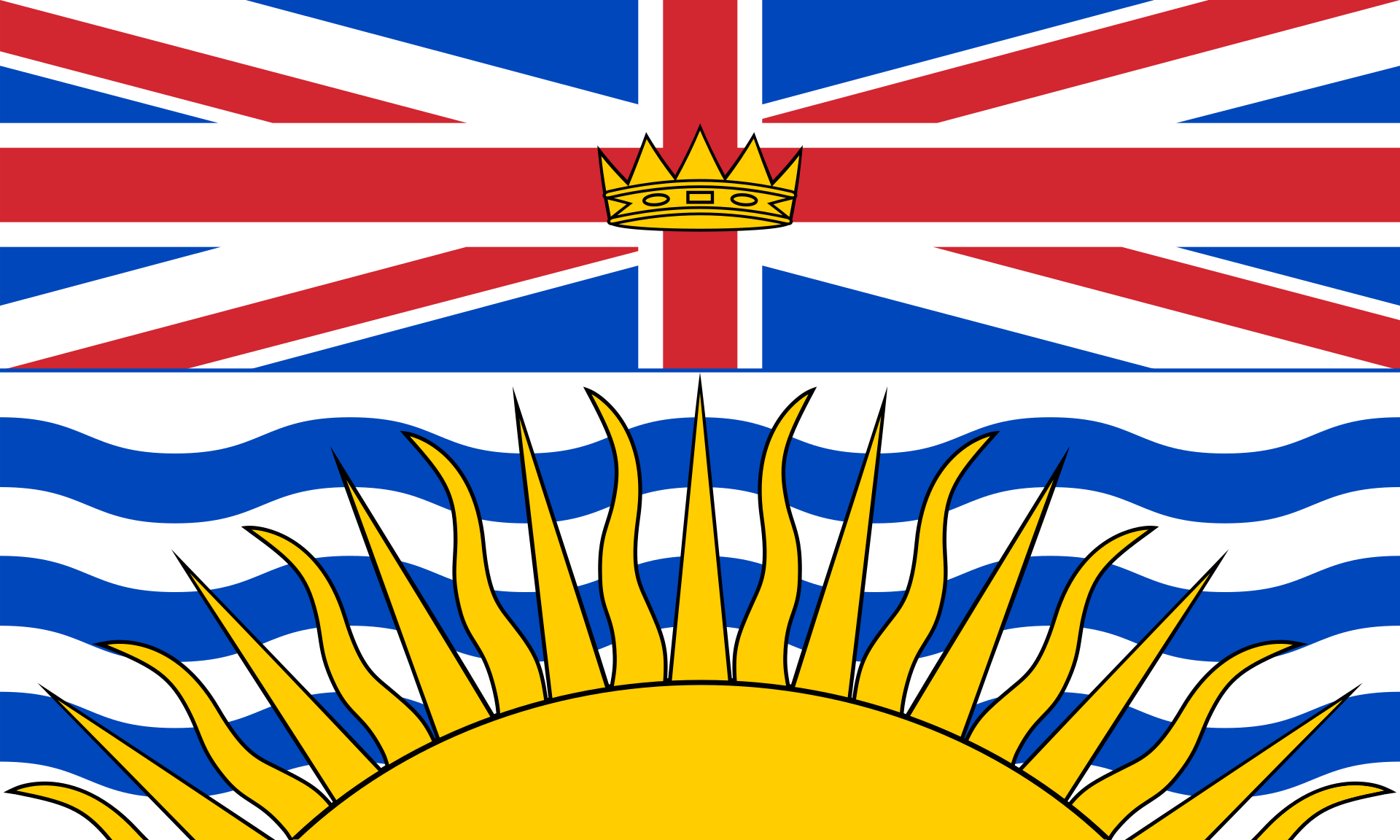 British Columbia-BC
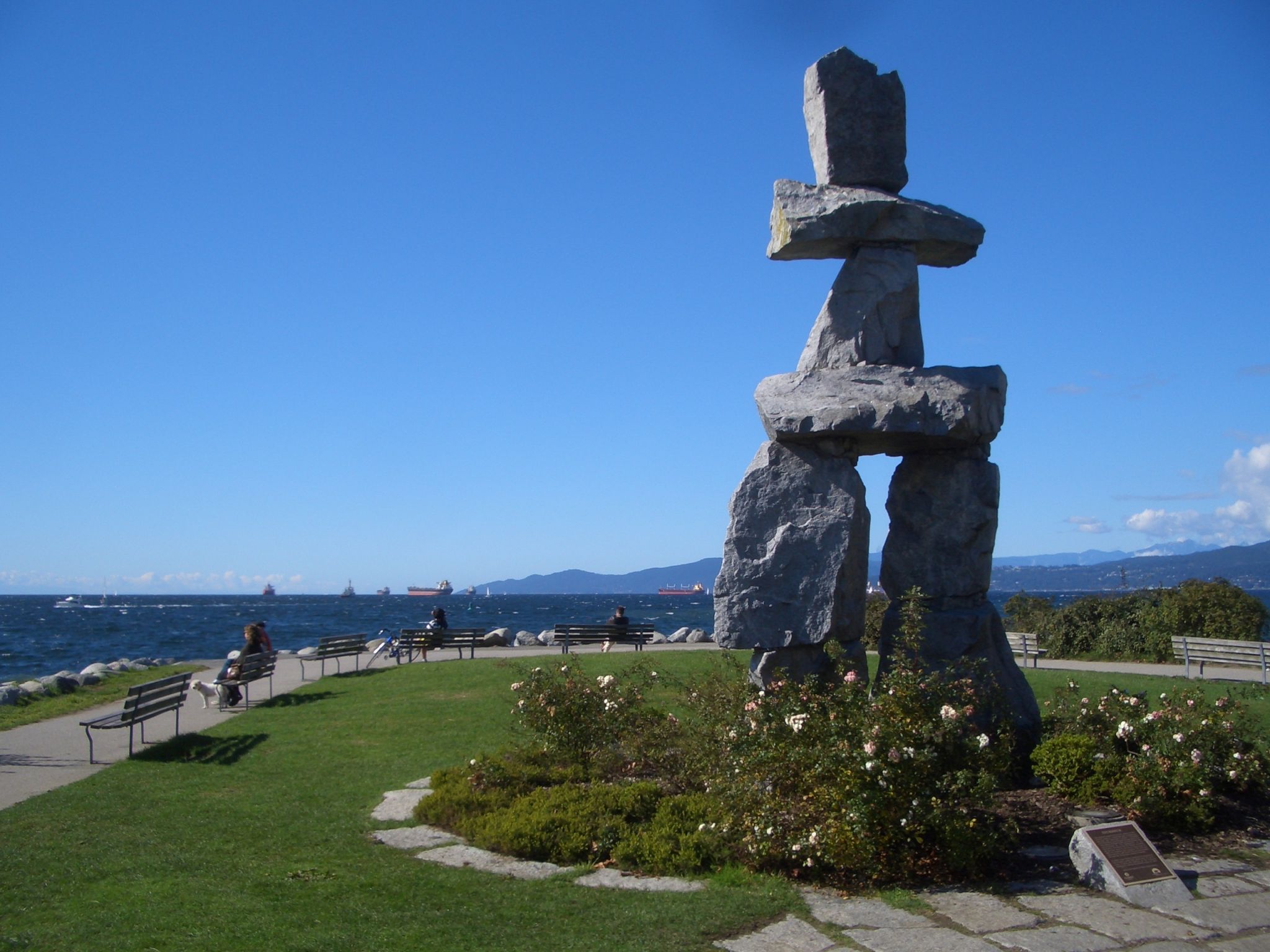
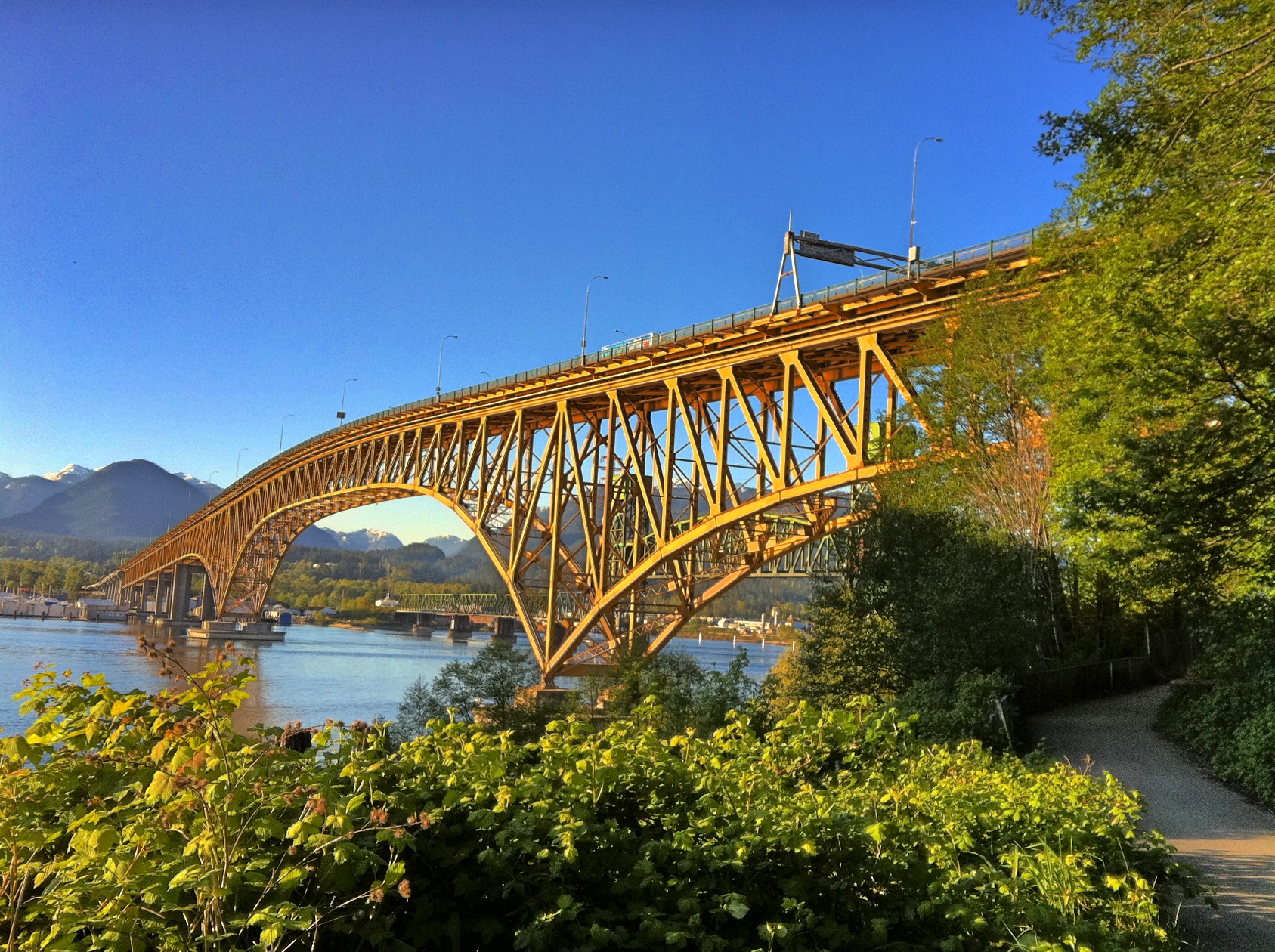
 Architecture
 *U.S. foreign territories
Australia
China
Germany
France
ITU World Championship Series
Japan
Canada
Kasachstan
Mexico
New Zealand
Netherlands
Austria
Portugal
Republic of Korea
Sweden
Switzerland
Spain
South Africa
Hungary
United Arab Emirates
United States
United Kingdom
United Kingdom
Bermuda
*U.S. foreign territories
Australia
China
Germany
France
ITU World Championship Series
Japan
Canada
Kasachstan
Mexico
New Zealand
Netherlands
Austria
Portugal
Republic of Korea
Sweden
Switzerland
Spain
South Africa
Hungary
United Arab Emirates
United States
United Kingdom
United Kingdom
Bermuda

 Animal world
 Alberta-AB

 Ships and Nautics
 Disaster relief
 Military, defense and equipment
 *Track and field athletics
4x100 m Men
Commonwealth of Nations
*Track and field athletics
4x100 m Men
Commonwealth of Nations
 Geography
***IMF Developed countries
IMF Developed countries
IMF Developed countries
TOP3
Canada
Leichtathletik-Weltmeisterschaften
1997 Athens
Leichtathletik-Weltmeisterschaften
1995 Gothenburg
Geography
Geography
***IMF Developed countries
IMF Developed countries
IMF Developed countries
TOP3
Canada
Leichtathletik-Weltmeisterschaften
1997 Athens
Leichtathletik-Weltmeisterschaften
1995 Gothenburg
 NATO members
 Party and government
Group of the twenty most important industrial and emerging countries
Party and government
Group of Seven,G7
Party and government
Group of the twenty most important industrial and emerging countries
Party and government
Group of Seven,G7

加拿大(英语、法语:Canada,IPA读音:/ˈkænədə/(英)/kanada/(法))为北美洲国家,西抵太平洋,东至大西洋,北滨北冰洋,东北方与丹麦领地格陵兰相望,东部与圣皮埃尔和密克隆相望,南方及西北方与美国接壤。加拿大的领土面积达998万4670平方千米,为全球面积第二大国家。加拿大素有“枫叶之国”的美誉,渥太华为该国首都。加拿大被《福布斯》列于2020年退休宜居国的名单中[8]。
加拿大在1400年前即有原住民在此生活。15世纪末,英国和法国殖民者开始探索北美洲的东岸,并在此建立殖民地。1763年,当七年战争结束后,法国被迫将其几乎所有的北美殖民地割让予英国。在随后的几十年中,英国殖民者向西探索至太平洋地区,并建立了数个新的殖民地。1867年7月1日,1867年宪法法案通过,加拿大省分裂为安大略和魁北克两省,与新不伦瑞克、新斯科舍三个英属北美殖民地组成加拿大联邦。在随后100多年里,其它几块英属北美殖民地陆续加入联邦,组成现代加拿大。1931年12月11日,英国通过威斯敏斯特法令,令加拿大成为独立国家,但国家元首依旧是当时的英国国王乔治五世,且英国国会依旧掌握有加拿大的修宪权。1933年和1949年,加拿大民事案件和刑事案件的终审权分别从英国枢密院司法委员会移交至加拿大最高法院。1982年4月17日,英国女王兼加拿大女王伊丽莎白二世签署命令,将加拿大宪法修宪权移交加拿大国会,至此加拿大与英国的特殊关系终结。
加拿大是实行联邦制、君主立宪制及议会制的国家,由十个省和三个地区组成,女王伊丽莎白二世为国家元首及加拿大君主,而加拿大总督为其及政府的代表。加拿大是双语国家,英语和法语为官方语言,原住民的语言被认定为第一语言。由于地处高纬度及地广人稀,该国一直奉行积极吸纳外来移民的政策,以至人口亦以移民为主,有近五分之一的国民于国外出生,是世界上拥有种族及文化最为多元的国家之一。近年来移民大部分来自亚洲。[9]
得益于丰富的天然资源和高度发达的科技,加拿大是富裕、经济发达的国家。以国际汇率计算,加拿大的人均国内生产总值在全世界排名第十六,人类发展指数排名第十。它在教育、政府的透明度、自由度、生活品质及经济自由的国际排名都名列前茅。积极参与国际事务,是联合国、北大西洋公约组织、北美空防司令部、七大工业国组织、二十国集团、亚太经济合作组织、经济合作与发展组织、英联邦和法语圈的成员国及太平洋岛国论坛的对话伙伴。
Kanada (englisch und französisch Canada) ist ein Staat in Nordamerika, der zwischen dem Atlantik im Osten und dem Pazifik im Westen liegt und nordwärts bis zum Arktischen Ozean reicht. Bundeshauptstadt ist Ottawa, die bevölkerungsreichste Stadt ist Toronto. Die einzige Landgrenze ist jene zu den USA im Süden und im Nordwesten. Kanada ist nach Russland der zweitgrößte Staat der Erde, hat aber mit knapp 38 Millionen Einwohnern nur eine Bevölkerungsdichte von 3,6 Personen pro km².
Die Besiedlung durch die First Nations begann spätestens vor 12.000 Jahren, die Inuit folgten vor rund 5000 Jahren. Ab dem späten 15. Jahrhundert landeten Europäer an der Ostküste und begannen um 1600 mit der Kolonisierung. Dabei setzten sich zunächst Franzosen und Engländer fest. In dieser Zeit breitete sich die Bezeichnung „Canada“ aus, das ursprünglich ein Name für ein Irokesendorf war. Frankreich trat 1763 seine Kolonie Neufrankreich an Großbritannien ab. Im Jahre 1867 gründeten drei britische Kolonien die Kanadische Konföderation. Mit dem Statut von Westminster erhielt das Land 1931 gesetzgeberische Unabhängigkeit, weitere verfassungsrechtliche Bindungen zum Vereinigten Königreich wurden 1982 aufgehoben. Nominelles Staatsoberhaupt ist Königin Elisabeth II., die durch den Generalgouverneur von Kanada vertreten wird.
Kanada ist ein auf dem Westminster-System basierender parlamentarisch-demokratischer Bundesstaat und eine parlamentarische Monarchie. Amtssprachen sind Englisch und Französisch. Die Unabhängigkeitsbestrebungen Québecs, die Stellung der frankophonen Kanadier und die Rechte der indigenen Völker (neben den First Nations und Inuit die Métis) sind wichtige Konfliktlinien in Staat und Gesellschaft. Die Themen Klimawandel und Umweltschutz, Einwanderungspolitik und Rohstoffabhängigkeit sowie das Verhältnis zum südlichen Nachbarn USA, von dem kulturell und historisch bedingt ein ambivalentes Bild besteht, kennzeichnen die öffentlichen Debatten.
カナダ(英・仏: Canada、英語発音: /ˈkænədə/  聞く キャナダ[2]、フランス語発音: /kanada/ カナダ[3])は、北アメリカ大陸北部に位置し、10の州と3の準州からなる連邦立憲君主制国家。首都はオタワ(オンタリオ州)。
イギリス連邦加盟国であり、英連邦王国のひとつ。アメリカ合衆国と国境を接する。国土面積は世界最大のロシアに次いで広い。
歴史的に先住民族が居住する中、外からやってきた英仏両国の植民地連合体として始まった。1763年からイギリス帝国に包括された。1867年の連邦化をきっかけに独立が進み、1931年ウエストミンスター憲章で承認され、1982年憲法制定をもって政体が安定した[4]。一連の過程においてアメリカと政治・経済両面での関係が深まった。連邦制をとり、連邦政府の運営は首相を中心に行われている。
Canada is a country in the northern part of North America. Its ten provinces and three territories extend from the Atlantic to the Pacific and northward into the Arctic Ocean, covering 9.98 million square kilometres (3.85 million square miles), making it the world's second-largest country by total area. Its southern border with the United States, stretching 8,891 kilometres (5,525 mi), is the world's longest bi-national land border. Canada's capital is Ottawa, and its three largest metropolitan areas are Toronto, Montreal, and Vancouver.
Various indigenous peoples inhabited what is now Canada for thousands of years before European colonization. Beginning in the 16th century, British and French expeditions explored and later settled along the Atlantic coast. As a consequence of various armed conflicts, France ceded nearly all of its colonies in North America in 1763. In 1867, with the union of three British North American colonies through Confederation, Canada was formed as a federal dominion of four provinces. This began an accretion of provinces and territories and a process of increasing autonomy from the United Kingdom. This widening autonomy was highlighted by the Statute of Westminster of 1931 and culminated in the Canada Act of 1982, which severed the vestiges of legal dependence on the British parliament.
Canada is a parliamentary democracy and a constitutional monarchy in the Westminster tradition, with a monarch and a prime minister who serves as the chair of the Cabinet and head of government. The country is a realm within the Commonwealth of Nations, a member of the Francophonie and officially bilingual at the federal level. It ranks among the highest in international measurements of government transparency, civil liberties, quality of life, economic freedom, and education. It is one of the world's most ethnically diverse and multicultural nations, the product of large-scale immigration from many other countries. Canada's long and complex relationship with the United States has had a significant impact on its economy and culture.
A developed country, Canada has the seventeenth-highest nominal per-capita income globally as well as the thirteenth-highest ranking in the Human Development Index. Its advanced economy is the tenth-largest in the world, relying chiefly upon its abundant natural resources and well-developed international trade networks. Canada is part of several major international and intergovernmental institutions or groupings including the United Nations, NATO, the G7, the Group of Ten, the G20, the North American Free Trade Agreement and the Asia-Pacific Economic Cooperation forum.
Le Canada (prononcé [kanadɔ]4 Écouter ou [kanada]5 Écouter ; en anglais [ˈkænədə]6 Écouter) est un pays situé dans la partie septentrionale de l'Amérique du Nord. Monarchie constitutionnelle à régime parlementaire constituée en fédération, composée de dix provinces et trois territoires, le pays est encadré par l'océan Atlantique à l'est-nord-est et à l'est, par l'océan Arctique au nord-nord-ouest et au nord-est, enfin par l'océan Pacifique à l'ouest. Le Canada comprend deux frontières terrestres avec les États-Unis, l'une au sud et l'autre à l'ouest-nord-ouest avec l'Alaska ainsi qu'une frontière maritime avec la France, par le biais de l'archipel de Saint-Pierre-et-Miquelon, et le Danemark, par le biais du Groenland. Le territoire terrestre canadien s'étend sur 10 millions de kilomètres carrés, ce qui en fait le deuxième pays du monde pour la superficie après la Russie7. En 2019, il compte plus de 37 millions d'habitants1 et est ainsi le 37e pays du monde en ce qui concerne la population. Le territoire contient plus de 31 700 lacs8, ce qui fait du Canada le pays possédant parmi les plus grandes réserves d'eau douce du globe9,10. Les langues officielles au niveau fédéral sont l'anglais et le français. La capitale fédérale est Ottawa et la monnaie le dollar canadien11.
Les premiers occupants du territoire canadien ont été les Amérindiens, dont les migrations remontent à environ 15 000 ans12 lors de la dernière glaciation qui a abaissé le niveau des océans et créé un pont terrestre reliant l'Eurasie à l'Amérique, permettant à ceux-ci de s'installer13.
Si des Vikings s'installent dès le XIe jusqu'au XIVe siècle, les premières explorations des Européens débutent à la fin du XVe siècle, culminant avec les expéditions du Français Jacques Cartier dans le golfe du Saint-Laurent. Après quelques expériences infructueuses dans la première moitié du XVIe siècle, le 5 août 1583, la colonie anglaise de Terre-Neuve est fondée, suivie des premiers comptoirs pérennes français sur le continent entre 1600 et 1608, amorçant le processus de la colonisation européenne. Par la suite, d'autres colonies britanniques et françaises sont établies, notamment dans la région de la côte Atlantique (Nouvelle-Écosse, Acadie), dans la vallée du fleuve Saint-Laurent et la péninsule du Labrador (Nouvelle-France) ainsi que dans la zone arctique, tandis que d'autres puissances européennes telles l'Espagne et la Russie explorent le reste du territoire canadien. À la suite de divers conflits dont surtout la guerre de Succession d'Espagne (1701-1714), la guerre de la Conquête (1754-1760) et la guerre d'indépendance des États-Unis (1775-1783), la Grande-Bretagne gagne et perd des territoires au XVIIIe siècle, aboutissant à ce qui correspond au territoire canadien d'aujourd'hui. Trois de ces colonies se fédèrent le 1er juillet 1867 et forment le dominion du Canada, nation indépendante sous domination partielle de la Couronne britannique. Sa souveraineté totale est ensuite garantie par la déclaration Balfour de 1926, le Statut de Westminster de 1931 et le rapatriement de sa Constitution en 1982.
L'histoire contemporaine du Canada a été marquée par une vigoureuse expansion territoriale, la ruée vers l'or et la participation à la Première Guerre mondiale. Le pays fut durement touché par la Grande Dépression en 1929 mais son économie rebondit grâce à sa participation à la Seconde Guerre mondiale, où il émergea comme puissance moyenne et fut l'un des vainqueurs en tant que membre des Alliés14.
En 2015, le Canada possède le dixième revenu par habitant le plus élevé15, et est classé neuvième par le PNUD en termes d'indice de développement humain16. Il s'agit de la dixième puissance économique mondiale par son PIB en 2017, les principaux secteurs de son économie étant les services, les télécommunications, l'agriculture, l'énergie, l'aéronautique et la construction automobile. Il entretient de forts liens avec les États-Unis (pays anglo-saxon le plus proche et partageant une partie de son histoire), qui sont son principal client et fournisseur avec lequel perdure une des relations les plus intimes et les plus approfondies au monde entre deux nations. Le pays est un des meneurs en matière de recherche scientifique17, et se range parmi les plus éduqués du monde en étant classé premier par le nombre d'adultes possédant une éducation post-secondaire, avec 51 % d'entre eux ayant au moins atteint un diplôme post-secondaire chez sa population âgée de 25 à 64 ans18. Le Canada est membre du G7, du G20, de l'Accord de libre-échange nord-américain (ALENA), de l'Organisation du traité de l'Atlantique nord (OTAN), de la Coopération économique pour l'Asie-Pacifique (APEC), de l'Organisation des États américains (OEA), de l'Organisation de coopération et de développement économiques (OCDE), de l'Organisation des Nations unies (ONU), du Commonwealth et de l'Organisation internationale de la francophonie.
Il Canada (AFI: /ˈkanada/)[5] o Canadà (AFI: /kanaˈda/)[6] è uno Stato indipendente dell'America Settentrionale[7] bagnato dall'Atlantico a est, dal Mar Glaciale Artico a nord e dall'Oceano Pacifico a ovest. Con una superficie di 9897170 km² è il secondo paese del mondo per superficie totale dopo la Russia. Confina solo con il territorio degli Stati Uniti d'America: quelli continentali a sud, in buona parte lungo la linea del 49º parallelo Nord, e con lo Stato dell'Alaska a nord-ovest quasi interamente lungo il 141º meridiano Ovest:[7] si tratta del confine terrestre tra due Stati più lungo del mondo (8893 km).
Abitato, prima dell'arrivo europeo sul continente, da popolazioni aborigene, il territorio dell'attuale Canada fu colonizzato da Francia e Regno Unito a inizio XVII secolo[7] a partire dalla costa atlantica. I francesi persero in seguito i loro territori progressivamente a favore del Regno Unito: dapprima (1713) con il trattato di Utrecht alla fine della guerra di successione spagnola, con cui Terranova e la baia di Hudson furono cedute da Luigi XIV; a seguire nel 1763 dopo la sconfitta nella guerra franco-indiana, teatro nordamericano della guerra dei sette anni e, infine, con la vendita di Napoleone (1803) della Louisiana francese agli Stati Uniti d'America e delle sue ultime rimanenze oltre il confine canadese al Regno Unito. Il 1º luglio 1867 nacque la federazione canadese con l'unione delle tre colonie del Nord America Britannico di Nuova Scozia, Nuovo Brunswick e Canada,[8] che in seguito divennero quattro per la scissione della provincia del Canada in Ontario e Québec. Nel corso del tempo si aggiunsero sempre più province che avrebbero poi formato l'odierno stato nordamericano. Costituitosi in Stato unitario il 1º luglio 1867 come Confederazione canadese per iniziativa della Corona britannica, divenne formalmente indipendente l'11 dicembre 1931, data di promulgazione dello statuto di Westminster con cui il Regno Unito affrancò molti dei suoi ex dominion. Infine, con la nuova legge sul Canada del 1982 (il cosiddetto patriation o "rimpatrio") il Regno Unito abdicò anche al potere formale di modifica della costituzione canadese garantitogli dallo Statuto del 1931.
Il Canada è uno Stato membro del Commonwealth britannico del quale è uno dei sedici reami: di conseguenza, benché indipendente,[7] ha come capo di Stato il sovrano del Regno Unito, al 2020 la regina Elisabetta II che, nelle questioni di Stato riguardanti il Canada, agisce con il titolo di Elisabetta II Regina del Canada. In rappresentanza del sovrano agisce localmente il governatore generale del Canada, il quale è capo di Stato de facto, avendo le prerogative di accreditare il corpo diplomatico, assegnare l'incarico di primo ministro e nominare i giudici della Corte suprema, convocare le elezioni generali federali e in talune occasioni rappresentare il Paese a livello internazionale. Dal 1959 esiste la prassi non ufficiale di nominare alternativamente un governatore generale anglofono e uno francofono per rispetto dei due maggiori gruppi linguistici del Paese.
Il sistema politico è parlamentare e il primo ministro è in genere il leader del partito che vince le elezioni generali federali, che si tengono normalmente ogni 4 anni salvo consultazioni anticipate (le più recenti risalgono del 21 ottobre 2019). Al 2019 il governatore generale in carica è l'ex astronauta francofona Julie Payette (1963-) mentre il primo ministro è il leader liberale Justin Trudeau (1971-), in ufficio dal 4 novembre 2015.
In Canada si parlano diverse lingue sia native che europee, ma quelle ufficiali sono il francese e l'inglese,[7] che hanno status paritetico in tutti gli atti pubblici della federazione: su circa 35-37 milioni d'abitanti (stima 2019), quasi il 57% di essi è di madrelingua inglese e poco più del 21% francese; tuttavia molti canadesi sono bilingui e al 2011 l'85% della popolazione dichiarava padronanza dell'inglese e il 30,1% del francese.[9] Dal 2006 la provincia del Québec, ufficialmente francofona, è riconosciuta come «nazione in seno a un Canada unito». Tra le lingue non ufficiali con più di 300 000 parlanti, figurano lo spagnolo, il tagalog, l'arabo, il tedesco e l'italiano, dovute a fenomeni migratori nel Paese.
Il PIL nominale del Canada è il 12º al mondo: esso si basa prevalentemente sulle ingenti risorse naturali e sulle sue ben sviluppate reti commerciali, specialmente con gli Stati Uniti, con cui il Canada intrattiene complesse relazioni di lunga data. Il Canada è uno dei Paesi più avanzati del mondo con l'ottavo PIL pro-capite e il sesto maggior indice di sviluppo umano.
Il Canada fa parte dell'ONU fin dalla sua prima assemblea generale del 1945 e, come media potenza, è membro di numerosi organismi internazionali militari, politici e commerciali quali il G7, il G20, la NATO, il NAFTA, l'OECD, il WTO, l'OAC, l'APEC.
Il demotico di una persona originaria del Canada è canadese (plurale canadesi), invariato al femminile. In inglese è Canadian (plurale Canadians) e in francese è canadien se maschile o canadienne se femminile (al plurale rispettivamente canadiens e canadiennes).
Canadá (en inglés: Canada, pron. AFI: ˈkænədə; en francés: Canada, pron. AFI: kanaˈda) es un país soberano de América del Norte, cuya forma de gobierno es la monarquía parlamentaria federal. Su territorio está organizado en diez provincias y tres territorios. Su capital es la ciudad de Ottawa y la ciudad más poblada es Toronto.
Ubicado en el extremo norte del subcontinente norteamericano, se extiende desde el océano Atlántico al este, el océano Pacífico al oeste, y hacia el norte hasta el océano Ártico. Comparte frontera con los Estados Unidos al sur, y al noroeste con su estado federado Alaska. Es el segundo país más extenso del mundo después de Rusia, y también el más septentrional. Ocupa cerca de la mitad del territorio de Norteamérica. A causa de su clima, es uno de los 15 países con menor densidad poblacional del mundo, con aproximadamente 4 habitantes por kilómetro cuadrado.6
El territorio ocupado por Canadá fue habitado por los diversos grupos de población aborigen durante milenios. Desde finales del siglo XV, numerosas expediciones británicas y francesas exploraron a lo largo de la costa atlántica, donde más tarde se establecieron. Francia cedió casi todas sus colonias norteamericanas en 1763 después de la Guerra Franco-india.
En 1867, con la unión de tres colonias británicas norteamericanas mediante la Confederación, Canadá se formó como un dominio federal de cuatro provincias.78 Esto hizo que comenzara una acumulación de provincias y territorios, y un proceso de autonomía frente al Reino Unido. Esta autonomía cada vez mayor se puso de relieve en el Estatuto de Westminster de 1931 y culminó en el Acta de Constitución de Canadá de 1982, que rompió los vestigios de la dependencia jurídica en el parlamento británico.9 Está gobernada como una democracia parlamentaria y monarquía constitucional con Isabel II como jefe de Estado. Es una nación bilingüe con el inglés y el francés como lenguas oficiales en el ámbito federal.
Canadá es una nación industrial y tecnológicamente pionera y avanzada, ampliamente autosuficiente en energía gracias a sus relativamente extensos depósitos de combustibles fósiles y a la amplia generación de energía nuclear y energía hidroeléctrica. Siendo uno de los países más desarrollados, tiene una economía diversificada, que la hace independiente por sus grandes yacimientos y abundantes recursos naturales así como del comercio, particularmente con los Estados Unidos y México. En la actualidad es miembro de la OEA, el G-8, el G-20, la OTAN, la OCDE, la OMC, la UKUSA, la APEC, la Mancomunidad de Naciones, la Francofonía y de la Organización de las Naciones Unidas. Es considerado uno de los países con mejor calidad de vida.10
Кана́да (англ. Canada [ˈkænədə]  слушать; фр. Canada [kanadɑ] слушать) — государство в Северной Америке, занимает второе место в мире по площади. Омывается Атлантическим, Тихим и Северным Ледовитым океанами, имея самую длинную береговую линию в мире. Граничит с США на юге и на северо-западе, также имеет морские границы с Данией (Гренландия) на северо-востоке и с Францией (Сен-Пьер и Микелон) на востоке. Граница Канады и США является самой протяжённой общей границей в мире.
Канада — конституционная монархия с парламентарной системой, её монархом является монарх Британского Содружества наций; Канада — двуязычная и многокультурная страна, где английский и французский языки признаны официальными на федеральном уровне. Технологически и промышленно развитое государство, Канада имеет многоотраслевую экономику, базирующуюся на богатых природных ресурсах и торговле (в частности с США, с которыми Канада комплексно сотрудничает со времён существования колоний и основания Конфедерации).
Основанная французским исследователем Ж. Картье в 1534 году, Канада берёт своё начало от французской колонии на месте современного Квебека, населённого первоначально местными народами. После периода английской колонизации из союза трёх британских колоний (которые были до этого территориями Новой Франции) родилась канадская конфедерация. Канада получила независимость от Соединённого Королевства в результате мирного процесса, длившегося с 1867 по 1982 год.
В настоящее время Канада является федеративным государством, состоящим из десяти провинций и трёх территорий. Провинция с преобладающим франкоговорящим населением — Квебек, остальные — преимущественно англоязычные провинции, также называемые английская Канада в сравнении с франкоязычным Квебеком. Будучи одной из девяти преимущественно англоязычных провинций, Нью-Брансуик является единственной официально двуязычной канадской провинцией. Территория Юкон официально двуязычна (английский и французский), а Северо-Западные территории и территория Нунавут признают одиннадцать, в том числе четыре официальных языка соответственно (среди которых также имеются английский и французский).


 FIFA Fussball-Weltmeisterschaft 2022
Group F
FIFA Fussball-Weltmeisterschaft 2022
FIFA Fussball-Weltmeisterschaft 2022
Group F
 FIFA Fussball-Weltmeisterschaft 2026
Group B
Canada
FIFA Fussball-Weltmeisterschaft 2026
FIFA Fussball-Weltmeisterschaft 2026
Group B
Canada
 Sport
(F)CONCACAF Gold Cup
Sport
(F)Soccer at the Olympic Games
Sport
(F)CONCACAF Gold Cup
Sport
(F)Soccer at the Olympic Games


 Hand in Hand
*Chamber of commerce
*Canadian Chamber of Commerce
Canada
Economy and trade
Chamber of Commerce and Industry
Hand in Hand
*Chamber of commerce
*Canadian Chamber of Commerce
Canada
Economy and trade
Chamber of Commerce and Industry

 Medical, Pharmaceutical, Rehabilitation