Deutsch-Chinesische Enzyklopädie, 德汉百科
 Italy
Italy
 Geography


 Architecture
 History
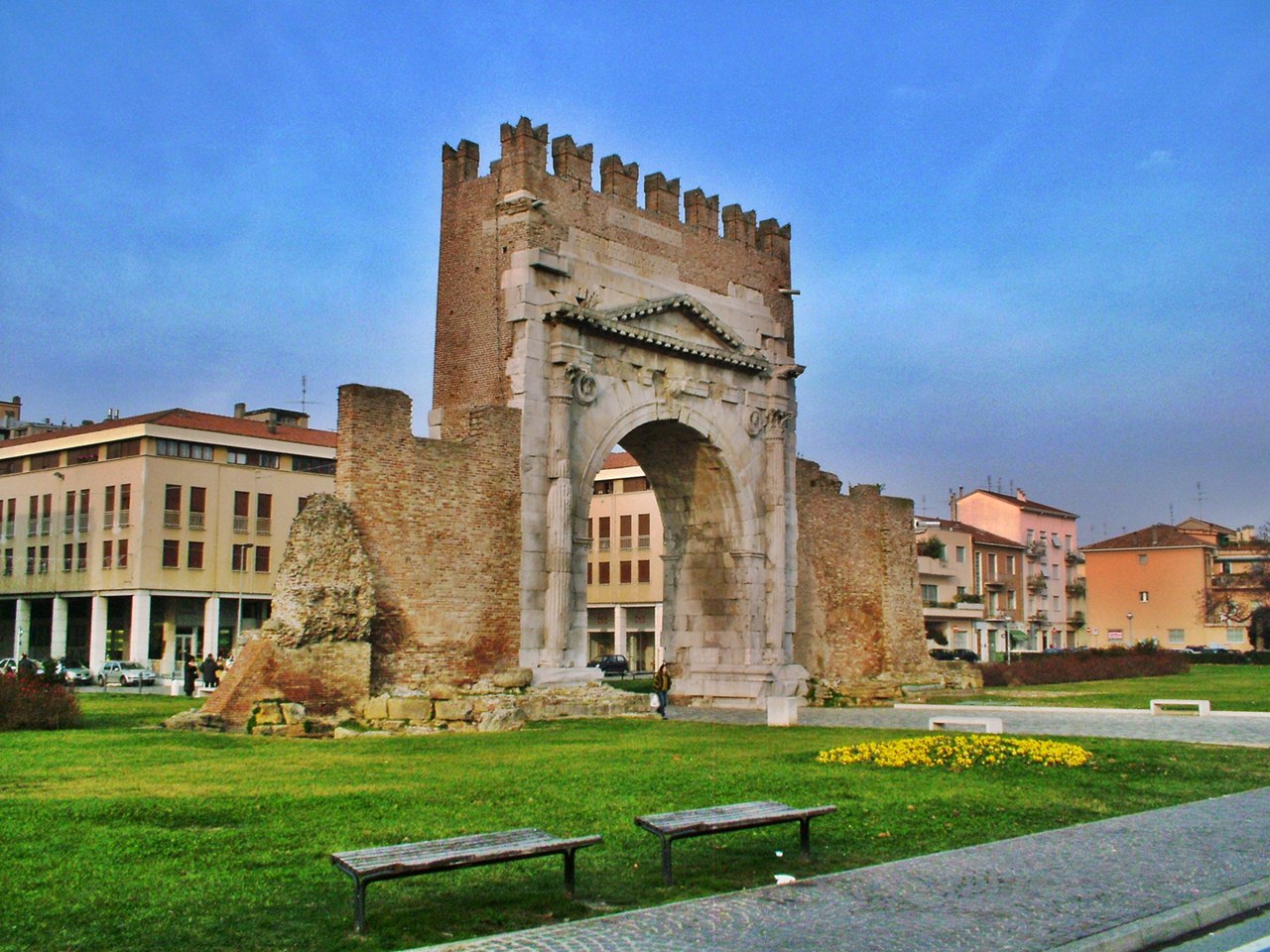
Der Augustusbogen in Rimini, dem antiken Ariminum, ist ein eintoriger Ehrenbogen, der im Jahr 27 v. Chr. zu Ehren von Augustus errichtet wurde. Er ist einer der ältesten erhaltenen römischen Ehrenbögen und repräsentiert eine frühe Form des Bautyps, wie sie auch auf gleichzeitigen Münzen zu finden ist.
奥古斯都拱门位于意大利北部城市里米尼,由罗马元老院在公元前27年献给皇帝奥古斯都,是现存最古老的罗马拱门。它标志着通往罗马的弗拉米尼亚大道的终点,跨越现代的奥古斯都大街(Corso d'Augusto),即古罗马的东西大道(decumanus maximus)。然后连上另一条古道艾米利亚大道,向西北通往皮亚琴察。
其风格简单庄重。中间的拱门尺度在当时大得非同寻常,其解释是奥古斯都的和平政策(所谓的“罗马和平”,无需关闭,因为没有攻击的危险。其两侧为科林斯柱。柱旁的四个徽章描绘罗马诸神:朱庇特和阿波罗在罗马一侧,尼普顿和罗马面朝里米尼城。
拱门的主要功能,除了作为城门,还支撑奥古斯都开着战车的铜像。在法西斯时期拆除城墙后,拱门变成孤立的纪念碑。
今天,奥古斯都拱门与奥古斯都桥和提比略桥均为里米尼的重要标志,出现在该市的市徽上。
 Life and Style

 Motorsport
Formel-1-Weltmeisterschaft 2017
Motorsport
Formel-1-Weltmeisterschaft 2017
 Circuit
Formel-1-Weltmeisterschaft 2018
Circuit
Formel-1-Weltmeisterschaft 2018
 Formula 1 World Championship 2025
Italy
Formula 1 World Championship 2025
Italy
 Lombardia
 Sport
Sport


 Hand in Hand


 Aerospace
 Occitania


Belarus
 Berlin
 Brandenburg
 Bremen
Denmark
Germany
Estonia
Finland
France
Bremen
Denmark
Germany
Estonia
Finland
France
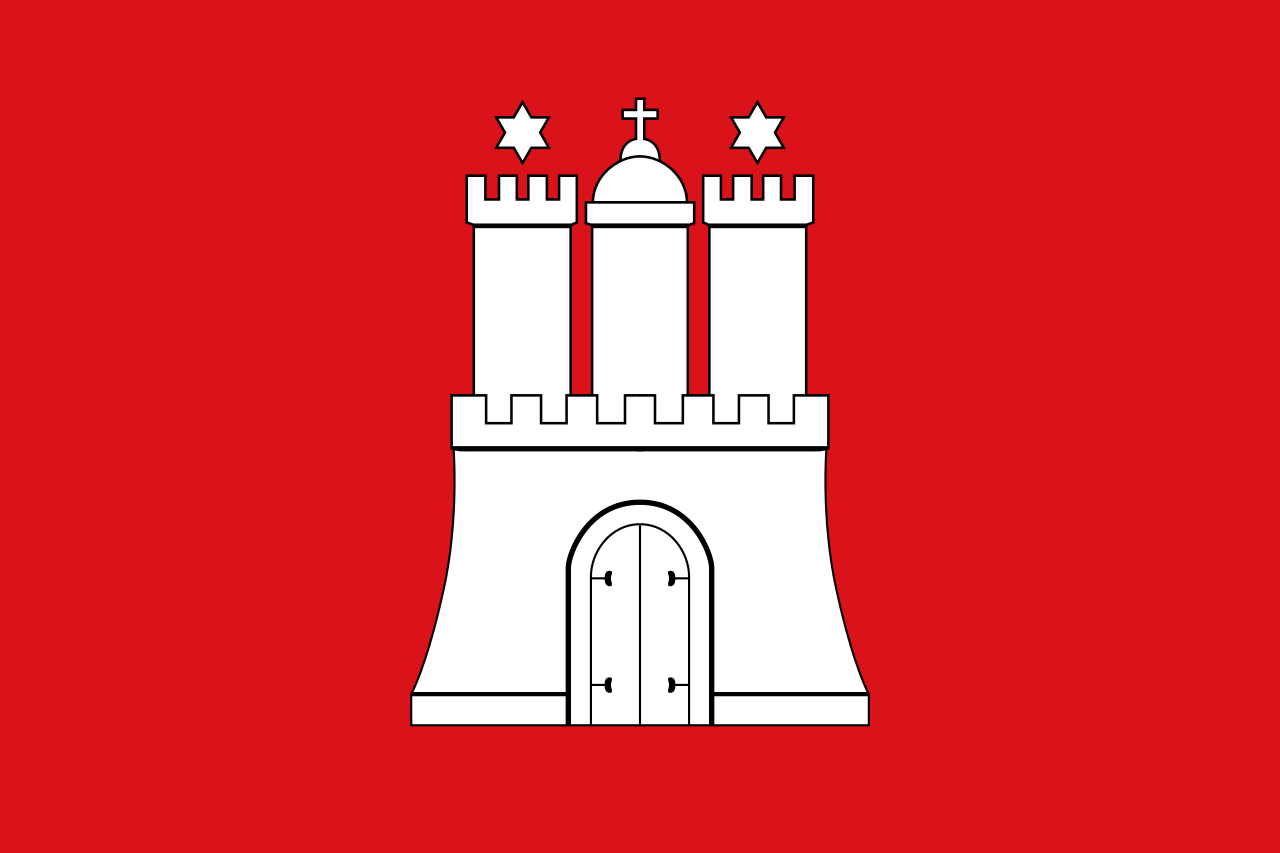 Hamburg
Italy
Latvia
Lithuania
Hamburg
Italy
Latvia
Lithuania
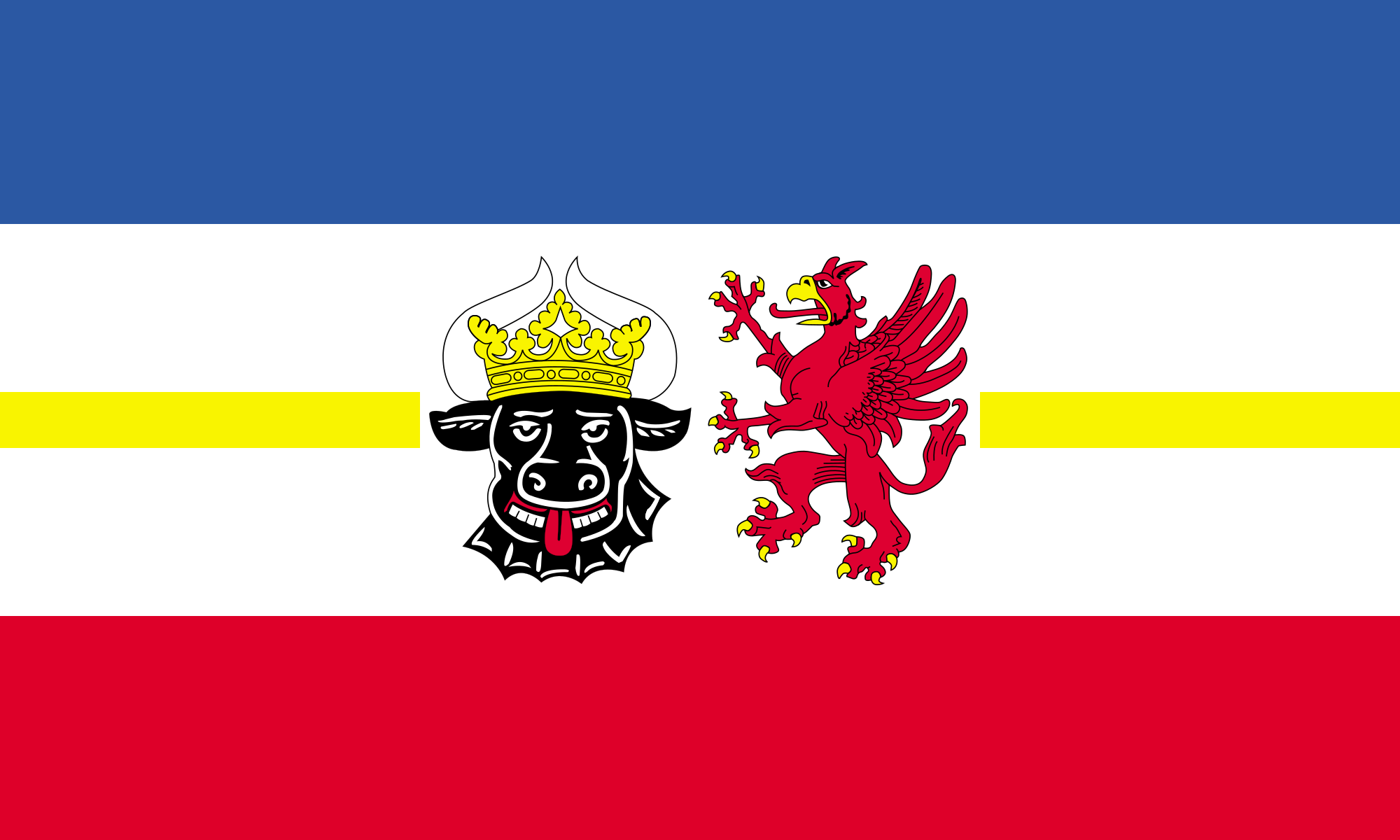 Mecklenburg-Vorpommern
Netherlands
Mecklenburg-Vorpommern
Netherlands
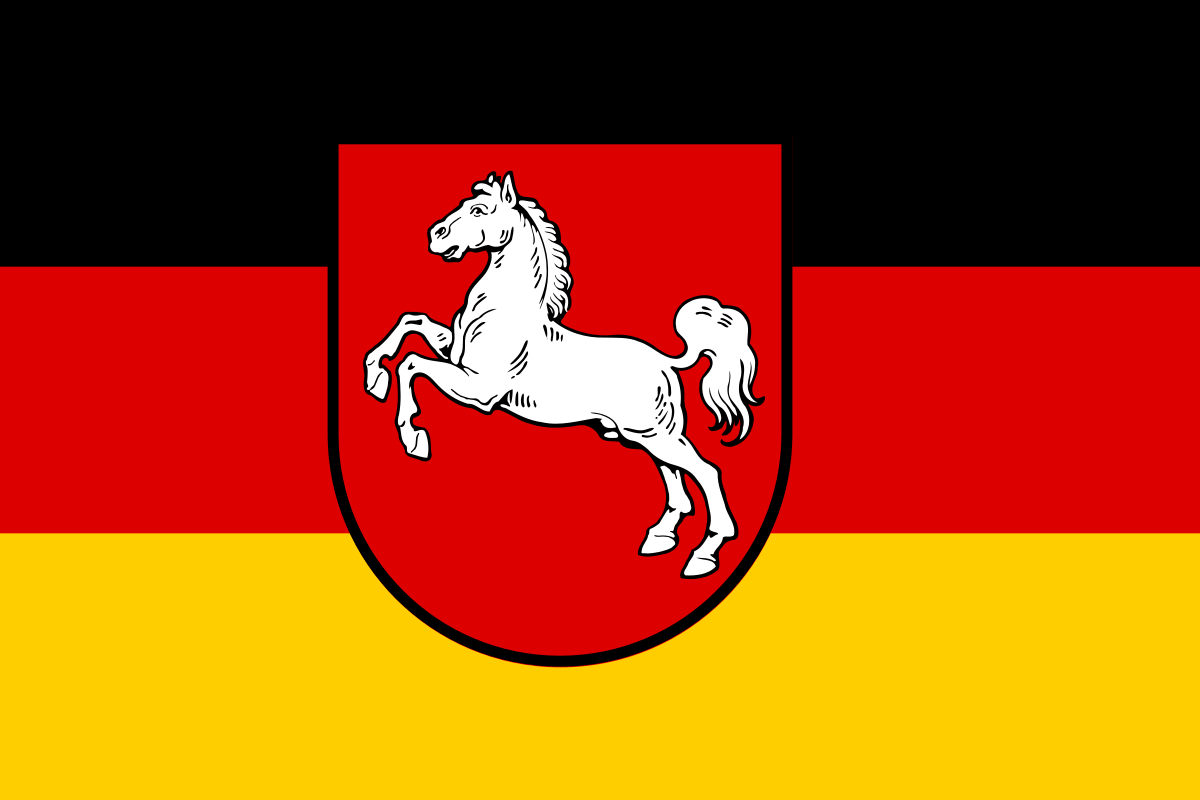 Lower Saxony
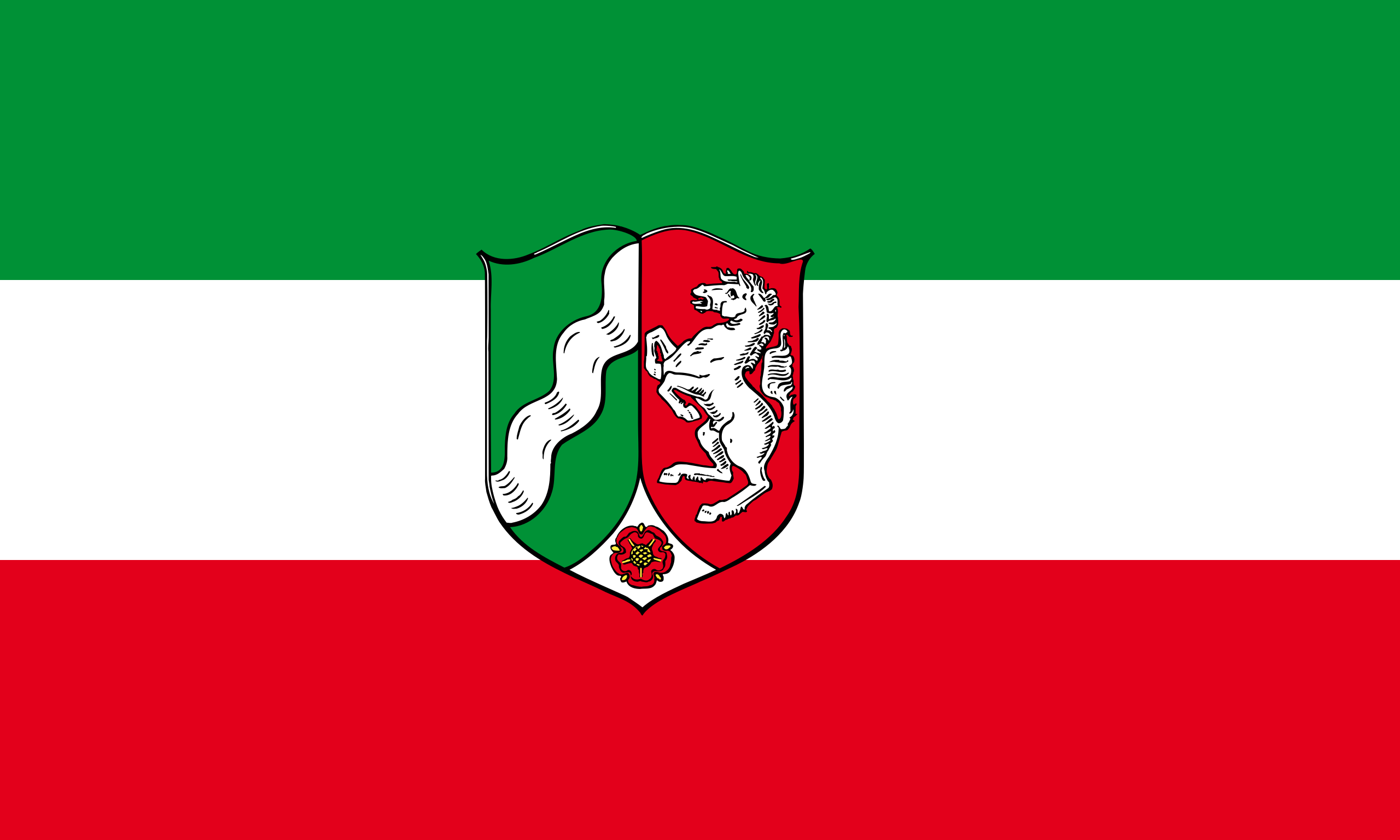 North Rhine-Westphalia
Poland
North Rhine-Westphalia
Poland
 Review
Russia
Review
Russia
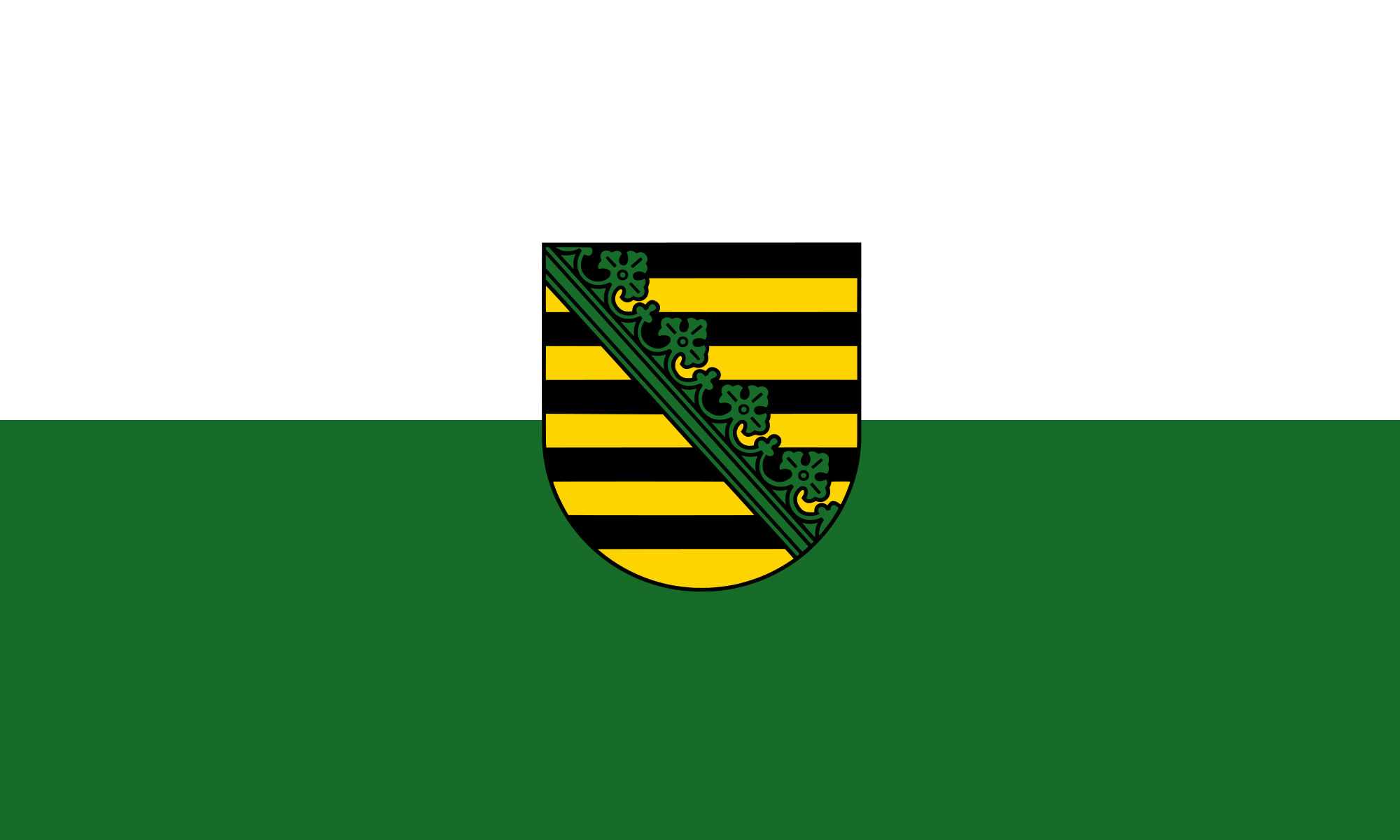 Saxony
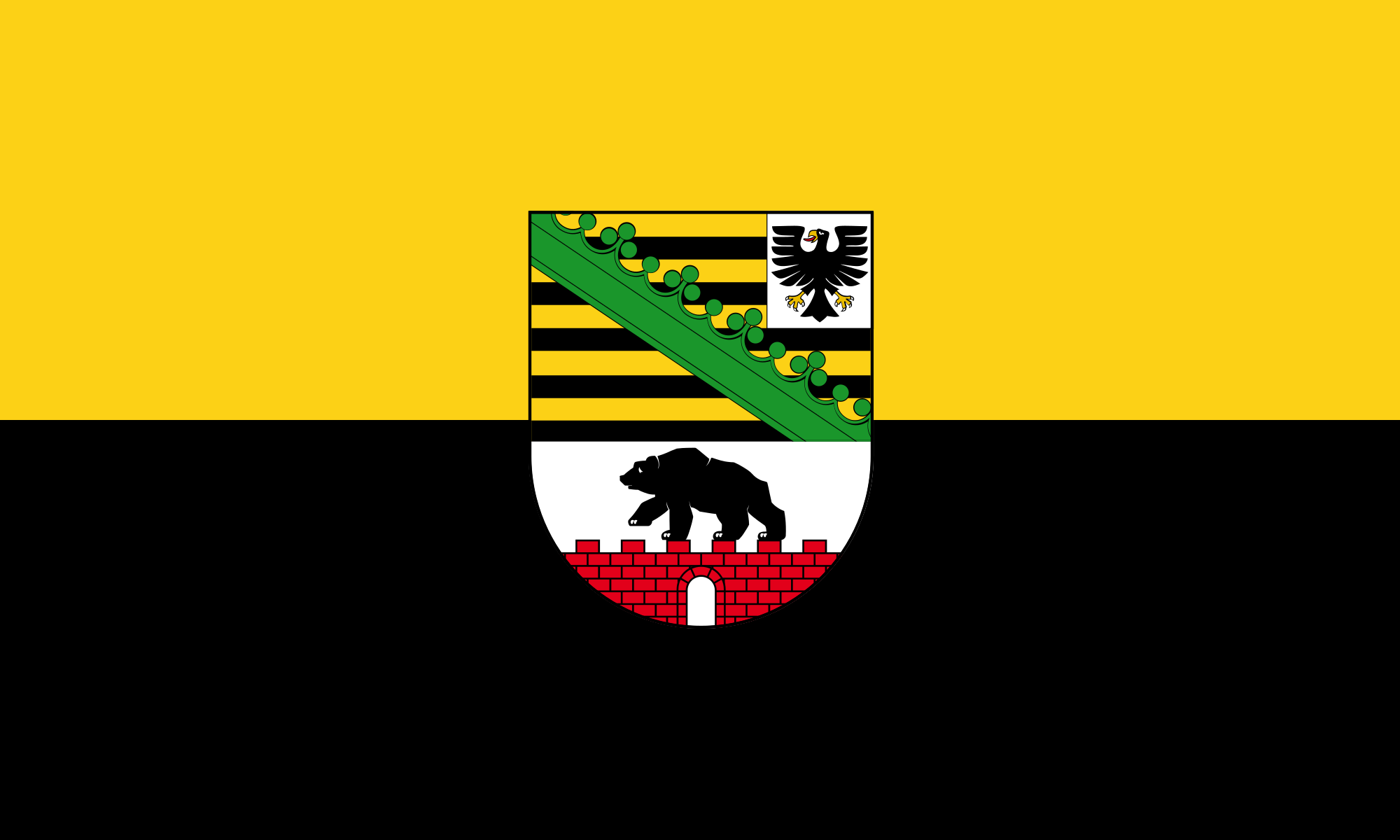 Saxony-Anhalt
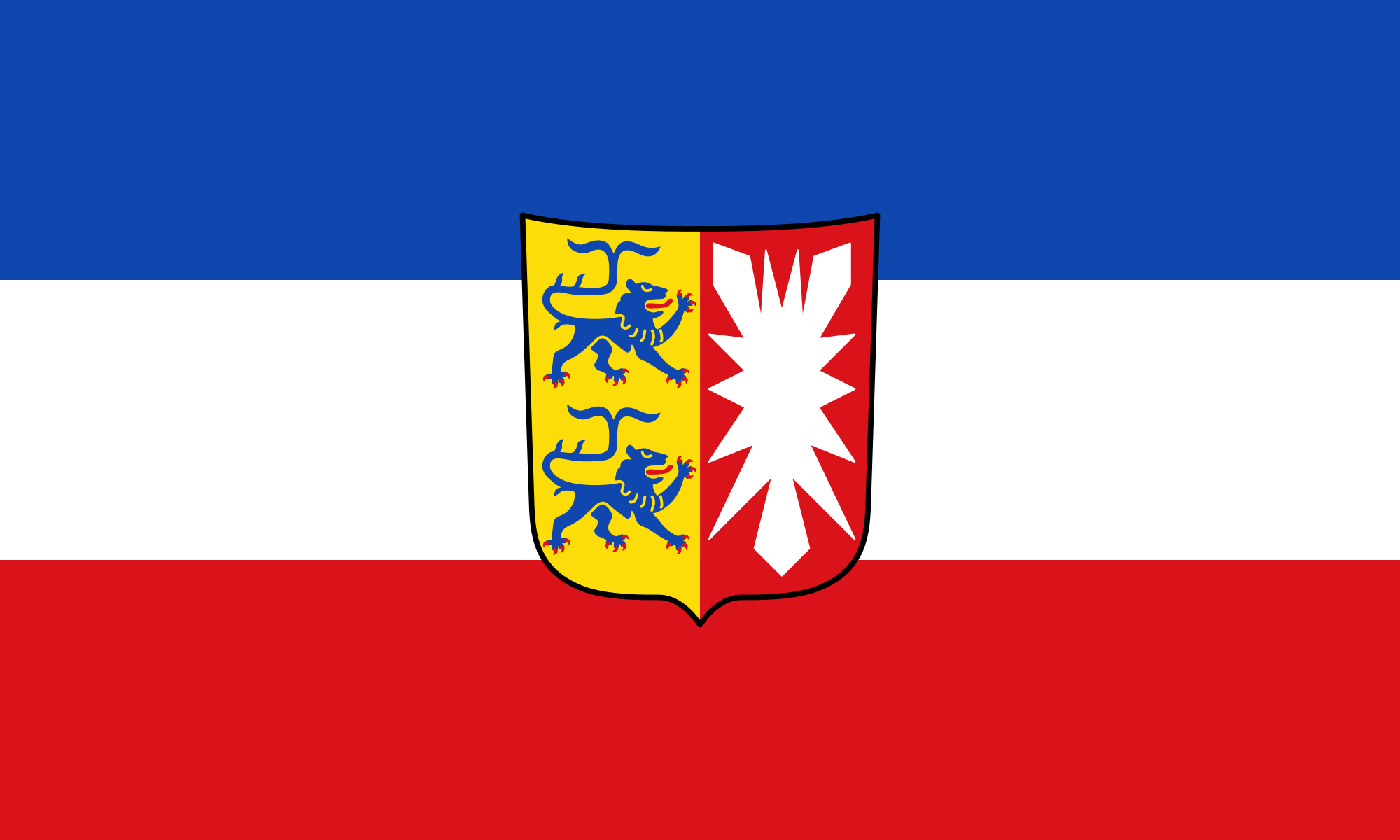 Schleswig-Holstein
Sweden
Switzerland
Schleswig-Holstein
Sweden
Switzerland
 Traditions
 Vacation and Travel
United Kingdom
Vacation and Travel
United Kingdom
 World Heritage

一种特别在德国北海和波罗的海海岸常见的哥特式建筑是用烤砖建造起来的建筑结构.这个十二世纪开始使用那红色的烤砖作为建筑材料的独特建筑风格之所以在北部德国低地如此普及是因为这块地区缺少天然石而且运输也非常困难,由于那片地区和汉萨盟的一 致性,因此它就成为了汉萨同盟的象征.有些历史悠久的建筑也就成了联合国教科文组织世界文化遗产项目之一。
Die Backsteingotik (englisch Brick Gothic, polnisch Gotyk ceglany) umfasst gotische Bauwerke, die aus oder mit sichtbarem Backstein errichtet wurden. Sie ist vor allem in Norddeutschland, dem Ostseeraum und den Niederlanden[1] verbreitet. Ihr Verbreitungsgebiet erstreckt sich im Westen bis an die Straße von Dover und im Südosten bis nach Galizien. Der auch oft verwendete Begriff Norddeutsche Backsteingotik erfasst daher nur einen Teil der gesamten Backsteingotik. Gotische Backsteinarchitektur in Italien und Südfrankreich wird in der Regel allein den dortigen Regionalstilen zugerechnet.
Die mittelalterliche Verwendung von Backstein als Baustoff setzte nördlich der Alpen im 12. Jahrhundert ein. Die ältesten Bauten gehören deshalb noch der so genannten Backsteinromanik an. Im 16. Jahrhundert ging die Backsteingotik in die Backsteinrenaissance über. Die geografische Verbreitung des Bauens aus Backstein und mit sichtbarem Backstein unterlag vom Beginn des Hochmittelalters bis in die frühe Neuzeit aber durchaus Veränderungen. So gab es in Teilen des Münsterlandes zwischen Pionierbauten der Romanik und dem starken Backsteineinsatz in Renaissance und Barock eine zeitliche Lücke.
Viele von der Backsteingotik geprägte Altstädte und Einzelbauten wurden in die Liste des UNESCO-Welterbes aufgenommen.
Brick Gothic (German: Backsteingotik, Polish: Gotyk ceglany, Dutch: Baksteengotiek) is a specific style of Gothic architecture common in Northwest and Central Europe especially in the regions in and around the Baltic Sea, which do not have resources of standing rock, but in many places a lot of glacial boulders. The buildings are essentially built using bricks. Buildings classified as Brick Gothic (using a strict definition of the architectural style based on the geographic location) are found in Belgium (and the very north of France), Netherlands, Germany, Poland, Lithuania, Latvia, Estonia, Kaliningrad (former East Prussia), Sweden and Finland.
As the use of baked red brick arrived in Northwestern and Central Europe in the 12th century, the oldest such buildings are classified as the Brick Romanesque. In the 16th century, Brick Gothic was superseded by Brick Renaissance architecture.
Brick Gothic is characterised by the lack of figural architectural sculpture, widespread in other styles of Gothic architecture. Typical for the Baltic Sea region is the creative subdivision and structuring of walls, using built ornaments and the colour contrast between red bricks, glazed bricks and white lime plaster. Nevertheless, these characteristics are neither omnipresent nor exclusive. Many of the old town centres dominated by Brick Gothic, as well as some individual structures, have been listed as UNESCO World Heritage sites.
The real extent and the real variety of this brick architecture has to be distinguished from the view of late 19th and early 20th century, especially the years around the end of World War I, when it was instrumentalized, politically.
Indeed, about a quarter of medieval Gothic brick architecture is standing in the Netherlands, in Flanders and in French Flanders. Some dominant buildings combinations of brick and stone. But the criterion "no stone at all" looks like a trick to exclude them.[according to whom?] The towers of St Mary church in Lübeck, the very top Brick Gothic church of the Baltic Sea region, have corners of granite ashley. And many village churches in northern Germany and Poland have Brick Gothic design, but most of their walls are formed by boulders.
L'architettura gotica dei paesi baltici è una varietà regionale dell'architettura gotica, in particolare del gotico tedesco. Le aree coinvolte in questa forma di architettura medievale si affacciano sul mar Baltico e sul Mare del Nord e, da un punto di vista politico, comprendevano gli stati settentrionali del Sacro Romano Impero, le città della Lega Anseatica, i possedimenti dell'Ordine Teutonico. Il periodo interessato va dal XIII secolo al XV secolo.
Le caratteristiche distintive sono che si tratta di un'architettura prevalentemente in laterizio e di una rielaborazione originale e per certi aspetti molto distante dall'iniziale gotico francese. I paesi europei attuali che hanno testimonianze di questa architettura sono Germania, Polonia, Lituania, Lettonia, Estonia, e nell'area della storica Prussia Orientale, (Oblast di Kaliningrad Russia); alcune testimonianze sono anche presenti in Scandinavia.
Le gothique de brique (allemand : Backsteingotik) est un style d´architecture gothique du Nord de l´Europe, et plus particulièrement du Nord de l'Allemagne et des régions autour de la mer Baltique. Il s'est surtout répandu dans les villes culturellement allemandes de l'ancienne Ligue Hanséatique à partir du XIIIe siècle, puis bien au-delà par influence (Scandinavie, Flandres, toute la Pologne, Allemagne du Sud). Les bâtiments sont essentiellement constitués de briques et le style de la décoration s'est adapté aux possibilités et aux limites de ce matériaux, conférant à cette architecture une identité bien particulière.
Il existe d'autres styles d'architecture gothique en brique en Europe, plus ou moins indépendants, comme en Italie et dans la région Toulousaine en France. Le style gothique baltique ne comprend pas tout le gothique en brique d'Europe.
El gótico báltico (en alemán, Norddeutsche Backsteingotik), forma la parte mayor del gótico de ladrillos (en alemán: Backsteingotik). Es una variante de la arquitectura gótica y neogótica que apareció en la Europa septentrional. Sin la especificación "Baltico" es estendido del estrecho de Calais a la Galicia de los Cárpatos. Con la especificación "Baltico" esta concentrada en el norte de Alemania y las zonas aledañas al mar Báltico. En todas estas regiones mancan recursos naturales para construir edificios de piedra. Se extendió principalmente en las ciudades culturalmente alemanas de la antigua Liga Hanseática desde el siglo XIII, y luego por influencia (Escandinavia, toda Polonia, el sur de Alemania). Los edificios son esencialmente de ladrillo y el estilo de decoración se ha adaptado a las posibilidades y límites de este material, dando a esta arquitectura una identidad muy particular.
Кирпичная, ганзейская или северогерманская готика — разновидность готического стиля архитектуры, распространённая в Северной Германии, Польше, Белоруссии и Прибалтике в XIII—XVI веках. Красный керамический кирпич как строительный материал стал использоваться в Северной Европе в XII веке, поэтому самые древние кирпичные образцы относятся ещё к так называемой «кирпичной романике». В XVI в. кирпичную готику сменил «кирпичный ренессанс».
Для кирпичной готики характерны, с одной стороны, отсутствие скульптурных украшений, которые невозможно выполнить из кирпича, и, с другой стороны, богатство орнаментальных деталей кладки и структуризация плоскостей за счёт чередования красного либо глазурованного кирпича и известковой побелки стен.
Многие города, внешний облик которых украшают готические сооружения из красного кирпича, являются объектами Всемирного культурного наследия ЮНЕСКО.
 Transport and traffic
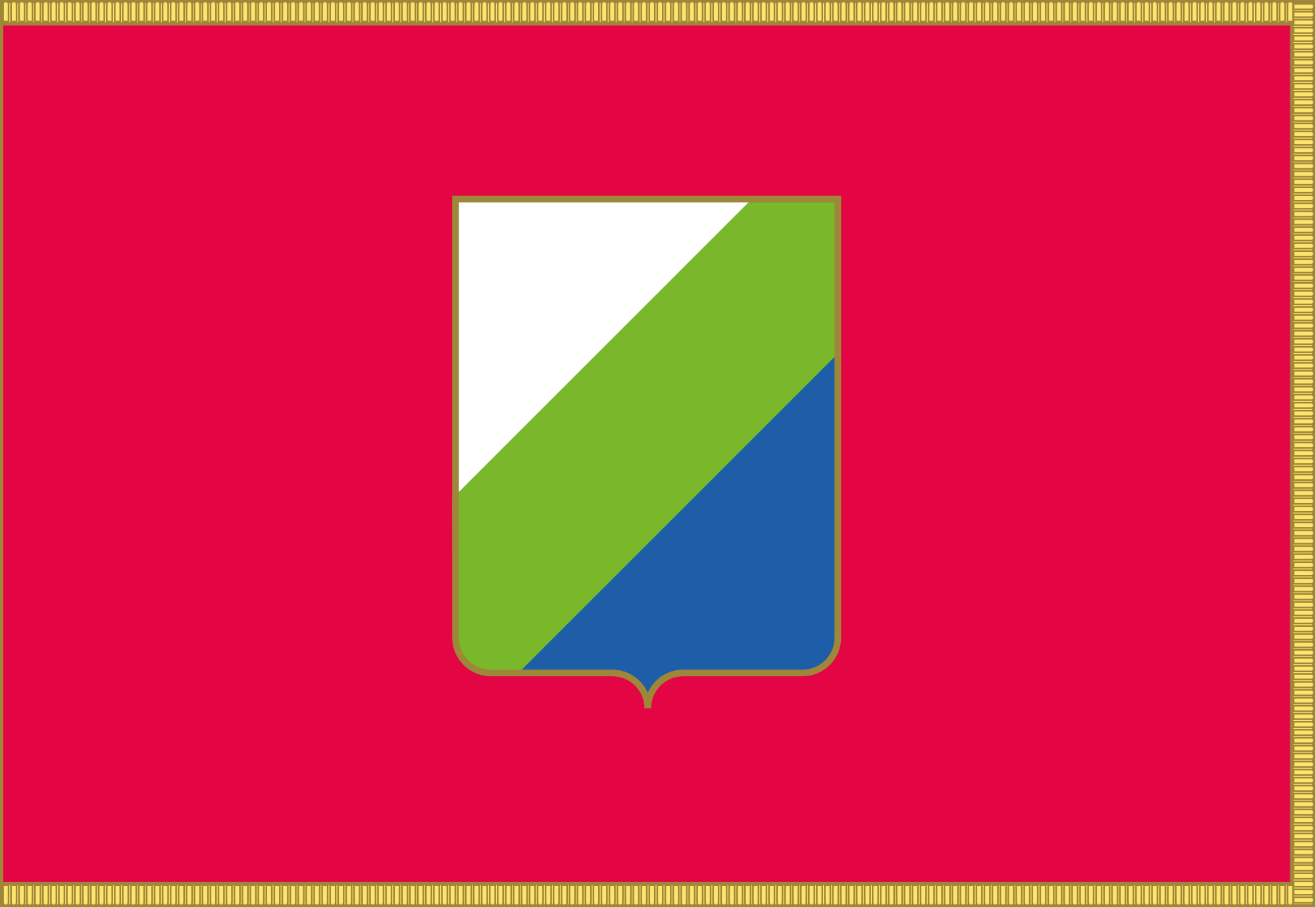 Abruzzo
 Basilicata
 Calabria
 Campania
 Emilia-Romagna
 Friuli-Venezia Giulia
Italy
Friuli-Venezia Giulia
Italy
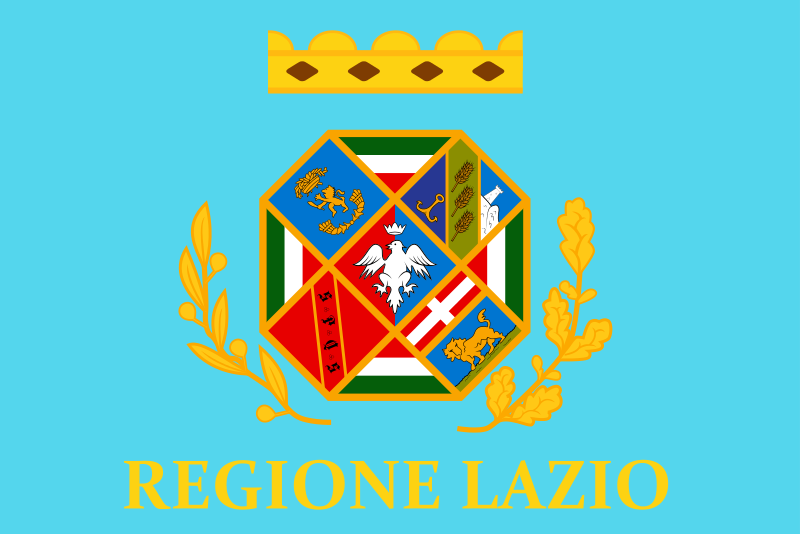 Lazio
Lazio
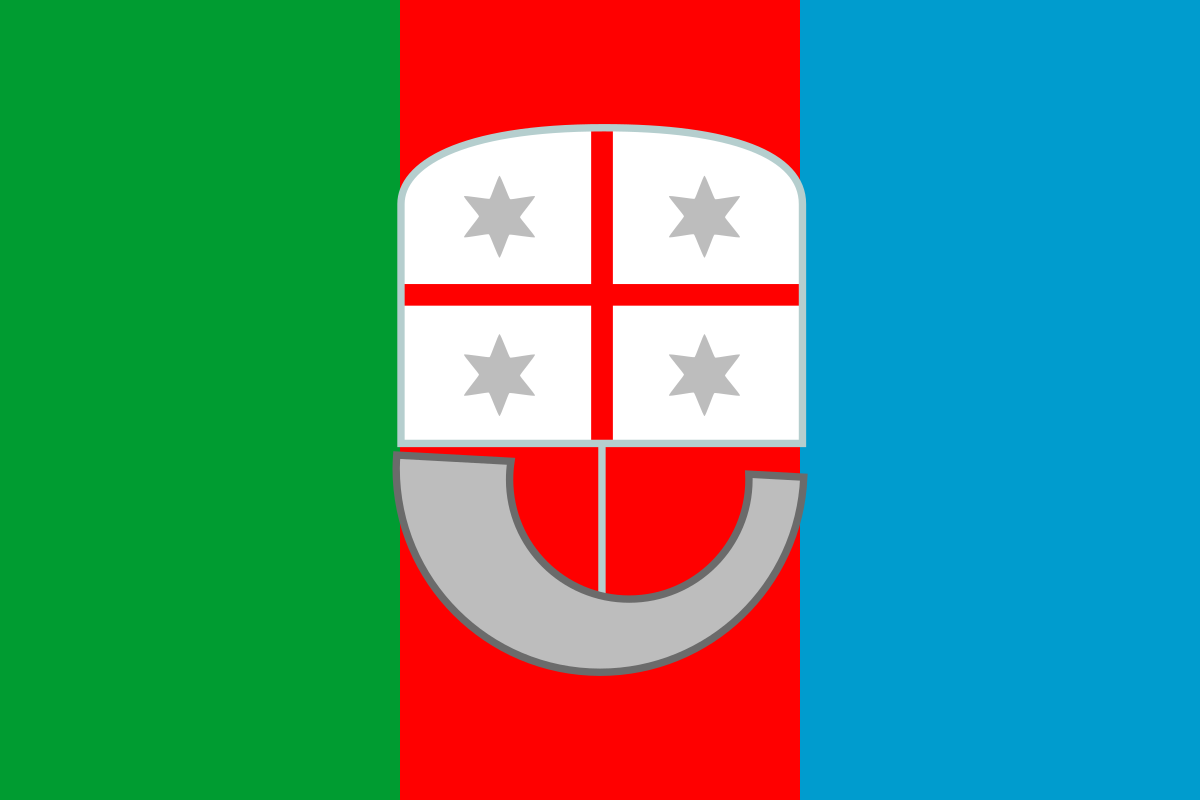 Liguria
Lombardia
Liguria
Lombardia
 Marche
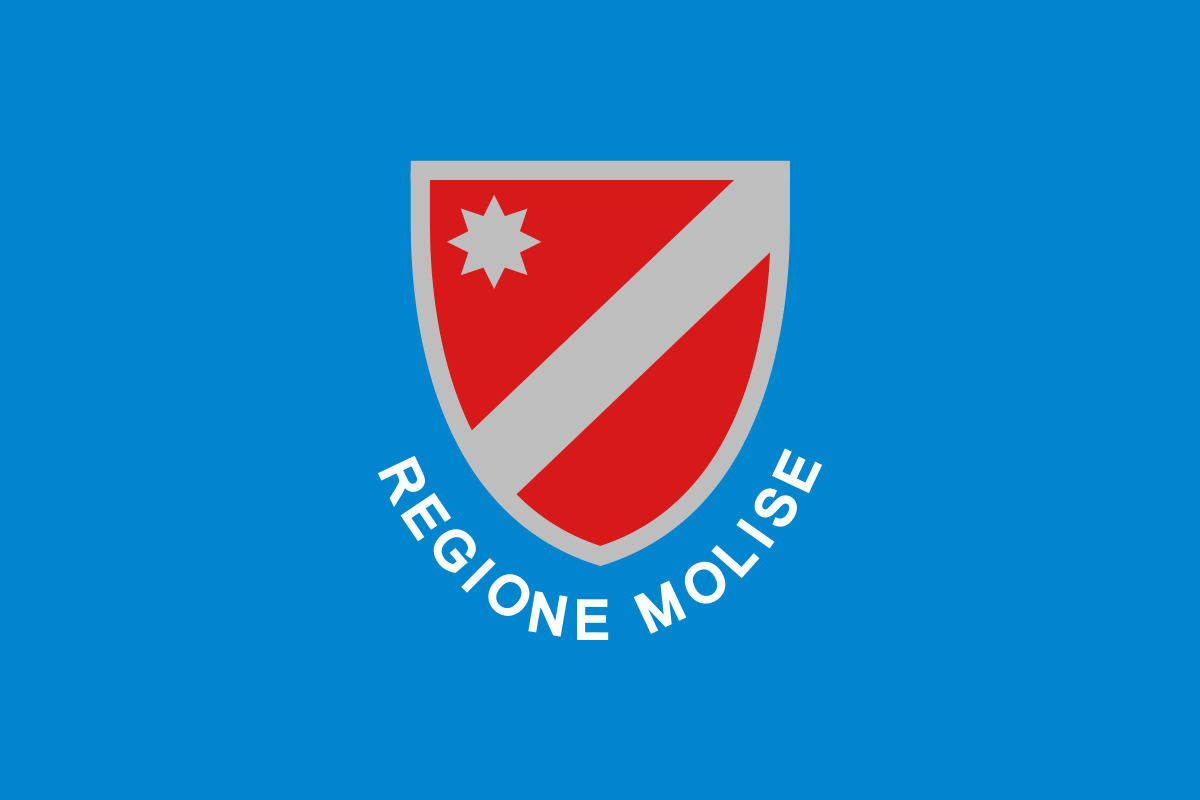 Molise
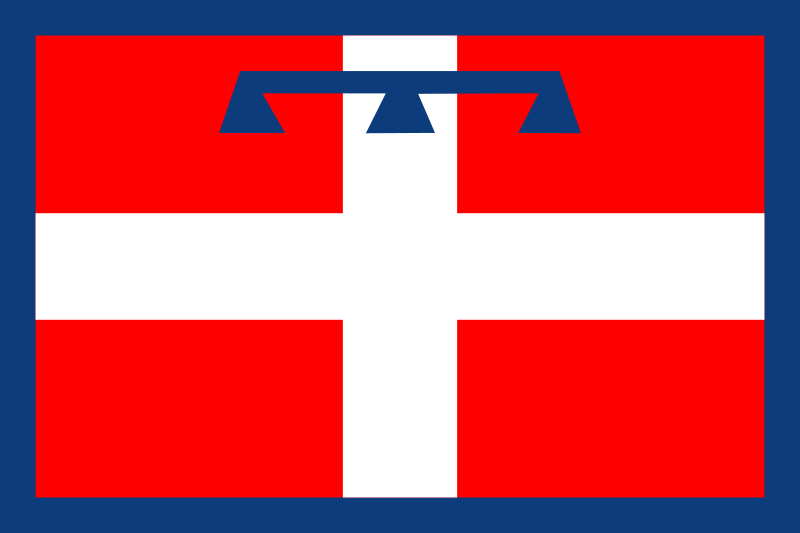 Piemonte
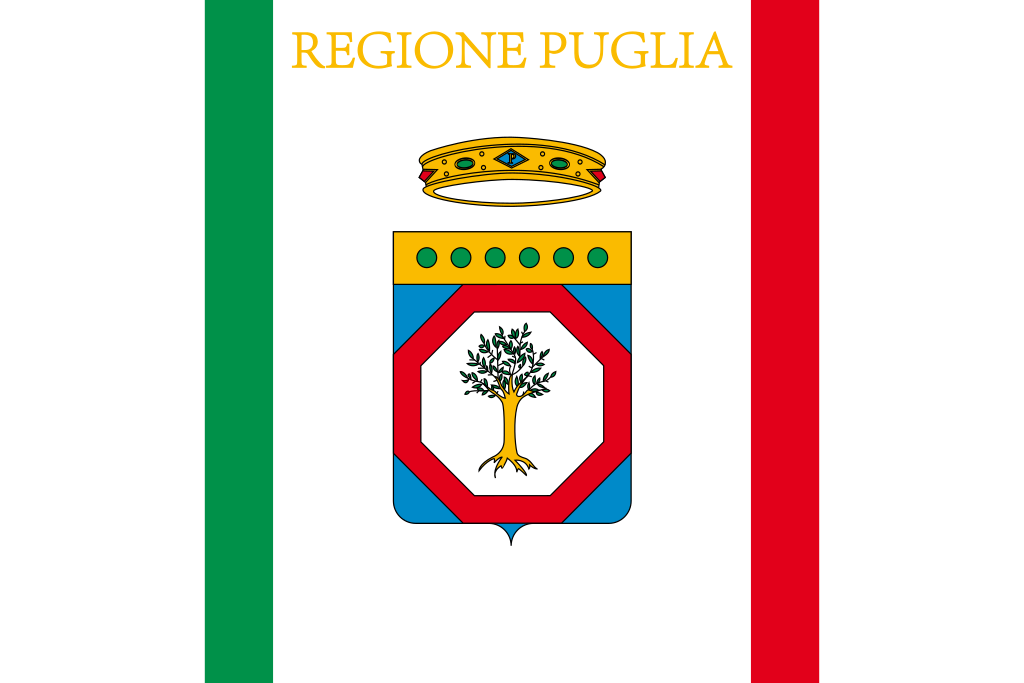 Puglia
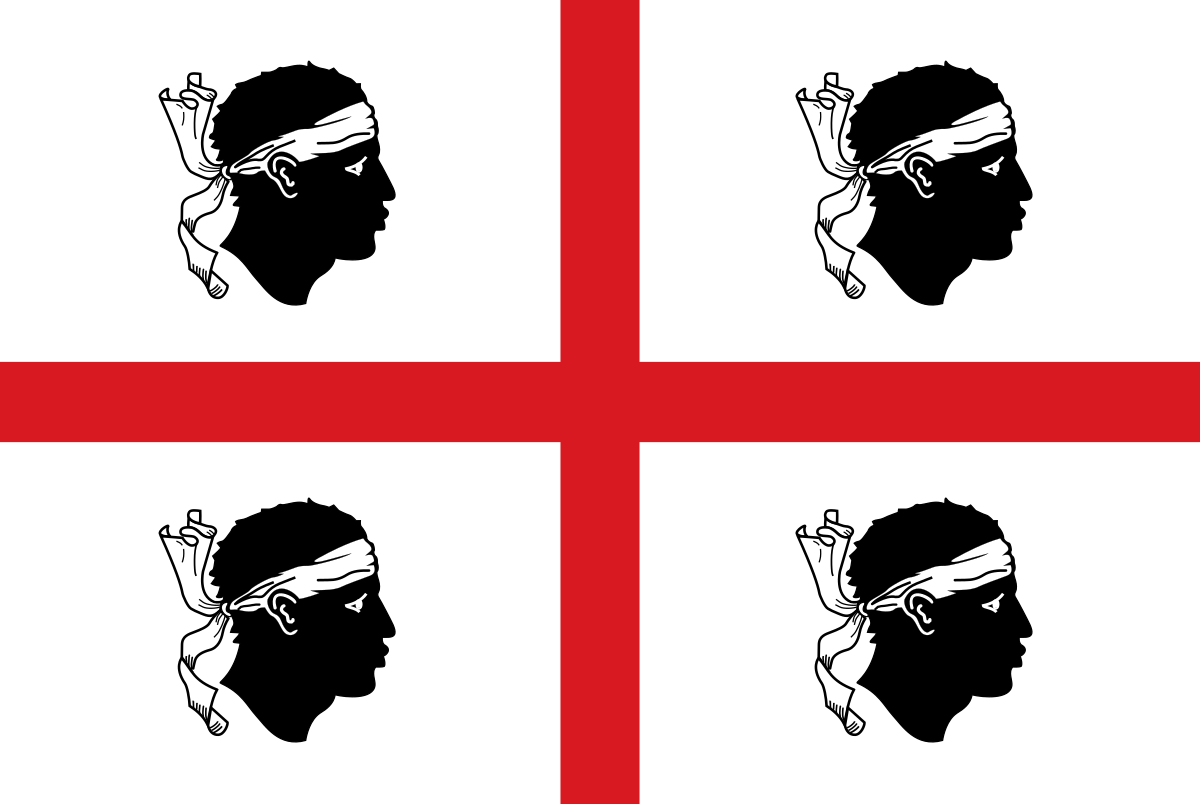 Sardegna
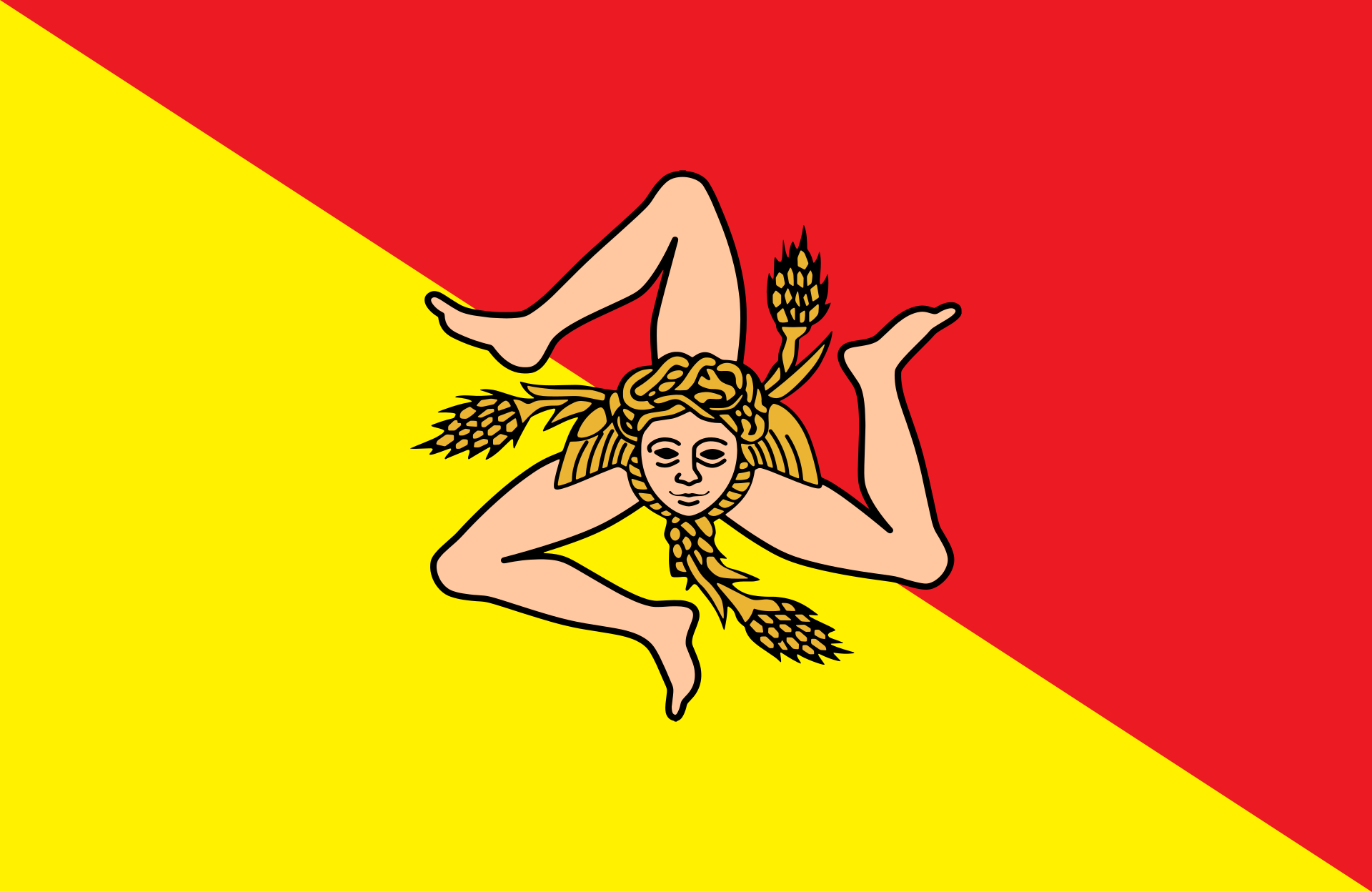 Sicilia
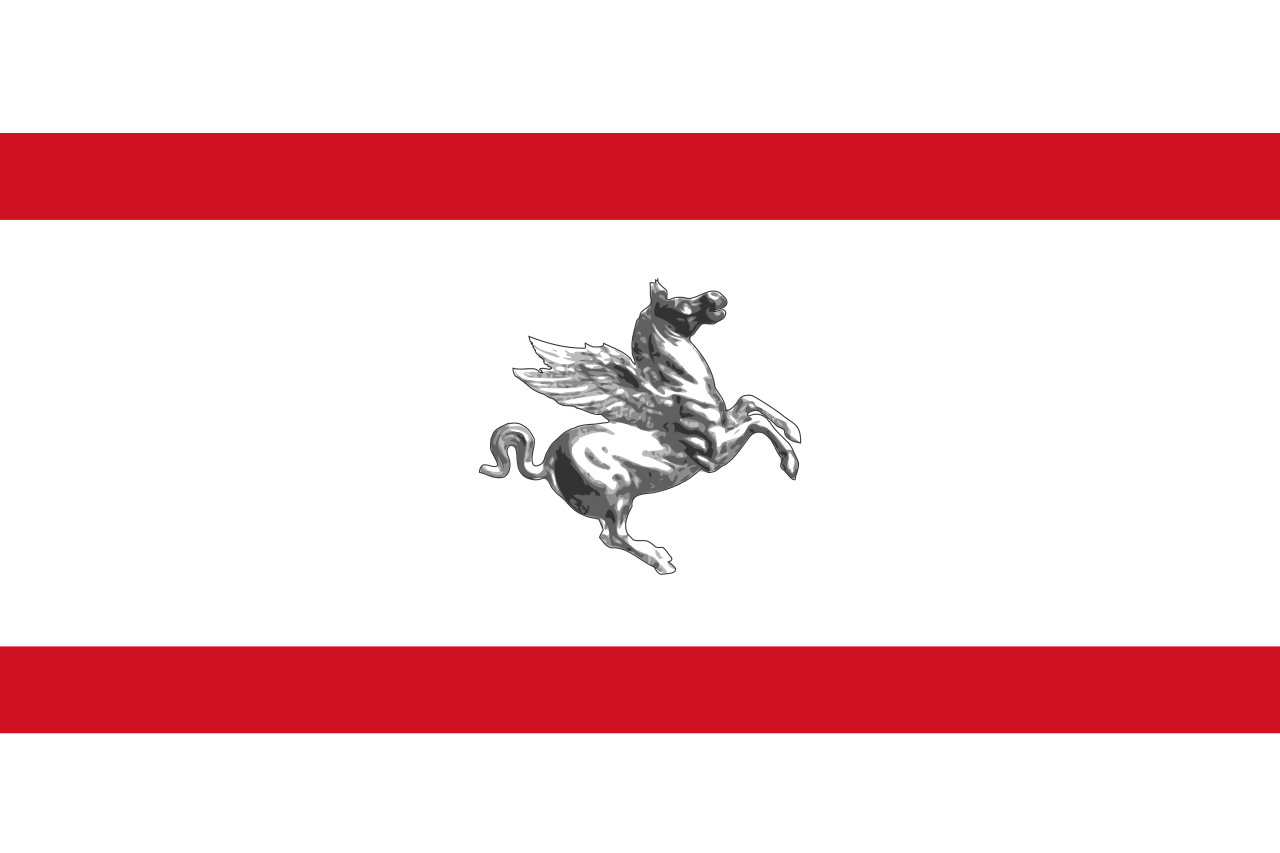 Toscana
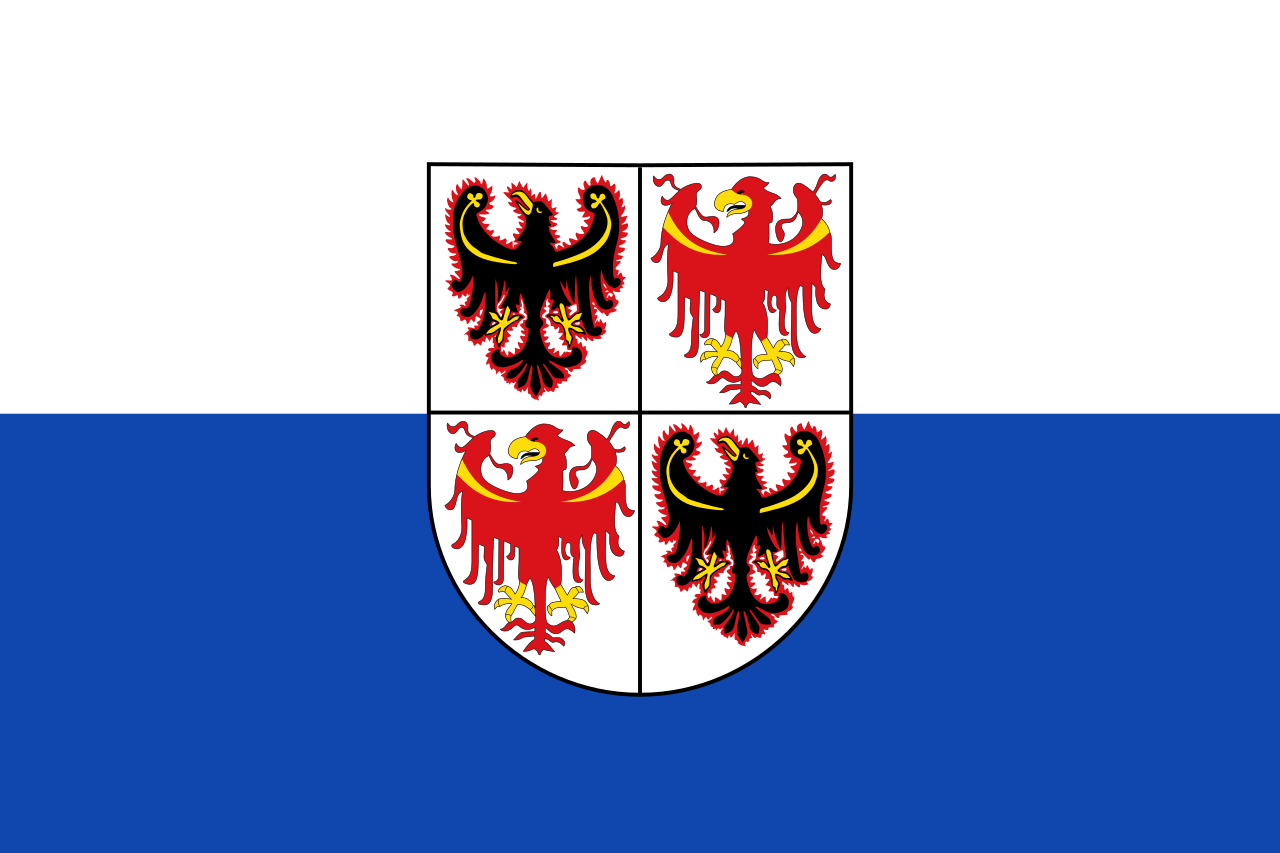 Trentino-Alto Adige
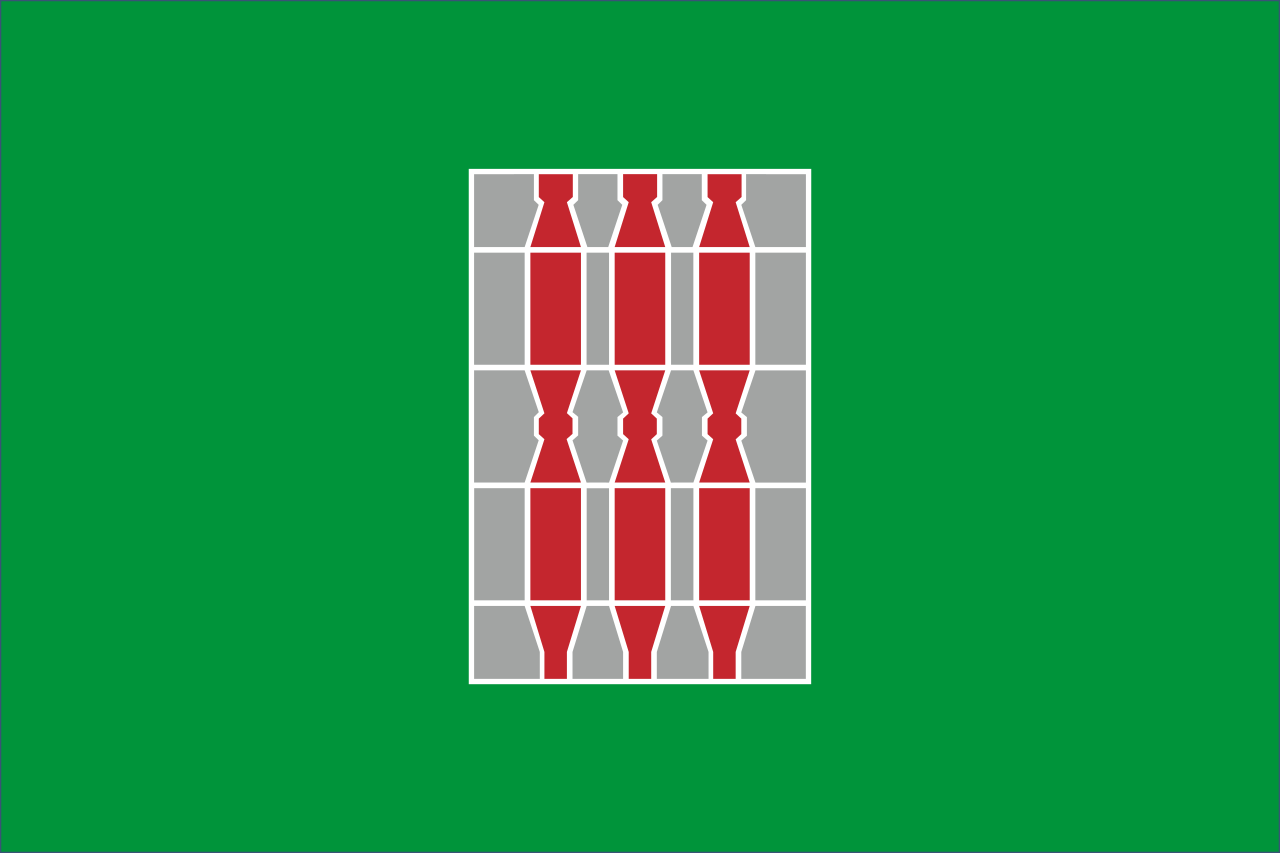 Umbria
 Financial
*Italy economic data
Italy
Lazio
Financial
*Italy economic data
Italy
Lazio
 Companies
*Centuries-old companies in the world
Companies
Companies
*Centuries-old companies in the world