
Deutsch-Chinesische Enzyklopädie, 德汉百科
 Veneto
 Sport
Sport
 Exhibition

 Campania
 Emilia-Romagna
FIFA Fussball-Weltmeisterschaft 1990
Emilia-Romagna
FIFA Fussball-Weltmeisterschaft 1990
 Friuli-Venezia Giulia
Italy
Friuli-Venezia Giulia
Italy
 Lazio
Lazio
 Liguria
 Lombardia
 Piemonte
 Puglia
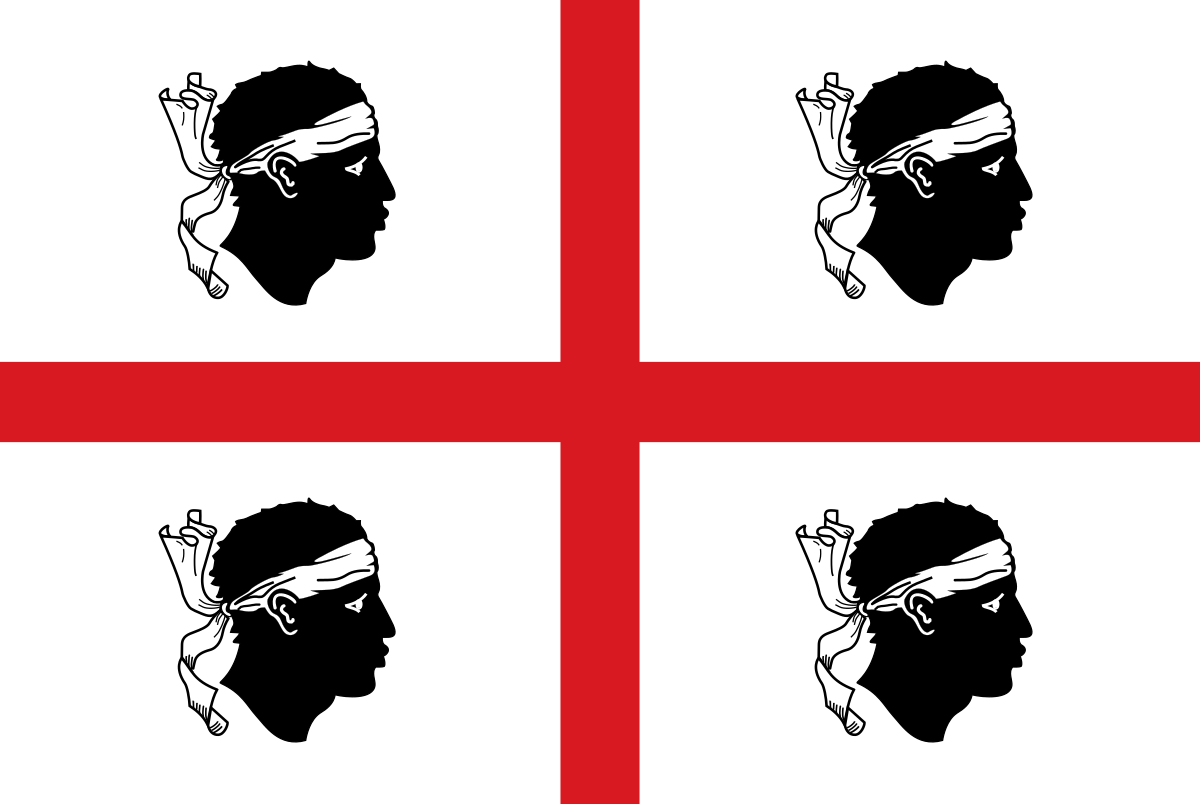 Sardegna
 Sicilia
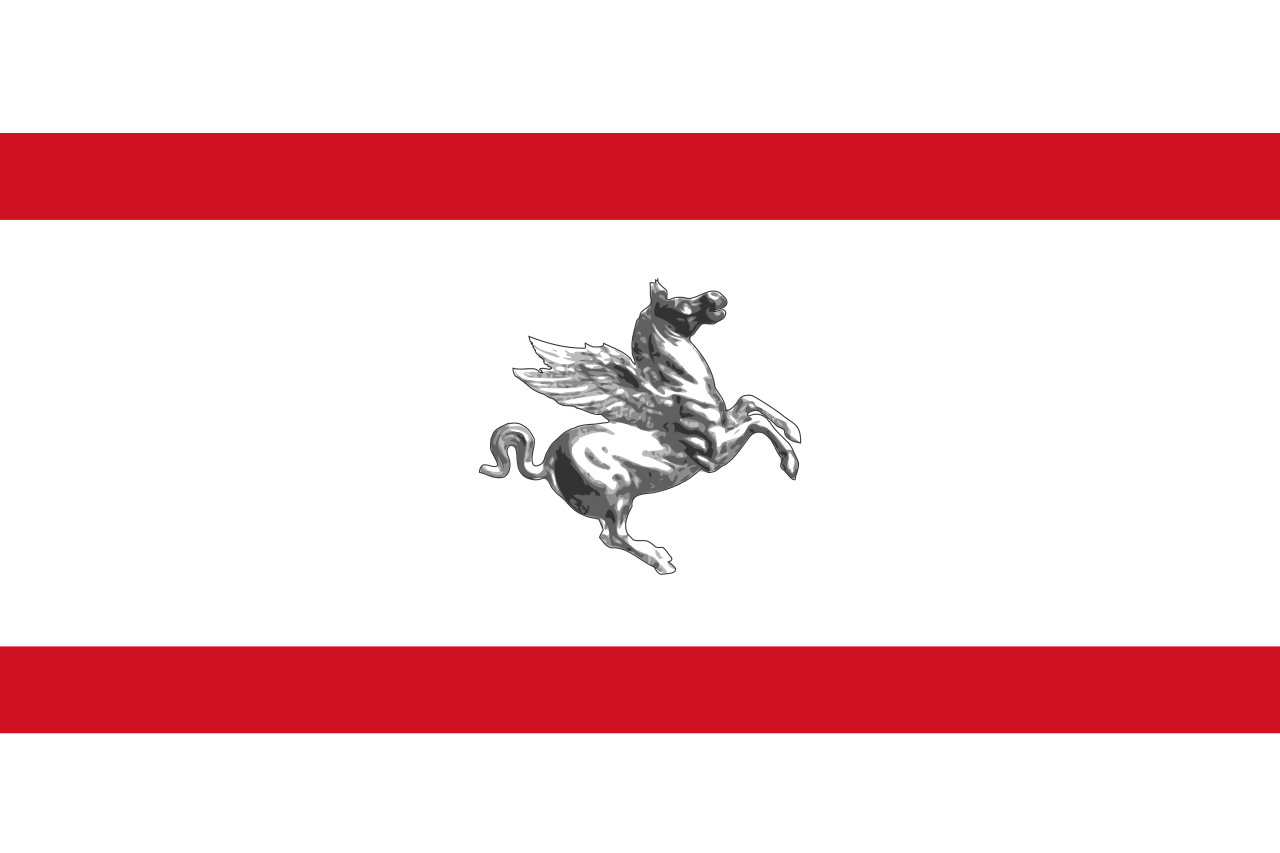 Toscana
Veneto
Toscana
Veneto
 Friuli-Venezia Giulia
Italy
Liguria
Friuli-Venezia Giulia
Italy
Liguria

 Military, defense and equipment
 Ships and Nautics
 Yacht
Sicilia
Yacht
Sicilia
 Companies
*Big shipbuilding companies
Veneto
Companies
*Big shipbuilding companies
Veneto


Emilia-Romagna
FIVB Volleyball World Championship
Friuli-Venezia Giulia
Italy
Lazio
Lombardia
Puglia
Veneto

 Calabria
Emilia-Romagna
FIVB Volleyball World Championship
Friuli-Venezia Giulia
Italy
Lazio
Lombardia
Calabria
Emilia-Romagna
FIVB Volleyball World Championship
Friuli-Venezia Giulia
Italy
Lazio
Lombardia
 Marche
Piemonte
Sicilia
Toscana
Veneto
Marche
Piemonte
Sicilia
Toscana
Veneto
 *Think tanks in Italy
 Basilicata
 Financial
*Italy economic data
Lombardia
Veneto
Financial
*Italy economic data
Lombardia
Veneto
 Economy and trade
Economic and political research
Economy and trade
Economic and political research
 Science and technology


 IT-Times

 Art
Art


Die Galerien der Akademie von Venedig sind ein italienisches Staatsmuseum. Sie befinden sich im Sestiere von Dorsoduro am Fuße der Brücke der Akademie, in dem, was bis zum Beginn des 19. Jahrhunderts der riesige Komplex aus der Kirche von Santa Maria della Carità, dem Kloster der Lateranischen Kanoniker und der Scuola Grande di Santa Maria di Carità (Der Eingang ist für das Portal der letzteren). Sie nehmen ihren Namen von der Akademie der Schönen Künste, die sie 1817 eröffnete und bis 2004 ihren Sitz teilte.
Sie sammeln die beste Sammlung venezianischer und venetianischer Kunst, vor allem im Zusammenhang mit Gemälden aus der Zeit vom 14. bis zum 18. Jahrhundert: Zu den größten Künstlern gehören Tintoretto, Giambattista Pittoni, Tiziano, Canaletto[2], Giorgione, Giovanni Bellini, Vittore Carpaccio, Cima da Conegliano und Veronese. Es gibt auch andere Kunstformen wie Skulpturen und Zeichnungen, darunter den berühmten Vitruvian Man von Leonardo da Vinci. (esposto solo in occasioni particolari).
Sie gehören dem Ministerium für Kulturgüter und Kulturaktivitäten, das sie seit 2014 zu den Museumsinstituten mit besonderer Autonomie zählt.
 Theme park

 Geography
 Trentino-Alto Adige


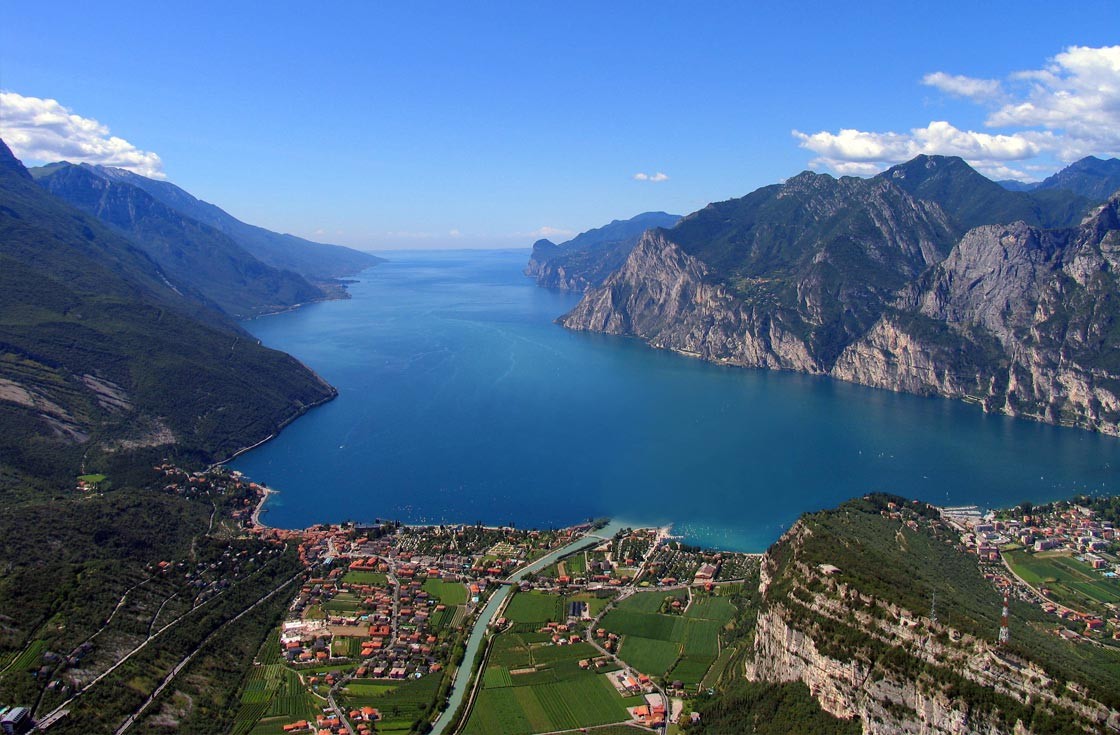
Der Gardasee (italienisch Lago di Garda oder Benaco), einer der oberitalienischen Seen, ist der größte See Italiens, benannt nach der Gemeinde Garda am Ostufer. Sein antiker Name lautete von etwa 200 v. Chr. bis 800 n. Chr. Lacus benacus. Der Name soll von einer alten Gottheit namens Benacus abstammen. Der Gardasee wurde in der vergangenen Eiszeit durch einen Seitenast des Etschgletschers geformt, dessen Spuren noch verfolgt werden können, insbesondere durch die Endmoränen um das Südufer z. B. bei Lonato del Garda, Solferino, Valeggio sul Mincio und Custoza. Erste Besiedlungen des Seeufers datieren um das Jahr 2000 v. Chr.
加尔达湖(意大利语:Lago di Garda)是意大利面积最大的湖泊,位于该国北部,约在威尼斯和米兰的半途之间,座落于阿尔卑斯山南麓,在上一次冰川时期结束时因为冰川融化而形成。现在的加尔达湖分别划归维罗纳(位于湖泊之东南方)、布雷西亚(西南)和特伦托(北)三省管辖。
通过布伦纳山口可以从北面轻易到达加尔达湖,因此该湖泊是一个热门的旅游景点,其岸边有不少高档酒店和旅馆。
 History
Bangladesh
China
Guangdong Sheng-GD
India
Indonesia
Iran
Malaysia
Nepal
Netherlands
Pakistan
Portugal
Spain
Sri Lanka
Turkey
Veneto
United Kingdom
History
Bangladesh
China
Guangdong Sheng-GD
India
Indonesia
Iran
Malaysia
Nepal
Netherlands
Pakistan
Portugal
Spain
Sri Lanka
Turkey
Veneto
United Kingdom


香料贸易在人类历史上有着举足轻重的作用,尤其是中世纪的欧洲,对香料的渴望直接催生了地理大发现。从遥远的东方运送香辛料到欧洲的贸易线路被称为香料之路。香料作为当时最贵重的商品之一,其价值几与黄金相当。英语中“Spice”(香辛料)这个词来源于拉丁语“species”,常用来指代贵重但量小的物品。
在16世纪,葡萄牙统治了东印度的香料贸易,17世纪的霸主是荷兰,而18世纪则是英国。而在16~19世纪初,中国大陆是世界上最大的香料市场,东南亚大部分香料都销往这里;而荷兰、英国、美国等国商人,就由广州运载中国香料返国,广州成为早期东南亚香料的集散中心[1]。
Der Gewürzhandel umfasste historische Zivilisationen in Asien, Nordostafrika und Europa. Gewürze wie Zimt, Kassia, Kardamom, Ingwer, Pfeffer, Muskatnuss, Sternanis, Nelken und Kurkuma waren bereits in der Antike bekannt und wurden in der östlichen Welt gehandelt. Diese Gewürze fanden ihren Weg in den Nahen Osten noch vor Beginn der christlichen Zeitrechnung, wobei fantastische Geschichten ihre wahre Herkunft verschleierten.
Der maritime Aspekt des Handels wurde von den austronesischen Völkern in Südostasien dominiert, nämlich den alten indonesischen Seefahrern, die bis 1500 v. Chr. Routen von Südostasien nach Sri Lanka und Indien (und später nach China) etablierten. [2] Diese Waren wurden dann von indischen und persischen Händlern über die Weihrauchroute und die römisch-indischen Routen auf dem Landweg zum Mittelmeer und in die griechisch-römische Welt transportiert. Die maritimen Handelswege der Austronesier dehnten sich später bis ins 1. Jahrtausend n. Chr. auf den Nahen Osten und Ostafrika aus, was zur austronesischen Kolonisierung Madagaskars führte.
The spice trade involved historical civilizations in Asia, Northeast Africa and Europe. Spices, such as cinnamon, cassia, cardamom, ginger, pepper, nutmeg, star anise, clove, and turmeric, were known and used in antiquity and traded in the Eastern World.[1] These spices found their way into the Near East before the beginning of the Christian era, with fantastic tales hiding their true sources.[1]
The maritime aspect of the trade was dominated by the Austronesian peoples in Southeast Asia, namely the ancient Indonesian sailors who established routes from Southeast Asia to Sri Lanka and India (and later China) by 1500 BC.[2] These goods were then transported by land toward the Mediterranean and the Greco-Roman world via the incense route and the Roman–India routes by Indian and Persian traders.[3] The Austronesian maritime trade lanes later expanded into the Middle East and eastern Africa by the 1st millennium AD, resulting in the Austronesian colonization of Madagascar.
Within specific regions, the Kingdom of Axum (5th century BC – 11th century AD) had pioneered the Red Sea route before the 1st century AD. During the first millennium AD, Ethiopians became the maritime trading power of the Red Sea. By this period, trade routes existed from Sri Lanka (the Roman Taprobane) and India, which had acquired maritime technology from early Austronesian contact. By the mid-7th century AD, after the rise of Islam, Arab traders started plying these maritime routes and dominated the western Indian Ocean maritime routes.[citation needed]
Arab traders eventually took over conveying goods via the Levant and Venetian merchants to Europe until the rise of the Seljuk Turks in 1090. Later the Ottoman Turks held the route again by 1453 respectively. Overland routes helped the spice trade initially, but maritime trade routes led to tremendous growth in commercial activities to Europe. [citation needed]
The trade was changed by the Crusades and later the European Age of Discovery,[4] during which the spice trade, particularly in black pepper, became an influential activity for European traders.[5] From the 11th to the 15th centuries, the Italian maritime republics of Venice and Genoa monopolized the trade between Europe and Asia.[6] The Cape Route from Europe to the Indian Ocean via the Cape of Good Hope was pioneered by the Portuguese explorer navigator Vasco da Gama in 1498, resulting in new maritime routes for trade.[7]
This trade, which drove world trade from the end of the Middle Ages well into the Renaissance,[5] ushered in an age of European domination in the East.[7] Channels such as the Bay of Bengal served as bridges for cultural and commercial exchanges between diverse cultures[4] as nations struggled to gain control of the trade along the many spice routes.[1] In 1571 the Spanish opened the first trans-Pacific route between its territories of the Philippines and Mexico, served by the Manila Galleon. This trade route lasted until 1815. The Portuguese trade routes were mainly restricted and limited by the use of ancient routes, ports, and nations that were difficult to dominate. The Dutch were later able to bypass many of these problems by pioneering a direct ocean route from the Cape of Good Hope to the Sunda Strait in Indonesia.