
Deutsch-Chinesische Enzyklopädie, 德汉百科
 Japan
Japan

 International cities

 History
 Important port

名古屋为爱知县首府,是仅次于东京、大阪和横滨的第四大城市。位于本州中南部浓尾平原,濒临伊势湾,为中部日本的政治、工业、经济、文化和交通中心。早在12世纪就见于史书记载,古称那古野、那古屋、名 护屋,1889年设市。二次世界大战期间,城区大部分被炸毁,战后按原来式样重建,形成一个半径达40公里的“大名古屋”。
名古屋面积为376平方公里,人口215万。是一个充满了活力的城市,它有众多的娱乐中心、购物中心、博物馆,也是著名的会展中心。
全市划分为14个行政区。中区、热田区及其毗邻地带是市中心,有宽100米的大街贯穿其间。市中心的名古屋城建于庆长15年(公元1610年),1959年重建,为名古屋市象征。其他古迹有:热 田刘宫、大须观音寺(即真福寺)。(Quelle: http://trip.sotrip.com/tour/newsotrip/sotrip_dest/destination_home/japan/riben/mingguwu/index.html )
名古屋市(日语:名古屋市/なごやし Nagoya shi */?)是位于日本爱知县西部(尾张地方)的都市,为爱知县首府,同时是中部地方与东海地方的中枢都市、以及爱知县唯一的政令指定都市,人口约230万,在日本各都市中排名第四,仅次于东京、横滨及大阪,也是日本三大都市圈之一中京圈的核心城市。由于位于东京与京都之间,因此又被称为“中京”[1]。全市划分为16个区。
名古屋是东海地方在政治、经济、文化、交通等领域的中枢,市中心的名驿(名古屋站商圈)、荣、锦三、大须、金山是全市主要的商业区,其中前两地拥有大规模的地下街廓。2008年,名古屋市和神户市一起被联合国教科文组织认可为“创意都市”[2]。2017年,名古屋的城区人口约有1,007万人,在世界排名第37位[3]。此外,在美国智库AT Kearney颁布的全球城市排名中,名古屋市被评为世界第69位的都市[4]。
名古屋的市徽由圆形中置一“八”字而成,取自江户时代在此当家的尾张德川家的印记“丸八印”[5]。
Nagoya ist mit 2,1 Mio Einwohnern nach Tokio, Yokohama und Osaka viertgrößtes japanisches Industriezentrum und sportlich hauptsächlich durch den Baseballverein Chūnichi Dragons und den Fußballverein Nagoya Grampus Eight bekannt. In der Agglomeration von Nagoya befindet sich der Hauptsitz des Automobilkonzerns Toyota.
Die Stadt war schon im Mittelalter als Handelszentrum und Hauptort der Provinz Owari bekannt. Oda Nobunaga wurde 1534 in der Burg Nagono, Vorgängerin der Burg Nagoya, geboren. 1555 zog er in die Burg von Kiyosu um und verlagerte damit das Machtzentrum in Zentraljapan nach Kiyosu. 1610 wurde die Burg von Nagoya von Tokugawa Ieyasu wieder aufgebaut. Anschließend wurde Nagoya wieder zum eindeutigen Zentrum Owaris. Nachdem die Familie Tokugawa ihre Macht als Shōgun gesichert hatte, gab der erste Shōgun Tokugawa Ieyasu die Stadt Nagoya an seinen Sohn weiter. Von den historischen Bauten überstanden nur wenige den Krieg. Die meisten wurden im Zweiten Weltkrieg am 14./17. Mai 1945 völlig zerstört. Die Burg wurde 1959 wieder aufgebaut. Der Kulturschatz der Tokugawa-Familie wird heute im Tokugawa-Museum ausgestellt.(Quelle: http://www.mexpedia-japan.de/Staedte.php)
Nagoya (jap. 名古屋市, -shi) ist eine Großstadt, Hafenstadt und Verwaltungssitz der japanischen Präfektur Aichi auf Honshū am Pazifik (Japan).
Nagoya ist mit 2,3 Mio. Einwohnern nach Tokio, Yokohama und Osaka viertgrößtes japanisches Industriezentrum und sportlich hauptsächlich durch den Baseballverein Chūnichi Dragons und den Fußballverein Nagoya Grampus Eight bekannt.
東京特別区部を除くと横浜市・大阪市に次ぐ全国第3位の人口を有する市[3]。中部地方における行政・経済・文化の中枢で、東日本と西日本を結ぶ交通の要所となっている。
古くは三種の神器のひとつである草薙剣(くさなぎのつるぎ)を祀る[4]熱田神宮がある鳥居前町であり、江戸時代は尾張徳川家の治める城下町として繁栄した歴史を持つ。また、タイ王国から寄贈された真舎利(釈迦の遺骨・お骨)を安置するために創建された日本唯一の寺[5]である覚王山日泰寺がある。
名古屋市を中心として中京圏を形成し、愛知県内や岐阜県南部、三重県北部に多くの衛星都市を持ち、日本の三大都市圏の1つに数えられる。2019年の都市的地域の人口は約1,024万人と推計される[6]。中京圏の域内総生産は約3,637億ドルであり、これは国内で3番目、世界で第22番目の規模である[7]。
アメリカ合衆国のシンクタンクが2019年に発表した総合的な世界都市ランキングにおいて、世界70位の都市であると評価された[8]。ユネスコの創造都市に認定されている[9]。市章は、尾張徳川家の合印に由来する「㊇」である[10]。
Nagoya (名古屋市, Nagoya-shi) is the largest city in the Chūbu region of Japan. It is Japan's fourth-largest incorporated city and the third most populous urban area. Located on the Pacific coast on central Honshu, it is the capital of Aichi Prefecture and is one of Japan's major ports along with those of Tokyo, Osaka, Kobe, Yokohama, and Chiba. It is also the center of Japan's third-largest metropolitan region, known as the Chūkyō metropolitan area. As of 1 October 2019, 2,327,557 people lived in the city, part of Chūkyō metropolitan Area's 10.11 million people,[4] making it one of the 50 largest urban areas in the world.
In 1610, the warlord Tokugawa Ieyasu, a retainer of Oda Nobunaga, moved the capital of Owari Province from Kiyosu to Nagoya. This period saw the renovation of Nagoya Castle. Nagoya was proclaimed a city in 1889, during the Meiji Restoration; it became a major industrial hub for Japan. The traditional manufactures of timepieces, bicycles, and sewing machines were followed by the production of special steels, chemicals, oil, and petrochemicals, as the area’s automobile, aviation, and shipbuilding industries flourished.[5] Nagoya was impacted by bombing from US air raids during World War II.
After the war, Nagoya developed into a major port and transport center. The Shinkansen high-speed line connecting Tokyo and Osaka converges on Nagoya. Nagoya is served by two airports: Chubu Centrair International Airport in nearby Tokoname, and Nagoya Airfield, home to Mitsubishi Aircraft Corporation. Nagoya remains an important center for the automotive, aviation, and ceramic industries, hosting the headquarters of Brother Industries, Ibanez, Lexus, and Toyota Tsusho, among others.
Nagoya is home to Nagoya University, the Nagoya Institute of Technology, and Nagoya City University. It is also the location of numerous cultural institutions, including the Tokugawa Art Museum, Atsuta Shrine, Higashiyama Zoo and Botanical Gardens, Aichi Arts Center, and Misono-za. Nagoya TV Tower is the oldest TV tower in Japan.
Nagoya (名古屋市, Nagoya-shi?) est la troisième ville du Japon par sa superficie et la quatrième par la population, derrière Tokyo, Yokohama et Osaka. Située sur la côte Pacifique, au bord de la baie d'Ise dans la région du Chūbu, au centre de Honshū, c'est la capitale de la préfecture d'Aichi. Le pachinko, né à Nagoya, y a son musée.
L'agglomération de Nagoya, qui compte environ neuf millions d'habitants, est la troisième du pays.
Nagoya è una città della regione di Chūbu nell'isola di Honshū in Giappone, con un porto sull'oceano Pacifico. È il capoluogo della prefettura di Aichi, la quarta maggiore città del Giappone e la terza città sul piano economico. Dispone di due aeroporti, tra cui il nuovo Aeroporto Internazionale di Chūbu-Centrair, aperto il 17 febbraio 2005.
Nagoya (名古屋市 Nagoya-shi?) es la cuarta ciudad más grande de Japón. Localizada en la costa del Pacífico en la región de Chūbu, en el centro de la isla de Honshū, es la capital de la prefectura de Aichi.
Наго́я (яп. 名古屋市 Нагоя-си, букв. «именной (фамильный) старый дом»[1]) — город, определённый указом правительства, четвёртый по количеству населения город в Японии. Один из крупнейших портов Японии и административный центр префектуры Айти. Ядро экономического района Токай
 Sport
Sport


 Architecture

名古屋城是位于日本爱知县名古屋市的城堡。江户时代是尾张藩藩主居城,别称“金城”。1525年,今川氏亲建造了最初的城堡。1532年织田信秀接管城堡,改名为那古野城。后来德川家康为尾张藩在旧那古野城一带进行筑城。自明治时代为止为德川御三家之一的尾张德川家居城。大小天守、橹及御殿是现存至第二次世界大战。1945年在名古屋大空袭中被烧毁。现时为城堡范围为名城公园。
Die Burg Nagoya (jap. 名古屋城, Nagoya-jō) ist eine japanische Burg in der Stadt Nagoya. Der ursprüngliche Teil der Burg wurde von Shiba Yoshimune 1532 errichtet. Oda Nobuhide übernahm sie 1532, zerstörte jedoch später große Teile.
1609 ordnete Tokugawa Ieyasu mit Unterstützung verschiedener Daimyo den Neubau der Burg an. 1612 wurde sie fertiggestellt und diente bis 1868 den Owari-Tokugawa, einer Zweigfamilie, als Adelssitz.
Die Burg überdauerte die Edo-Zeit und wurde erst im Zweiten Weltkrieg bis auf die Grundmauern zerstört. Lediglich drei Tore und drei kleine Türme (櫓 yagura) im Südwesten, Südosten und im Nordwesten blieben unversehrt. Im Zuge des Wiederaufbaus nach dem Zweiten Weltkrieg wurden der Hauptturm, der mit ihm verbundene kleinere Turm sowie das Haupttor im Jahr 1959 neu errichtet. Zur Burganlage gehört ein Garten mit dem Ninomaru Teehaus.
Die Burg ist besonders für ihre zwei goldenen Kinshachi (金鯱) berühmt. Dies sind stilisierte Delfine, die an den Giebeln des Hauptdaches angebracht sind. Sie sind gleichzeitig Symbol der Stadt Nagoya.

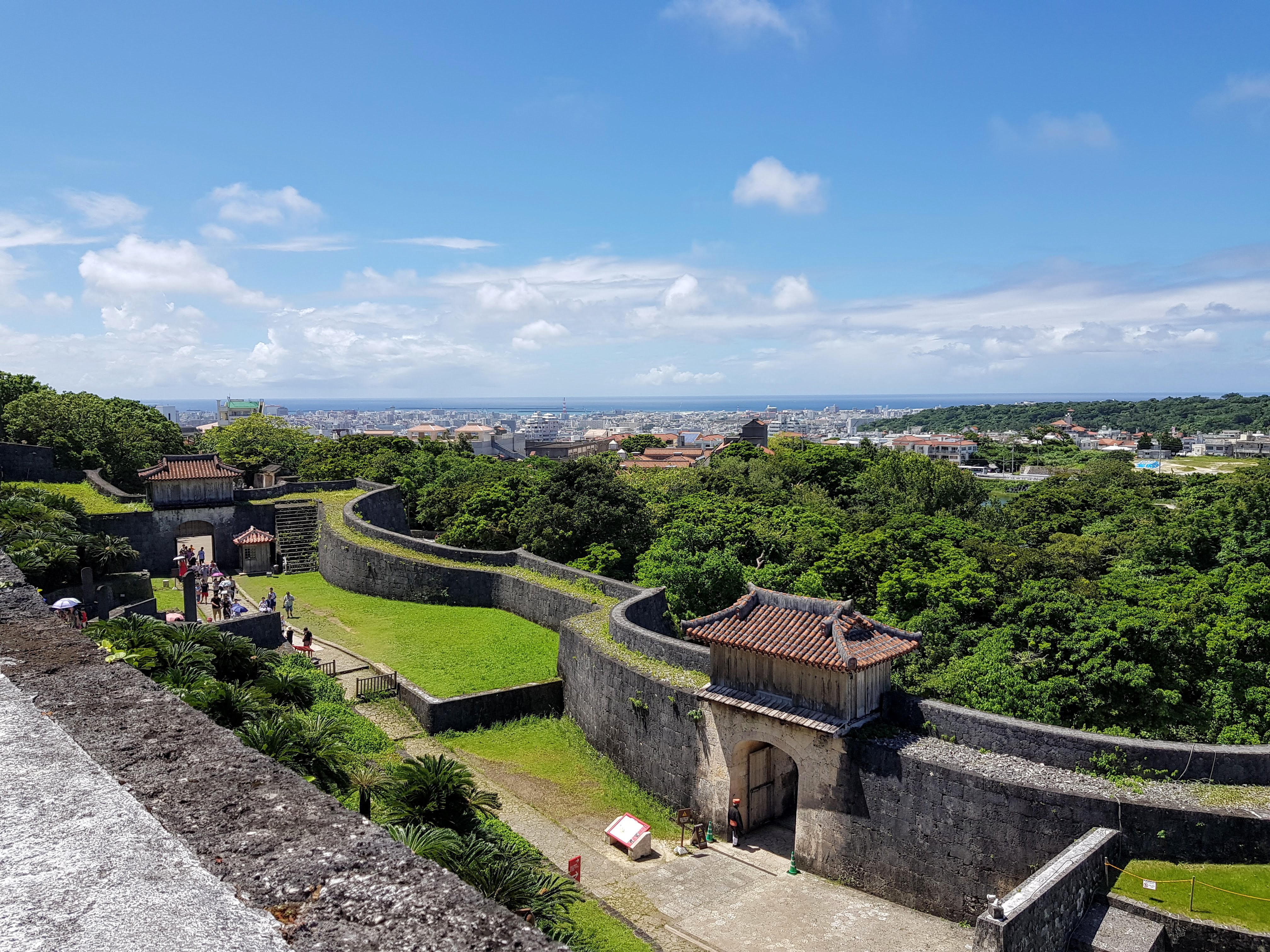
 那霸市(日语:那覇市/なはし Naha shi */?,琉球语:那覇/ナーファ[1] ‧ ナファ[2] Naahwa ‧ Nahwa ?)位于冲绳本岛南部西海岸,是冲绳县县厅所在地和琉球列岛人口最多城市。那霸市是冲绳县的政治、经济、文化中心,并且拥有国际机场那霸机场和连接冲绳县外及附近离岛的那霸港,是冲绳县的玄关。那霸市是日本都道府县厅所在地城市中面积最小的城市,也是日本首都圈和近畿圈之外人口密度最高的地区。
那霸市地处国场川河口,在古代被当地人称为“浮岛”,是国场川、安里川、久茂地川的土砂冲积而成的海湾中的岛屿[7]:172。1451年,尚金福王修筑那霸和崇元寺之间的长虹堤,连接那霸和首里之间的陆路交通[8]。17世纪后期,那霸已经是首里的外港,并形成了那霸四町(西、东、若狭、泉崎)。那霸的久米村地区是中国人居住区,居住在这里的闽人三十六姓在琉球国的贸易发展中发挥重要作用[9]。当时在中国人之间已有“球阳八景”的说法,在葛饰北斋的浮世绘中,也绘有“琉球八景”系列。至琉球国末期时,那霸已因土砂堆积而和琉球本岛连为一体。
沖縄県の政治・経済・文化の中心であり、また国際空港である那覇空港や、県外や周辺離島とを結ぶ那覇港を擁することから沖縄県の玄関口としての役割も担っている。 都道府県庁所在地では、唯一JR線が通らない。
面積は日本の全都道府県庁所在都市の中で最も小さく、人口密度は首都圏と近畿圏と政令市の行政区を除くと全国で最も高い。また、那覇空港が市域面積の8%以上を占め、そのなかには自衛隊を含む。この他在日米軍の施設や那覇港の民間用途の施設の分も考慮に入れると、実際の都市活動に使用できる面積は限られる。さらに、那覇空港の制限表面により、市街地の多くは超高層ビルや超高層マンションを建てることが出来ない[4]。おもろまちを中心とする那覇新都心をはじめとした航空規制の影響がない北部エリアや、再開発事業の一環として旧市街地の牧志・安里地区などに高層ビルが建ち始めている。
都市化に伴って周辺自治体のベッドタウン化が進み、那覇市を中心市とする那覇都市圏の人口は約78万人(都市雇用圏 - 2005年)となっている。なお、地方での人口減少が深刻な問題になっている今日においても那覇市及び那覇市の周辺自治体では人口増加が著しく、2015年12月現在の都市雇用圏人口は約86.1万人(10%流入人口※2010年の国勢調査の結果、北谷町から同都市圏への流入人口が沖縄市都市圏への流入人口を上回った為、都市圏域が北谷町まで広がった。)。さらに那覇市を中心とした沖縄本島中南部圏の人口は面積約482km2(政令指定都市の北九州市とほぼ同じ)に対し人口は約120.4万人(推計人口2015年12月1日現在。広島市とほぼ同じ)を超え、国内でも有数の人口集中地区である。
市の中心部は国場川(漫湖)、及び安里川に囲まれた平地地帯に広がり、那覇市、及び沖縄県の主要施設の多くがそこに立地している。近年では1987年に米軍の牧港住宅地区が全面返還されたことにより、那覇新都心として開発が進み、中心地に置かれていた企業本社などの一部が移転しており、新たな中心部となっている。
また、中心部周囲の丘陵地はほぼ全て市街化(主に住宅地)され、元々の地形の高低から立体的な都市景観を見せる。一時は琉球王国時代の首都でもあった首里地区は海抜100m程度の高台の上に位置し、場所によっては那覇市全域を見渡すことも可能である。
観光面では、市の中心部の国際通り、市東部の高台にある首里地区の首里城(琉球王国の王府。2000年12月に世界遺産・琉球王国のグスク及び関連遺産群として登録)が中心であったが、近年、前述の在日米軍住宅地の跡地が那覇新都心として開発が進んでおり、2004年12月に世界最大規模で国内では唯一の空港外大型免税店であるDFSギャラリア・沖縄がオープンした。東シナ海に面しているが、那覇空港や那覇港などの施設が海岸線のほとんどを占めているため、海水浴場は1991年に供用開始された波の上ビーチ(人工海浜)のみとなっている。名産品として壺屋焼や泡盛などがある。
2006年に中核市指定要件の1つである面積要件が撤廃された事を受け、本市は中核市移行を目指していた[5][6][7]。そして2012年10月19日に行われた閣議により、那覇市を中核市へ指定する政令を決定した[8][9][10] のち、2013年4月1日をもって全国で42番目の中核市に移行した[11]。
Naha (那覇市, Naha-shi, Japanese: [naꜜha], Okinawan: Nāfa[1][2] or Nafa[3]) is the capital city of the Okinawa Prefecture, the southernmost prefecture of Japan.
As of 1 June 2019, the city has an estimated population of 317,405 and a population density of 7,939 persons per km2. The total area is 39.98 km2.
Naha is a city on the East China Sea coast of the southern part of Okinawa Island, the largest of Okinawa Prefecture. The modern city was officially founded on May 20, 1921. Before that, Naha had been for centuries one of the most important and populous sites in Okinawa.
Naha is the political, economic and education center of Okinawa Prefecture. In the medieval and early modern periods,[4] it was the commercial center of the Ryūkyū Kingdom.
Naha (那覇市, Naha-shi), en okinawanais Nāfa, et autrefois Shuri, est la capitale et la ville la plus peuplée de l'île, préfecture et région d'Okinawa, ainsi que de l'archipel Nansei, au Japon.
Naha (那覇市 Naha-shi?) è una città del Giappone meridionale, capoluogo e maggiore centro abitato dell'isola di Okinawa, nonché della Prefettura di Okinawa, nelle isole Ryūkyū. Fondata agli inizi del XV secolo, ha acquisito lo status di città del Giappone nel 1921. Nella zona orientale sorge il castello di Shuri, risalente anch'esso al XV secolo, già residenza reale, sede governativa e religiosa del Regno delle Ryūkyū. Nel dicembre 2012, la popolazione residente era di 319.303 abitanti. Intorno al 1400 Naha era solo un piccolo porto delle isole Okinawa e non era la capitale dell'isola, che era Shuri, oggi divenuto un sobborgo di Naha.
La ciudad de Naha (那覇市 Naha-shi?) es la ciudad capital de la prefectura de Okinawa en Japón. La ciudad actual fue fundada el 20 de mayo de 1921. Sin embargo fue antiguamente uno de los sitios más poblados de las islas Ryukyu y la capital del reino Ryukyu desde principios del siglo XV hasta su abolición en 1879 (para algunos 1872).
Naha es una ciudad costera ubicada en la parte sur de la isla de Okinawa, la mayor de las islas Ryukyu. Su costa se encuentra sobre el mar de China Oriental.
Naha es el centro político, económico y educativo de la prefectura de Okinawa. Durante el período feudal fue también el centro religioso de la dinastía Ryukyu.
На́ха[1] (яп. 那覇市 Наха-си) — центральный город, административный центр и крупнейший город префектуры Окинава Японии. Расположен в южной части острова Окинава, на побережье Восточно-Китайского моря.
 Companies
 World Heritage


平城宫(日语:平城宮/へいじょうきゅう Heijō-kyū */?)是日本于710年迁都奈良后建设于平城京大内中的宫室。位于平城京的北端,现今奈良县奈良市佐纪町、法华寺町与二条大路南。由举行礼仪仪式的朝堂院和官员办公的官衙(役所)组成。迁都平安京后,该宫被放弃,变为农地。在明治时代,当时的建筑史家关野贞于田野中发现了一块高地,后被证实就是大极殿的遗址。平城宫迹(日语:平城宮跡/へいじょうきゅうせき)于1922年被日本政府指定为史迹(后指定为特别史迹)。根据遗迹的发掘成果,朱雀门(1998年竣工)和庭园的复原工程已经完工。并在2010年完成大极殿的复原工程。在1998年12月,以“古都奈良的文化财”而与东大寺等建筑共同列入世界遗产名单,也是日本第一个登入世界遗产的考古遗迹。
Der Heijō-Palast (平城宮, Heijō-kyū) war während des größten Teils der Nara-Zeit die kaiserliche Residenz in der japanischen Hauptstadt Heijō-kyō (dem heutigen Nara). Der Palast, der während des größten Teils der Nara-Periode von 710 bis 794 n. Chr. als kaiserliche Residenz und Verwaltungszentrum diente, befand sich im nördlichen Zentrum der Stadt und entsprach den chinesischen Vorbildern, die für den Entwurf der Hauptstadt verwendet wurden.
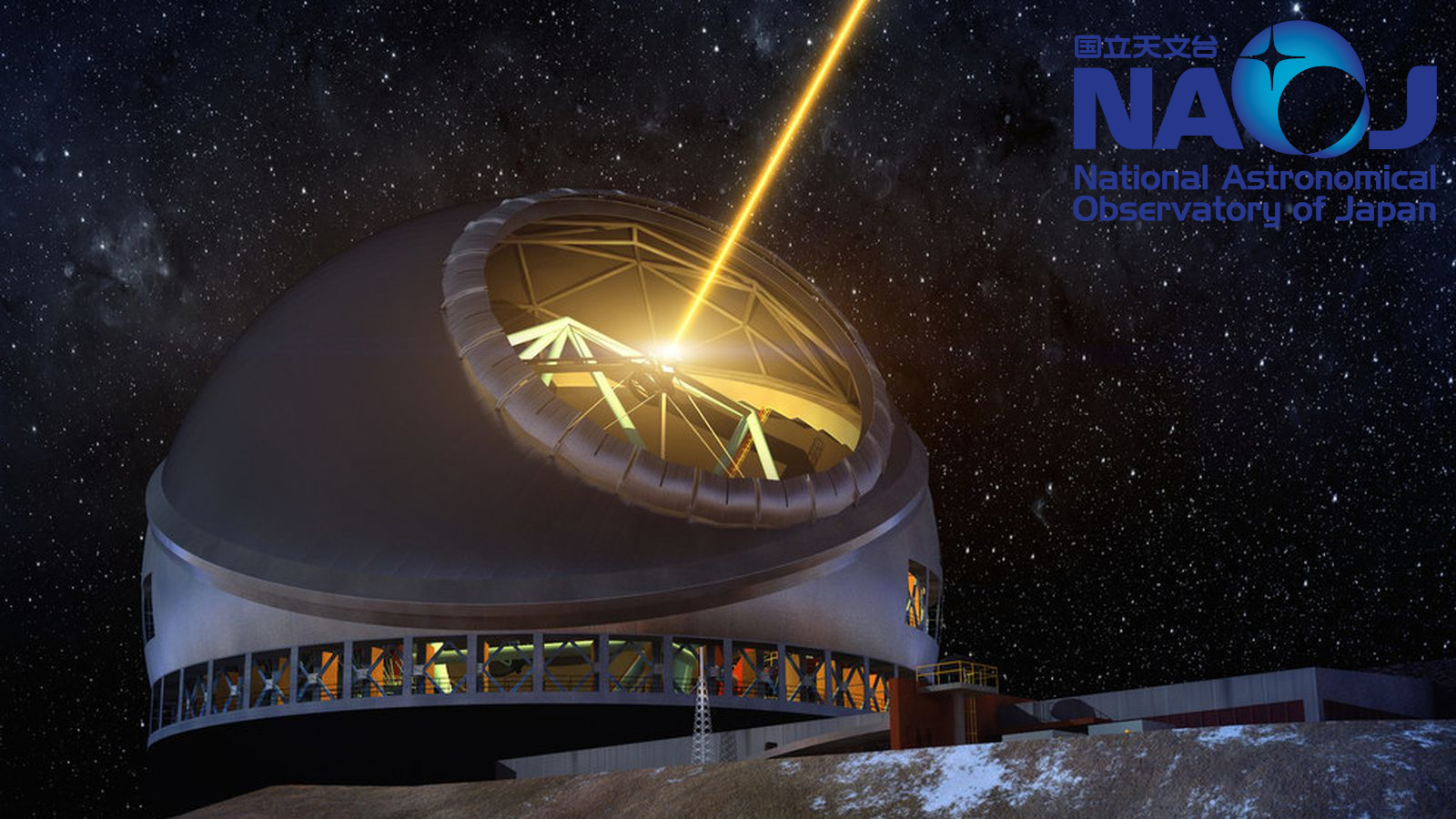
 Astronomy
 Hawaii-HI
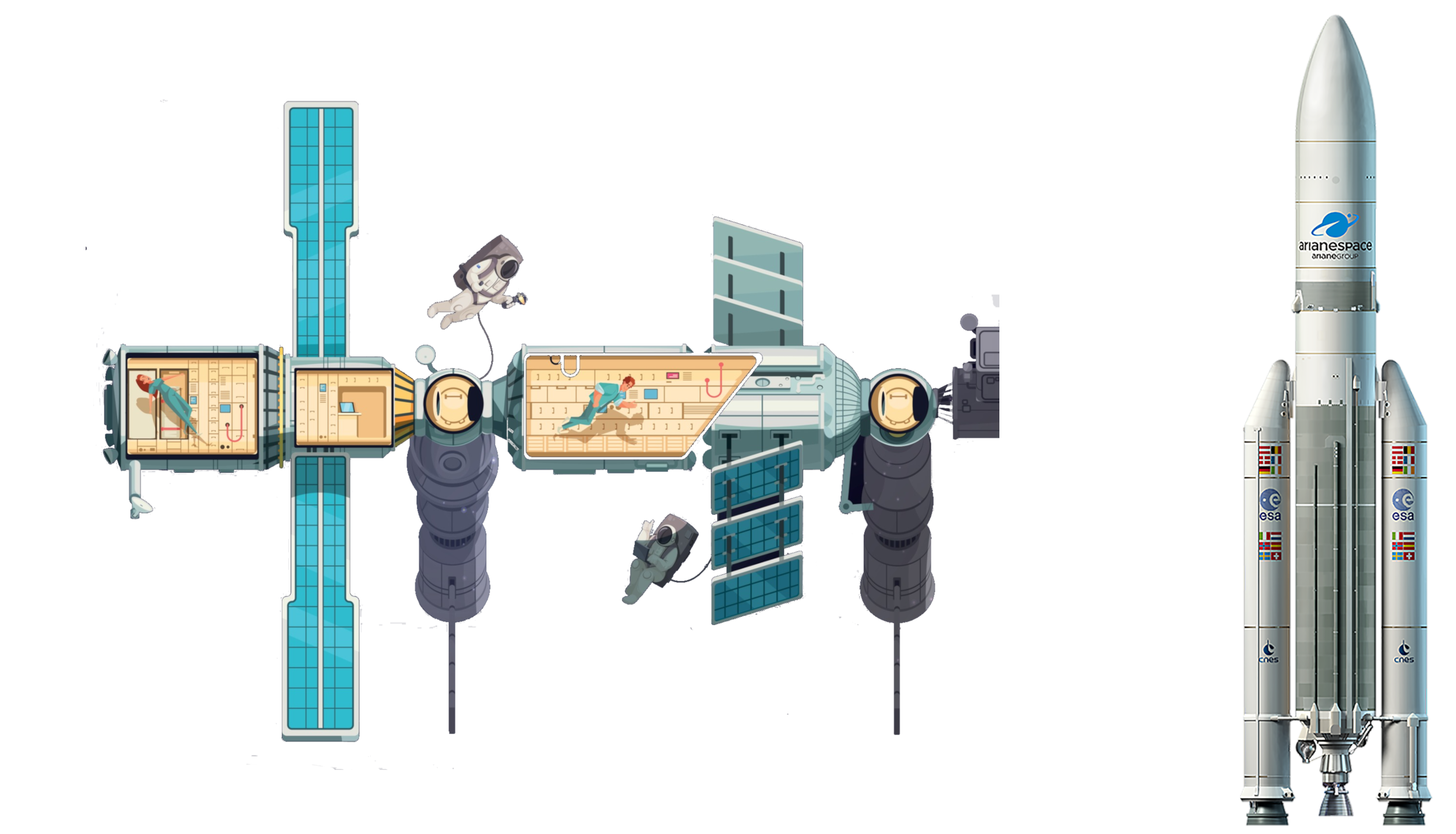 Aerospace
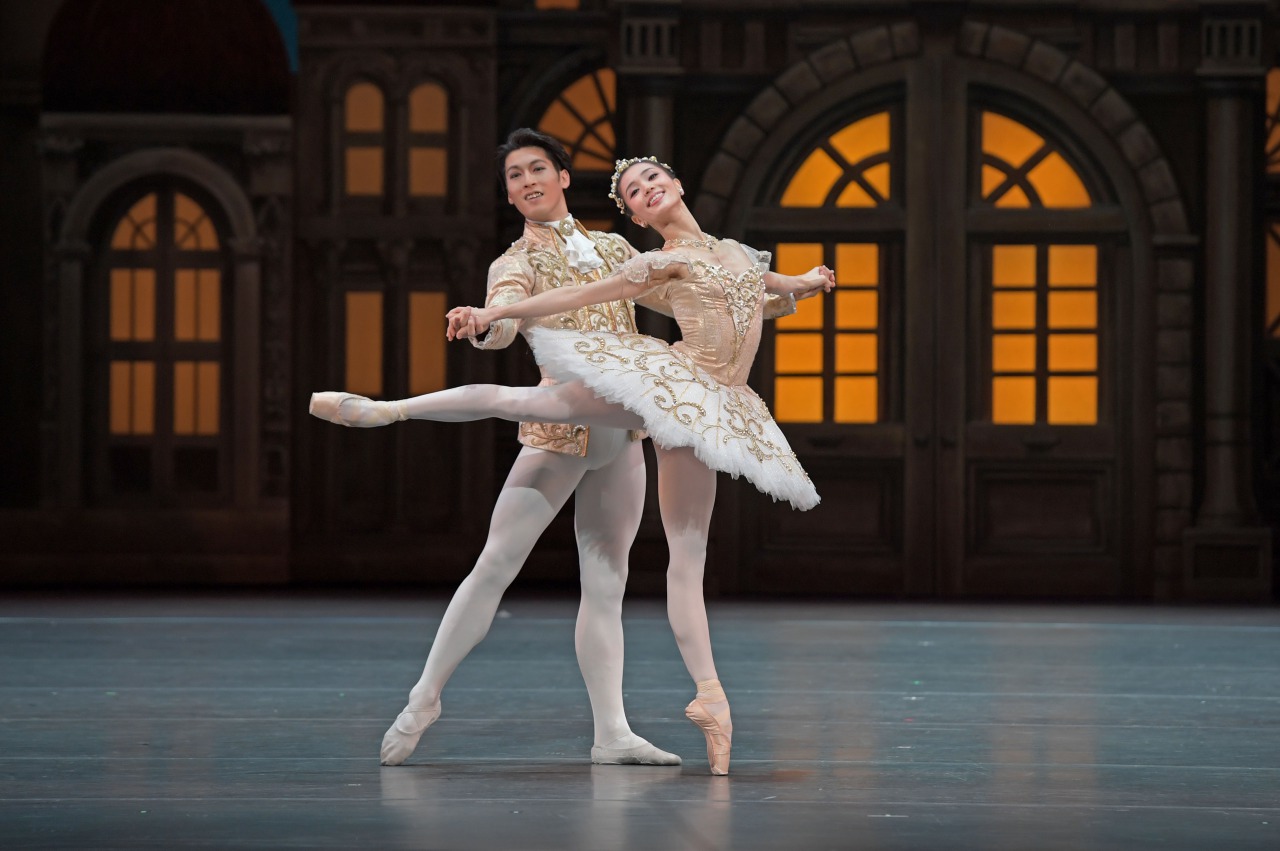
 Dances
 Performing Arts

 IT-Times


 Military, defense and equipment

