Deutsch-Chinesische Enzyklopädie, 德汉百科
 Israel
 International cities

 History
 Religion
 World Heritage
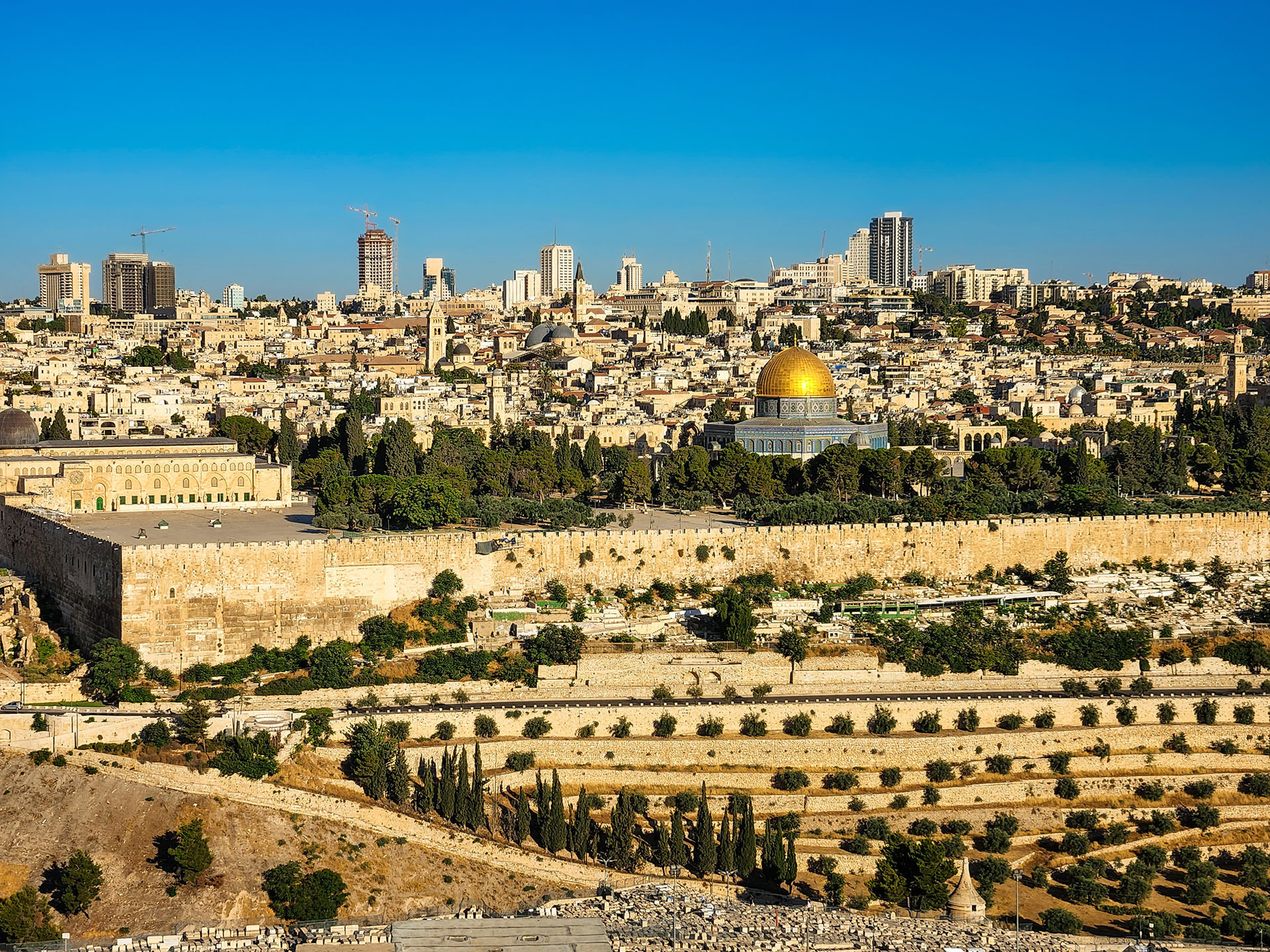

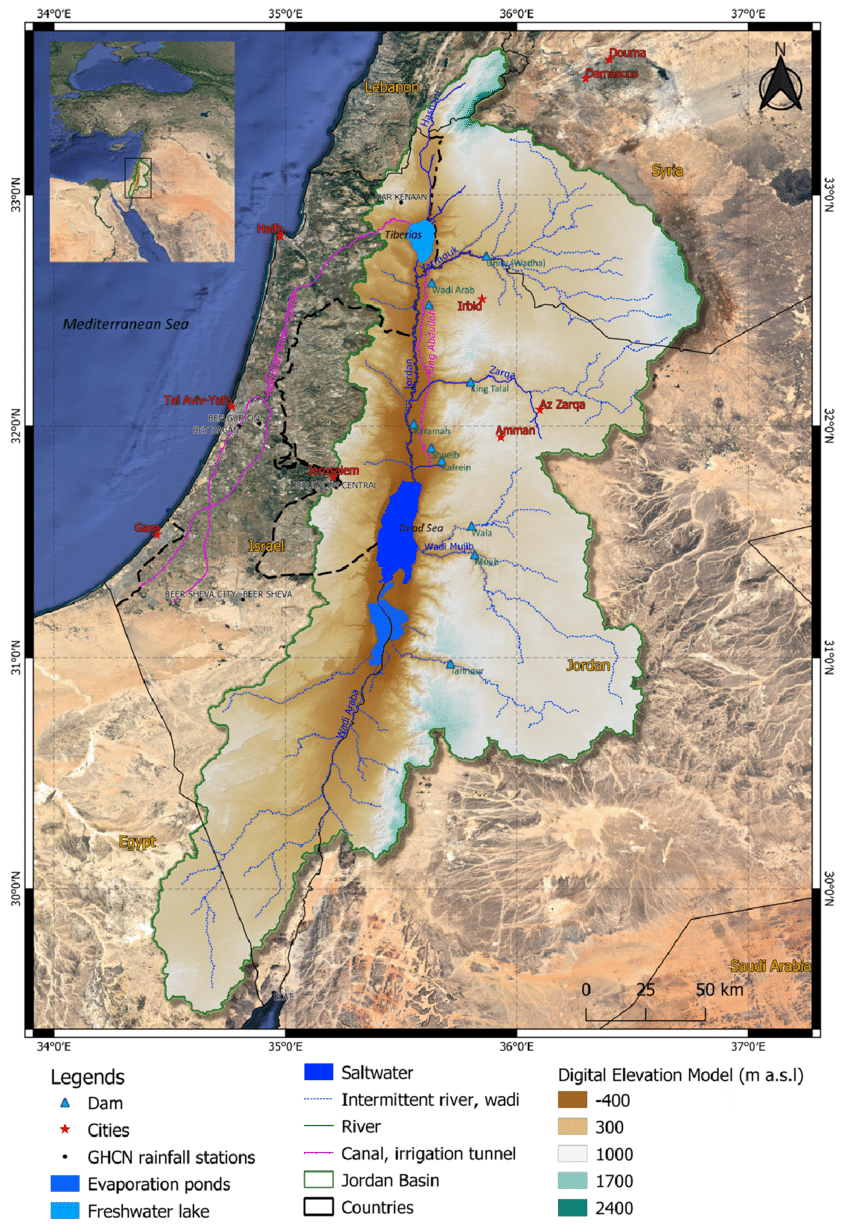
耶路撒冷市 (Jerusalem) 位于巴勒斯坦中部犹地亚山的四座山丘上,是一座举世闻名的历史古城,距今已有5000多年的历史。四周群山环抱,面积158平方公里,由东部旧城和西部新城组成。海拔835米,63.4万(2000年),是以色列最大城市。
耶路撒冷旧城是一座宗教圣城,是犹太教、伊斯兰教和基督教世界三大宗教发源地,三教都把耶路撒冷视为自己的圣地。宗教和传统、历史和神学以及神圣的处所和祈祷的房屋,使耶路撒冷成为备受犹太教徒、基督教徒和穆斯林崇敬的神圣城市。 耶路撒冷所在地最早叫“耶布斯”,这是因为很早以前阿拉伯迦南人的一个名叫“耶布斯”的部落从阿拉伯半岛迁徙到这里定居下来,修建村庄,构筑城堡,并以部 落的名字命名此地。后来,迦南人又在这里修建城市,并定名为“尤罗萨利姆”。大约在公元前一千年左右,犹太王国创始人大卫征服了这个地方,将它作为犹太王 国的都城,继续沿用“尤罗萨利姆”的名称,为使它希伯莱化,称为“尤罗萨拉姆”。 中文以此译为“耶路撒冷”,意为“和平之城”。阿拉伯人称该城为“古德斯”,即“圣城”。 (Quelle: www.mjjq.com/)
耶路撒冷(希伯来语: יְרוּשָׁלַיִם,拉丁化:Yerushaláyim;阿拉伯语: القُدس,拉丁化:al-Quds,汉译:古都斯或古德斯,意为“神圣的”;唐朝时期的景教徒曾根据叙利亚语“Ūrišlem”译作乌梨师敛[2][3])为以色列和巴勒斯坦境内的一座城市,位于地中海和死海之间,是古代巴勒斯坦中部的全球宗教重镇,也是完整保留人类信仰文明演进史的一个历史城市。耶路撒冷同时是犹太教、基督教和伊斯兰教三大亚伯拉罕宗教(或称“三大天启宗教”)的圣地。自公元前10世纪,所罗门王建成第一圣殿起,耶路撒冷一直是犹太教信仰的中心和最神圣的城市[4],昔日圣殿的遗迹西墙,仍是犹太教最神圣的所在。基督徒也相当重视耶路撒冷,因为根据《圣经》记载,耶稣在这里受难、埋葬、复活、升天。伊斯兰教亦将耶路撒冷列为麦加、麦地那之后的第三圣地,以纪念穆罕默德的夜行登霄[5],并在圣殿山上建造2座清真寺——阿克萨清真寺和圆顶清真寺来纪念这一事件。
自1967年第三次中东战争之后,以色列控制了全部的耶路撒冷地区,包括西耶路撒冷和东耶路撒冷,以及老城区。以色列和巴勒斯坦都声称耶路撒冷是他们的首都,因为以色列坚称这里是他们主要的政府机构,而巴勒斯坦则称预见这座城市是他们的政权所在地。不过,这两个声称在国际社会上都没有得到广泛的承认,认为该市的最终地位尚未确定,有待以色列和巴勒斯坦双方谈判决定。多数国家都将大使馆设在特拉维夫[6][7]。今天耶路撒冷仍然是以巴冲突的中心。以色列现行政区划上设耶路撒冷区,面积652平方公里,只有一个分区,即耶路撒冷分区。
2006年,耶路撒冷市区面积为126平方公里,人口约724,000人,这两项指标均居以色列和巴勒斯坦各城市之首[8][9][10]。
今天的耶路撒冷,是一个对比强烈的城市,不同文化、不同宗教、不同民族、社会不同阶层,同处一城;城市的东西两部分截然不同,发展水平悬殊。老城雅法门以西的西耶路撒冷(1967年以前属于以色列的市区)是现代以色列的核心地带(如果再继续向西数十公里,就是以特拉维夫为中心的“古什·但”区域),而老城及其东、北、南三面的东耶路撒冷(1967年后以色列占领的争议区域)则以巴勒斯坦人为主。最特别的地方是面积只有1平方公里,被一圈城墙所围绕的耶路撒冷老城[11],其中又分为4个宗教与种族聚居区:犹太区、基督徒区、亚美尼亚区和穆斯林区。耶路撒冷最重要的也引起重大争议的宗教圣地,均位于此处:犹太教的西墙和圣殿山、穆斯林的圆顶清真寺和阿克萨清真寺,以及基督徒的圣墓教堂和苦路。
Jerusalem (hebräisch  ירושלים?/i, Jeruschalajim [jeʁuʃa'lajim]; arabisch القدس al-Quds ‚die Heilige‘; altgriechisch Ἱεροσόλυμα Hierosólyma [n. pl.], oder Ἰερουσαλήμ Ierousalḗm [f., indecl.]; lateinisch Hierosolyma [n. pl. oder f. sg.], Hierosolymae [f. pl.], Hierusalem oder Jerusalem [n., indecl.]) ist eine Stadt in den judäischen Bergen zwischen Mittelmeer und Totem Meer mit rund 882.000 Einwohnern.
In Jerusalem begegnen sich viele Kulturen der Antike und Moderne. Die Altstadt ist in das muslimische, jüdische, christliche und armenische Viertel gegliedert und von einer Mauer umgeben.
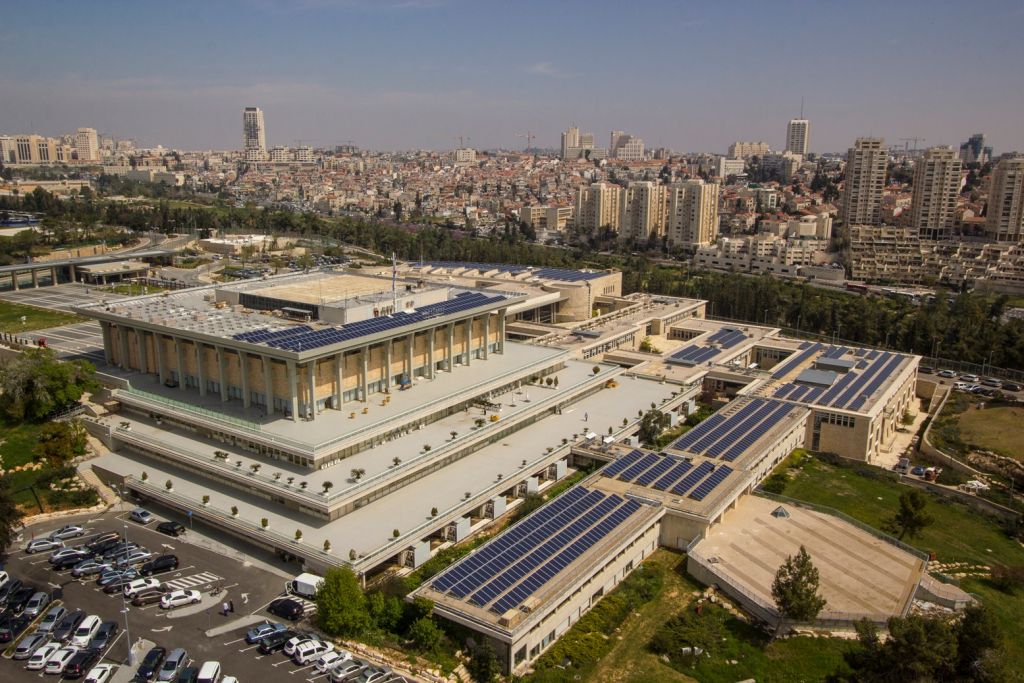
Der politische Status der Stadt ist international umstritten und Teil des Nahostkonflikts. Jerusalem wurde von Israel, das das gesamte Stadtgebiet kontrolliert, als seine Hauptstadt deklariert. Der Staat Palästina beansprucht Ost-Jerusalem als seine Hauptstadt. In Jerusalem befinden sich der Sitz des Staatspräsidenten, die Knesset und das Oberste Gericht als Teil des politischen Systems Israels, die 1918 gegründete Hebräische Universität sowie die Holocaustgedenkstätte Yad Vashem und der Israel National Cemetery. Ostjerusalem, das bedeutende religiöse Stätten des Judentums, Christentums und des Islam beherbergt, wird von gemäßigteren Palästinenser-Organisationen jedoch als Hauptstadt eines zukünftigen palästinensischen Staates beansprucht, während radikalere Palästinenser-Organisationen die gesamte Stadt als Hauptstadt fordern.
エルサレムまたはイェルサレムは、イスラエルおよびパレスチナ自治区にある都市。
イスラエルはエルサレムが自国の「首都」であると宣言しているものの、国際連合など国際社会はこれを認めておらず[1][2]、イスラエルの首都はテルアビブであるとみなし[1][2]ている。したがって、イスラエルと国交を持つ諸国も、大使館や領事館はエルサレムでなくテルアビブに置いてきた。ただし、2017年になってアメリカ合衆国のドナルド・トランプ大統領はエルサレムをイスラエルの首都であると明言[1][2]。2018年5月、アメリカ大使館をテルアビブからエルサレムに移転させた[3]。
Jerusalem (/dʒəˈruːsələm/; Hebrew: יְרוּשָׁלַיִם Yerushaláyim; Arabic: القُدس al-Quds)[note 2] is a city in the Middle East, located on a plateau in the Judaean Mountains between the Mediterranean and the Dead Sea. It is one of the oldest cities in the world, and is considered holy to the three major Abrahamic religions—Judaism, Christianity, and Islam. Both Israel and the Palestinian Authority claim Jerusalem as their capital, as Israel maintains its primary governmental institutions there and the State of Palestine ultimately foresees it as its seat of power; however, neither claim is widely recognized internationally.[note 3][8]
During its long history, Jerusalem has been destroyed at least twice, besieged 23 times, attacked 52 times, and captured and recaptured 44 times.[9] The part of Jerusalem called the City of David was settled in the 4th millennium BCE.[10] Jerusalem was named as "Urusalim" on ancient Egyptian tablets, probably meaning "City of Shalem" after a Canaanite deity, during the Canaanite period (14th century BCE). During the Israelite period, significant construction activity in Jerusalem began in the 9th century BCE (Iron Age II), and in the 8th century the city developed into the religious and administrative center of the Kingdom of Judah.[11] In 1538, the city walls were rebuilt for a last time around Jerusalem under Suleiman the Magnificent. Today those walls define the Old City, which has been traditionally divided into four quarters—known since the early 19th century as the Armenian, Christian, Jewish, and Muslim Quarters.[12] The Old City became a World Heritage Site in 1981, and is on the List of World Heritage in Danger.[13] Since 1860 Jerusalem has grown far beyond the Old City's boundaries. In 2015, Jerusalem had a population of some 850,000 residents, comprising approximately 200,000 secular Jewish Israelis, 350,000 Haredi Jews and 300,000 Palestinians.[14][note 4] In 2011, the population numbered 801,000, of which Jews comprised 497,000 (62%), Muslims 281,000 (35%), Christians 14,000 (around 2%) and 9,000 (1%) were not classified by religion.[16]
According to the Bible, King David conquered the city from the Jebusites and established it as the capital of the united kingdom of Israel, and his son, King Solomon, commissioned the building of the First Temple.[note 5] These foundational events, straddling the dawn of the 1st millennium BCE, assumed central symbolic importance for the Jewish people.[18][19] The sobriquet of holy city (עיר הקודש, transliterated ‘ir haqodesh) was probably attached to Jerusalem in post-exilic times.[20][21][22] The holiness of Jerusalem in Christianity, conserved in the Septuagint[23] which Christians adopted as their own authority,[24] was reinforced by the New Testament account of Jesus's crucifixion there. In Sunni Islam, Jerusalem is the third-holiest city, after Mecca and Medina.[25][26] In Islamic tradition, in 610 CE it became the first qibla, the focal point for Muslim prayer (salat),[27] and Muhammad made his Night Journey there ten years later, ascending to heaven where he speaks to God, according to the Quran.[28][29] As a result, despite having an area of only 0.9 square kilometres (0.35 sq mi),[30] the Old City is home to many sites of seminal religious importance, among them the Temple Mount with its Western Wall, Dome of the Rock and al-Aqsa Mosque, and the Church of the Holy Sepulchre. Outside the Old City stands the Garden Tomb.
Today, the status of Jerusalem remains one of the core issues in the Israeli–Palestinian conflict. During the 1948 Arab–Israeli War, West Jerusalem was among the areas captured and later annexed by Israel while East Jerusalem, including the Old City, was captured and later annexed by Jordan. Israel captured East Jerusalem from Jordan during the 1967 Six-Day War and subsequently annexed it into Jerusalem, together with additional surrounding territory.[note 6] One of Israel's Basic Laws, the 1980 Jerusalem Law, refers to Jerusalem as the country's undivided capital. All branches of the Israeli government are located in Jerusalem, including the Knesset (Israel's parliament), the residences of the Prime Minister (Beit Aghion) and President (Beit HaNassi), and the Supreme Court. While the international community rejected the annexation as illegal and treats East Jerusalem as Palestinian territory occupied by Israel,[34][35][36][37] Israel has a stronger claim to sovereignty over West Jerusalem.[38][39]
Jérusalem /ʒe.ʁy.za.lɛm/ (ou Salem, également nommée Hiérosolyme ou Solyme en ancien français ; יְרוּשָׁלַיִם Yerushaláyim en hébreu [dénomination israélienne officielle] ; arabe : القدس al Quds ou اورشليم Ûrshalîm [dénomination israélienne officielle en arabe]) est une ville du Proche-Orient que les Israéliens ont érigée en capitale, que les Palestiniens souhaiteraient comme capitale et qui tient une place centrale dans les religions juive, chrétienne et musulmane.
La ville s’étend sur 126 km2 pour une population de 901 300 habitants en 20171. La ville, chef-lieu du district de Jérusalem, est cosmopolite : s'y mêlent de nombreuses religions, peuples, groupes socio-économiques. La partie nommée vieille ville, entourée de remparts, est constituée de deux quartiers à dominante arabe, dits quartier chrétien et quartier musulman, ainsi que d’un quartier à dominante arménienne et d’un quartier à dominante juive.
Gerusalemme (AFI: /ʤeruzaˈlɛmme/[2][3]; in ebraico: יְרוּשָׁלַיִם?, Yerushalayim, Yerushalaim e/o Yerushalaym ascolta[?·info]; in arabo: القُدس, al-Quds, "la (città) santa"[4], sempre in arabo: أُورْشَلِيم, Ūrshalīm, in greco Ιεροσόλυμα, Ierosólyma, in latino Hierosolyma o Ierusalem, per antonomasia è definita "La Città Eterna"[5]), capitale giudaica tra il X e il VI secolo a.C.[6], è la capitale contesa di Israele e città santa nell'Ebraismo, nel Cristianesimo e nell'Islam. Si trova sull'altopiano che separa la costa orientale del Mar Mediterraneo dal Mar Morto, a est di Tel Aviv, a sud di Ramallah, a ovest di Gerico e a nord di Betlemme.
La Città Vecchia e le sue mura, considerate patrimonio dell'umanità dall'UNESCO, racchiudono in meno di un chilometro quadrato molti luoghi di grande significato religioso come il Monte del Tempio, il Muro del pianto, la Basilica del Santo Sepolcro, la Cupola della Roccia e la Moschea al-Aqsa. Nel corso della sua storia Gerusalemme è stata distrutta e ricostruita due volte ed è stata assediata, conquistata e riconquistata in decine di occasioni.
La parte orientale di Gerusalemme è stata occupata[7] dallo Stato di Israele nel 1967, e nel 1980 il parlamento israeliano approvò una legge fondamentale (l'equivalente di un emendamento costituzionale) che proclamava unilateralmente "Gerusalemme, unita e indivisa [...]".[8] Il Consiglio di sicurezza delle Nazioni Unite nella risoluzione 478 ha definito la legge nulla e priva di validità[9], una violazione del diritto internazionale[10] e un serio ostacolo al raggiungimento della pace in Medio Oriente[11][12].
Jerusalén (en hebreo, יְרוּשָׁלַיִם Yerushaláyim (?·i); en árabe, القـُدْس al-Quds (?·i)) es la capital de Israel y su ciudad más grande y poblada, con 865 7004 residentes en un área de 125,1 kilómetros cuadrados.2 Los asentamientos más antiguos en Jerusalén son del V milenio a. C. y es una de las ciudades más antiguas del mundo.5 Jerusalén tiene un profundo significado religioso para el cristianismo, el judaísmo y el islam. Geográficamente, se sitúa en los montes de Judea, entre el mar Mediterráneo y la ribera norte del mar Muerto, y se ha extendido bastante más allá de los límites de la Ciudad Vieja.
El estatus de la parte oriental de la ciudad, conquistada en 1967 por Israel, se encuentra disputado, ya que en este sector —referido habitualmente como Jerusalén Este o Jerusalén Oriental, que incluye la Ciudad Vieja— es donde el Estado de Palestina pretende establecer su capital. Israel discute las reclamaciones palestinas y, tras la Guerra de los Seis Días, considera la ciudad como un todo unificado y un mismo municipio, declarándola como su capital "eterna e indivisible" mediante la Ley de Jerusalén en 1980. Esta anexión ha provocado un amplio rechazo en la comunidad internacional, materializado en la resolución 478 del Consejo de Seguridad de la ONU, que la consideró contraria al Derecho Internacional,6 y en señal de protesta por este acto unilateral los Estados miembros de las Naciones Unidas acabaron por trasladar sus embajadas a Tel Aviv, tal como pedía la resolución.
Jerusalén fue habitada por los jebuseos antes de la llegada de las tribus hebreas a Canaán a principios del siglo XIII a. C. Históricamente, y según la tradición, fue la antigua capital del Reino de Israel y del Reino de Judá, y siglos más tarde del reino franco de Jerusalén.7
La Ciudad Vieja de Jerusalén fue declarada Patrimonio de la Humanidad por la Unesco en 1981.
Иерусали́м (ивр. יְרוּשָׁלַיִם Йерушала́(й)им (audio) (инф.), араб. القُدس аль-К̣удс[комм. 1], أورشليم Ӯршалӣм (Ӯрушалӣм)[комм. 2], أورشليم القدس, Ӯршалӣм-аль-К̣удс[комм. 3] (audio) (инф.)) — столица Израиля[3][4][5][6][7], город на Ближнем Востоке. Расположен на плато в Иудейских горах на водоразделе между Средиземным и Мёртвым морями, на высоте 650—840 м над уровнем моря; климат средиземноморский, с жарким, сухим летом и мягкой, влажной зимой. Город является священным для трёх крупнейших авраамических религий — иудаизма, христианства и ислама. Населён представителями множества национальных, этнических и религиозных деноминаций; численность населения Иерусалима (без пригородов) составляет 865 721 жителей.
23 января 1950 года Кнессет (Израильский парламент) провозгласил Иерусалим столицей Государства Израиль[8]; с 1967 года в результате Шестидневной войны Израиль стал контролировать всю территорию города: как Западный Иерусалим, так и Восточный. В 1980 году Кнессет провозгласил Иерусалим единой и неделимой столицей Израиля[3][9]. Израильский суверенитет над восточной частью города[10] и статус всего Иерусалима как столицы Израиля не признаны значительной частью международного сообщества[11][12][13], которое относится к Восточному Иерусалиму как к палестинской территории, оккупированной Израилем[14][15][16][17]. Статус Иерусалима остаётся одной из центральных тем палестино-израильского конфликта.
Иерусалим является одним из древнейших городов мира: первые поселения датируются IV тысячелетием до н. э. В XI веке до н. э. город был занят евреями и провозглашён столицей Израильского царства, а с X века до н. э. — Иудейского. После распада Римской империи Иерусалим отошёл к Византии. С этого момента начинается христианизация города. C захватом в 639 году арабским халифом Умаром ибн Хаттабом город начинает приобретать мусульманский облик. В 1099—1187 и 1229—1244 годах Иерусалим был под властью крестоносцев.
В 1538 году при Сулеймане Великолепном вокруг Иерусалима были построены стены. Сегодня эти стены определяют границы Старого города, который традиционно разделяется на четыре квартала, известные с начала XIX века как Армянский, Христианский, Еврейский и Мусульманский кварталы[18]. В 1981 г. Старый город стал объектом Всемирного наследия, и включён в Список всемирного наследия, находящегося под угрозой[19]. Современный Иерусалим разросся далеко за пределы границ Старого города.
Исторически в основе экономики города лежит его привлекательность для паломников и светских туристов. Однако всё большую роль в экономике Иерусалима играют современные высокотехнологичные предприятия; в 2005 году город признан одним из пяти наиболее динамично развивающихся технологических центров планеты. В Иерусалиме также расположены многие художественные и культурные площадки, в том числе всемирно известный Музей Израиля. Город является государственным телерадиовещательным центром страны. Основанный в 1925 г. Еврейский университет в Иерусалиме входит в первые две сотни учебных заведений мира.
 Transport and traffic

 Literature

 Party and government

 Geography
 Art
Art
犹太教(希伯来语:יהדות Yahadut),中文曾俗称挑筋教[注 1]或一赐乐业教,是在公元前西亚地区的游牧民族希伯来人中产生的,是犹太人的信仰、价值观和生活方式。犹太教是一神论的宗教,其主要经典是包括妥拉(摩西五经)在内的塔纳赫(即希伯来圣经,基督教称为旧约圣经),以及包括口传律法(密西拿)、口传律法注释(革马拉)以及圣经注释(米德拉什)在内的塔木德,对信奉犹太教的犹太人而言,犹太教是上帝和以色列人立约的关系[1]。
犹太人是一种宗教及种族结合的群体[2],包括生来就是犹太人,或是皈依犹太教的人。在2012年时,犹太人人口估计共1400万,约占世界总人口的0.2%[3]。其中42%住在以色列,其余42%住在美国和加拿大,剩下的大部分住在欧洲,其余的住在南美、亚洲、非洲及澳洲[4]。
犹太教崇拜独一的真神(一神信仰,希伯来语:יהוה),是希伯来人内部的民族宗教。犹太教认为《塔木德》是仅次于《希伯来圣经》的经籍。当亚历山大大帝征服希伯来人的犹太原居地后,希伯来人也易名为犹太人并散落到希腊帝国各处,公元前3世纪,希腊化的埃及托勒密王朝君主托勒密二世,召集70多位懂希腊语的犹太人,集中整理犹太教文献并译成希腊语,即目前基督教使用的希腊语圣经中的旧约全书部分,所谓七十士译本。后来犹太国被罗马帝国彻底摧毁,犹太教位于耶路撒冷的圣殿被拆毁,只留下一段残破的西墙(俗称哭墙),犹太人散落到欧亚各地。
历史上,犹太人在世界各地面对多次毁灭性的灾难和逼害。犹太人由于两千多年一直分散在世界各地,语言、文字已经分化,只是靠着统一的宗教及文化维系其单一的民族性。
基督宗教方面,由于新约圣经记载犹太人逼害基督徒,且杀害耶稣基督,尽管早年的基督徒也是犹太人,只是后来使徒保罗(圣保罗)等把基督教传至罗马帝国,信仰基督教的人远多于犹太人。
天主教会及正教会在逾千年历史一直迫害犹太人,教宗若望·保禄二世在1992年,承认天主教会对抗及歧视犹太人,造成了他们逾承受苦难昀历史。
部分犹太人向往自己民族的辉煌历史。19世纪,犹太复国主义(锡安主义)思潮兴起,各地犹太人以买地,驱赶,掠夺等手段陆续回到巴勒斯坦,建立以色列这个世界上唯一犹太国家。
由于在遵守方式和程度的差异,现今的犹太教主要有三大派系,分别是正统派、保守派及改革派。在三大派系之外,卡拉派也是犹太教的组成部分,可萨人信奉的就是卡拉派,目前卡拉派在以色列约有40000名信徒。
一些宗教学者将犹太教、基督教和伊斯兰教通称为亚伯拉罕诸教,因为三者均奉旧约中的亚伯拉罕为他们的先知。
Unter Judentum (von griechisch ἰουδαϊσμός ioudaismos, hebräisch יהדות Jahadut) versteht man einerseits die Religion, die Traditionen und Lebensweise, die Philosophie und meist auch die Kulturen der Juden (Judaismus) und andererseits die Gesamtheit der Juden.[1]
Die jüdische Religion, die als „ethischer Monotheismus“ umschrieben wird,[2] ist die älteste der monotheistischen abrahamitischen Religionen. Sie hat eine Geschichte von mehr als 3000 Jahren, in denen sie sich entwickelt hat.
Man unterscheidet zwischen aschkenasischem und sephardischem Judentum, seit dem Durchbruch der jüdischen Aufklärung gibt es zusätzlich religiöse Unterteilungen in Reformjudentum, konservatives und liberales Judentum sowie orthodoxes Judentum mit verschiedenen Strömungen.
Grundlage des Judentums ist die Torah (hier deutsch „Gesetz“),[3] das sind die fünf Bücher Moses, die den für das Judentum wichtigsten Teil der hebräischen Bibel (Tanach) bilden, sowie die die Torah erläuternden rabbinischen Schriften, die traditionellerweise als „mündliche Torah“ bezeichnet werden.
Im Jahr 2010 lebten weltweit etwa 13,5 bis 15 Millionen Juden, die meisten in Israel und in den Vereinigten Staaten von Amerika. 10 bis 15 Prozent davon werden der jüdischen Orthodoxie zugerechnet.
ユダヤ教(ユダヤきょう、ヘブライ語: יהדות[1])は、古代の中近東で始まった唯一神ヤハウェ(יהוה)を神とし、選民思想やメシア(救世主)信仰などを特色とするユダヤ人の民族宗教である。ただしメシア思想は、現在ではハバド・ルバヴィッチ派などを除いて中心的なものとなっていない。 『タナハ』(キリスト教の『旧約聖書』に当たる書物)が重要な聖典とされる。
『タナハ』 (ヘブライ語ラテン文字転記:tanakh)、『ミクラー』 (miqra') と呼ばれる書を聖典とする。これはキリスト教の『旧約聖書』に当たる書物である。ただし、成立状況が異なるので、キリスト教とは書物の配列が異なる。イスラム教でも『モーセ五書』は『コーラン』に次いで重要視される。ユダヤ教では、この他にタルムードをはじめとしたラビ文学も重視する
しかし、ユダヤ教は信仰、教義そのもの以上に、その前提としての行為・行動の実践と学究を重視し、キリスト教、特にルター主義とは違う[2]。例えば、ユダヤ教の観点からは、信仰を持っていたとしても、アミーダー・アーレーヌー・ムーサーフなどを含んだシャハリート・ミンハー・マアリーブを行わないこと、シェマア・イスラーエールを唱えないこと、ミクラーを読まないこと、食事の前とトイレの後の手洗いと祈りを行わないこと、戸口のメズーザーに手を当てて祈りを行わないこと、カシュルートを実行しないこと、タルムード・トーラー、ベート・ミドラーシュ、イェシーバー、コーレールなどミクラーとラビ文学の研究を行わないこと、シャッバートを行わないこと、パーラーシャーを読まないことなどは、ユダヤ教徒としてあるべき姿とは言えない。「信じるものは救われる」などという講義をするラビはとても考えられない。そのため改宗にも時間がかかり、単なる入信とは大きく異なる[3]。
Judaism (originally from Hebrew יהודה, Yehudah, "Judah";[1][2] via Latin and Greek) is the religion of the Jewish people. It is an ancient, monotheistic, Abrahamic religion with the Torah as its foundational text.[3] It encompasses the religion, philosophy, and culture of the Jewish people.[4] Judaism is considered by religious Jews to be the expression of the covenant that God established with the Children of Israel.[5] Judaism encompasses a wide body of texts, practices, theological positions, and forms of organization. The Torah is part of the larger text known as the Tanakh or the Hebrew Bible, and supplemental oral tradition represented by later texts such as the Midrash and the Talmud. With between 14.5 and 17.4 million adherents worldwide,[6] Judaism is the tenth largest religion in the world.
Within Judaism there are a variety of movements, most of which emerged from Rabbinic Judaism, which holds that God revealed his laws and commandments to Moses on Mount Sinai in the form of both the Written and Oral Torah.[7] Historically, this assertion was challenged by various groups such as the Sadducees and Hellenistic Judaism during the Second Temple period; the Karaites and Sabbateans during the early and later medieval period;[8] and among segments of the modern non-Orthodox denominations. Modern branches of Judaism such as Humanistic Judaism may be nontheistic.[9] Today, the largest Jewish religious movements are Orthodox Judaism (Haredi Judaism and Modern Orthodox Judaism), Conservative Judaism, and Reform Judaism. Major sources of difference between these groups are their approaches to Jewish law, the authority of the Rabbinic tradition, and the significance of the State of Israel.[10] Orthodox Judaism maintains that the Torah and Jewish law are divine in origin, eternal and unalterable, and that they should be strictly followed. Conservative and Reform Judaism are more liberal, with Conservative Judaism generally promoting a more traditionalist interpretation of Judaism's requirements than Reform Judaism. A typical Reform position is that Jewish law should be viewed as a set of general guidelines rather than as a set of restrictions and obligations whose observance is required of all Jews.[11][12] Historically, special courts enforced Jewish law; today, these courts still exist but the practice of Judaism is mostly voluntary.[13] Authority on theological and legal matters is not vested in any one person or organization, but in the sacred texts and the rabbis and scholars who interpret them.[14]
The history of Judaism spans more than 3,000 years.[15] Judaism has its roots as an organized religion in the Middle East during the Bronze Age.[16] Judaism is considered one of the oldest monotheistic religions.[17][18] The Hebrews and Israelites were already referred to as "Jews" in later books of the Tanakh such as the Book of Esther, with the term Jews replacing the title "Children of Israel".[19] Judaism's texts, traditions and values strongly influenced later Abrahamic religions, including Christianity, Islam and the Baha'i Faith.[20][21] Many aspects of Judaism have also directly or indirectly influenced secular Western ethics and civil law.[22][page needed] Hebraism was just as important a factor in the ancient era development of Western civilization as Hellenism, and Judaism, as the background of Christianity, has considerably shaped Western ideals and morality since Early Christianity.[23]
Jews are an ethnoreligious group[24] including those born Jewish, in addition to converts to Judaism. In 2015, the world Jewish population was estimated at about 14.3 million, or roughly 0.2% of the total world population.[25] About 43% of all Jews reside in Israel and another 43% reside in the United States and Canada, with most of the remainder living in Europe, and other minority groups spread throughout Latin America, Asia, Africa, and Australia.[25]
Le judaïsme (du grec Ιουδαϊσμός, yiddish : יידישקייט yiddishkeit, ladino : ג’ודאיסמו Djudaismo, allemand : Judentum, hébreu : יהדות yahadout) est variablement défini comme « une forme de vie religieuse dont la caractéristique essentielle est la croyance à un Être suprême, auteur — de quelque manière qu'on conçoive son action — de l'univers qu'il gouverne par sa providence »1, ou comme « la religion des Juifs, ainsi que la théologie, la loi et les traditions culturelles du peuple juif »2, ou comme « une religion […], une culture — résultat ou fondement de la religion, mais ayant un devenir propre, […] une sensibilité diffuse faite de quelques idées et souvenirs, de quelques coutumes et émotions, d’une solidarité avec les juifs persécutés en tant que juifs »3 ou comme « l'ensemble des rituels et des autres pratiques, des croyances et des valeurs, des loyautés historiques et politiques qui constituent l'allégeance au peuple d'Israël »4.
Cette pluralité est tributaire d’une part de l’évolution du terme au cours de l’histoire, celui-ci désignant originellement l’ensemble des traits caractérisant le peuple juif, constitué des descendants des Israélites provenant de l’antique terre d'Israël et de ceux qui les ont rejoints par la conversionnote 1, et d’autre part de la différence de perception selon l'appartenance ou non au judaïsme. Il a souvent été représenté comme une « religion juive » antithétique de la religion chrétienne, alors que des Juifs le définissent aussi au-delà ou en dehors du fait religieux5, certains philosophes, comme Daniel Boyarin ou Bernard-Henri Lévy, allant jusqu’à dire que la religion en tant que théologie édifiée par une croyance, des dogmes et une instance suprême, centrale et doctrinale « n’appartient pas à l’esprit du judaïsme »6.
Le judaïsme n’en possède pas moins ses textes fondamentaux, compilés dans le Tanakh (Torah, Nevi'im et Ketouvim), également appelé Bible hébraïque. Il y est dit que le monde a été créé par une entité une et unique, éternelle, omnipotente, omnisciente, omniprésente, juste et miséricordieuse dont le nom, considéré comme trop saint pour être prononcé, est devenu ineffable. Cet être a contracté une alliance avec les pères du peuple d’Israël, promettant de prendre ce peuple comme « trésor entre tous les peuples » pour autant que les enfants d’Israël respectent sa loi, qui comprend une composante cultuelle doublée d’une dimension éthique, ainsi que des aspects civils, matrimoniaux et législatifs. L’adhésion à cette loi induit une manière de se comporter, de se vêtir, de se nourrir, de se mouvoir propre à ceux qui y adhèrent. De plus, son interprétation qui n’a vraisemblablement jamais été unique ni unifiée engendre diverses écoles de traditions et de pensées, dont la plupart considèrent toutefois les textes comme le support écrit d’une parole divine éternelle et perpétuellement renouvelée à travers son étude au cours des générations. L’existence de cette tradition orale qui tend à affranchir la Bible des contingences historiques, permet au judaïsme, né en un lieu particulier dans un peuple particulier, de survivre à la dispersion géographique de ce peuple et à la perte de ses supports tangibles comme son autonomie politique ou le temple construit pour héberger la divinité.
Il marque l’histoire du monde avec l’émergence du monothéisme, croyance héritée par les christianismes et les différentes formes d’islam dont le développement historique a fini par marginaliser le judaïsme.
L'Ebraismo (in ebraico: יהדות?) indica sia una religione monoteista sia uno stile di vita sia una tradizione culturale diffusa all'interno del popolo ebraico, nelle varie comunità presenti in tutti i paesi del mondo.
Come religione l'odierno ebraismo, detto anche ebraismo rabbinico, è l'evoluzione maggioritaria della religione biblica, frutto secondo la tradizione, dell'alleanza (Briberit) tra Dio, indicato nella Torah con il nome di Yahweh, e il popolo ebraico. I suoi testi fondamentali sono la Torah, il Tanakh e la tradizione orale supplementare, rappresentata dai testi della Mishnah e del Talmud.
Al suo centro, il Tanakh è un resoconto del rapporto di Israele con Dio, dalla loro storia più antica fino alla costruzione del Secondo Tempio (ca. 535 a.C.). Abramo è ritenuto il primo "ebreo" e padre del popolo ebraico. Come ricompensa per il suo atto di fede in un solo Dio, gli fu promesso che Isacco, suo secondo figlio, avrebbe ereditato la Terra d'Israele (che allora si chiamava Canaan). Più tardi Giacobbe e i suoi figli furono ridotti in schiavitù in Egitto e Dio comandò Mosè di guidare l'Esodo fuori dall'Egitto. Sul Monte Sinai ricevette la Torah. Alla fine, Dio li portò alla Terra d'Israele dove il tabernacolo venne eretto nella città di Silo e per oltre 300 anni radunò la nazione compatta contro gli attacchi di nemici. Col passare del tempo, il livello spirituale della nazione declinò al punto che Dio permise che i Filistei catturassero il tabernacolo stesso. Il popolo di Israele poi disse al profeta Samuele che avevano bisogno di essere governati da un re permanente e Samuele nominò Saul come loro re. Quando il popolo convinse Saul ad andare contro un comando trasmessogli da Samuele, Dio disse a Samuele di nominare Davide in sua vece.[1]
Una volta che Davide salì al trono, disse al profeta Natan che voleva costruire un tempio permanente, e come ricompensa per le sue azioni, Dio promise a Davide che avrebbe permesso al figlio, Salomone, di costruire tale primo tempio permanente e che il trono non si sarebbe mai più discostato dai suoi figli.
La tradizione rabbinica sostiene che i dettagli e l'interpretazione della legge, chiamata Torah orale o Legge orale, erano in origine una tradizione non scritta basata su ciò che Dio aveva detto a Mosè sul Monte Sinai. Tuttavia, man mano che le persecuzioni degli ebrei aumentarono e i dettagli correvano il rischio di essere dimenticati, tali leggi orali furono registrate da Rabbi Yehudah HaNasi (Giuda il Principe) nella Mishnah, redatta verso il 200 d.C. Il Talmud è una compilazione sia della Mishnah che della Ghemara, commentari rabbinici redatti nel corso dei tre secoli successivi. La Ghemara ha origine da due importanti centri di studi ebraici, la Palestina e Babilonia. Di conseguenza, si sono sviluppati due corpi di analisi, con la relativa creazione di due opere talmudiche: la compilazione più antica si chiama Talmud di Gerusalemme (Yerushalmi), redatta durante il IV secolo in Israele. Il Talmud babilonese (Bavli) è composto dalle discussioni tenute nei centri di studio dai saggi Ravina I, Ravina II e Rav Ashi negli anni 500, pur continuando a essere modificato successivamente.[2]
Alcuni storici critici si oppongono all'idea che i testi sacri, compresa la Bibbia ebraica (Tanakh), siano stati ispirati divinamente. Molti di tali studiosi accettano i principi generali dell'ipotesi documentale e suggeriscono che la Torah consista di testi incongruenti editi insieme in un modo che enfatizza le narrazioni divergenti.[3][4][5] Molti asseriscono che durante il Primo Tempio il popolo di Israele credeva che ogni nazione avesse il proprio dio, ma che il loro fosse superiore agli altri dei.[6] Si afferma inoltre che il monoteismo stretto si sviluppò durante l'Esilio babilonese, forse come reazione al dualismo zoroastriano.[7] Secondo questa opinione, fu solo nel periodo ellenico che la maggioranza degli ebrei finirono per credere che il loro dio fosse l'unico dio, e che si formò la nozione di una nazione ebraica ben definita identica alla religione ebraica.[1][8]
L'accademico e biblista John Day asserisce che le origini dello Yahweh testamentario, El, Asherah e Baal, potrebbero essere radicate nella prima religione cananea, che si concentrava su un pantheon di dèi molto simili al pantheon greco.[9]
El término judaísmo se refiere a la religión, tradición y cultura del pueblo judío. Es la más antigua de las tres religiones monoteístas,4 junto con el cristianismo y el islam, originadas en Medio Oriente, llamadas «religiones del Libro» o «abrahámicas». Cuenta con el menor número de fieles entre ellas. Históricamente, del judaísmo derivan las religiones del cristianismo e islamismo.
Aunque no existe un cuerpo único que sistematice y fije el contenido dogmático del judaísmo, su práctica se basa en las enseñanzas de la Torá, también llamada Pentateuco, compuesto por cinco libros. A su vez, la Torá o el Pentateuco es uno de los tres libros que conforman el Tanaj (o Antiguo Testamento), a los que se atribuye inspiración divina.
En la práctica religiosa ortodoxa, la tradición oral también desempeña un papel importante. Según las creencias, fue entregada a Moisés junto con la Torá y conservada desde su época y la de los profetas. La tradición oral rige la interpretación del texto bíblico, la codificación y el comentario. Esta tradición oral fue transcrita, dando nacimiento a la Mishná, que posteriormente sería la base del Talmud y de un enorme cuerpo exegético, desarrollado hasta el día de hoy por los estudiosos. El compendio de las leyes extraídas de estos textos forma la ley judía o Halajá.
El rasgo principal de la fe judía es la creencia en un Dios omnisciente, omnipotente y providente, que habría creado el universo y elegido al pueblo judío para revelarle la ley contenida en los Diez Mandamientos y las prescripciones rituales de los libros tercero y cuarto de la Torá. Consecuentemente, las normas derivadas de tales textos y de la tradición oral constituyen la guía de vida de los judíos, aunque la observancia de las mismas varía mucho de unos grupos a otros.
Otra de las características del judaísmo, que lo diferencia de las otras religiones monoteístas, radica en que se considera no solo como una religión, sino también como una tradición, una cultura y una nación.56 Las otras religiones trascienden varias naciones y culturas, mientras que el judaísmo considera la religión y la cultura concebida para un pueblo específico. El judaísmo no exige de los no judíos unirse al pueblo judío ni adoptar su religión, aunque los conversos son reconocidos como judíos en todo el sentido de la palabra. Asimismo, el judío ha sido comisionado por sus escrituras a ser «luz a las naciones» y propagar el monoteísmo ético por todo el mundo. La religión, la cultura y el pueblo judío pueden considerarse conceptos separados, pero están estrechamente interrelacionados. La tradición y la cultura judía son muy diversas y heterogéneas, ya que se desarrollaron de modos distintos en diferentes comunidades y cada comunidad local incorporó elementos culturales de los distintos países a los que llegaron los judíos a partir de la dispersión.
Иудаи́зм, иуде́йство (др.-греч. Ἰουδαϊσμός), «иудейская религия» — религиозное, национальное и этическое[1] мировоззрение, сформировавшееся у еврейского народа, одна из древнейших монотеистических[K 1] религий человечества и самая древняя из существующих по настоящее время[3][4].
Иудеи — этнорелигиозная группа[5], включающая тех, кто был рождён евреем, и тех, кто обратился в иудаизм. В 2015 году численность иудеев во всём мире оценивалась в 14,3 миллиона, или около 0,2 % от всего населения Земли. Около 42 % всех иудеев проживает в Израиле и около 42 % проживает в США и Канаде, большинство остальных проживает в Европе[6].
Иудаизм заявляет об исторической преемственности, охватывающей более чем 3000 лет.
 Science and technology

 Architecture
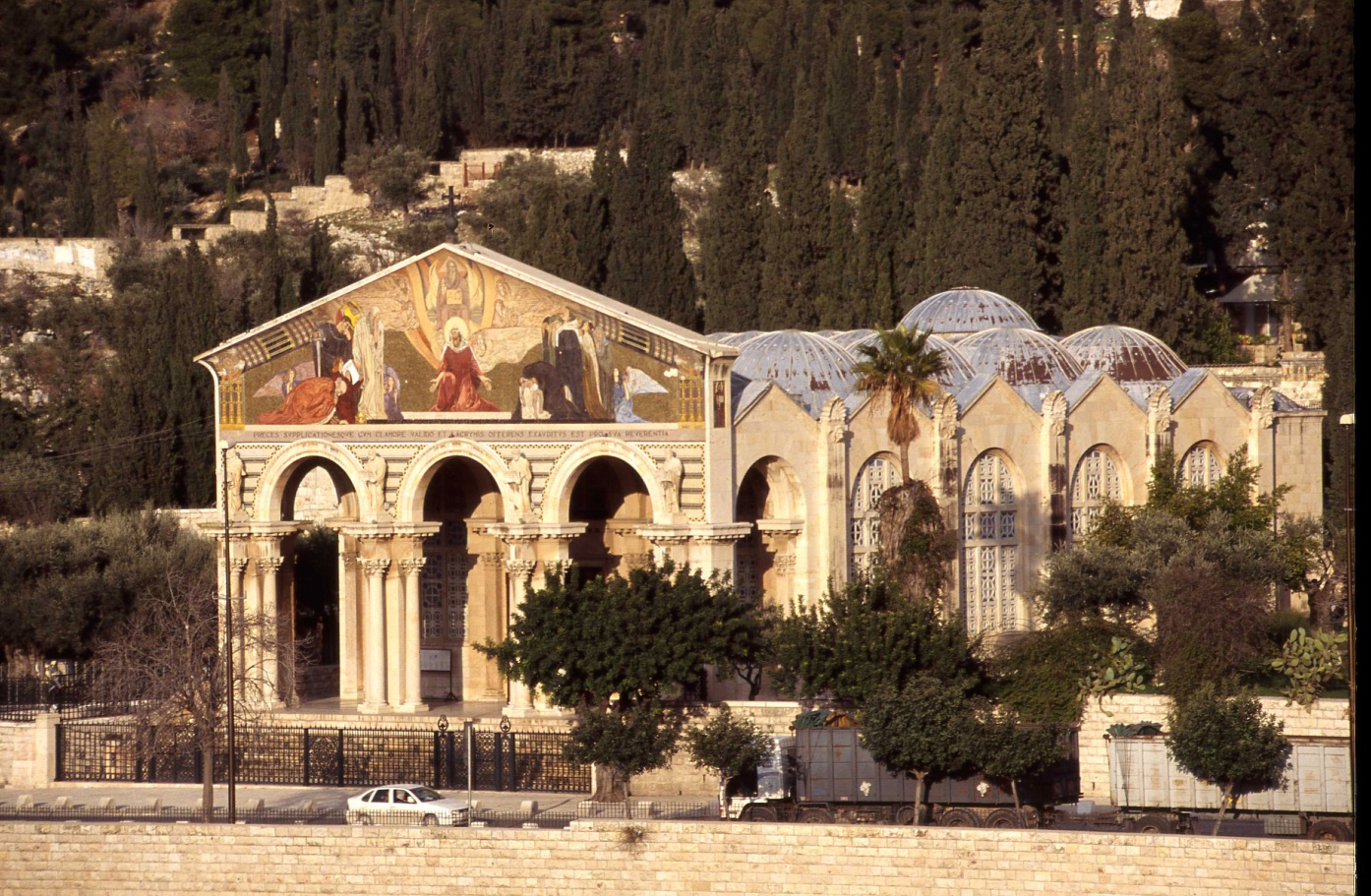
万国教堂(Church of All Nations),又名Agony教堂,位于耶路撒冷城东部的橄榄山,毗邻客西马尼园。 耶稣在被捕前晚间祷告的地方,万国教堂是世界上四大著名教堂之一。耶稣在被捕前晚间在此祷告,听到神告诉他只能活七天的地方,而内部也有供奉当初耶稣祷告时所坐的石头。 教堂外观上方的马赛克镶嵌画中间红衣服的是耶稣,而他张开双臂代表着在最后七天的生命努力作好上方的主交办他的事项,而主身上的记号则代表起源或结束都来自于主,两旁的信众一边是相信耶稣会带给他希望,另一边则是怀疑他的人民,但最终、两边都会相信他的。 教堂本身在建筑的同时,有发现基底有拜占庭时代遗留下来的遗迹,所以当初建筑教堂的设计师保留原遗迹的马赛克拼贴花式,将教堂完成。 这座教堂建于1919年到1924年,得到许多不同国家的资助(因而得名)。每个国家的标志放置于天花板的玻璃上,每一个都放在一个小dome. 教堂的前面有一排列柱,教堂为拜占庭风格建筑,有圆顶、粗大的列柱和镶嵌图案。该教堂的建筑师是Antonio Barluzzi。
现存教堂时间在两座古代教堂的基础上-12世纪十字军教堂(1345年废弃)和4世纪的拜占庭教堂(毁于746年地震)。
Die Kirche aller Nationen (lat. Basilica Agoniae Domini; auch Kirche der Nationen oder Todesangstbasilika) ist ein römisch-katholischer Sakralbau im Garten Getsemani am Fuße des Ölbergs in Jerusalem und gehört zum Lateinischen Patriarchat von Jerusalem.
Nach Matthäus 26,36–46 EU und Markus 14,25–42 EU hat Jesus von Nazareth an dieser Stelle im Bewusstsein des Bevorstehenden gebetet, bevor er von Judas Iskariot verraten wurde. Besonders bezieht sich die Kirche auf die nur bei dem Evangelisten Lukas 22,44 EU überlieferte Stelle: „Und er betete in seiner Angst noch inständiger und sein Schweiß war wie Blut, das auf die Erde tropfte.“ Dieses Blutschwitzen wird als Hinweis auf die Todesangst Jesu und sein auch menschliches Wesen angesehen.
Die Kirche wurde zwischen 1919 und 1924 mit Geldern aus zwölf Ländern erbaut. Daher rührt auch der Name Kirche der Nationen.[2] Das Wappen jedes der beteiligten Länder ist in einer eigenen Sektion an der Decke der Kirche zu finden. Die dreischiffige Kirche hat die klassische Basilika-Form ohne Turm, aber zwölf Kuppeln, die für die zwölf Apostel stehen, die von sechs rotbraunen Säulen als Symbol für die Ölbäume getragen werden.[3] Der Innenraum ist passend zum Thema Todesangst verhältnismäßig düster. Der Altar steht vor dem Felsen, auf dem Jesus gebetet haben soll, und ist mit einem Gitter umgeben, das an die Dornenkrone erinnert.
Die heutige Kirche steht auf den Fundamenten einer byzantinischen Basilika aus dem 4. Jahrhundert, erbaut durch Kaiser Theodosius I., die im Jahre 746 bei einem Erdbeben zerstört wurde, und einer Kreuzfahrerkirche aus dem 12. Jahrhundert, die 1345 zerstört wurde. Teile des ursprünglichen Fußbodens sind noch heute in der Kirche sichtbar.
The Church of All Nations, also known as the Church or Basilica of the Agony, is a Roman Catholic church located on the Mount of Olives in Jerusalem, next to the Garden of Gethsemane. It enshrines a section of bedrock where Jesus is said to have prayed before his arrest. (Mark 14:32-42)
The current church rests on the foundations of two earlier ones, that of a small 12th century Crusader chapel abandoned in 1345, and a 4th-century Byzantine basilica, destroyed by an earthquake in 746. In 1920, during work on the foundations, a column was found two meters beneath the floor of the medieval crusader chapel. Fragments of a magnificent mosaic were also found. Following this discovery the architect immediately removed the new foundations and began excavations of the earlier church. After the remains of the Byzantine era church were fully excavated plans for the new church were altered and work continued on the current basilica from April 19, 1922 until June 1924 when it was consecrated.
L’église de Toutes-les-Nations (également appelée basilique de l’Agonie, Basilica Agoniæ Domini) est une église catholique située au pied du mont des Oliviers à Jérusalem, au lieu-dit « Gethsémani ». Construite de 1922 à 1924, elle renferme le rocher au pied duquel, selon la tradition, Jésus pria durant son agonie, avant son arrestation (Luc 22 :41)
La chiesa di tutte le Nazioni è una chiesa di Gerusalemme, posta sul monte degli Ulivi, in quello che la tradizione riconosce come il Getsemani.
Essa è costruita sul luogo dove, a partire dal IV secolo, esisteva un luogo di culto bizantino, trasformato poi dai crociati in basilica, andata in rovina con la definitiva occupazione islamica.
Il nome della chiesa ricorda il contributo di numerosi paesi alla sua costruzione, avvenuta tra il 1919 ed il 1924 ad opera dell'architetto italiano Antonio Barluzzi. La chiesa è conosciuta anche come chiesa dell'agonia in riferimento alla notte che Gesù vi trascorse alla vigilia del suo arresto. In essa sono armoniosamente fusi assieme elementi architettonici tipici delle basiliche cristiane (per esempio la facciata) con tratti tipici degli edifici islamici (per esempio la copertura caratterizzata da numerose piccole cupole).
La Basílica de Getsemaní, también conocida como Basílica de las Naciones o de la Agonía, es un templo católico situado en el Monte de los Olivos de Jerusalén, junto al jardín de Getsemaní. En su interior se encuentra la porción de roca en la que, según la tradición, Jesús oró la noche de su arresto, después de celebrar la Última Cena.1
La basílica descansa sobre los cimientos de dos templos anteriores, una basílica bizantina del siglo IV, destruida por un terremoto en el año 746 y una capilla cruzada del siglo XII, abandonada en 1345.23 Las obras del edificio actual, diseñado por el arquitecto Antonio Barluzzi,1 se llevaron a cabo entre 1919 y 19244 empleando fondos provenientes de distintos países (de ahí su apelativo de las naciones), cuyos símbolos aparecen en los mosaicos del techo en recuerdo de su contribución en la construcción.1El frontal de la iglesia es una fachada de estilo neobizantino, con una serie de pilares. Como remate, un mosaico mostrando simbólicamente a Jesucristo como enlace entre Dios y la humanidad. El techo en forma de burbujas, los pilares anchos y el mosaico refuerzan la apariencia arquitectónica bizantina de la iglesia.
La basílica se encuentra regida por la Custodia de Tierra Santa de la Orden Franciscana, que en un gesto de ecumenismo, también permite a la comunidad anglicana utilizar un altar en el huerto de Getsemaní para celebrar sus servicios de Jueves Santo.2
Церковь Всех Наций или Бази́ли́ка Аго́нии Госпо́дней (лат. Basilica Agoniae Domini) — францисканский католический храм в Гефсиманском саду, построенный на том месте, где, согласно преданию, Иисус Христос совершил Моление о чаше (Мк. 14:32-42) в последнюю ночь перед арестом. Церковь освящена в честь Страстей (Страданий) Господних.
Расположена у подножия Елеонской горы в Восточном Иерусалиме.
Церковь сооружена в 1924 году на месте более ранних церквей по проекту итальянского архитектора Антонио Барлуцци на деньги католиков 12 стран мира (Аргентина, Бельгия, Бразилия, Канада, Чили, Великобритания, Франция, Германия, Италия, Мексика, Испания и США), в честь чего и получила своё популярное название — церковь Всех наций[1]. В честь этих стран церковь имеет 12 куполов[2].
Камень, на котором, по преданию, Иисус Христос совершил Моление о чаше расположен в алтаре церкви и окружен железной кованной оградой в виде терновых венцов (подарок Австралии).
Снаружи к церкви примыкает камень, на котором находится вырезанное из камня изображение молящегося Христа[3].
Поскольку церковь принадлежит католикам, то прочие христианские конфессии для служб в Гефсиманском саду используют открытый алтарь, расположенный около храма.

 Hand in Hand
 Afghanistan
Egypt
Azerbaijan
Bahrain
China
India
Iraq
Iran
Israel
Jordan
Cambodia
Kasachstan
Kyrgyzstan
Afghanistan
Egypt
Azerbaijan
Bahrain
China
India
Iraq
Iran
Israel
Jordan
Cambodia
Kasachstan
Kyrgyzstan
 Mongolei
Pakistan
Palestine
Republic of Korea
Russia
Tajikistan
Thailand
Turkey
Uzbekistan
United Arab Emirates
Vietnam
Mongolei
Pakistan
Palestine
Republic of Korea
Russia
Tajikistan
Thailand
Turkey
Uzbekistan
United Arab Emirates
Vietnam