Deutsch-Chinesische Enzyklopädie, 德汉百科

       
German — Chinese
Dances Folk dances

阿尔卑斯山地区民间舞蹈
Einige Tanzfamilien aus Bayern, Österreich und den anderen Alpenländern mit jeweils vielen Unterarten sind: Ländler bzw. Landler Mazurka Polka Schottisch Dreher Walzer (Deutscher Tanz) Zwiefacher


This image, video or audio may be copyrighted. It is used for educational purposes only. If you find it, please notify us byand we will remove it immediately.
飞天女神舞/Apsara Dance

This image, video or audio may be copyrighted. It is used for educational purposes only. If you find it, please notify us byand we will remove it immediately.
阿尔达舞
Ardah (Arabic: العرضة / ALA-LC: al-‘arḍah) is a type of folkloric group dance in the Arabian Peninsula. The dance is performed with two rows of men opposite of one another, each of whom may or may not be wielding a sword or cane, and is accompanied by drums and spoken poetry.

 Ardah (Arabic: العرضة / ALA-LCal-‘arḍah) is a type of folkloric group dance in the Arabian Peninsula. The dance is performed with two rows of men opposite of one another, each of whom may or may not be wielding a sword or cane, and is accompanied by drums and spoken poetry.[1]

Originally, the "ardah" was performed only by males of tribes of the Arabian Peninsula before going to war, but nowadays it is done at celebrations, weddings, and national and cultural events by males of all tribes, such as the Jenadriyah festival. There currently exists various types of ardah across the Arabian Peninsula.

It was inscribed on UNESCO's Intangible Cultural Heritage of Humanity in 2015 as Alardah Alnajdiyah.

This image, video or audio may be copyrighted. It is used for educational purposes only. If you find it, please notify us byand we will remove it immediately.
阿根廷民间舞蹈
Chacarera Bailecito Zamba Gato Cueca Chamamé Malambo


This image, video or audio may be copyrighted. It is used for educational purposes only. If you find it, please notify us byand we will remove it immediately.
亚美尼亚民间舞蹈
The Armenian dance (Armenian: Հայկական պար) heritage has been considered the oldest and most varied in its respective region.


The Armenian dance (Armenian: Հայկական պար) heritage has been considered the oldest and most varied in its respective region. From the fifth to the third millennia B.C., in the higher regions of Armenia, the land of Ararat, there are rock paintings of scenes of country dancing. These dances were probably accompanied by certain kinds of songs or musical instruments. In the fifth century Moses of Khoren (Movsés Khorenats'i) himself had heard of how the old descendants of Aram (that is Armenians) make mention of these things (epic tales) in the ballads for the lyre and their songs and dances.

Traditional dancing is still popular among expatriate Armenians, and has also been very successfully exported to international folk dance groups and circle dance groups all over the world. All dancers wear the traditional costume to embody the history of their culture and tell their ancestors stories. The design of these costumes are influenced by many factors, such as religious traditions, family methods, and practicality. The traditional coloring and exquisite beading of the costumes ties the dance and the tradition together. The beautiful movements of the Armenian cultural dance are adored by all audience around the world.

This image, video or audio may be copyrighted. It is used for educational purposes only. If you find it, please notify us byand we will remove it immediately.
阿塞拜疆民间舞蹈
Aserbaidschanische Volkstänze sind traditionellen Tänze, die überwiegend in der Aserbaidschan und in den aserbaidschanischen Siedlungsgebieten verbreitet sind. Der Musiktakt dieser Tänze sind 6/8 und 3/4. Arbeit („Chobany“ – „Hirte“) Ritual (Ritual, Kalender, Hochzeit) Haushaltsgeräte („Mirzaee“, „Turajy“, „Uzundara“, „Sari Gelin“) Heroisch („Gengy“) Sportlich („Zorkhana“) Chorowodtänze („Yally“, „Halay“, „Kochari“)


This image, video or audio may be copyrighted. It is used for educational purposes only. If you find it, please notify us byand we will remove it immediately.
亚述民间舞蹈
Assyrische Volkstänze sind Sätze von Tänzen, die von Assyrern auf der ganzen Welt aufgeführt werden, hauptsächlich bei Hochzeiten, Gemeinschaftsfeiern und anderen jubelnden Ereignissen.

Assyrische Volkstänze sind Sätze von Tänzen, die von Assyrern auf der ganzen Welt aufgeführt werden, hauptsächlich bei Hochzeiten, Gemeinschaftsfeiern und anderen jubelnden Ereignissen.

Assyrische Volkstänze bestehen hauptsächlich aus Kreistänzen, die in einer Linie aufgeführt werden, die gerade, gekrümmt oder beides sein kann. Die meisten Tänze erlauben eine unbegrenzte Anzahl von Teilnehmern, mit Ausnahme der Säbeltanz, die höchstens drei erfordern. Assyrische Tänze variieren je nach Stimmung und Tempo eines Songs von schwach bis stark.

Assyrische Volkstänze gehören zu fünf metrischen Gruppen: 2
4 (10 Tänze), 4
4 (6 Tänze), 6
8 (13 Tänze), 9
8 (1 Tanz), 10
8 (1 Tanz). Das Tempo reicht normalerweise von langsam (70 Schläge pro Minute) bis sehr schnell (140 Schläge).


This image, video or audio may be copyrighted. It is used for educational purposes only. If you find it, please notify us byand we will remove it immediately.
阿坦舞
The national dance of Afghanistan. Also a popular folk dance of Pashtuns tribes of Pakistan including the unique styles of Quetta and Waziristan in Pakistan.


This image, video or audio may be copyrighted. It is used for educational purposes only. If you find it, please notify us byand we will remove it immediately.
阿波舞
Awa Odori (japanisch 阿波おどり ‚Awa-Tanz‘) bezeichnet einen Bon Odori – traditionellen japanischen Tanz zum Obon-Fest – aus der Präfektur Tokushima (historisch Provinz Awa). Der Tanz zeichnet sich sowohl durch seine unregelmäßigen Schritte als auch seinen unterschiedlichen Tanzstil für Männer und Frauen aus.

Awa Odori (japanisch 阿波おどり ‚Awa-Tanz‘) bezeichnet einen Bon Odori – traditionellen japanischen Tanz zum Obon-Fest – aus der Präfektur Tokushima (historisch Provinz Awa). Der Tanz zeichnet sich sowohl durch seine unregelmäßigen Schritte als auch seinen unterschiedlichen Tanzstil für Männer und Frauen aus.

阿波舞(日语:阿波踊り、阿波おどり、あわおどり)是起源于日本德岛县令制国时代为阿波国)的一种盆舞,以三味线太鼓钲鼓篠笛以二拍子节奏伴奏,搭配舞蹈者的声音及手部动作的集体舞蹈,但其并没有特别固定的模式,相当随兴[1]

This image, video or audio may be copyrighted. It is used for educational purposes only. If you find it, please notify us byand we will remove it immediately.
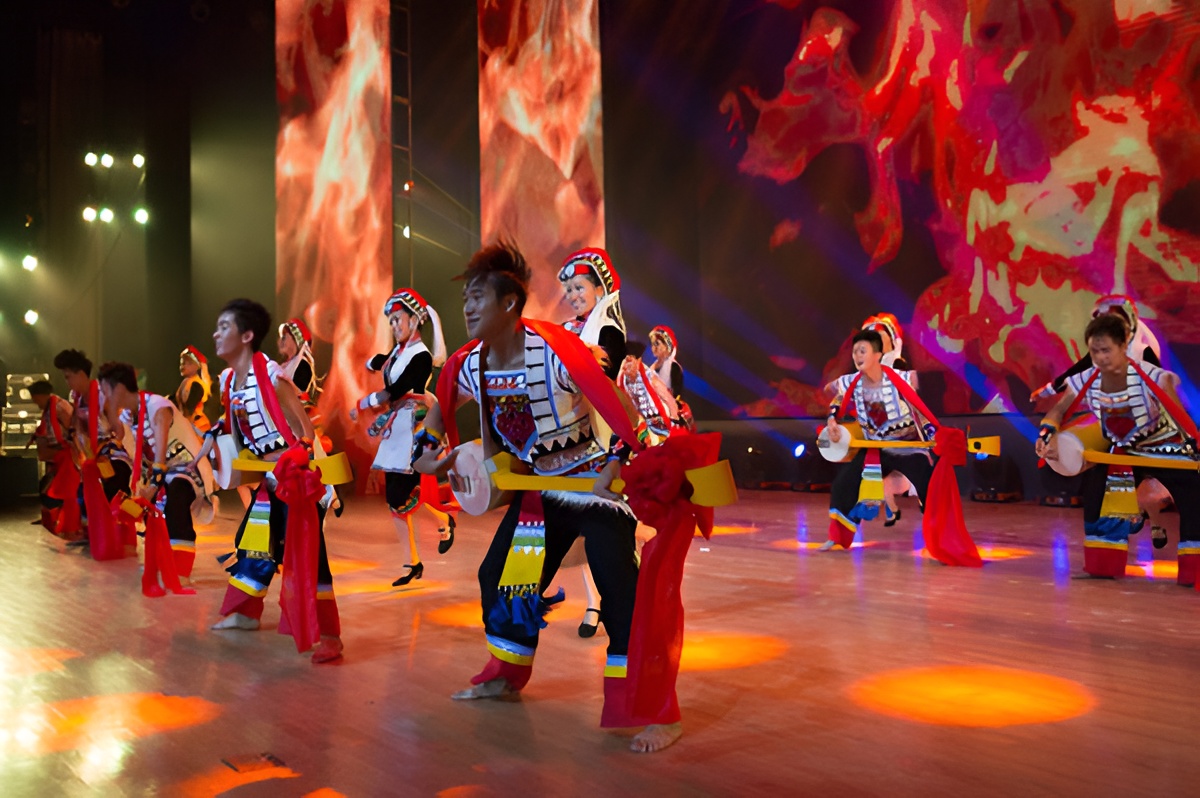
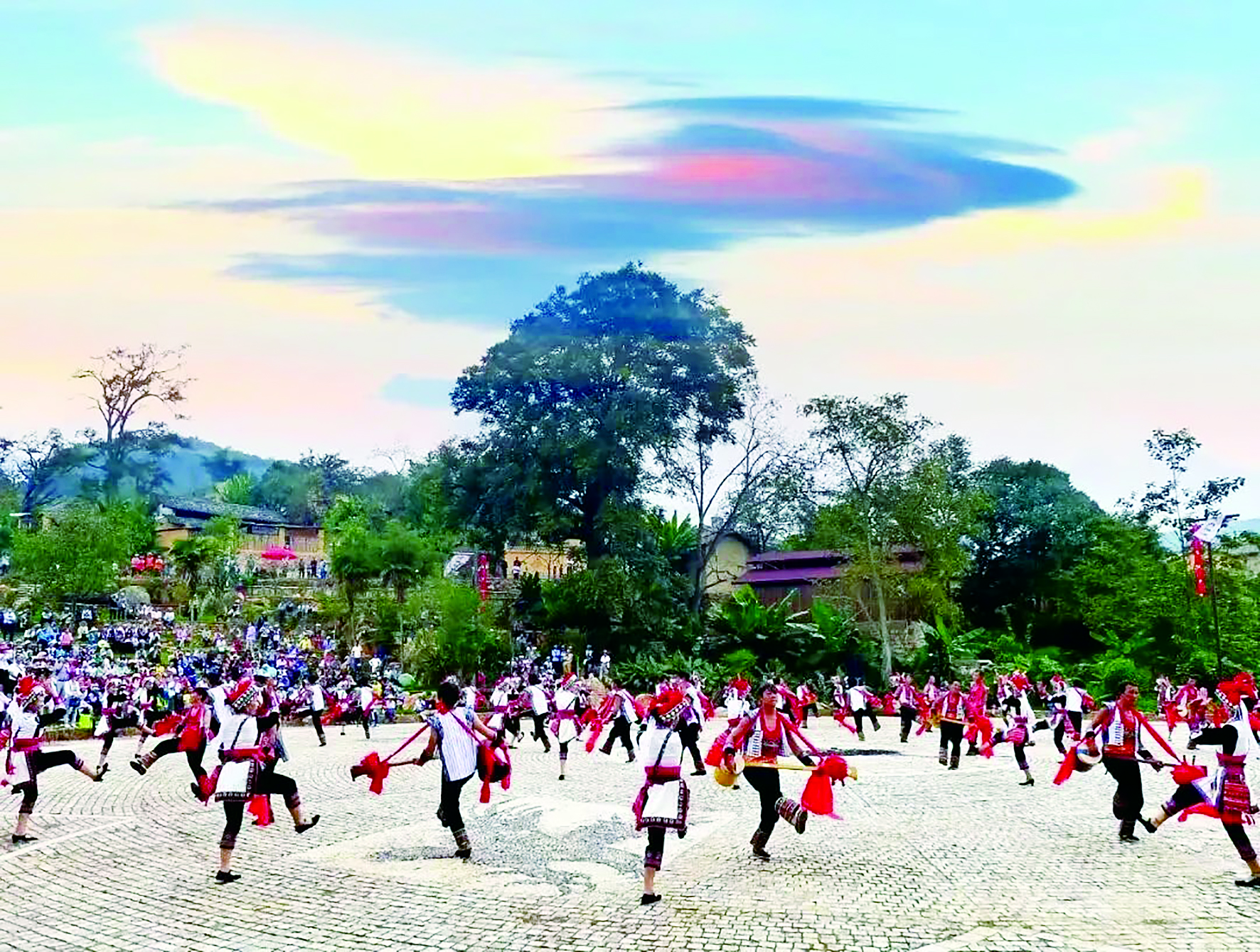
阿細跳月 阿细跳月
彝族三弦舞(阿细跳月),云南省弥勒市传统舞蹈,国家级非物质文化遗产之一。 阿细跳月在阿细语中称为“嘎斯比”,意为“欢乐跳”,它是彝族阿细人代表性的民族民间舞蹈,源于阿细人古朴的“阿细跳乐”,因多在月光下的篝火旁起舞,故名“阿细跳月”。阿细跳月发源于云南省红河哈尼族彝族自治州弥勒市西山一带,在弥勒市彝族阿细人聚居的村寨及泸西、陆良等地广泛流传。阿细跳月参加者少则十几人,多则上千人,多在祭祀、节日、盛典时表演,具有较强的自发性、自娱性和群众性。它集歌、舞、乐于一体,有规范的舞步和套路,其舞蹈可分为老人舞和青年舞,舞步包括踹脚跳、鹤步单腿跳、弹跳步、跑步跳、转身跳、拍掌跳等形式,音乐为宫调式大三度五拍节,起舞时以大三弦、大中小竹笛、小三弦、三胡、月琴、唢呐、哨子等阿细民间自制乐器伴奏。阿细跳月节奏热烈欢快,动作豪放粗犷,舞姿矫健飘逸,韵律强劲,气势恢宏,具有较强的感召力。


This image, video or audio may be copyrighted. It is used for educational purposes only. If you find it, please notify us byand we will remove it immediately.
巴厘舞/Balinese dance

This image, video or audio may be copyrighted. It is used for educational purposes only. If you find it, please notify us byand we will remove it immediately.
巴洛斯舞
The Ballos Sirtos (Greek: Μπάλος) is a Greek folk island dance from Greece. There are also different versions in other Balkan countries.

/assets/contentimages/Ballos.JPG

This image, video or audio may be copyrighted. It is used for educational purposes only. If you find it, please notify us byand we will remove it immediately.