Deutsch-Chinesische Enzyklopädie, 德汉百科
 Essen und Trinken

 Unternehmen
 Virginia-VA

ARKO Corp. (Nasdaq: ARKO) is a Fortune 500 company that owns 100% of GPM Investments, LLC and is one of the largest operators of convenience stores and wholesalers of fuel in the United States. Based in Richmond, VA, our highly recognizable Family of Community Brands offers delicious prepared foods, beer, snacks, candy, hot and cold beverages, and multiple popular quick serve restaurant brands. Our high value fas REWARDS® loyalty program offers exclusive savings on merchandise and gas. We operate in four reportable segments: retail, which consists of fuel and merchandise sales to retail consumers; wholesale, which supplies fuel to third-party dealers and consignment agents; GPM Petroleum, which supplies fuel to our retail and wholesale sites; and fleet fueling, which operates proprietary cardlock locations, manages third-party fueling sites, and markets fuel cards with access to a nationwide network of fueling sites.

 Landwirtschaft, Forstwirtschaft, Viehzucht, Fischerei

 Botanik


 Comunidad Autónoma del País Vasco

This restaurant is a real institution in San Sebastián as it has been Michelin starred since 1974. Hospitality, history and modernity converge in this century-old family mansion in Alto de Miracruz, a culinary mecca run by the tandem of Juan Mari Arzak and his daughter Elena (the latter taking over the reins in magnificent fashion) who have succeeded in perfectly combining the most surprising innovations with expertise rooted in Basque tradition. The creativity, presentation and intense flavours of their dishes are the result of experiments conducted in the Laboratorio Arzak in the same building, where they work, with utmost respect, with a “flavour workbench” of more than 1 000 ingredients of the very best quality. Guests can choose between an extensive tasting menu with a wine-pairing option, and the set menu-style à la carte, with a choice of dishes that varies with the seasons. The roast duck with cacao, dehydrated orange and carob Turkish delight completely bowled us over!

 Tierwelt


Aserbaidschanischer Wein wird in mehreren Regionen in ganz Aserbaidschan hergestellt. Die lange Geschichte der Weinherstellung in Aserbaidschan wurde bei archäologischen Ausgrabungen von Siedlungen in Kültəpə, Qarabağlar und Galajig wiederentdeckt, wo Archäologen steinerne Gär- und Lagergefäße entdeckten, die Rückstände und Traubenkerne aus dem zweiten Jahrtausend vor Christus enthielten. Laut Herodot wussten die alten Griechen mindestens seit dem 7. Jahrhundert v. Chr. über die Weinproduktion in der Region Bescheid. Später, im 1. Jahrhundert v. Chr., berichtete Strabo über einen Wein aus der Region, der als Albania bekannt war. Arabische Historiker und Geographen - vor allem Abu'l-Fida, Al-Masudi, Ibn Hawqal und Al-Muqaddasi - beschrieben den ausgedehnten Weinbau in der Umgebung von Ganja und Barda, der auch nach der islamischen Eroberung des Gebiets noch betrieben wurde.
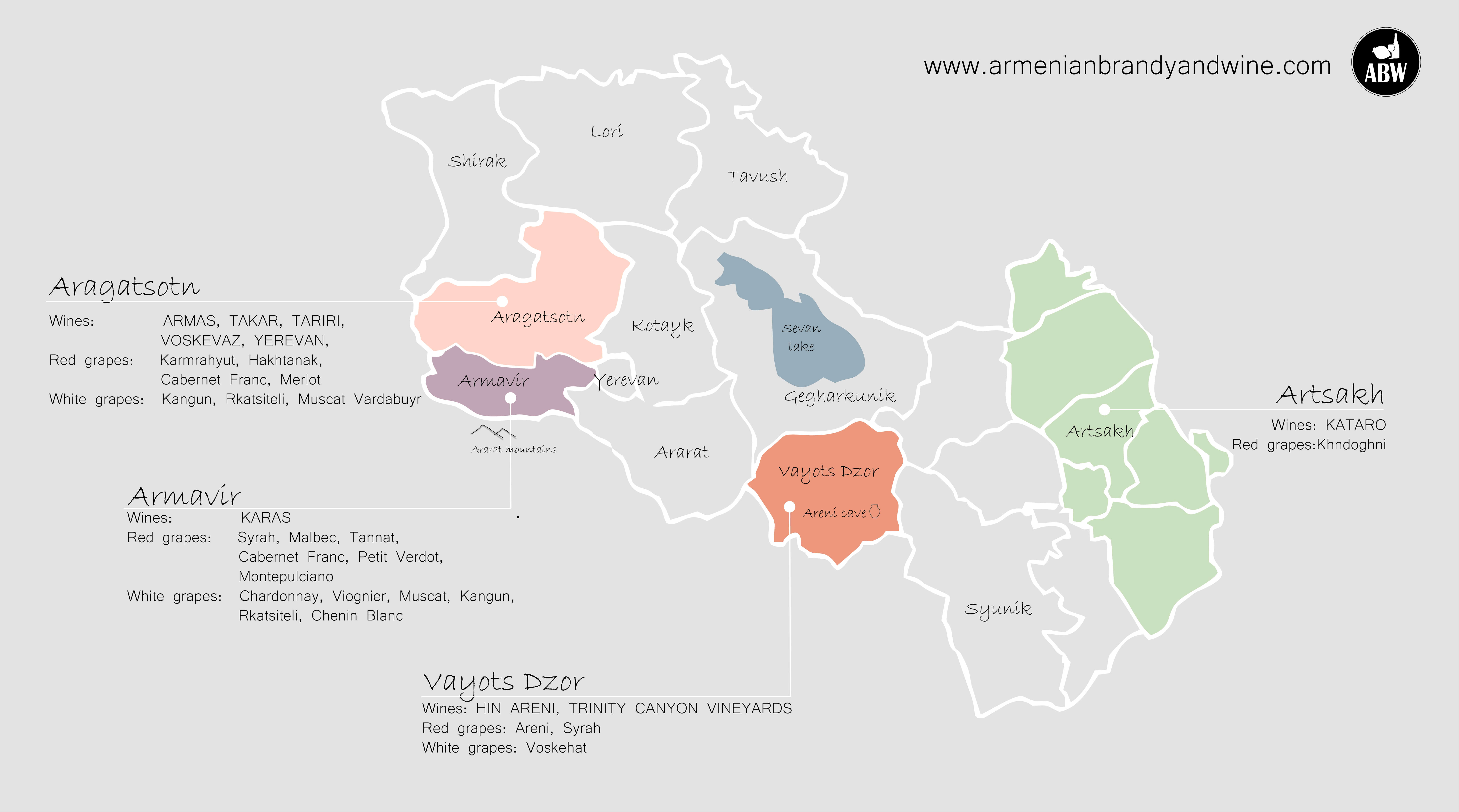
Heute findet man Weinberge auch in den Ausläufern des Kaukasusgebirges und im Kur-Araz-Tiefland in der Nähe des Flusses Kura. Im 21. Jahrhundert haben sich Ganja, Nachitschewan und die separatistische Region Berg-Karabach, die von der selbsternannten Republik Artsakh kontrolliert wird, zu Zentren der Weinproduktion in der Region entwickelt. Zu den Rebsorten, aus denen aserbaidschanischer Wein hergestellt wird, gehören Pinot noir, Rkatsiteli, Pinot blanc, Aligote, Matrassa, Podarok Magaracha, Pervenets Magaracha, Ranni Magaracha, Doina, Viorica und Kishmish Moldavski. Zu den in Aserbaidschan heimischen Rebsorten gehören White Shani, Derbendi, Nail, Bayanshire, Gamashara, Ganja Pink, Bendi, Madrasa, Black Shani, Arna-Grna, Zeynabi, Misgali, Khindogni, Agdam Kechiemdzhei, Tebrizi, und Marandi.